
Why Does My Dresser Drawer Stick?
A dresser drawer sticks when its slides, wood sides, or drawer box are binding; begin by checking alignment, then fix the specific failure instead of the whole dresser. Ignoring the cause can scratch the drawer, wear out slides faster, and turn a small drag into a jam. This guide shows how to identify the cause by drawer type and choose the right repair for each failure pattern.
This guide is part of our Chairs guide: types, buying and care series.
What you’ll need

- Flashlight
- Vacuum or soft brush
- Paste wax or a dry furniture lubricant
- Fine sandpaper, about 180 to 220 grit
- Screwdriver set
- Wood glue and clamps for loose runners or bottoms
- Replacement screws or slide hardware, if needed
- Measuring tape
- Drawer liner, thin and cut to fit
- Furniture anchor kit for a top-heavy dresser
Drawer sticking matrix
Use the symptom pattern first. That usually tells you whether the fix is cleaning, lubrication, realignment, or hardware replacement. Old solid-wood dressers often stick because wood movement changes the fit; modern dressers more often bind at the slide system or a loose drawer bottom.
| Symptom pattern | Likely cause | Best fix | Repair now vs replace slides | Tools |
|---|---|---|---|---|
| Sticks only when humid | Wood swelling from humidity; side walls or runners are rubbing | Dry the room, then wax the wood slide points and lightly sand the rub spots | Repair now; replace only if the rub marks stay after seasonal movement settles | Flashlight, wax, 180 to 220 grit sandpaper |
| Sticks only when loaded | Overstuffing, load imbalance, or a sagging bottom changing the drawer shape | Remove heavy items, check the bottom panel, and reattach or replace it if loose | Repair now if the frame is sound; replace slides if the rails bend under normal load | Screwdriver, wood glue, clamps, measuring tape |
| Sticks only on one side | Misalignment in the opening, worn runner on one side, or a bent slide track | Level the dresser, tighten fasteners, then reset or replace the worn side hardware | Repair now if the hardware still sits square; replace slides if the bind returns after adjustment | Screwdriver, level, replacement screws |
| Sticks only near the end of travel | Front edge rub, bent slide, or a bottom panel that drops at the last few inches | Inspect the last 2 to 3 inches of travel, then sand the rub point or reset the bottom | Repair now if the track is straight; replace slides if the drawer still catches at the same point | Flashlight, sandpaper, screwdriver |
| Will not close fully | Swollen wood, a shifted back panel, or bent side-mounted or bottom-mounted tracks | Check for square, confirm the back is seated, and replace bent hardware if the drawer still sits proud | Replace slides if the rails are bent, cracked, or no longer adjustable | Flashlight, screwdriver, measuring tape |
Why is my dresser drawer sticking?
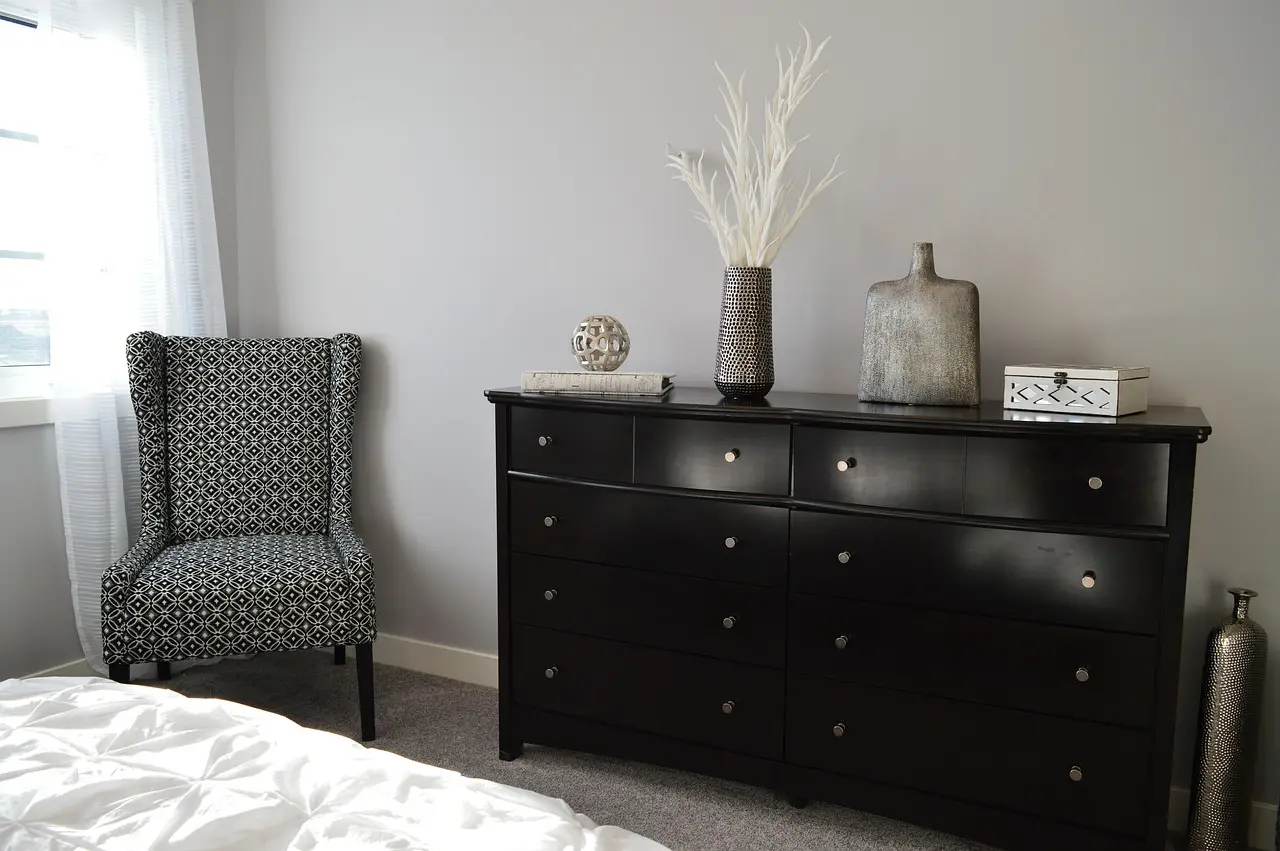
A sticky drawer usually comes from one of three places: wood movement, load imbalance, or worn hardware. The pattern matters. If the drag appears only in humid months, the wood has likely expanded. If it happens only when the drawer is full, the load is shifting the box or bottom panel.
Old dressers often use drawer runners and friction surfaces with no track system at all. Modern drawers may use side-mounted tracks, bottom-mounted tracks, or slides with a release lever that lets you remove the drawer for inspection. A drawer that rubs on only one side points to misalignment, while a drawer that binds near the end of travel often points to a bent slide or a sagging bottom.
Say your top drawer closes fine in winter but starts dragging in July. That points to seasonal expansion, not a bad slide. Start with wax on the wood contact points, then check again after the room dries out.
Wood movement and humidity
Humidity causes seasonal expansion in solid wood. Older solid-wood dressers are the most likely to show this, especially when the drawer sides or runners were fit tightly. If the drawer slides freely after the room dries, the issue is movement, not failure.
- Clear the drawer. Remove heavy items first, then test the drawer empty. If the drag changes, the load is part of the problem.
- Inspect the rub points. Look for shiny wear marks on the drawer sides, runners, and front edges. Those marks show where the wood is binding.
- Apply a thin coat. Rub paste wax or a dry furniture lubricant on wood slides and runners only. Avoid oily products on bare wood unless the maker recommends them.
Wax is a friction fix, not a structural fix. If the drawer still sticks after the room dries or the wood is badly worn, move on to sanding, realignment, or repair of the runner.
Load imbalance and misalignment
Overstuffing can twist the drawer box and make one side drag first. A dresser that is out of square can do the same thing, especially if one leg sits high or the case has shifted. This is common in tall dressers with heavy drawers.
A practical safety note matters here. Consumer Reports cites a voluntary standard for dressers taller than 30 inches that uses 50 pounds of weight hanging from an open drawer. That does not mean every dresser safely holds that much in normal use. It does mean a heavy, sticky drawer can be part of a bigger tip-over risk, and a furniture anchor kit can be the right next step.
- Level the dresser. Check the case on a flat floor and correct any wobble before you adjust the drawer.
- Redistribute the load. Move dense items to lower drawers and keep the sticky drawer lighter by a few pounds, then test again.
- Add wall anchoring. Install a furniture anchor kit if the dresser is tall, top-heavy, or used around children. Follow the product manual and local rules for placement.
Suppose a wide drawer sticks only when packed with sweaters on the right side. That points to load imbalance, not a bad front panel. Remove the weight from that side first. Then check whether the drawer still binds when it is half full.
How do you fix a dresser drawer that sticks?
Start by cleaning the path, then match the repair to the drawer type. A wood drawer with runners needs different care from a side-mounted slide, and a modern slide with a release lever may need adjustment instead of sanding. If the drawer still binds after cleaning, the hardware or box is probably out of square.
Clean and inspect the travel path
Dust, grit, and a buried drawer liner can all add friction. A bulky liner can also stop the drawer from sitting flat on the bottom track. If the drawer is old, check the runners, the side edges, and the corners of the box before you change hardware.
- Remove debris first. Vacuum the track, runners, and drawer bottom, then wipe away loose dust.
- Check the liner thickness. Remove any bulky liner, trim it flat, or replace it with a thinner piece that does not bunch at the sides.
- Recheck the glide. Slide the drawer in and out slowly. Stop at the first bind point and inspect that exact spot.
Match the fix to the drawer type
Wood-on-wood drawers often respond to wax, sanding, or a runner repair. Side-mounted tracks may need a release lever to remove the drawer before adjustment. Bottom-mounted tracks usually need cleaning, alignment, or replacement if the track is bent or broken. The right fix depends on the wear point, not the label on the dresser.
- Remove the drawer safely. If your slide has a release lever, press or lift it as the hardware requires, then pull the drawer free. If it has no lever, give the drawer a controlled tug only if it can move; a jammed drawer may need the bind relieved from the back or underside first.
- Inspect the slide system. Look for bent metal, cracked plastic, loose screws, or wood runners worn thin at one spot.
- Repair or replace. Tighten loose screws, reset square hardware, or install a replacement slide set when the track is bent or the wear is too deep to tune out.
Tighten, realign, or replace hardware
Loose hardware often causes the same symptom as worn wood. Start with fasteners, because that is the fastest correction. If the dresser frame has shifted, the drawer may need realignment at the mounting points before any lubrication works.
- Tighten all fasteners. Snug the runner, slide, and back-panel screws without stripping the holes.
- Reset the square. Measure the opening corner to corner. If the numbers do not match, the case is racked and needs realignment before the drawer will glide cleanly.
- Replace worn parts. If the drawer still rubs on the same side after alignment, replace the worn runner or slide set rather than filing the drawer thinner.
What if the drawer will not close fully?
A drawer that stops short usually has a swollen edge, a shifted back panel, or a bent track that blocks the last part of travel. Do not force it. Forcing the drawer can split the front rail, break a bottom panel, or bend a slide far enough that the problem becomes permanent.
- Check the final inches. Open the drawer and inspect the last 2 to 3 inches of travel for rub marks, bent metal, or a panel that drops downward.
- Inspect the bottom panel. Look for sagging, loose staples, or a bottom that has slipped out of its groove. Reattach it if it is loose; replace it if the panel is cracked or warped.
- Test the back and square. Make sure the back panel is seated and the case is not twisted. If the drawer still will not close fully, the slides are likely bent or out of square.
Picture a modern dresser with side-mounted tracks where every drawer closes except the top one. If the top drawer hangs open by a small gap, check the slide lever, the back panel, and the drawer bottom before you buy a new dresser. On some units, the fix is one bent slide, not the whole case.
If that did not work, replace the slide set when the rails are bent, the bearings no longer roll, or the adjustment slots are maxed out. Stop DIY and call a furniture repair pro if the case is cracked, the opening is badly out of square, or the drawer binds even after the hardware is reset.
Common mistakes
Most failed repairs come from treating every sticky drawer the same. The wrong fix can hide the symptom for a week and leave the real problem in place.
- Using heavy grease on wood slides, which can trap dust and make the drag worse later.
- Sanding without checking alignment first, which can make a crooked drawer fit even worse.
- Ignoring a loose drawer bottom, which can let the box sag under normal load.
- Overfilling one drawer, which can twist the front rail and make the opening feel too tight.
- Skipping wall anchoring on a tall, heavy dresser, which raises tip-over risk when drawers are open.
- Using a thick drawer liner that bunches at the edges and adds friction instead of reducing it.
How to keep dresser drawers from sticking comes down to three habits: keep the tracks clean, keep the loads balanced, and fix the first sign of looseness before it becomes a jam. A thin coat of wax on wood runners, a level case, and a secure anchor point go farther than repeated forcing.
Frequently asked questions
Why are my dresser drawers sticking?
Most sticking comes from wood swelling, a misaligned case, or worn slide hardware. Check whether the drag happens only in humid weather, only when the drawer is full, or only on one side. That pattern points you to the right repair faster than trial and error.
Why is my dresser drawer stuck?
A fully stuck drawer is often binding at one corner, jammed by a loose bottom, or trapped by a bent slide. If it has a release lever, use it as the maker intended. If not, relieve the bind from the back or underside before you pull harder.
How do I get a stuck dresser drawer out?
First, empty the drawer if you can reach the contents. Then check for a slide release lever, loose screws, or a panel that is wedged against the opening. If the drawer will not move at all, stop forcing it and look for the binding point from underneath or behind.
How do I fix old dresser drawers that stick?
Old dressers often have wood runners instead of modern tracks. Clean the runners, rub on a thin coat of wax, and sand only the worn high spots. If the drawer bottom is loose or sagging, reattach it; if the frame is racked, realign the case first.
Why won’t my dresser drawers stay closed?
Check for a front-to-back slope, a bent track, or a drawer box that sits proud because the back panel is out of place. A soft-close slide with worn parts can also drift open. Reset the hardware and verify that the drawer front sits flush when shut.
What to do with a dresser missing a drawer?
Measure the opening, check whether the dresser depends on that drawer for support, and use a filler panel or shelf only if the frame stays square. If the missing drawer leaves the case racked, the remaining drawers may start sticking until the opening is restored or reinforced.
For a modern example, IKEA says its STORKLINTA dresser has 4 drawers, measures 27 1/2 by 18 7/8 by 38 5/8 inches, has an inside drawer width of 24 inches, an inside drawer depth of 15 3/4 inches, and a drawer pull-out of 10 7/8 inches. IKEA also includes an anchor-and-release safety feature on that dresser.
Consumer Reports also cites 2,800 estimated tip-over injuries for children under 6 in 2016, a 33 percent year-over-year rise, at least 11 percent of furniture tip-over injuries tied to dressers and clothing storage units, and 195 tip-over deaths reported between 2000 and 2016. Those figures are a reminder to treat a sticky, heavy drawer as a safety issue, not just a nuisance. (Consumerreports)
Products related to this article
Sponsored / affiliate links. As an Amazon Associate I earn from qualifying purchases. I may earn additional commission from eligible campaigns.