How to Waterproof a Sofa for Everyday Spills
Use a waterproof, washable sofa cover or protector with sealed seams and anti-slip backing; for fabric sofas, add a water-repellent spray only as a backup, not the main barrier. If spills reach the cushion foam, the trapped dampness can leave odors and create mold-prone spots that are harder to fix later. Choose the right protection layer, then check the seams, gaps, and fit so drinks, crumbs, and pet accidents stay on the surface long enough to wipe up.
Waterproof vs water-resistant sofa protection
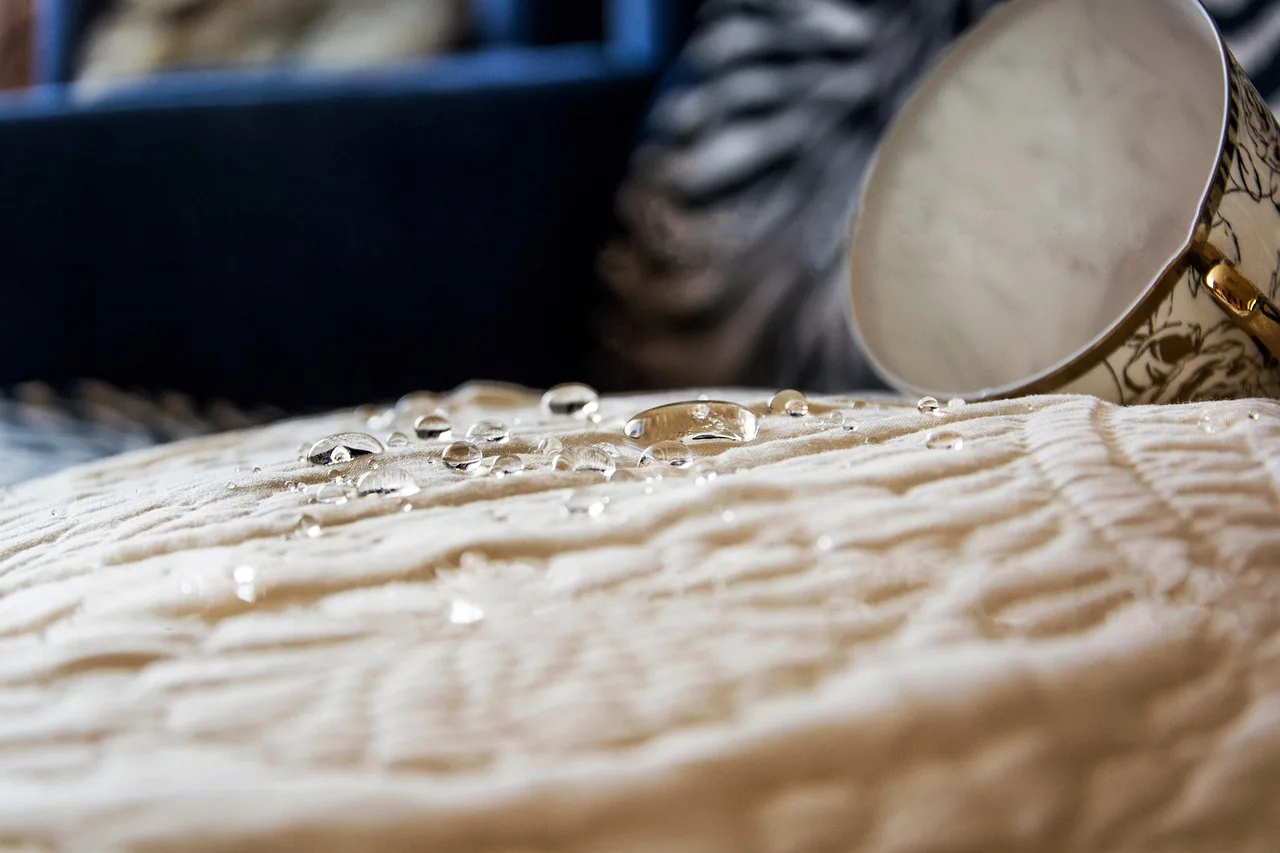


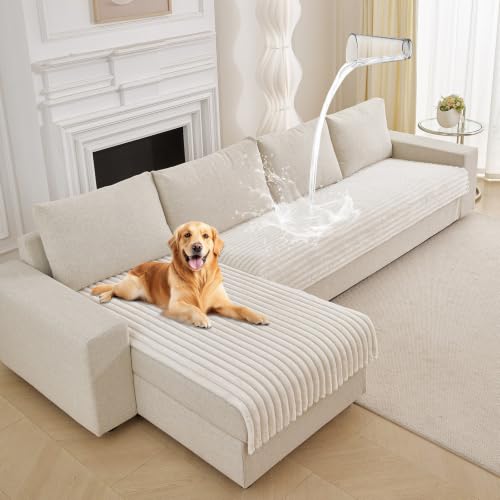
Waterproof protection blocks liquid long enough for a wipe-up before it reaches the cushion. Water-resistant protection can slow liquid for a short time, but it can still soak through if the spill sits, spreads, or lands in a seam, gap, or fold. That difference matters most with tea, juice, pet accidents, and any spill that does not get cleaned right away.
What each label can actually stop
A waterproof sofa cover typically uses a barrier layer such as TPU or PUL behind the top fabric. Those materials are chosen because they block liquid transfer while still feeling more comfortable than a hard plastic shell. A water-resistant cover usually relies on a surface treatment or lighter coating, so it buys you a short wipe-up window rather than full containment.
That means the right choice depends on how fast you can respond. For a quick splash, water-resistant protection can be enough if you wipe it at once. For kids, pets, drinks, and repeat spills, choose a barrier-backed cover or throw with sealed seams and a fit that stays put.
Why the wipe-up window matters
The surface may look dry for a moment while liquid is already moving underneath. A waterproof layer delays that movement, which gives you time to blot and wipe before the spill reaches foam or batting. Claims of being completely leakproof still depend on seams, fit, and whether the liquid finds an opening.
Picture a mug of tea tipping onto the front seat. If the top layer holds it in place long enough, you can lift the liquid before it reaches the cushion. If the cover is only water-resistant, the spill may slide to the nearest seam and soak through there.
Where water-resistant protection usually fails
Water-resistant covers often fail at the same places: the arm crease, the front seat edge, the seam between cushions, and the points where the cover shifts during sitting. If a spill reaches those areas, the liquid has a direct path downward. That is why spill control depends on both the material and the fit.
For households with frequent drinks or pets, water-resistant fabric works best as a backup layer, not the main defense. Use it for light daily drips, then treat it as a short-term shield rather than a barrier you can ignore.
What material works best?
For real spill protection, TPU-backed or PUL-backed covers usually make the strongest case. TPU is common in waterproof sofa covers because it blocks liquid transfer while staying quieter and more breathable than vinyl. PUL is also used as a water-blocking membrane, especially in pet-focused covers. Quilted polyester can add comfort, while vinyl backing is the tradeoff option when feel matters less than hard blocking.
TPU backing
TPU backing is a flexible waterproof film layer used under the top fabric. It is a strong fit when you want liquid blocked before it reaches the cushion, especially on family-room sofas that need everyday comfort as well as protection. TPU is usually quieter and more breathable than vinyl backing.
That makes TPU a strong fit for daily use. It usually feels less plasticky than older coated materials, so it is easier to keep on the sofa without making the seat feel temporary.
PUL backing
PUL is a breathable protective membrane that blocks water while allowing more air movement than a heavy vinyl-like layer. It is a strong choice when pet accidents are a regular concern because it balances leak resistance with comfort and flexibility.
If pet accidents are a regular concern, PUL is worth checking on the product page. It helps control liquid without forcing the sofa into a stiff, noisy shell.
Quilted polyester
Quilted polyester is common in waterproof throws and some full covers because it softens the feel of the top layer. It works best when you want a softer touch on top of the barrier and a cover that still looks at home in a living room rather than feeling purely utilitarian.
It is a good choice when the cover will stay visible every day. The quilted top can look more like a throw than a shield, while the backing does the real liquid-blocking work.
Vinyl backing
Vinyl backing can block liquid well, but it often feels crinkly and less breathable. That is the main tradeoff. If you need maximum blocking for short periods, vinyl can work, but many households prefer TPU or PUL because they are quieter and less likely to trap heat.
Use vinyl as the comparison point, not the first pick, unless the sofa needs a hard barrier more than comfort. On a seat you use every day, the noise and stiffness matter.
How do you stop a cover from sliding?
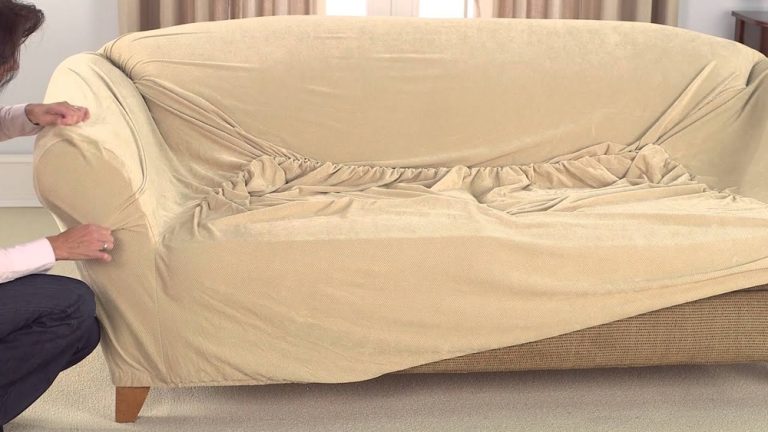
Sliding usually starts when the cover is too large, too smooth, or too short on the seat. The fix is not one trick. Use elastic edges, straps, foam anchor strips, and the right size or shape match so the cover grips the sofa instead of skating across it when someone sits down.
Elastic edges and straps
Elastic edges help the cover cling around the base of the sofa, while straps add hold under the frame. Foam anchor strips are useful because repeated sitting can pull even a well-made cover out of place. A strap system works best when it stays hidden and tight enough to matter.
- Match the opening size. Check seat width, arm width, and sofa shape before buying. Measure width, depth, back height, arm width, chaise length, and recliner locations, because a poor size match is the fastest path to sliding.
- Check the seat depth and arm shape. Make sure the cover reaches far enough across a deep seat and around the arm profile. Round arms, boxy arms, and tight arms all change how the fabric settles and where it can slip.
- Tuck the seat edge. Push fabric into the gap between seat cushion and backrest, then smooth the front edge under the cushion lip. This reduces the pull that happens when someone sits or stands.
- Anchor underneath. Use straps, clips, or foam strips if the cover includes them. The goal is to stop the cover from migrating toward the front edge or arms during use.
Foam tucks and anchor strips
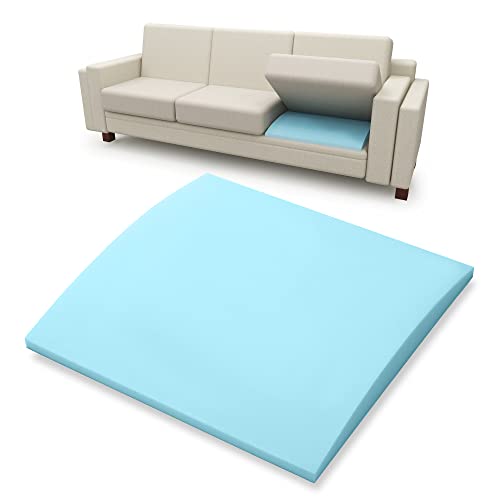
Foam anchor strips create pressure inside the seams and gaps so the cover stays tucked. They work best when you insert them deep enough that the cushion pushes back against them, not just on the surface. Foam tucks are especially useful on sofas with loose cushions or wide gaps between seat and back.
For a three-seat sofa with a deep seat and a wide arm, the fit can still need foam strips to stay centered if the upholstery is slick or the cushions shift often. That is why a good size range alone is not enough.
Fit checks for seat width and sofa shape
Seat width is only the first check. Sofa shape matters too. Round arms, boxy arms, tight back cushions, and chaise sections all change how the cover sits and where it can slip. A cover can be technically “close enough” in width and still fail at the arm or back edge.
For recliners and sectionals, check the moving parts separately. A cover that fits the main seat can still fail if the footrest area or a recliner handle leaves an opening where liquid can run through.
Sectional sofa coverage
A sectional needs module-by-module coverage, not one vague size guess. Check chaise orientation, console width, and recliner locations before buying, then plan for each seat or movement zone on its own. That keeps seams aligned and reduces the open gaps where spills can slip under a single oversized panel.
Chaise orientation
Start by identifying whether the chaise sits on the left or right side when you face the sofa. That determines how the cover drapes and where the longest panel must land. If the chaise side is wrong, the cover may twist, bunch, or leave the sitting surface exposed.
Console width
On sectionals with a center console, measure that section separately. A console changes how the cover bridges between modules, and liquid can pool at the top seam if the fit is too loose. The best setup leaves the console covered without pulling the adjacent seats out of shape.
Recliner locations
Recliner seats need clearance for the moving back and footrest. A full slipcover can block movement or pull free when the seat opens. In that case, separate pieces or a protector pad may work better than a single full cover because they protect the sitting surface without fighting the mechanism.
Sofa spill checklist
This checklist helps you choose the right protection based on the spill source and the speed of cleanup. The best answer changes with the liquid type, since tea, wine, and pet accidents behave differently once they hit the fabric. Use it as a quick decision matrix: if the sofa is a frequent-use seat, the spill is common, and the household includes kids or pets, a full cover is usually the strongest choice; if the risk is concentrated in one spot, a throw or pad can be the better fit.
| Common spill source | Fastest response time target | Best protection type | Likely failure point | Use cover, throw, or pad? |
|---|---|---|---|---|
| Tea / coffee | Within 30 seconds | TPU-backed waterproof cover | Front seam or arm crease | Cover |
| Juice | Within 30 seconds | Waterproof cover with sealed seams | Seat gap between cushions | Cover |
| Wine | Within 15 to 30 seconds | Waterproof throw with barrier backing | Loose throw edges | Throw |
| Water | Within 1 minute | Water-resistant or waterproof layer | Sliding on smooth fabric | Throw |
| Oily food | Within 1 minute | Quilted waterproof cover | Surface stain spread | Cover |
| Muddy paws | Within 1 minute | PUL-backed pet cover | Arm top and seat edge | Cover |
| Pet accidents | Within 15 seconds | PUL or TPU-backed protector | Seams and cushion gaps | Pad |
| Baby bottles | Within 30 seconds | Waterproof cover with non-slip backing | Front edge pooling | Cover |
| Condensation | Within 1 minute | Waterproof throw or pad | Surface slickness | Throw |
| Damp clothing | Within 1 minute | Water-resistant or waterproof layer | Armrest contact area | Throw |
How do you clean a waterproof sofa cover?
Clean-up starts with removing the spill fast, then washing the cover the right way so the barrier layer lasts. Blot first, wash in cold water with mild detergent, and dry coated layers by hanging them rather than using high heat. These steps help keep the backing stable and reduce wear at the seams.
Blotting and first response
Blot the spill with a dry cloth or paper towel before it spreads. Do not rub hard, because rubbing can push liquid toward a seam or into the weave on the top fabric. If the spill is sugary or oily, keep blotting until the surface no longer feels tacky.
- Lift the liquid first. Press a clean towel onto the spill and remove it without dragging. Repeat with a fresh dry section until the surface looks clear.
- Check the seams. Feel along the stitching, cushion gap, and front edge. These are the usual leak paths, so checking them early tells you whether the spill stayed on the surface.
- Remove the cover promptly. If liquid reached the top fabric, take the cover off before it dries in place. That reduces staining and makes the wash cycle more effective.
Cold wash and mild detergent
Most coated or barrier-backed covers do better in cold water with a mild detergent. Hot water can stress some backing layers and can shorten the life of elastic or stitched edges. Use the lightest cycle that removes the spill, then avoid bleach unless the care label specifically allows it.
A common first-time mistake is washing a coated cover on a hot cycle because the spill was oily. The heat can make the backing less stable and may also distort the fit, which then makes sliding worse after reinstallation.
Hang drying coated layers
Hang drying is the safer choice for coated layers, especially when the cover uses TPU or another barrier film. High heat can affect the backing and the fit. Let the cover air dry fully before putting it back on the sofa so trapped moisture does not sit against the cushion.
If the top fabric is quilted polyester, it usually dries well on a line or rack. Check that the backing is no longer cool or damp to the touch before reinstalling it.
What to use on leather and pet-prone sofas
Leather needs protection that does not trap moisture or create a slippery seat surface. A waterproof throw can work on leather if it has a quiet, grippy backing and does not hold dampness against the hide. For pet accidents, a TPU or PUL-backed pad often works better than a full wrap because it protects the trouble spot without covering the whole seat.
Waterproof throw on leather
Yes, you can use a waterproof throw on a leather sofa if it stays in place and allows airflow around the edges. Look for non-slip backing or anchor details so the throw does not skate across the leather. A throw is useful on leather because it protects the surface without forcing the whole sofa into a full enclosure.
Skip thick plastic-feel layers that trap heat or make the seat overly slick. On leather, grip matters almost as much as liquid resistance.
Pet accidents and odor control
For pet-prone sofas, the quickest win is a barrier layer that blocks liquid before it reaches foam. TPU or PUL backing helps here, and the cover should be easy to remove for washing. If the spill reaches the cushion, odor control gets harder because the foam can hold moisture longer than the surface fabric.
When a protector pad beats a full cover
A protector pad makes more sense when the spill risk is concentrated in one zone, such as a favorite pet spot or a child’s usual seat. It gives targeted coverage without changing the whole sofa’s feel. For recliners, sectionals, or leather seats that move often, a pad can be easier to keep aligned than a full slipcover.
Frequently asked questions
What should I check before buying a waterproof sofa cover?
Check seat width, seat depth, arm shape, back height, and any special sections such as a chaise or recliner. Then look for a barrier backing, sealed seams, and a fit system that includes elastic, straps, or anchor strips. If the opening is wrong, the cover is more likely to slip or leak.
Are waterproof sofa covers really 100% leakproof?
Not in every situation. A barrier-backed cover can stop liquid on the surface, but seams, gaps, folds, and poor fit can still let spills through. A better buying rule is to look for sealed seams, the right size, and anchor details, then treat the cover as highly protective rather than magically perfect.
What is the best option for pets and kids?
For pets and kids, choose a TPU-backed or PUL-backed cover with non-slip support and a washable top layer. A full cover is best when spills are frequent, while a pad works well for one high-risk seat. The safest setup is the one that blocks liquid and stays in place.
How do I waterproof furniture for everyday use?
Use a waterproof cover, throw, or protector pad with a true barrier layer, then make sure it fits tightly enough to stay put. Add a water-repellent spray only as a backup on fabric pieces, not as the main defense. The goal is to keep liquid on the surface until you can blot it.
How do I waterproof outdoor furniture?
Choose outdoor-rated covers or protectors that are made to handle weather exposure, then make sure the fit covers the top surfaces and the edges that collect runoff. For patio cushions, the main priority is blocking rain and drying quickly after exposure so moisture does not stay trapped underneath.
How do I stop a waterproof sofa cover from sliding?
Choose the right size, then use elastic edges, straps, and foam anchor strips if the cover includes them. Sliding usually comes from a loose fit or a slick seat surface. Measure the sofa shape carefully, especially the seat width, chaise side, and arm width.
What material is best for a waterproof sofa cover?
TPU-backed and PUL-backed covers are the strongest choices for liquid blocking with better comfort than vinyl. TPU is often quieter and more breathable, while PUL is common in pet-focused protection. Quilted polyester works well as the top fabric when you want softness over the barrier.
Can I use a waterproof throw on a leather sofa?
Yes, as long as the throw has enough grip and does not trap moisture against the leather. Non-slip backing helps, and a lighter pad or throw is often easier to keep in place than a full cover. Avoid slick backing that moves every time someone sits down.
How do I clean a waterproof sofa cover after a spill?
Blot the spill right away, remove the cover if liquid reached the top layer, and wash it in cold water with mild detergent when the care label allows. Hang drying is safer for coated layers because high heat can affect the barrier and the fit.
Products related to this article
Sponsored / affiliate links. As an Amazon Associate I earn from qualifying purchases. I may earn additional commission from eligible campaigns.