Best Drawer Slides for Heavy Drawers: we compared
For heavy drawers, I usually start with full-extension ball-bearing slides rated for at least about 1.5× the loaded drawer weight. Use 2-inch-wide side-mount or undermount heavy-duty slides only when the cabinet and drawer box are stiff enough. Undersized slides sag, bind, and fail early, which can crack drawer boxes and dump tools or files. This guide shows which slide type fits kitchens, shops, garages, RVs, and file drawers, plus how to size, mount, and avoid paying for more capacity than you need.
This guide is part of our Chairs guide: types, buying and care series.
Quick comparison
| Product | Badge | Best for | Price | ||
|---|---|---|---|---|---|
 |
Blum 769.6860S Blum B769.6860S Movento Heavy Duty 27 InchBlum | Our pick | 27 in · 170 lb · Soft Close | View | |
 |
Accuride C 3832-C20P 3832 Series – 20" Full ExtensionAccuride | Also great | 20 in · 100 lb · Ball Bearing | $46.77
Price as of 29 Sep 2026
|
View |
 |
OXRAIL 21 Inch Undermount Drawer Slides Soft Close 1 Pair,OXRAIL | Budget pick | 21 in · Soft Close · $29.99 | $29.99
Price as of 29 Sep 2026
|
View |
 |
2 Pack Replacement Drawer Slide Rear Mounting Bracket,MOUWBRIF | Pair with it | Hettich replacement brackets | $12.99
Price as of 29 Sep 2026
|
View |
This is the fastest way I use to narrow the field by use case, not by catalog number alone. The best choice changes with drawer depth, side clearance, and whether the drawer sees daily abuse or occasional static storage.
How we chose
The decision filter is load rating against real use. A slide that survives a bench drawer may fail in a kitchen because people slam it, lean on it, and load one side harder than the other.
Extension and access matter next. Full-extension usually earns its keep on deep drawers because it cuts down on digging and keeps weight closer to the cabinet opening, where loading feels less awkward.
Clearance, install tolerance, finish, and serviceability finish the job. A heavy-duty slide that needs perfect alignment or rusts in a damp garage can be the wrong buy even if the rating looks excellent on paper.
Load rating versus real use
Weight capacity is listed per pair, not per slide, and it is usually a static rating. Real drawers create dynamic load from stopping, slamming, diagonal pulls, and side loading, so a safety margin matters. For heavy kitchen drawers, 1.5× the expected filled weight is a practical baseline, and going closer to 2× can be wiser for files, tools, and cookware.
Extension and access
Full-extension lets the drawer clear the cabinet opening so the rear contents are reachable without prying. Partial-extension slides can work on shallow utility drawers, but they become frustrating and can concentrate load near the front when users pull harder to reach the back.
Clearance and install tolerance
Side-mount ball-bearing slides need side clearance, while undermounts need exact drawer-box geometry and often a bottom groove. If the cabinet opening is tight or the drawer box is slightly out of square, the slide with more tolerance usually wins because misalignment is a common failure trigger.
Finish and corrosion resistance
Zinc-plated steel is common and fine for most indoor use. Stainless steel is the better pick for humid kitchens, basements, garages, and RVs where condensation, spills, or salt air can shorten the life of plated hardware.
Serviceability and failure risk
Side-mount hardware is easier to replace, adjust, and source later. Undermounts look cleaner and often add soft-close convenience, but they are less forgiving during installation and may require a more exact drawer box. Center-mount slides are usually a poor fit for truly heavy drawers because they carry load from one center line and are more prone to racking.
Heavy-duty side-mount ball-bearing slides: best for most heavy drawers
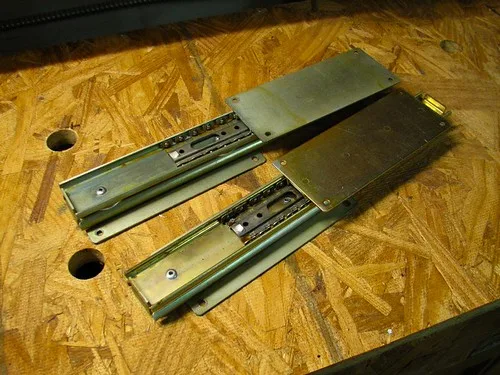
For most heavy drawers, heavy-duty side-mount ball-bearing slides are the safest default because they combine straightforward installation, good load capacity, and easier service later. They handle kitchen pots, shop tools, and utility drawers well as long as the cabinet and drawer box are stiff and the pair is mounted square.
Weight ratings, extension options, and side clearance
These slides are often sold in roughly 100 lb, 150 lb, and higher per-pair ratings, with full-extension and partial-extension versions. Full-extension usually earns its place on deep drawers because the rear load becomes easier to reach, but it also puts more stress on the slide arms at maximum extension, so the cabinet and fasteners need to be solid.
Side-mount slides often need around 1/2 inch of clearance per side, though exact requirements vary by model. Length options often track common drawer depths such as 14, 16, 18, 20, and 22 inches, and the slide length should generally match the drawer box depth rather than only the cabinet opening.
Where they fail first: racking, side-load binding, and screw tear-out
The first failures are usually not broken ball bearings. They are racking from an out-of-square drawer box, side-load binding when someone yanks from one corner, and screw tear-out in particleboard or soft plywood. A higher rating does not fix weak joinery or crooked mounting.
In kitchen use, the slide is often fine while the drawer box fails. That is why stiff drawer sides, decent screw bite, and full support under heavy contents matter as much as the catalog load number.
Undermount slides: best for a hidden, clean look
Undermount slides suit builders who want hidden hardware, smoother appearance, and often soft-close convenience. They can carry serious weight, but the drawer box has to be built to the slide’s geometry, and the install tolerance is tighter than with side-mount hardware.
Bottom-groove compatibility and drawer-box thickness
Most undermount systems rely on a bottom groove or matching rear hardware, so the drawer box must be designed for that slide family. Drawer box thickness also matters because thin sides can flex under load and throw the alignment off, especially in a heavy kitchen drawer that gets pulled hard every day.
Undermounts are less forgiving of sloppy saw work. If the groove location, bottom flatness, or rear socket position is off, the drawer may bind or the slide may not catch cleanly during closing.
Soft-close options and access tradeoffs
Soft-close is common on undermount slides and helps prevent slamming on loaded drawers. The tradeoff is added mechanism complexity, which can mean more sensitivity to dirt, misalignment, or a drawer that is overloaded at the front edge. On very heavy drawers, soft-close can feel slow if the spring and damper are tuned for lighter cabinet loads.
Hidden hardware is attractive in kitchens and furniture, but service access is worse. When something goes out of adjustment, undermount systems can take longer to diagnose than a side-mount slide with visible rails and straightforward screw locations.
When undermounts are worth the extra setup
Choose undermounts when the look matters, the drawer box can be built to spec, and the load is heavy but controlled. They are a strong fit for premium kitchen drawers, dressers, and built-ins where appearance matters more than easy future replacement.
Locking and detent slides: best for RVs and moving furniture
Locking and detent slides help keep drawers where they belong when the cabinet moves, the floor slopes, or the vehicle shakes. They are the right specialty choice for RVs, mobile furniture, and some tool carts because they reduce drawer creep and improve load stability in transit.
Hold-in, hold-open, and drawer creep control
Hold-in detents keep the drawer from drifting open on their own. Hold-open features keep the drawer from closing unexpectedly while loading or unloading. In a moving application, those functions matter because even a small creep can let contents shift, which increases wear and can damage the slide over time.
How locking changes load stability on the road
Locking slides are not only about convenience. They reduce shock loads caused by a drawer sliding under vibration, which lowers side-load binding and helps protect latches, fronts, and fasteners. For mobile furniture, that extra retention is often worth more than a higher raw weight rating.
Decision table by drawer use case
The safest slide type depends on the drawer’s real load, depth, and available clearance. This table maps common use cases to the minimum sensible choice, plus the failure mode that usually shows up first when the hardware is wrong.
| Use case | Approx. filled weight | Drawer depth | Clearance | Safest slide type | Minimum rating | Common failure mode |
|---|---|---|---|---|---|---|
| Kitchen pots and pans | 40–80 lb | 18–22 in | About 1/2 in per side for side-mount; exact groove fit for undermount | Full-extension side-mount ball-bearing or full-extension undermount | 100 lb per pair | Sagging front, screw pullout, noisy binding under diagonal pulls |
| Tool drawer | 60–120 lb | 20–24 in | Side clearance that matches the rail spec; stiff cabinet sides | Heavy-duty side-mount ball-bearing | 150 lb per pair | Racking from uneven loading, ball wear, drawer box split at front corners |
| File drawer | 40–90 lb | 18–22 in | Standard side clearance or matched undermount groove | Full-extension side-mount or undermount with soft-close | 100 lb per pair | Premature wear from repeated full extension and slam closure |
| Garage storage | 50–100 lb | 16–24 in | More tolerant on side-mount; corrosion resistance matters | Zinc-plated side-mount or stainless where dampness is routine | 100–150 lb per pair | Corrosion, gritty travel, fastener loosening |
| RV or mobile furniture | 20–60 lb | 14–20 in | Exact install plus retention hardware | Locking or detent side-mount, sometimes undermount with latch | 100 lb per pair | Drawer creep, latch failure, shock loading in transit |
Blum 769.6860S Movento: best for premium hidden heavy drawers
This is for builders who want a concealed, premium drawer system and are willing to build around the hardware. Based on the spec sheet and owner feedback, the 170 lb rating, full-extension design, and integrated soft-close make it a strong choice for heavy kitchen drawers where appearance matters.
The drawback is the setup cost in precision. Undermount systems like this depend on accurate drawer-box thickness, groove placement, and alignment, so they are less forgiving than side-mount slides if the cabinet is out of square or the drawer box is slightly off.
Accuride 3832 series: best for serviceable heavy side-mount drawers
This is the practical pick for a heavy drawer that needs straightforward installation and easy future replacement. The 100 lb steel ball-bearing rating, full extension, hold-in detent, and cam adjustment make it well suited to shop cabinets, utility storage, and many kitchen retrofit jobs.
The drawback is that it is still a 20-inch slide, so it is not the right answer for every deep cabinet. It also does not hide the hardware, and the listed capacity is lower than premium 150 lb-plus options, so very heavy tool drawers may need something stronger.
OXRAIL 21-inch undermount: best for budget hidden soft-close installs
This fits readers who want a lower-cost undermount slide with soft-close and a mounting kit included. Based on the spec sheet and reviews, the cold-rolled steel and zinc-plated finish make it attractive for kitchen or dresser builds where the drawer box is already designed for a bottom-mount system.
The drawback is installation sensitivity. Undermount hardware like this depends on the correct groove, rear support, and drawer-box dimensions, so it is less forgiving than a side-mount slide when the build has small errors.
MOUWBRIF rear mounting brackets: best for repairs and compatibility fixes
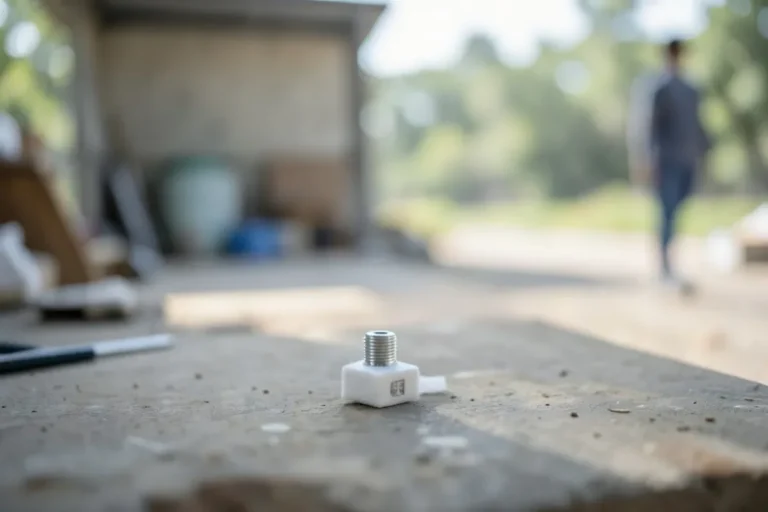
This is a niche repair part rather than a full slide choice. It is useful when a compatible rear mounting bracket is needed for certain Hettich cabinet drawer setups, especially when the original support is damaged or missing and the rest of the slide system is still serviceable.
The drawback is obvious: it does not solve a bad slide choice or a weak drawer box. It is a support part, and its usefulness depends entirely on existing hardware compatibility.
Which one should you buy?
For heavy kitchen drawers, choose a full-extension side-mount ball-bearing slide if you want the safest mix of strength, serviceability, and tolerance for imperfect cabinets. Choose a premium undermount only when hidden hardware matters enough to justify tighter build requirements and slower adjustment.
For tool drawers and garage storage, side-mount ball-bearing slides are usually the better buy because they are easier to replace and less sensitive to dust, misalignment, and rough use. If the drawer carries dense metal tools, pick a rating with plenty of margin and make the drawer box stiff before chasing an even higher catalog number.
For humid spaces and corrosion resistance, stainless steel or at least well-finished zinc-plated steel is worth the extra attention. In garages, basements, and RVs, corrosion and grit often shorten life before load rating does.
If hidden hardware matters more than easy servicing, choose an undermount system only when the drawer box can be built to the slide’s groove and thickness requirements. If the drawer is simple, heavy, and likely to need future service, a visible side-mount slide is usually the better long-term buy.
Frequently asked questions
what drawer slides do i need
Match the slide type to drawer depth, side clearance, and loaded weight first. For heavy drawers, full-extension side-mount ball-bearing slides are the default starting point, while undermounts fit when the drawer box is built for them and appearance matters more than easy servicing.
which drawer slides are best
The best slide is the one that fits the load and the cabinet without forcing the build. For most heavy drawers, full-extension ball-bearing side-mount slides are the safest choice. For premium hidden installations, a quality undermount can be better if the drawer box is made to spec.
best drawer slides for heavy kitchen drawers
Heavy kitchen drawers usually do best with full-extension side-mount ball-bearing slides or a well-built undermount system if the cabinet is designed for it. The key is not the highest catalog rating, but enough margin for pots, cookware, and repeated daily slamming.
diy heavy duty drawer slides
DIY installs go best when the slide is forgiving and the measurements are simple. Side-mount ball-bearing slides are usually easier for homeowners because alignment is more visible, replacement is easier, and the side clearance is more predictable than with hidden undermount hardware.
How much weight can drawer slides hold?
Drawer slides are rated per pair, and common heavy-duty ratings range from about 100 lb to 150 lb or more per pair. That figure is usually static, so a realistic choice should include a safety margin for dynamic loading, side pull, and repeated use.
What length drawer slides do I need for a heavy drawer?
Choose a slide length that closely matches the drawer box depth, not just the cabinet opening. Common lengths run from 14 to 24 inches. Full-extension slides are usually the better choice for heavy drawers because they give better access and reduce the need to overpull the drawer.
Should I choose side-mount, under-mount, or center-mount slides?
Side-mount is the best default for heavy drawers because it is easy to service and tolerant of normal DIY variation. Undermount is the cleanest visually but demands more precision. Center-mount is usually better for lighter drawers, since it is less stable under high side loads.
Are full-extension slides better for heavy drawers?
Usually yes. Full-extension gives access to the rear of a deep drawer and makes loading easier, which matters in kitchens and shops. The tradeoff is slightly more stress at full open, so the slide, screws, and drawer box must all be strong enough.
Do I need soft-close slides for a heavy drawer?
Soft-close is helpful, but it is not mandatory. On heavy drawers, it reduces slam force and can extend hardware life, but it also adds mechanism complexity and may need more maintenance. For rough utility drawers, a strong non-soft-close slide can be the better long-term choice.
How do I measure drawer slide clearance and setback?
Measure the drawer box width, cabinet opening width, and available side space before buying. Side-mount slides typically need about 1/2 inch per side, while undermounts need the exact clearance and groove positions specified by the hardware. Rear clearance matters too, especially on full-extension installs.
Products related to this article
Sponsored / affiliate links. As an Amazon Associate I earn from qualifying purchases. I may earn additional commission from eligible campaigns.