Best Holiday Cookware for Beginner Hosts (2026): We Compared
A common starter kit for beginner hosts is a 5-piece set: one roasting pan, one 5- to 6-quart Dutch oven, one 12-inch skillet, one sheet pan, and one saucier or saucepan. Buy less, and you risk crowding the oven, uneven sides, and a last-minute scramble for the right size. This guide matches each piece to holiday tasks, guest count, storage limits, and the few smart add-ons worth considering.
Quick comparison
| Product | Badge | Best for | Price | ||
|---|---|---|---|---|---|
 |
T-Fal Ultimate Hard Anodized Nonstick Pots and Pans Set 17T-Fal | Our pick | 17 pc · hard anodized · nonstick | $179.99
Price as of 26 Nov 2026
|
View |
 |
Cuisinart Chef’s Classic Stainless Steel Pots and Pans SetCuisinart | Also great | 11 pc · stainless steel · induction ready | $116.79
Price as of 26 Nov 2026
|
View |
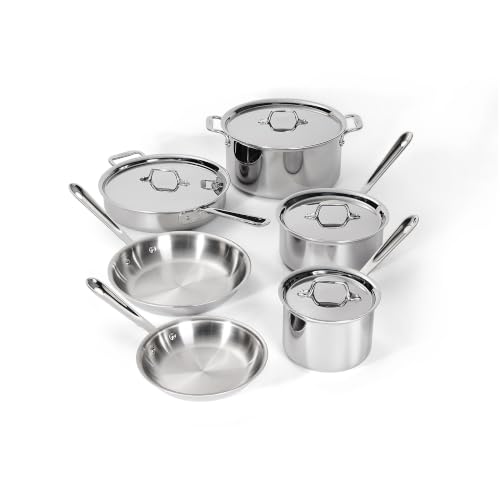 |
All-Clad D3® Stainless Steel Cookware SetAll-Clad | Upgrade pick | 10 pc · stainless steel · induction compatible | $799.95
Price as of 26 Nov 2026
|
View |
 |
Enameled Cast Iron Dutch OvenUmite Chef | Budget pick | 5QT · enameled cast iron · cream white | $35.99
Price as of 26 Nov 2026
|
View |
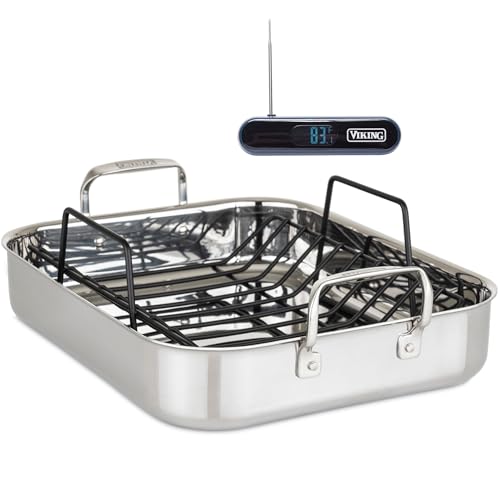 |
Viking 3-Ply Stainless Steel Roasting Pan with Non StickViking | Pair with it | 16 x 13 in · stainless steel · with rack | $159.99
Price as of 26 Nov 2026
|
View |
A beginner host needs cookware that covers main dishes, side dishes, sauce work, and cleanup without filling every cabinet. The best choices below are split by task, not by package size.
For most first-time hosts, the right answer is a small core set plus one or two standalone pieces that solve holiday bottlenecks.
How we chose
The shortlist focuses on pieces that do holiday work: searing, simmering, roasting, baking, and moving food from stove to table. It also favors cookware that fits a small kitchen and avoids buying duplicate sizes you will not use often.
Priority went to items that match common holiday tasks, have clear oven or stovetop limits, and make sense for a beginner host who may also cook daily meals. Storage, cleanup, and failure risks such as warping or coating damage mattered too.
Holiday cookware priority matrix
| Cookware piece | Holiday use case | Must-have spec | Avoid if | Priority level |
|---|---|---|---|---|
| Skillet | Searing vegetables, sautéing aromatics, frying eggs, finishing sides | Heavy base, comfortable handle, oven-safe if you want broiler finishing | You already own a dependable everyday skillet that heats evenly | Buy first |
| Saucepan | Gravy, cranberry sauce, glazes, small sides, reheating liquids | Snug lid and straight sides for simmering | You only cook one-pan meals and never make sauces | Buy first |
| Stockpot | Soup, stock, cider, mashed potatoes, batch cooking for crowds | Large capacity with lid and handles that feel stable when full | You host tiny groups and have no storage for a tall pot | Buy first |
| Sheet pan | Roasting vegetables, toasting bread, reheating sides, catching drips | Thick construction that resists warping | Your oven space is already taken by casseroles and the main dish | Buy first |
| Roasting pan | Turkey, roast chicken, large roast, pan drippings for gravy | Room for airflow and a rack if you want drippings under the bird | You never cook large meat mains or have a toaster oven-only kitchen | Buy first for meat-focused hosts |
| Dutch oven | Braising, soups, bread, stews, one-pot holiday sides | Heavy lid and even heat retention | You need a lightweight pan for frequent lifting and storage is tight | Buy first or buy later, depending on menu |
| Casserole dish | Baked sides, stuffing, scalloped potatoes, transport to another home | Oven-safe shape with enough depth for layered dishes | You can only serve from stovetop pans and do not bake sides | Buy later |
| Oven-safe serveware | Bring-to-table casseroles, baked dips, holding warm sides | Marked oven-to-table use with handles that stay manageable | You already own serving dishes that tolerate oven heat | Buy later |
| Extra saute pan | Large sauce reductions, shallow braises, crowded stovetop jobs | Lid and high sides to reduce splatter | You do not cook multiple pans at once | Bypass for most beginners |
| Second specialty pan | Rare holiday overflow | Only if a specific dish needs it every year | You are buying it because the set looks complete | Bypass |
T-Fal hard-anodized nonstick set: best for easy cleanup
This 17-piece hard-anodized nonstick set suits beginners who want many holiday-capable pieces in one buy and prefer fast cleanup after a long meal. Based on the manufacturer’s specs, it includes a titanium non-stick coating and oven safety up to 400°F, which helps with stovetop-to-oven cooking.
It stands out for scratch resistance and a harder shell than thin aluminum cookware, which can help in a higher-traffic kitchen. The drawback is the set size itself: a 17-piece bundle can take more cabinet space than a beginner host wants, and nonstick still works best at medium heat at most.
If you buy this type of set, use silicone, wood, or plastic utensils and keep metal tools away from the coating. That matters because metal utensils can scratch coatings quickly, and nonstick cookware is not the right choice for every broiling or high-heat holiday finish.
Cuisinart stainless steel set: best for oven heat
This 11-piece stainless steel set fits a beginner host who wants one set that can move from stovetop to oven and handle a wider heat range than nonstick. Its published specs list induction readiness and oven safety up to 500°F, which is useful for recipes that finish hot or need a deeper brown crust.
The main advantage is flexibility. Stainless steel is a strong choice for sauces, searing, and holiday dishes that need higher heat than most nonstick coatings can tolerate. The drawback is cleanup: it usually asks more from you than nonstick when food sticks, so it is less forgiving for rushed cleanup after guests leave.
For a beginner host, this set makes more sense than a giant nonstick bundle if the menu includes broiling, roasting, or repeated oven use. It also works well when you want one cookware set for both everyday meals and holiday hosting.
All-Clad D3 stainless set: best for heavy use
This 10-piece set is for the beginner host who wants a premium stainless steel core that can stand up to frequent cooking and long oven exposure. The listed tri-ply construction supports fast, even heat, and the set is oven safe up to 600°F, which gives you more room for demanding holiday recipes.
The advantage is durability and heat control. A bonded build is less likely to warp than thin pans, and that matters when you are moving between burners and a hot oven. The drawback is cost: at $799.95, it is far beyond what most first-time hosts need to start.
If cabinet space and budget are both tight, this is more set than you need. A smaller starter set plus one good standalone pan usually makes more sense for a beginner household.
Umite Chef Dutch oven: best for braises
This 5QT enameled cast iron Dutch oven is the strongest single-piece buy for hosts who want one pot for braises, stews, bread, and rich side dishes. The published details point to even heat distribution, an airtight lid, and a smooth enamel glaze that wipes clean more easily than bare cast iron.
Its value is clear for holiday menus with short ribs, chili, or a make-ahead side that needs steady heat. The drawback is weight and storage: a heavy Dutch oven is not the easiest piece to move when full, and it is a poor fit if you need a light pan for quick weeknight use.
For beginner hosts, this is one of the best standalone pieces to buy before the holidays if the menu leans toward braising or one-pot sides.
Viking roasting pan: best for turkey
This 16 x 13 inch roasting pan is the most direct answer for hosts planning turkey or a large roast. The product details note a nonstick rack, capacity for up to a 25 lb bird, and a probe thermometer, so it is built around the main holiday task rather than general-purpose cooking.
Its strength is workflow. The rack helps air circulate under the meat, and the pan collects drippings for gravy. The drawback is narrow use: if you do not roast large mains, this is a bulky piece that sits unused for most of the year.
For a beginner host with a meat-focused menu, this belongs near the top of the list. For everyone else, it is a later purchase after the core everyday pans are covered.
Do you need a nonstick cookware set?
You do not need a nonstick cookware set for every holiday menu, but it is useful when cleanup speed matters and you want easy release for eggs, delicate fish, or sticky sides. Most nonstick coatings are rated for medium heat at most, and that limit matters more during holiday cooking than during a normal weeknight.
PTFE versus ceramic nonstick
PTFE nonstick is the common easy-release choice. Ceramic nonstick is positioned for cooks who want an option that avoids traditional nonstick coatings, but it usually needs more oil and gentler care, and it can lose performance faster if overheated.
If you choose either type, expect shorter life than stainless steel or hard-anodized cookware. A good nonstick pan should last 3-5 years with proper care, but only if you keep heat moderate and avoid metal utensils.
When nonstick makes sense
Nonstick cookware makes the most sense for the beginner host who wants a quick cleanup pan for breakfast, side dishes, or a pan sauce base. It also works well if you already own a separate roast pan or Dutch oven and just need one easy skillet.
A single nonstick skillet can be enough if you already own other basics. That is often a better buy than a full set, especially when storage space is limited.
Starter set vs standalones: what to buy first
For a beginner host, the best starter plan is usually a small set for daily cooking plus one or two standalone pieces that match the holiday menu. A well-rounded starter set can be 7-10 piece, while compact beginner sets can be 5-piece for small kitchens.
Storage space matters. If your cabinets are already full, a smaller set plus a roasting pan or Dutch oven is often smarter than a larger bundle with duplicate pans you will rarely use.
Quick picks
- Best all-around starter set: a 7-10 piece set with 2 skillets, 1-2 saucepans, and a stockpot.
- Best small-kitchen set: a 5-piece set that covers one skillet, one saucepan, one stockpot, and lids.
- Best single holiday add-on: a 5QT Dutch oven for braises, soups, and one-pot sides.
- Best turkey tool: a dedicated roasting pan with rack.
- Best cleanup-friendly skillet: one nonstick skillet if you already own the rest of the basics.
-
List your holiday menu first. If the meal includes turkey, gravy, casseroles, and a hot side, you need different cookware than a menu built around soup and bread. Match the pan to the dish before you look at bundle size.
-
Check oven and stovetop roles. Separate stovetop-only pans from oven-safe pieces. A pan that can finish under the broiler adds flexibility, while an oven-to-table dish can reduce transfers and cleanup.
-
Choose one core set size. A 5-piece set works for tiny kitchens, while a 7-10 piece starter set covers more holiday prep without a huge footprint. Skip large bundles unless you truly need the extra saucepans and lids.
-
Add one task-specific piece. Buy a roasting pan for a bird, a Dutch oven for braises, or a stockpot for soup and cider. One targeted purchase often beats three unused extras in a larger set.
Say your holiday menu includes roast chicken, gravy, and two vegetable sides. A skillet and saucepan will carry most of the work, but a roasting pan or Dutch oven becomes the bottleneck if you try to fit everything in one crowded oven.
A common first-timer mistake is buying a large set because it looks complete. A 17-piece bundle can still fail you if it does not include the right roasting piece or if the extra pans push you into cabinet chaos.
Skillet: best for everyday cooking
The skillet is the most-used piece for most beginners, and it belongs near the top of any holiday list. It handles sautéing, eggs, searing vegetables, and quick pan sauces, which makes it useful before guests arrive and after they leave.
In most starter sets, the skillet is one of the first pieces included, and that is sensible. If you only buy one pan outside a set, a single nonstick skillet can be enough if you already own other basics. A hard-anodized option is a strong middle ground because it resists scratches and warping better than thin aluminum.
The drawback depends on the finish. Nonstick skillets need medium heat, gentle utensils, and careful storage so the coating does not get scratched by stacked pans or metal tools.
Saucepan: best for sauces and sides
The saucepan is the holiday helper for gravy, cranberry sauce, glazes, and smaller side dishes. It is usually paired with a stockpot in starter sets, and the lid matters because simmering sauces need control, not splatter.
For beginner hosts, a saucepan is more useful than a second skillet if the menu includes multiple liquids or a make-ahead sauce. It also saves oven space, since gravy and sauce jobs stay on the stove while casseroles take the oven.
The drawback is capacity. If you try to force a large sauce into a small saucepan, you risk boil-overs and slower reduction.
Stockpot: best for soups and batch cooking
The stockpot is the right choice for soup, stock, cider, and other batch jobs common in holiday prep. It is also one of the most common starter-set pieces, often included with lids, because beginners need a tall pot for more than just water.
For a host, the stockpot is useful for feeding a crowd and for keeping one burner busy while other dishes finish elsewhere. It can support mashed potatoes, pasta for a side bake, or a large soup course without crowding the pan.
The drawback is storage and size. If you only host small groups, a stockpot may sit unused between holidays, so it is often better as part of a set than as a standalone impulse buy.
Which one should you buy?
If you are buying only one holiday piece, start with the item that solves your biggest menu problem. Roast turkey or a large main points to a roasting pan. Braises and one-pot sides point to a Dutch oven. Soup, cider, or batch cooking point to a stockpot.
If you want the best everyday cook plus holiday use, start with a skillet and saucepan, then add one specialty piece. If storage is very tight, choose a compact 5-piece set instead of a larger bundle, but only if it includes the skillet and saucepan sizes you will actually use.
If you already own a decent skillet and saucepan, a single standalone roasting pan or Dutch oven is often the smarter buy than another full set. That keeps your cabinets open and your workflow simpler.
How to choose the right material
Hard-anodized aluminum is a strong beginner option because it is more scratch-resistant and resists warping better than thin aluminum. It is also common in higher-traffic kitchens because it tolerates regular use better than lightweight pans that bow under heat.
Nonstick is worth buying when fast cleanup matters more than high-heat browning. Stainless steel is better when you want higher oven temperatures, stronger broiling tolerance, or a pan that can handle more abuse over time.
-
Match the coating to the heat. Use nonstick for medium-heat cooking and stainless steel or hard-anodized cookware for hotter jobs. That keeps coatings from overheating and reduces warping risk.
-
Match the pan to storage. If you have little cabinet space, buy fewer pieces with clearer jobs. A set that includes every size can still be a poor buy if it fills your shelves and duplicates pans you do not need.
-
Check utensil rules. Use silicone, wood, or plastic on nonstick surfaces. Metal utensils can scratch coatings quickly, which shortens the useful life of the pan.
-
Plan for cleanup. Hand washing usually helps cookware last longer than dishwasher use, especially for nonstick. If you choose ceramic nonstick, treat it gently and expect less tolerance for overheated use.
Frequently asked questions
What is the best holiday cookware for beginner hosts?
The best holiday cookware for beginner hosts is a small starter kit built around a skillet, saucepan, stockpot, and one holiday-specific piece such as a roasting pan or Dutch oven. That combination covers mains, sides, sauce work, and cleanup better than a large set with duplicate pans.
What cookware do I need for holiday hosting as a beginner?
You need the cookware that matches your menu, not a complete wall of pots. Start with a skillet and saucepan, then add a stockpot, roasting pan, Dutch oven, or sheet pan based on whether you are making soup, turkey, braises, or roasted vegetables.
What size cookware is best for holiday dinners?
For most beginner hosts, a 5-piece set is enough if the kitchen is small and the menu is simple. If you need more flexibility for sauces, sides, and multiple burners, a 7-10 piece starter set gives you more coverage without jumping to a huge bundle.
Do I need a nonstick cookware set for holiday cooking?
Not always. Nonstick helps with easy cleanup and delicate foods, but it works best at medium heat at most and needs silicone, wood, or plastic utensils. If your holiday menu includes broiling, high heat, or heavy oven use, stainless steel or hard-anodized cookware is often the better base.
What cookware pieces are worth buying before the holidays?
The most useful pre-holiday buys are a skillet, saucepan, stockpot, and one specialty piece for your main dish. For turkey, buy a roasting pan. For braises and make-ahead sides, buy a Dutch oven. For baked sides, a casserole dish is worth adding later if you use it often.
How many cookware pieces do I really need to start hosting?
Most beginner hosts can start with 5 to 7 useful pieces, especially if the set includes two skillets, one or two saucepans, and a stockpot. Anything beyond that should earn its place by solving a specific hosting task or fitting your cabinet space.
What is the best everyday cookware for beginners?
The best everyday cookware for beginners is usually a good skillet, a saucepan, and a stockpot, with hard-anodized aluminum or stainless steel as the most flexible materials. Those pieces cover breakfast, weeknight dinners, and holiday prep without demanding a lot of storage.
Can I use one cookware set for both everyday meals and holiday hosting?
Yes, if the set includes the right basics and you add one or two task-specific pieces for holidays. A 7-10 piece starter set can handle daily cooking, while a roasting pan or Dutch oven fills the holiday gap better than buying a large set full of rarely used extras.
What is the best everyday cookware?
The best everyday cookware is the set you will actually reach for: a skillet for most cooking, a saucepan for liquids and small sides, and a stockpot for bigger batches. Choose materials that fit your heat style and storage space, then add holiday-specific pieces only when your menu truly needs them.
Products related to this article
Sponsored / affiliate links. As an Amazon Associate I earn from qualifying purchases. I may earn additional commission from eligible campaigns.