Buffet Server vs Slow Cooker for Keeping Holiday Food Warm
Use a buffet server for shallow side dishes and a slow cooker for saucy or liquid-heavy foods; if you need one rule, choose a buffet server for about 2 to 4 separate dishes and a slow cooker for one large batch. Pick the wrong one, and food dries out, scorches, or sits in the unsafe temperature zone. This guide breaks down which holiday foods belong in each appliance, plus the dishes that are risky in either one.
| Decision factor | Buffet Server | Slow Cooker for Keeping Holiday Food Warm | Winner |
|---|---|---|---|
| Best use case | Several holiday sides served at once in covered pans or inserts | One large batch, usually a saucy side, soup, or dip | Buffet Server |
| Food shape fit | Shallow foods that need easy scooping and quick access | Deep, spoonable foods that hold moisture better | Tie |
| Temperature control | Depends on the model; better when each insert is kept covered and not overfilled | Keep-warm and programmable models can hold a steadier insert temperature | Slow Cooker for Keeping Holiday Food Warm |
| Counter footprint | Takes more horizontal space but replaces several serving bowls | Usually smaller for one dish, especially in 4.5 qt, 5 qt, or 7 qt sizes | Slow Cooker for Keeping Holiday Food Warm |
| Holiday menu flexibility | Better for mixed menus with sides, gravy, and a dip on the same line | Better for one item that needs long holding and periodic stirring | Buffet Server |
Matching vessel types to dish counts and moisture needs
The trade-off is plain: a buffet server holds several dishes at serving temperature, while a slow cooker holds one batch in a deeper vessel. For holiday spreads, the buffet server usually wins for variety, but the slow cooker often wins for moisture retention in one saucy dish.
What each appliance is built to hold
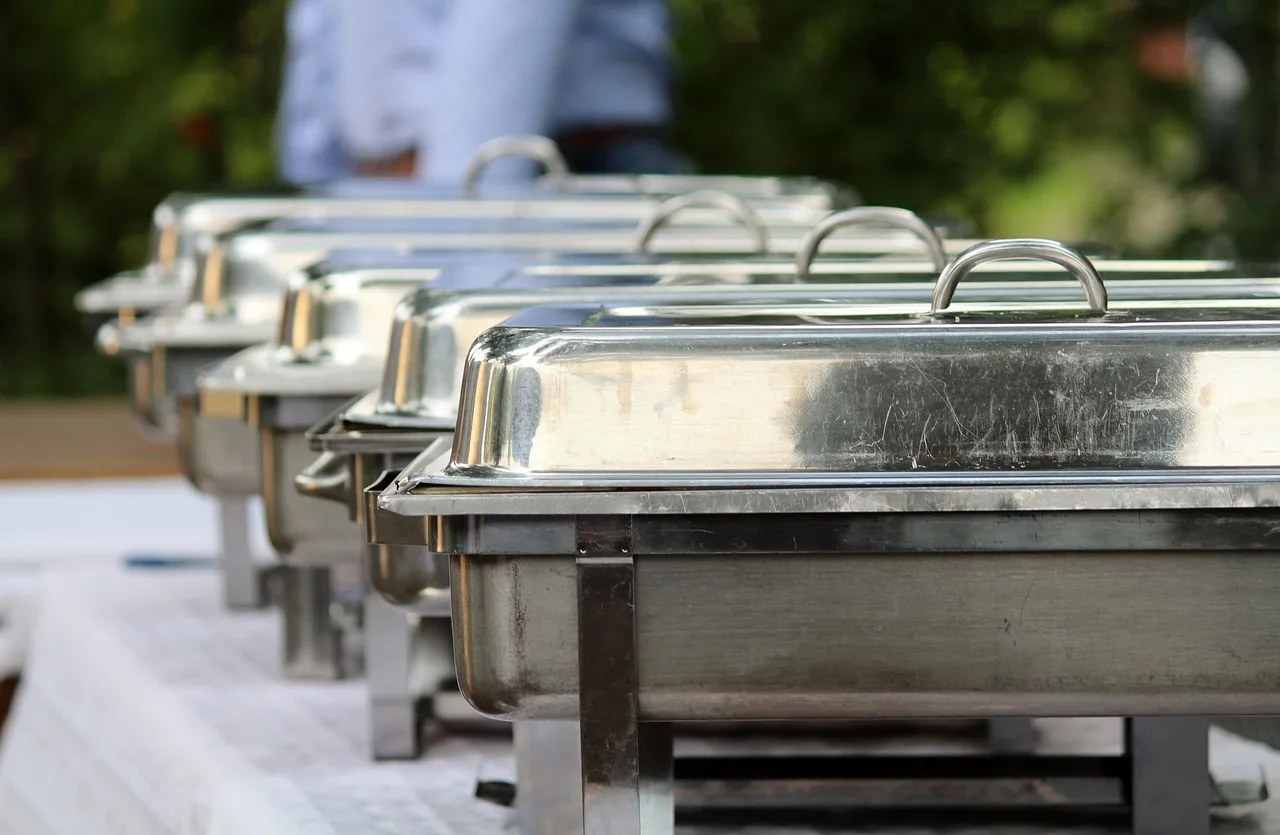
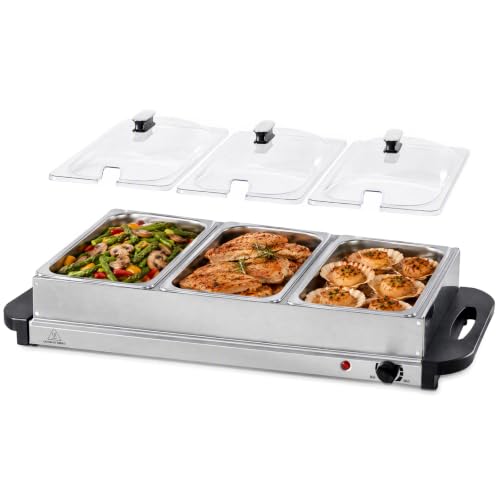
A slow cooker is an electric countertop appliance with a removable stoneware crock, and many holiday-friendly sizes appear in the 4.5 qt, 5 qt, 7 qt, 8 qt, and 8.5 qt range. Some models have programmable controls, some are manual, and some offer auto keep warm. A buffet server uses covered pans or inserts to keep multiple dishes ready for serving without open flame.
The core trade-off for holiday spreads
Use a slow cooker when the food benefits from depth, moisture, and one heat zone. Use a buffet server when you need to hold several sides together and keep guests moving through the line. The more separate bowls you would otherwise place on the counter, the better the buffet server looks.
Which appliance fits which holiday dish?
Dish shape matters more than brand. Thick mashed potatoes, gravy, and soups usually tolerate slow, enclosed holding better than baked casseroles with crisp tops or shallow vegetable sides, which can dry at the edges in a deep pot. Buffet servers fit foods that need quick serving access and light, even warmth across several pans.
Side dishes that hold better in a slow cooker
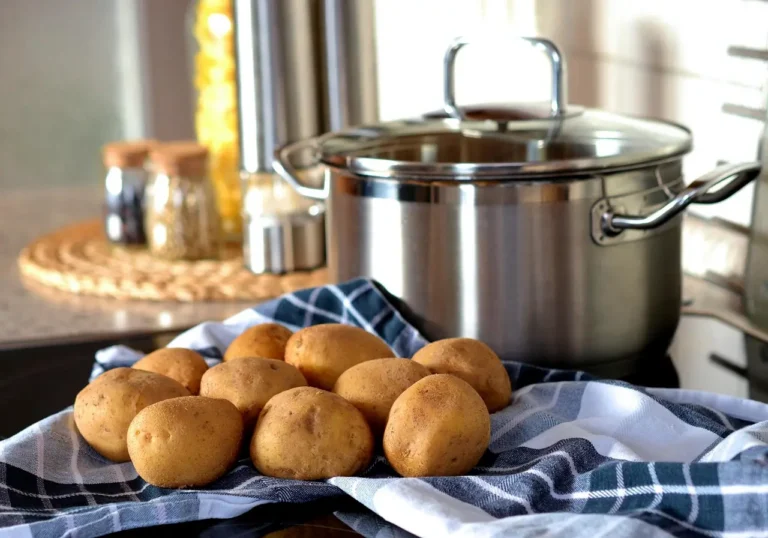
Mashed potatoes, gravy, soup, pulled meat, and cider are often a good match for a slow cooker on keep-warm mode. Their moisture helps buffer heat swings, and a stoneware crock keeps the center warm without forcing a thin layer to sit exposed. If the recipe is already thick, stir it before serving so the edges do not overcook.
Foods that do better in a buffet server
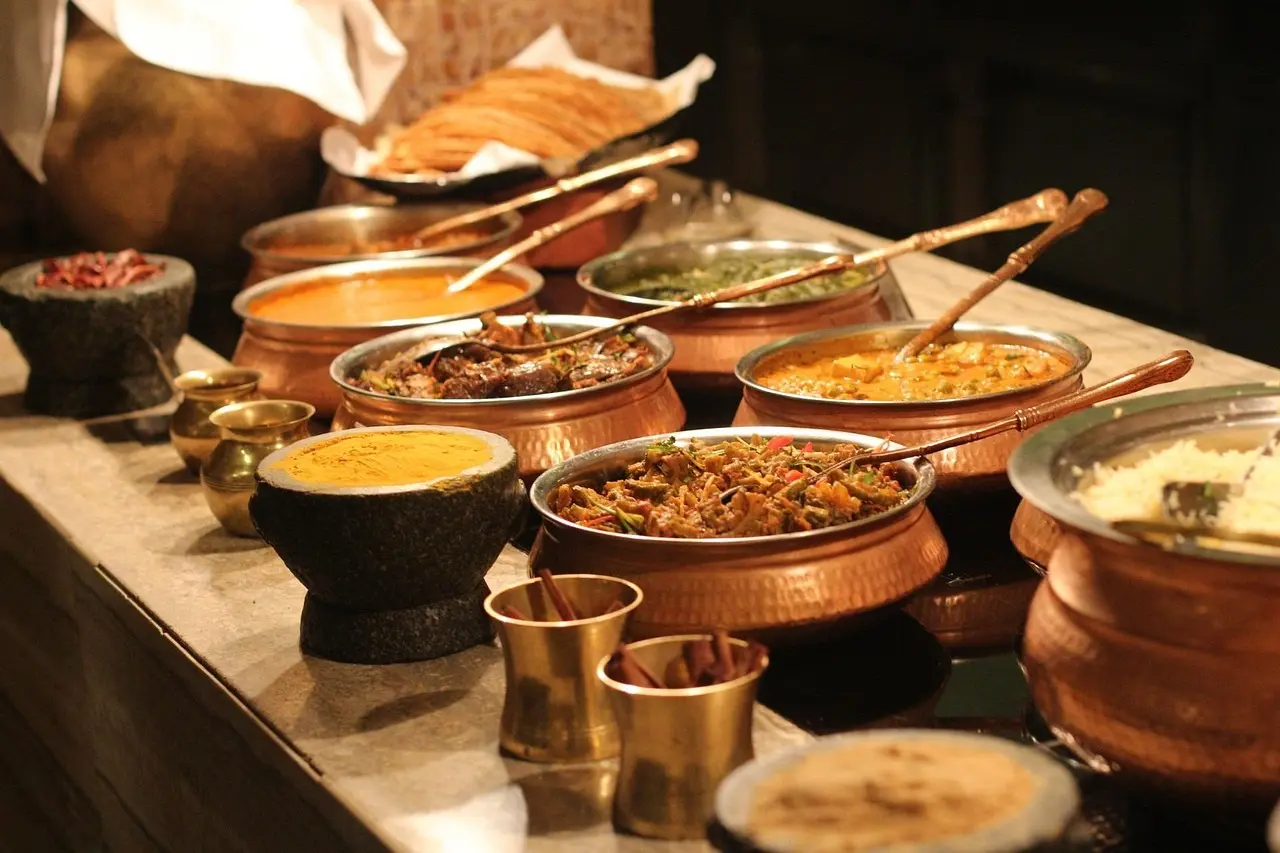
Stuffing, green bean casserole, mac and cheese, rolls, and vegetables often work better in a buffet server when you want several dishes out at once. These foods are often served in shallower layers, which makes them easier to scoop and replenish. A buffet server also keeps the line organized when the menu has multiple sides and one gravy boat.
Foods that need closer temperature control
Dip, mac and cheese, and mashed potatoes are the dishes most likely to suffer from too much heat. Dip can skin over, cheese sauces can split, and potatoes can thicken until they become gluey. These foods need either lower heat, more frequent stirring, or a wider, shallower surface that spreads the warmth more evenly.
How much food can each one hold?
The amount you can hold changes how fast food dries out and how often you need to refill. Slow cookers sold for home use commonly appear in 4.5 qt, 5 qt, 7 qt, 8 qt, and 8.5 qt sizes, with examples such as a Crock-Pot manual 7-quart slow cooker, a programmable 7-quart Hamilton Beach slow cooker, an 8-quart Hamilton Beach model, and an 8.5-quart Ninja multi-cooker. Buffet servers are less about one deep pot and more about how many pans they can hold at once.
Slow cooker capacity ranges
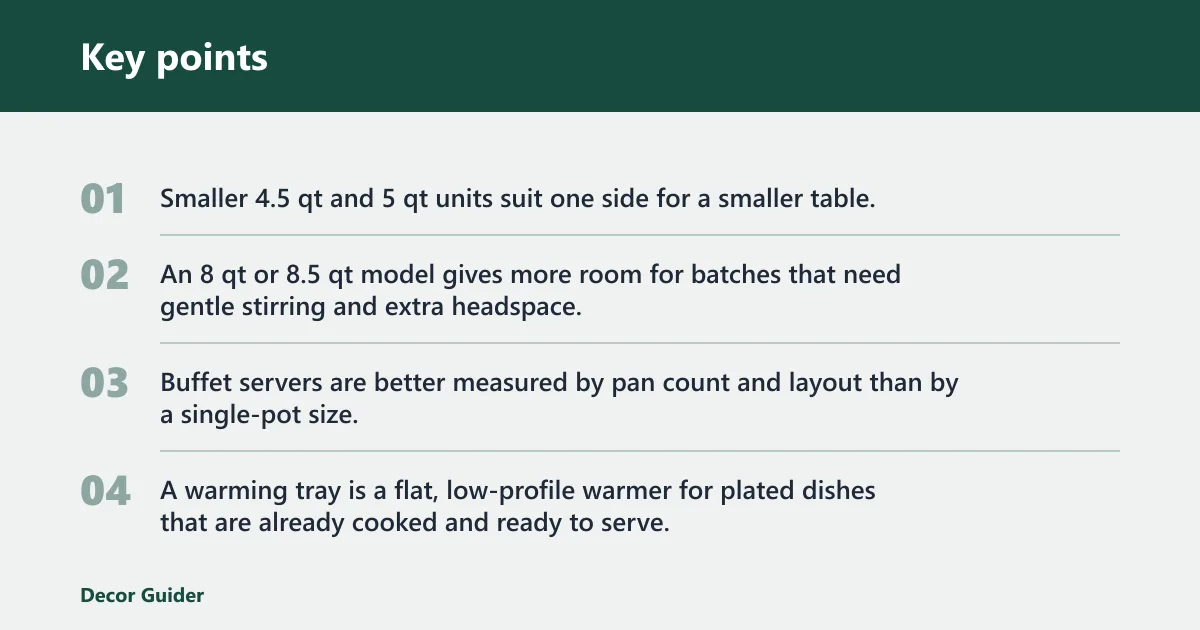
For holiday sides, 7 qt is often the practical middle ground when you want enough room for potatoes, stuffing, or a large dip without overfilling the crock. Smaller 4.5 qt and 5 qt units suit one side for a smaller table. An 8 qt or 8.5 qt model gives more room for batches that need gentle stirring and extra headspace.
Buffet server pan count and serving layout
Buffet servers are better measured by pan count and layout than by a single-pot size. The advantage is surface area: several covered inserts can hold different foods at the same time, so guests can serve themselves without opening one large vessel repeatedly. That cuts down on refills when the menu has multiple sides, but it also means each pan usually carries less food than a large crock.
When a warming tray or food warming mat makes more sense
A warming tray is a flat, low-profile warmer for plated dishes that are already cooked and ready to serve. A food warming mat is a space-saving alternative with adjustable temperature settings, and some models roll up for storage. Consumer Reports describes warming mats as a space-saving way to keep food warm for hours, says they do not use open flames, and notes that adjustable temperature settings matter for control. (Consumerreports)
How do they handle temperature control?
Temperature control is the main food-quality variable in holiday holding. Too much heat dries potatoes, thickens sauces, and creates edge-to-center temperature gaps. Too little heat lets food fall out of the safe serving range, especially in shallow pans or when the lid comes off often.
Keep-warm settings and programmable controls
Slow cookers with keep-warm settings are useful because they can shift from cooking to holding without a full restart. Programmable models give more control than manual ones, especially for long service where the food needs to hold steady after cooking ends. Some slow cookers also have removable stoneware crocks, and dishwasher-safe crock versions make cleanup easier.
Manual controls and heat consistency
Manual controls are simpler, but they usually give you less precision. That matters when you are holding a dish that thickens with time, such as mashed potatoes or mac and cheese. If the appliance has uneven hot spots, the edges can dry while the center still looks fine.
Edge drying, skinning, and overthickening
Food quality problems often show up in predictable ways. Gravy skins over when the surface sits too long uncovered; potatoes overthicken as starch keeps absorbing liquid; casseroles dry at the rim first; and dips can form a hard top. Stirring, covering, and adding a small amount of liquid when needed are the practical fixes.
Holiday warming matrix
This table gives a dish-by-dish decision guide for the foods most often placed on a holiday buffet. The best appliance depends on shape, moisture, and how long the food needs to sit before serving.
| Holiday food | Best appliance | Ideal hold setting | Likely failure mode | Serving-window recommendation |
|---|---|---|---|---|
| Mashed potatoes | Slow cooker for Keeping Holiday Food Warm | Keep warm, stirred before serving | Drying and overthickening | Best for a long service line with periodic stirring |
| Gravy | Slow cooker for Keeping Holiday Food Warm | Low keep warm, covered | Skinning over or scorching at the edge | Ideal for short-to-medium buffet service with stirring |
| Stuffing | Buffet Server | Low warm, covered pan | Drying on top | Best for guests serving themselves over a moderate window |
| Mac and cheese | Buffet Server | Low warm, covered, stir occasionally | Cheese sauce splitting or thickening | Use when it will be eaten soon after setting out |
| Green bean casserole | Buffet Server | Low warm | Top dries, edges overcook | Better for a serving line than a very long hold |
| Meatballs | Slow cooker for Keeping Holiday Food Warm | Keep warm in sauce | Sauce thickens, outer surface dries if uncovered | Works well for a long, saucy hold |
| Dip | Slow cooker for Keeping Holiday Food Warm | Low keep warm | Skinning over, separation | Best for a small group and frequent stirring |
| Rolls | Warming tray or food warming mat | Low surface warm | Dry crust, soft center mismatch | Hold briefly and keep covered |
| Cider | Slow cooker for Keeping Holiday Food Warm | Keep warm, lid on | Flavor loss if held too long uncovered | Good for extended service with a lid in place |
| Soup | Slow cooker for Keeping Holiday Food Warm | Keep warm or low | Edge scorching, evaporation | Best for a long serving window with stirring |
| Pulled meat | Slow cooker for Keeping Holiday Food Warm | Keep warm with a bit of cooking liquid | Drying if the sauce level drops | Good for self-serve sandwiches over several hours |
| Vegetables | Buffet Server | Low warm, covered | Soggy texture or edge drying | Best for shorter service and frequent turnover |
Why the matrix favors different dishes
Slow cookers favor foods with sauce, broth, or enough moisture to buffer heat. Buffet servers favor dishes that need to live in a shallow, visible pan on a serving line. The more delicate the texture, the more important the hold setting becomes.
Choose Buffet Server if… / Choose Slow Cooker for Keeping Holiday Food Warm if…
Choose a buffet server if you are serving about 2 to 4 dishes at once, want a neat buffet line, or need shallow pans for dishes like stuffing, mac and cheese, green bean casserole, or vegetables. Choose Slow Cooker for Keeping Holiday Food Warm if you have one main side or dip to hold for a long stretch, especially mashed potatoes, gravy, soup, cider, or pulled meat. If the menu is mixed, the winner can change by dish.
Choose Buffet Server if you need a multi-dish line
A buffet server is the better fit when the holiday table needs several sides open at once and guests will serve themselves in stages. It is also the cleaner choice when you want to avoid juggling multiple crocks and ladles. Covered inserts help reduce surface drying compared with open serving bowls.
Choose Slow Cooker for Keeping Holiday Food Warm if you need one strong hold point
A slow cooker is the better fit for one dish that benefits from depth and moisture. It is especially useful when the recipe already lives in a sauce or liquid and can be stirred during service. That is where keep-warm mode and a removable stoneware crock are most useful.
Choose a warming tray or food warming mat if space is tight
If counter space is tight and the food is already cooked, a warming tray or food warming mat can make more sense than a bulky buffet setup. The same source notes that food warming mats are space-saving, do not use open flames, and often have adjustable temperature settings. They are narrower tools, though, so they fit plated dishes and small spreads better than a full buffet line.

How long can food stay warm safely?
Practical holding time depends on the appliance, the starting temperature of the food, and how often the lid comes off. There is no single safe promise that fits every model or recipe. A buffet server is usually best for a service window measured in hours, while a slow cooker can also hold for hours if the food stays covered and is stirred as needed.
Practical serving windows for hot side dishes
For holiday service, treat both appliances as holding tools, not as a reason to leave food unattended all day. Foods with lots of moisture, such as soup or gravy, tend to tolerate longer holding better than casseroles and vegetables. Dry sides should move through the line faster or be replenished in smaller batches.
When to stir, cover, or refill
-
Cover the surface.
Keep lids on whenever possible. That reduces evaporation, slows skinning, and keeps the top layer from drying before the center finishes warming. -
Stir on a schedule.
Stir potatoes, gravy, soup, dip, and cheese sauces before serving and again during the hold if the texture starts to tighten. This evens out the temperature and reduces edge scorching. -
Refill in smaller batches.
Replenish shallow foods instead of loading one pan to the brim. Smaller refills heat more evenly and spend less time on the warmer. -
Watch texture changes.
If a dish gets thicker, drier, or forms a skin, lower the heat if possible and add a little liquid where the recipe allows. That matters more than chasing a higher setting.
Foods that should not sit too long
Mac and cheese, delicate vegetables, and rolls are the most likely to degrade in texture before they become unsafe. Their quality limit is usually reached before the appliance limit. Keep those foods on a shorter cycle and move them out quickly.
Is a buffet server better than a slow cooker for keeping food warm?
For a holiday spread with multiple sides, yes, a buffet server is usually the better fit. For one large batch of a moist dish, no, the slow cooker is often better. The right answer changes by dish type, but the buffet server is the stronger default when the menu includes several foods at once.
Can you use a slow cooker to keep mashed potatoes warm for a party?
Yes, and mashed potatoes are one of the most practical slow cooker hold foods, especially in a 7 qt, 8 qt, or similar size. Keep them on warm, stir before serving, and watch for thickening. Mashed potatoes are also the benchmark side dish Consumer Reports used in warming mat testing, which makes them a useful reference food for heat control.
How long can a buffet server keep holiday food warm safely?
A buffet server can keep holiday food warm for a practical serving window of hours, but the exact limit depends on the model, food depth, and how often you open the lids. Covered pans and moderate portions hold up better than shallow, uncovered food. Stir and refill as needed so the edges do not dry first.
What foods work best in a slow cooker on keep-warm mode?
The best slow cooker hold foods are saucy, spoonable, or liquid-heavy: mashed potatoes, gravy, soup, cider, pulled meat, meatballs in sauce, and many dips. These foods stay cohesive in a stoneware crock and tolerate the enclosed heat better than dry or crisp foods. A programmable model adds more control when service runs long.
Do buffet servers dry out food less than slow cookers?
Not usually. Buffet servers can dry out shallow foods faster if they are left uncovered or held too hot, while slow cookers can overthicken or scorch the edges of a single pot. The better question is which food shape matches the appliance, because temperature control and covering matter more than the appliance label alone.
What size slow cooker is best for holiday side dishes?
The best size depends on how many guests you are feeding and how much stirring you are willing to do. For holiday side dishes, the common sizes worth considering are 4.5 qt, 5 qt, 7 qt, 8 qt, and 8.5 qt. A 7-quart model is a practical middle point for most family-style sides.
Can I use a warming tray instead of a buffet server?
Yes, if the food is already cooked and plated, and you need a lower-profile warmer than a buffet server. A warming tray works well for rolls, plated sides, or a few covered dishes. It is narrower in purpose, though, so it does not replace a true multi-pan buffet setup for a full holiday spread.
Which is safer for a holiday buffet, a slow cooker or a buffet server?
Both can be safe when used correctly, but the safer choice is the one that matches the food. A slow cooker is often safer for one wet dish because it holds temperature more evenly in a covered crock. A buffet server is safer for a multi-dish buffet because it reduces transfer into separate bowls and keeps serving organized.
Products related to this article
Sponsored / affiliate links. As an Amazon Associate I earn from qualifying purchases. I may earn additional commission from eligible campaigns.