Slow Cooker vs Chafing Dish for Holiday Potlucks
Use a slow cooker for transportable, saucy dishes that can hold near an outlet for a few hours. Use a chafing dish for buffet service when you need several foods kept hot without constant stirring. Pick the wrong one and food can cool, dry out, or sit in the temperature danger zone. This guide compares heat retention, power needs, transport, and the best holiday potluck foods for each setup.
| Decision factor | Slow Cooker | Chafing Dish for Holiday Potlucks | Winner |
|---|---|---|---|
| Outlet dependence | Needs an outlet the whole time. | Fuel-heated models need no outlet; electric models do. | Chafing Dish for Holiday Potlucks |
| Transport from kitchen to venue | Good with a tight lid and insulated carrier. | Better when food is moved to the buffet after arriving. | Slow Cooker |
| Best serving format | Best for one dish that stays in the insert. | Best for self-serve lines and shared tables. | Chafing Dish for Holiday Potlucks |
| Hold style for saucy foods | Strong for gravy, beans, and casseroles. | Good, but shallow pans dry faster at the edges. | Slow Cooker |
| Hold style for mixed buffet plates | Poor if guests need several items at once. | Better when the goal is many foods at the same time. | Chafing Dish for Holiday Potlucks |
| Dryness control | Lid and deeper insert help limit surface drying. | Needs more attention to water level and stirring. | Slow Cooker |
Slow cooker vs chafing dish: which is better?
The better pick depends on the room, the menu, and how long the food must sit out. A slow cooker wins for a single hot side or a saucy main that can stay plugged in. A chafing dish wins when the table needs buffet-style service with no outlet or with multiple dishes at once.
When a slow cooker wins
A slow cooker fits dishes that benefit from deeper heat and a covered insert. It works well for mashed potatoes, pulled meat, gravy, beans, and casseroles that can be stirred before serving. It also works well when the host can reserve a counter near an outlet and keep one dish hot for repeated service.
When a chafing dish wins
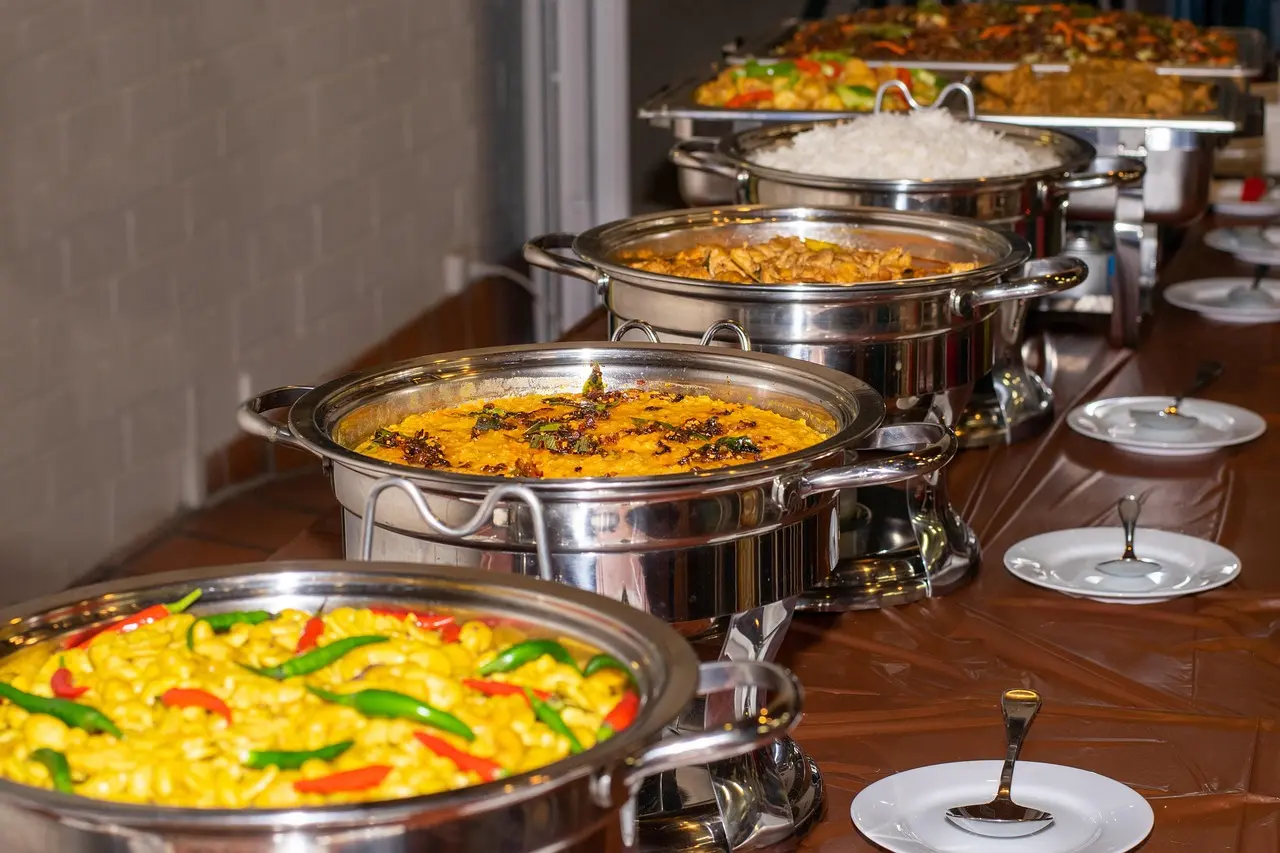
A chafing dish is the stronger choice for buffet tables and self-serve holiday spreads. Fuel-heated versions do not need an outlet, which matters in rental halls, long dining tables, and crowded rooms where cords create a trip hazard. It also fits better when guests will serve themselves over a shorter window and the food can be replenished from a nearby kitchen.
Fast decision factors for holiday hosts
Start with the room. If the venue has no outlet near the buffet, a fuel-heated chafing dish is usually the cleaner fit. If the dish travels in the same insert it will be served from and needs deeper coverage for a few hours, the slow cooker usually makes the job easier.


How each warmer keeps food hot
Both tools are for hot holding, not cooking from raw. Food should stay at 140°F or above during service. The difference is how heat reaches the food and how much attention the surface needs during the party.
Slow cooker heating and hold behavior
A slow cooker is an electric countertop warmer with low-and-slow heating. It holds food in a deeper vessel, so sauces and moist sides lose less moisture than they would in a shallow pan. The lid traps steam, which helps, but the same steam can create condensation that thins sauces if the lid is lifted too often.
For holding, the most reliable slow cooker setup is a preheated insert, a full pan, and the lid kept closed between servings. Dense foods tolerate that style better than foods that need frequent tossing or crisping. If the dish will be scooped repeatedly, a shallow top layer is the first place to dry out.
Chafing dish heat source and buffet setup
A chafing dish is a buffet warming vessel that sits over a heat source. Fuel-heated models use gel fuel or Sterno-style cans, while electric versions need an outlet. Because the pan is shallower, food stays easy to reach for serving, but exposed edges can dry out faster if the lid stays off too long.
The setup suits self-serve gatherings. Guests can move through a buffet line without waiting for the host to uncover and stir each dish. That convenience is why chafing dishes are common for side-by-side service of multiple foods, especially when the kitchen is not right next to the table.
Why lids and water levels matter
Lids reduce heat loss and help control drying. In a slow cooker, the lid mainly protects moisture. In a chafing dish, the lid and the water pan work together, because the water acts as the heat buffer under the food pan. If the water level drops too low, hot spots form and edges can scorch. Keep the pan covered as much as possible and avoid letting the water run down during service.
-
Choose the serving format.
If guests will serve themselves from a buffet, favor a chafing dish. If the dish will stay with one host at a side station, a slow cooker is usually easier to manage.
-
Match the dish to the vessel.
Use a slow cooker for thick, saucy, or dense foods. Use a chafing dish for foods that need wide surface access, such as sliced meat, gravy, or buffet-style sides.
-
Check outlet access early.
Reserve a nearby outlet for a slow cooker. If the room has no outlet at the buffet line, choose a fuel-heated chafing dish instead.
Which foods fit each warmer best?
Saucy and dense holiday foods usually do better in a slow cooker. Wide, spooned-from-the-pan foods often do better in a chafing dish. The right match keeps the food hot with less stirring, less drying, and less last-minute rescue work.
Soupy or saucy sides
Gravy, beans, creamed corn, and cheesy dips are strong slow cooker candidates. Their moisture helps them tolerate longer holding, and the deeper insert limits evaporation. A chafing dish can hold them too, but the shallow pan means the top surface loses moisture faster.
Dense casseroles and mashed potatoes
Mashed potatoes and layered casseroles sit in the middle. A slow cooker is usually better for mashed potatoes because it keeps them covered and warm without spreading them thin. A chafing dish works when the casserole is already baked, cut into portions, and expected to move quickly through a buffet line.
Meat dishes and gravy
For shredded pork, sliced roast, or sauced meatballs, a slow cooker is often the better hold vessel if the food needs to stay moist for a few hours. Sliced meat usually does best when it is kept covered and replenished in smaller batches, while gravy stays more stable in a deep insert with occasional stirring.
Suppose a host brings a 6-quart slow cooker of mashed potatoes to a church hall with one outlet near the wall. The potatoes stay covered and easy to stir. The problem appears only if the lid is lifted every few minutes, because the surface can dry and the top layer can crust.
Holiday potluck transport and venue limits
Transport matters as much as heat. A good holiday potluck setup depends on spill resistance, lid fit, and whether the container can move from kitchen to car to table without losing heat or leaking sauce. Venue constraints often decide the winner before the menu does.
Carrying food from kitchen to car
For a slow cooker, the safest plan is a tight lid plus an insulated carry option made for the insert or base. A transport container should resist spills and keep the lid from shifting. Preheating the insert can help reduce the temperature drop before service, but the fit must be secure so the hot food does not slosh in transit.
Outlets, table space, and rental rooms
A slow cooker needs outlet access, so it is less flexible in rooms with limited plugs or overloaded power strips. A chafing dish with fuel heat is easier in rented spaces and on crowded buffet tables because it avoids cords. Fuel-heated chafing dishes are best for 1 to 2 hours of buffet service. Electric chafing dishes remove the fuel question, but they still depend on venue power.
Preheating and lid fit before departure
Hot food should go into the vehicle in a container that closes cleanly and stays upright. If a slow cooker insert will be used for holding, preheat it before loading the food so the dish does not lose too much heat at the start. If using a chafing dish, assemble the frame, pan, and cover at the venue rather than carrying them full.
-
Preheat the vessel.
Warm a slow cooker insert before filling it, or bring hot chafing-dish components to the site and assemble them there. That keeps the food at serving temperature for longer.
-
Pack for spills.
Use a lid that locks tightly and an insulated carrier when moving a slow cooker. Keep the pan level in the car so sauces and gravies do not shift to one side.
-
Set the venue plan.
Confirm outlets, table space, and ventilation before you leave home. Fuel-heated chafing dishes also need safe clearance from drapes, paper goods, and crowded elbows.
Slow Cooker vs Chafing dish for holiday Potlucks
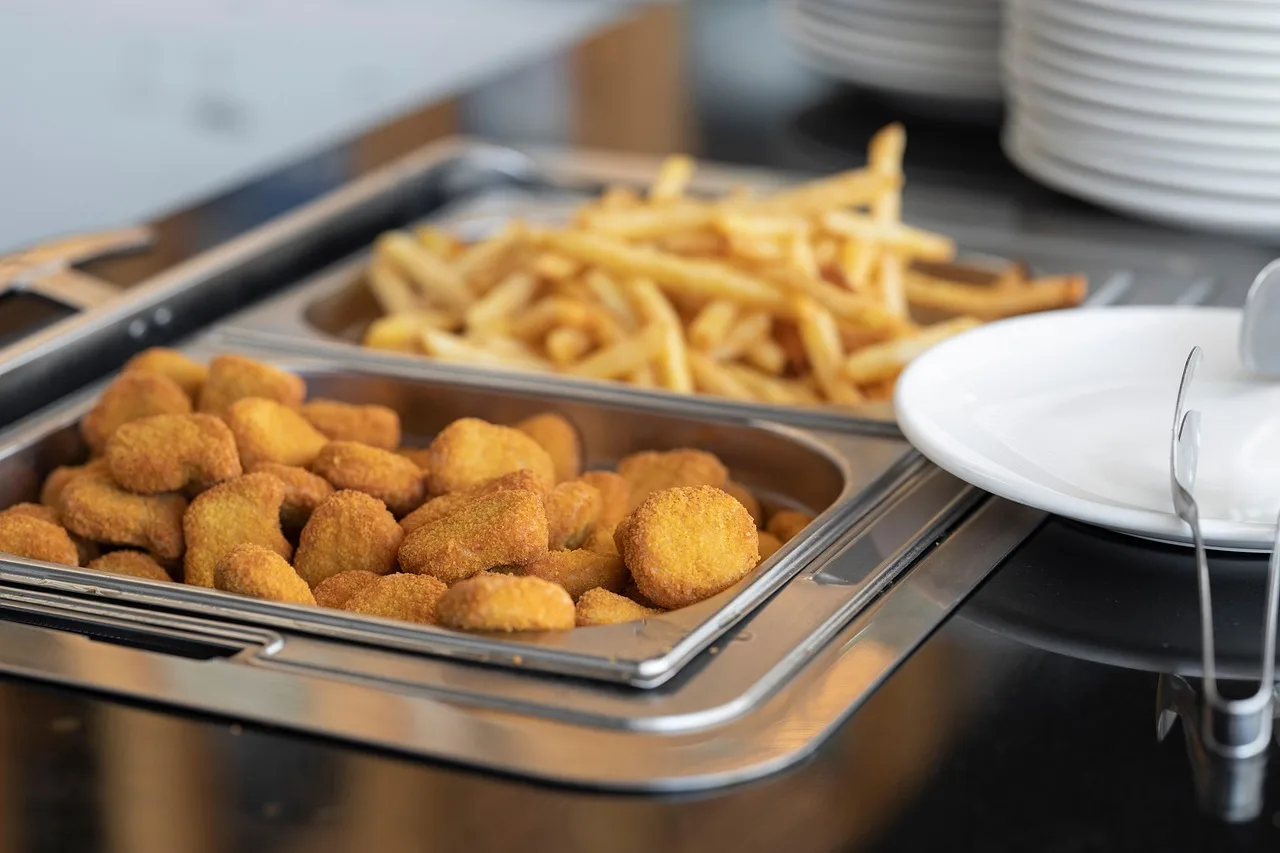
This table maps common holiday potluck dishes to the better warmer choice. The hold window assumes the food starts hot and is kept at 140°F or above during service. Transport ease refers to moving food from kitchen to venue, not to setting the pan on the table.
| Holiday dish | Better warmer | Ideal serving temp range | Best-quality window | Refill strategy | Add liquid? | Batch size | Biggest failure mode |
|---|---|---|---|---|---|---|---|
| Mashed potatoes | Slow Cooker | 140°F or above | 3-4 hours | Stir before serving and keep covered between scoops. | Yes, if they tighten up. | Better in a full insert. | Dry top layer from repeated lid lifting. |
| Gravy | Slow Cooker | 140°F or above | 3-4 hours | Whisk occasionally and replace what is served in small refills. | Yes, if it thickens. | Works best in a deep insert. | Skin forming on the surface. |
| Stuffing | Chafing Dish for Holiday Potlucks | 140°F or above | 1-2 hours | Keep covered, then uncover only for serving. | Sometimes, if the pan starts to dry. | Best when guests move through quickly. | Edges drying out before the center is served. |
| Mac and cheese | Slow Cooker | 140°F or above | 2-3 hours | Stir before each refill so the sauce stays smooth. | Sometimes, if the sauce tightens. | Better in a medium to full batch. | Edges stiffening first. |
| Green bean casserole | Chafing Dish for Holiday Potlucks | 140°F or above | 1-2 hours | Serve in smaller scoops and keep the pan covered between rounds. | No, unless the casserole is notably dry. | Best when it is already portioned. | Crisp topping softening too soon. |
| Meatballs in sauce | Slow Cooker | 140°F or above | 3-4 hours | Replenish from a second warmed batch if service runs long. | Only if the sauce tightens. | Best in a full, saucy batch. | Meat drying where sauce is shallow. |
| Roast beef slices | Chafing Dish for Holiday Potlucks | 140°F or above | 1-2 hours | Slice at the venue and refill the pan in small batches. | Yes, for au jus or pan juices. | Best when sliced fresh and served quickly. | Surface drying if left uncovered. |
| Holiday beans | Slow Cooker | 140°F or above | All-day holding | Stir now and then, then top off only what gets served. | Yes, if the beans thicken. | Best in a deep, covered batch. | Top layer thickening and scorching at the edge. |
How long can each hold food warm?
Both tools can hold food for a holiday potluck, but the useful window changes with the dish and the setup. A slow cooker is stronger for longer holds when an outlet is available. A chafing dish is better for shorter buffet windows, especially when the food is being replenished from the kitchen.
1-2 hour gatherings
For a short meal, a chafing dish often makes the table easier. It keeps the buffet organized, and fuel-heated versions do not need a wall plug. Short holds also reduce the risk of drying, since food is usually served before edges start to overcook.
3-4 hour buffets
This is the slow cooker’s comfort zone for many saucy sides and casseroles. The deeper insert helps hold moisture, and the covered lid keeps the food from going dry too quickly. Chafing dishes can still work here, but they need more attention to water level and stirring.
Longer holiday service
For a longer open-house style event, the slow cooker usually wins if the host can keep it plugged in and stable. A fuel chafing dish can run for a long time too, but the host must monitor fuel burn time, ventilation, and water level more closely. Longer service also raises the odds of edge drying in shallow pans.
A common first-timer mistake is choosing a chafing dish for a thick casserole and then leaving the lid off while guests chat. The top layer can dry first, the edges can harden, and the center may still look hot. A slow cooker would have kept that same casserole covered and more even.
Setup, fuel, and cleanup tradeoffs
Cost and cleanup are part of the decision. Electricity is straightforward, but it ties the host to a plug. Fuel is flexible, but it adds replacement cans, open-flame caution, and more disposal steps after the meal.
Electricity versus fuel refills
A slow cooker uses electricity and usually stays simple once it is plugged in. A fuel chafing dish may need gel fuel or Sterno-style cans, and the host should plan for burn time so the pan does not run low mid-meal. Electric chafing dishes avoid fuel refills, but they still need a safe outlet and a place to route the cord.
Condensation, drying, and scorching risks
Slow cookers can build condensation under the lid, which is helpful for moisture but can thin the top layer of a sauce if the lid is lifted repeatedly. Chafing dishes are more exposed, so surface drying and edge scorching are more common if the water pan drops too low or the food sits uncovered. Stirring matters more with a shallow pan.
Cleanup and disposal differences
Slow cookers usually mean one insert, one lid, and one heat base. Chafing dishes often mean a frame, a water pan, a food pan, lids, and fuel leftovers. That makes the buffet setup more flexible, but cleanup is often longer and disposal can be fussier.
-
Count the heat source parts.
Before the party, check whether you will need electricity, fuel cans, water pans, or a cord run. Fewer pieces usually means faster cleanup.
-
Plan for hold losses.
Keep a ladle or spoon near the food so guests do not uncover the pan for long stretches. Less exposure means less drying and fewer hot spots.
-
Match cleanup to the room.
If the venue makes disposal difficult, a slow cooker often leaves less to carry out. If the buffet is temporary and the kitchen is close, a chafing dish can still be practical.
Choose slow cooker if…
Choose a slow cooker if the food is saucy, the service window is a few hours or longer, and you have an outlet near the serving spot. It is the better fit for mashed potatoes, gravy, beans, meatballs, and casseroles that need covered, even holding.
Choose chafing dish for holiday potlucks if…
Choose a chafing dish if the meal is buffet-style, the venue has no convenient outlet, or the food needs to sit on the table for a shorter self-serve window. It is the better fit for mixed spreads, buffet service, and holiday gatherings where several pans need to stay accessible at once.
Frequently asked questions
Is a slow cooker or chafing dish better for a holiday potluck?
A slow cooker is usually better for one saucy dish that must stay covered for a few hours near an outlet. A chafing dish is better for buffet service, especially when the room has no outlet or when several foods need to stay hot at the same time.
How long can food stay warm in a slow cooker for a party?
For many holiday dishes, a slow cooker can hold food for 2 to 4 hours with fewer moisture problems than a shallow pan. Longer service is possible when the dish stays covered and the food is stirred occasionally, but it still needs to remain at 140°F or above.
How long can food stay warm in a chafing dish?
A chafing dish is best for 1 to 2 hours of buffet service, and it can go longer when the water level stays steady and the food is covered between servings. It works best for foods that can tolerate some surface drying without losing quality.
Can I transport hot food in a slow cooker insert?
Yes, if the lid fits tightly and the insert sits in an insulated carrier or another spill-resistant transport container. Keep it level in the car, and preheat the insert when possible so the food does not lose heat too fast before service.
What foods work better in a slow cooker versus a chafing dish?
Slow cookers are better for mashed potatoes, gravy, beans, meatballs, and other moist foods that benefit from a deeper vessel. Chafing dishes are better for buffet foods such as stuffing, sliced meat, and casseroles that guests will serve quickly from a shared table.
Do I need water in a chafing dish to keep food warm?
Yes, for a standard chafing dish setup with a water pan under the food pan. The water buffers the heat and helps prevent scorching. If the water level falls too low, the bottom can overheat and the edges can dry out or burn.
Products related to this article
Sponsored / affiliate links. As an Amazon Associate I earn from qualifying purchases. I may earn additional commission from eligible campaigns.