Enameled Cast Iron vs Stainless Steel for Holiday Hosting
For holiday hosting, Enameled Cast Iron is the better oven-to-table choice for braises, casseroles, and sides that need to stay warm and look tidy; stainless steel is better for fast sauces and lighter dishes. Pick the wrong vessel, and food can cool fast, stain the pan, or look sloppy on the table. This guide compares heat retention, appearance, cleanup, and which material fits each holiday dish.
| Factor | Enameled Cast Iron | Stainless Steel for Holiday Hosting | Winner |
|---|---|---|---|
| Heat retention | High heat retention; holds temperature well at the table and stays warm longer for serving. | Moves heat away faster; better for quick control than long holding. | Enameled Cast Iron |
| Heat responsiveness | Changes temperature more slowly, which helps with even holding but hurts last-second corrections. | Usually responds faster to heat changes, which helps with quick simmering and burner adjustments. | Stainless Steel for Holiday Hosting |
| Weight and liftability | Heavy; filled pots often call for two hands and can be less convenient in a crowded kitchen. | Usually lighter and easier to move between the stovetop, oven, and buffet. | Stainless Steel for Holiday Hosting |
| Acid compatibility | Non-reactive enamel layer suits tomatoes, wine, and citrus. | Clad stainless also handles acidic food well. | Tie |
| Cleaning and care | Hand wash; avoid abrasion and thermal shock; chip risk exists. | Dishwasher tolerance is common when the maker allows it, and it is easier to clean after dinner. | Stainless Steel for Holiday Hosting |
| Best holiday use | Best for braises, casseroles, soup, mashed potatoes, and table service. | Best for gravy, pan sauces, and dishes that need frequent adjustment. | Tie |
| Table-side warmth | Holds serving temperature longer because its heavy core stores heat and releases it slowly. | Cools faster and is less useful when food must wait on the table. | Enameled Cast Iron |
| Oven-to-table hosting fit | Better oven-to-table choice for braises, casseroles, and sides that need to stay warm and look tidy. | Better for recipes that move from burner to burner and need quick heat changes. | Enameled Cast Iron |
Which material fits holiday hosting?
Enameled Cast Iron suits holiday dishes that need steady heat and a presentable table presence, while stainless steel suits recipes that move from burner to burner and need quick heat changes. One holds heat for serving. The other moves fast and handles sauce work well. For menu planning, the holiday hosting cookware guide can help you match the pan to the meal.
Heat retention
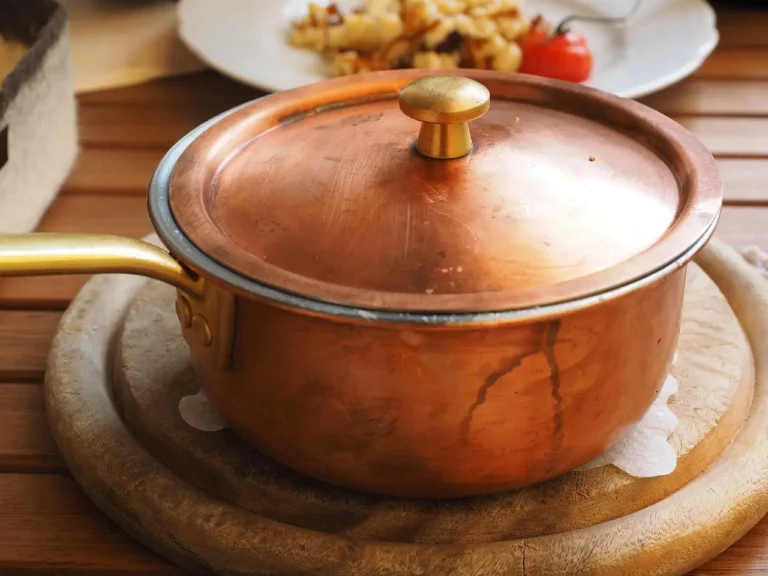
Enameled cast iron has a cast iron core under a glass-like vitreous enamel coating, and that mass helps it hold heat during serving. That matters for mashed potatoes, braises, and covered sides that sit open on the table. Stainless steel cooks well too, but it is more responsive than heat-storing.
Heat responsiveness
Stainless steel, especially clad stainless steel, usually responds faster to heat changes. That helps when a gravy starts to tighten, a sauce needs a quick simmer, or a cook needs to back off the burner after a boil. Enameled cast iron changes more slowly, which helps with even holding and hurts with last-second corrections.
Weight and liftability
Stainless steel is usually lighter than enameled cast iron, so it is easier to move between the stovetop, oven, and buffet. A 6-quart enameled Dutch oven is roughly 13 lbs before food, which makes a filled vessel a two-handed job for most hosts. That weight feels fine in the oven, but less convenient when counters are crowded.
Acid compatibility
Both materials work with acidic holiday food when properly made, but enameled cast iron gives you a non-reactive food-contact barrier right away. That matters for tomato sauces, wine braises, and citrus-heavy dishes. Stainless steel also handles acid well, especially in clad construction used for pan sauces and the kind of fast work you might compare in a cast iron vs stainless skillet matchup.
Cleaning and care
Enameled cast iron does not need seasoning, but it does need gentler care than bare metal. Hand washing is the safer default, and abrasion avoidance matters because the enamel can chip if knocked or scraped. Stainless steel is easier to clean after a holiday dinner, and dishwasher tolerance is common when the maker allows it.
Which keeps food warm longer?
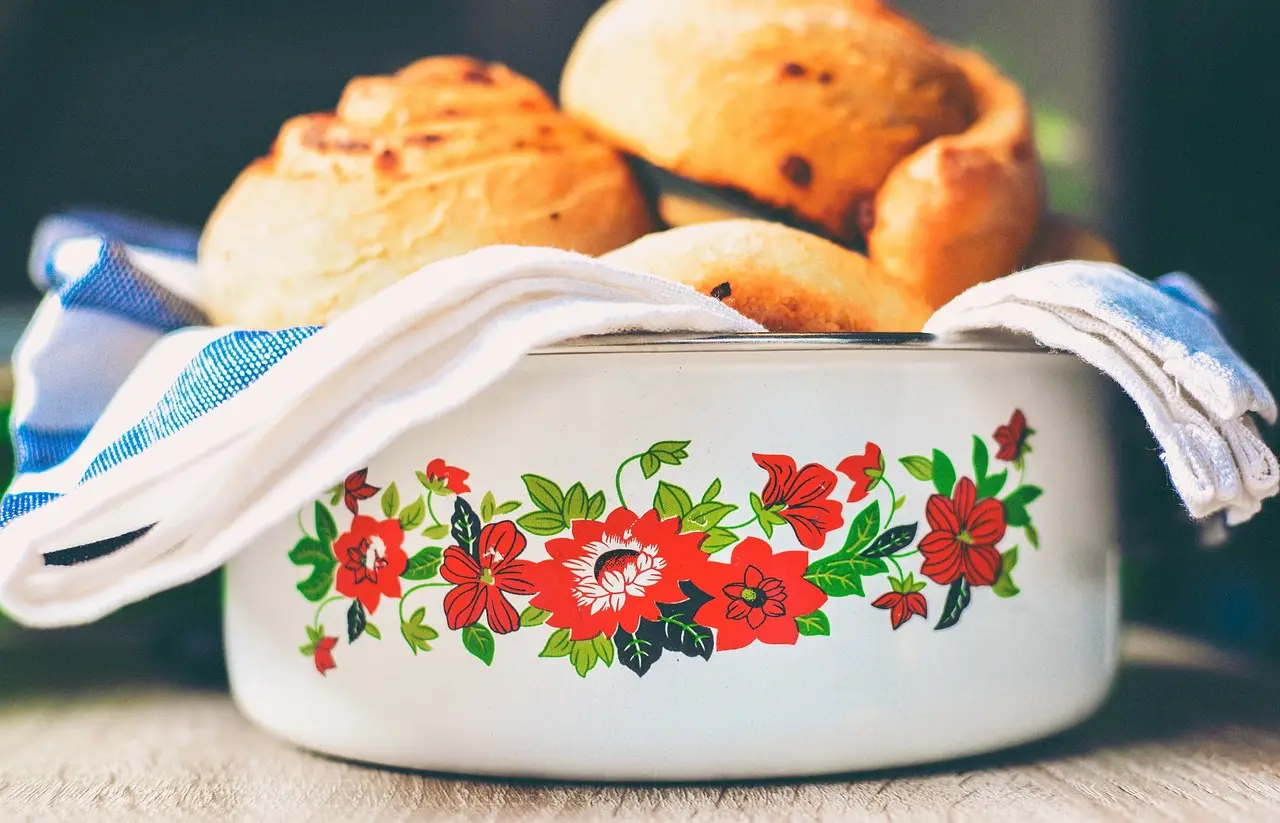
Enameled Cast Iron keeps holiday food warm longer because its heavy core stores heat and releases it slowly. That makes it the stronger table-service choice for dishes that must hold temperature while guests serve themselves. Stainless steel is better at following heat changes, but that speed works against long serving-time warmth.
How enameled cast iron holds serving temperature
The material’s thermal mass helps it stay steady after it leaves the oven. For a 5- to 6-quart Dutch oven, that means braises, soup, and covered sides can stay hot through repeated lid lifts. It is the better choice when the vessel itself becomes part of the buffet.
How stainless steel handles heat shifts
Stainless steel cools and heats faster, so it is less forgiving when the room is cold or the lid comes off often. That can help during cooking, but it is less useful when food must wait on the table. If the meal will sit for a while, stainless steel usually needs more help from an insulated trivet or smaller serving batches.
Why oven-door openings matter during hosting
Holiday cooking often means repeated oven checks. Each open door drops cavity temperature and can slow recovery, so a pot that already holds heat well gives you a cushion. Enameled cast iron is more stable here, while stainless steel gives up heat faster if the oven is opened again and again.
Say your mashed potatoes come out of a 350°F oven in a covered 5.5-quart Dutch oven. If they stay in enameled cast iron, they hold serving heat longer on the table; in stainless steel, they will usually need quicker transfer to a warmer dish or a tighter serving window.
Which is easier to move and adjust?
Stainless steel is easier to move, lift, and correct during a busy meal. It is lighter in the hand, responds faster on the burner, and is better when you need to shift pots around a crowded stove. Enameled cast iron is more stable once parked, but the weight changes how often you will want to move it.
Empty vessel handling
An empty stainless pan is simpler to slide, tilt, and stack. That matters when you are clearing space for a sauce pan, a roasting pan, and a side dish all at once. Enameled cast iron takes more effort even before it is filled.
Filled vessel handling
Once food is inside, the difference becomes more obvious. A filled enameled Dutch oven may need two hands for safe lifting, especially if it holds braise liquid or a thick casserole. Stainless steel is easier for one-handed moves, though a hot full pot still deserves two hands and a dry towel.
Stovetop control for sauces and sides
Clad stainless steel is the stronger tool for gravy and pan sauce work because it reacts faster to burner changes. That lets you reduce a sauce or stop it from over-thickening sooner. Enameled cast iron is steadier, which is fine for braises but slower for fine-tuned sauce work.
A common first-timer mistake is putting gravy in a heavy enameled pot, then trying to carry it from burner to table after guests arrive. The gravy may stay warm, but the extra weight and slower response make last-minute adjustments awkward.
Can you use acidic holiday dishes in both?
Yes, both can handle acidic holiday food when they are properly made, but enameled cast iron gives you the clearest non-reactive barrier. Tomatoes, wine, and citrus are all fair game. The practical difference is that vitreous enamel gives table-service confidence without seasoning concerns, while stainless steel gives you speed and lighter handling.
Tomatoes, wine, and citrus
Tomato braises, red-wine sauces, and citrus glazes fit both materials. Enameled cast iron keeps the acid away from the iron core, which is useful for long braises and soup service. Stainless steel also works well, especially for pan sauces where quick temperature changes matter more than heat holding.
When vitreous enamel is the safer serving choice
Vitreous enamel is a glass-like coating and food-contact barrier. That makes it a good pick when a dish will sit, be stirred, and then return to the table again. It is still possible to chip, though, so the safer choice is not rough handling.
Choose enameled cast iron if…
- You need the vessel to hold heat at the table for braises, soup, or covered sides.
- You want a non-reactive surface for tomatoes, wine, or citrus without worrying about seasoning.
- You are serving directly from a Dutch oven and can accept heavier lifting.
- You prefer hand washing and can avoid hard knocks, metal scraping, and sudden temperature shifts.
Choose stainless steel if…
- You need faster heat adjustment for gravy, sauce work, or last-minute corrections.
- You move pots often in a crowded kitchen and want lighter empty and filled handling.
- You want a pan that is usually dishwasher-tolerant when the maker allows it.
- You care more about quick service than long table-side heat holding.
Hosting cookware decision matrix
This matrix turns the comparison into holiday tasks. Scores use 1 to 5, where 5 is strongest for that factor. “Best pick” is the material that fits the dish as a hosting vessel, not just as a cooking pan.
| Dish | Enameled Cast Iron score | Stainless Steel score | Why this wins | Best pick |
|---|---|---|---|---|
| Braise | 5 / 5 | 3 / 5 | Better heat holding and a more presentable table vessel for slow-cooked meat or vegetables. | Enameled Cast Iron |
| Gravy | 3 / 5 | 5 / 5 | Faster burner response makes last-minute thinning, reduction, and rescue easier. | Stainless Steel |
| Mashed potatoes | 5 / 5 | 2 / 5 | Better warmth at the table and cleaner serving presentation during a long meal. | Enameled Cast Iron |
| Casserole | 4 / 5 | 3 / 5 | Holds heat well and goes from oven to table with a tidier presentation. | Enameled Cast Iron |
| Soup | 4 / 5 | 3 / 5 | Better for long ladling sessions and for acidic broth-based recipes. | Enameled Cast Iron |
| Mulled cider | 4 / 5 | 4 / 5 | Either works, but stainless steel is easier to handle for quick refills and simple cleanup. | Stainless Steel |
Braise
Enameled cast iron is the strongest fit for a holiday braise because it keeps a steady simmer and still looks right on the table. A 5- to 6-quart Dutch oven is the common size to target here. Enameled cast iron wins if the braise will be served from the same vessel, while stainless steel is the fallback if you care more about moving the pot often than about heat holding.
Gravy
Stainless steel is the better gravy vessel because it gives faster control over reduction and thinning. That matters when drippings, stock, and flour need quick adjustment right before serving. Stainless steel is also the easier pot to move from stovetop to sauce boat or warming station. Avoid enameled cast iron here if the gravy needs constant tweaking and the pot will be carried repeatedly.
Mashed potatoes
Enameled cast iron wins for mashed potatoes when the pot must double as a serving dish. Heat retention keeps the potatoes warmer longer, and the table presentation stays clean. The trade-off is weight, so this works best when the pot can be set down once and left there. Avoid stainless steel if you need the mash to stay hot through a long pass-around.
Casserole
Enameled cast iron suits casseroles that need oven-to-table service. It handles covered cooking, looks tidy at the buffet, and keeps the food warm through a long meal. The 5- to 6-quart range is especially practical for side dishes and mixed holiday vegetables. Stainless steel is the less convincing choice when the casserole needs to stay presentable and warm after baking.
Soup
Enameled cast iron is better for soup that will be ladled over time, especially if it includes acidic ingredients such as tomatoes or wine. The enamel layer prevents direct contact with the cast iron core. Stainless steel can still work, but it is less forgiving as a serving vessel when the soup must stay hot. Avoid stainless steel if the soup will sit out for an extended serving window.
Mulled cider
Stainless steel often fits mulled cider better because it warms quickly, is easier to pour from, and is simpler to clean after spices and sugar are involved. If the cider will sit on the table for a long stretch, enameled cast iron gains ground on heat holding. For a fast refill station, stainless steel is the more practical pick. Avoid enameled cast iron if you expect frequent refills and a lot of lifting.
-
Match the dish to the vessel.
Choose enameled cast iron for braises, casseroles, soup, and mashed potatoes. Choose stainless steel for gravy, mulled cider, and other tasks that need fast heat correction. -
Check the size first.
A 5- to 6-quart Dutch oven is the common holiday sweet spot for braises and covered sides. Bigger pots add weight and storage burden without helping every menu. -
Plan the lift.
Use two hands for a filled enameled pot, especially when it leaves the oven. Stainless steel is easier to carry, but hot food still deserves careful handling and a clear path. -
Choose the care routine.
Hand wash enameled cast iron and avoid abrasive scrubbers. Put stainless steel through the dishwasher only when the maker allows it, and dry both promptly to keep cleanup simple.
Choose Enameled Cast Iron if… / Choose Stainless Steel if…
Choose Enameled Cast Iron if you want one vessel to cook and serve a braise, casserole, soup, or side dish that must stay warm on the table. It is the better pick for oven-to-table presentation, heat retention, and non-reactive cooking with acidic holiday ingredients.
Choose Stainless Steel if your menu leans on gravy, sauces, mulled cider, or other dishes that need faster heat adjustment and easier lifting. It is also the better choice if you will move pots often, want lighter handling, or prefer dishwasher-tolerant cleanup when allowed.


Frequently asked questions
Is enameled cast iron better than stainless steel for keeping holiday food warm?
Yes, for table service it usually is. Enameled cast iron holds heat longer, so braises, casseroles, and mashed potatoes stay warm across a longer serving window. Stainless steel can cook the food well, but it gives up heat faster once it reaches the table.
Which cookware holds heat longer for serving at the table
Enameled cast iron holds heat longer. Its cast iron core stores energy and releases it slowly, which helps food stay presentable during a meal. That is why it is a strong choice for holiday dishes that will be ladled or served from the pot.
Is stainless steel better if I need to move pots around a busy kitchen?
Yes. Stainless steel is usually lighter, so it is easier to lift, shift, and set down in a crowded kitchen. That matters when you are working between the stove, oven, sink, and buffet, or when a pot needs repeated repositioning.
Can I use acidic holiday sauces in enameled cast iron?
Yes. The vitreous enamel coating is a non-reactive food-contact barrier, so tomatoes, wine, and citrus are generally fine. Just avoid chipping the coating, because abrasion and hard impacts can damage the surface even though the dish itself is safe for acid.
Which material is easier to clean after a holiday dinner?
Stainless steel is usually easier to clean. It tolerates dishwasher use when the maker allows it and does not need seasoning. Enameled cast iron should be hand washed, and you should avoid abrasive pads and sudden temperature changes that can stress the enamel.
Does enameled cast iron chip or crack with temperature changes?
It can chip, and thermal shock is a real risk if the temperature changes too fast. Avoid moving a hot pot straight into cold water or setting a cold vessel into a very hot oven without following the maker’s guidance. Gentle handling keeps the enamel in better shape.
What size pot is best for holiday braises and sides?
A 5- to 6-quart Dutch oven is the most practical size for many holiday braises and covered side dishes. It is large enough for a family menu, but still manageable on the stove and table. Bigger sizes add weight fast and can be awkward in a crowded kitchen.
Which is better for braising, stainless steel or enameled cast iron?
Enameled cast iron is usually better for braising. It keeps a steadier simmer, holds serving heat, and works well as a table vessel. Stainless steel can braise too, but it is more useful when the recipe needs quick heat changes than when it needs long, even holding.
Products related to this article
Sponsored / affiliate links. As an Amazon Associate I earn from qualifying purchases. I may earn additional commission from eligible campaigns.