Cookware Lid Not Fitting Problems
Measure the cookware by the opening at the seating surface, then match the lid to the failure mode: too small, too loose, warped, or stuck. A good lid should sit evenly on the rim, with only a slight overlap and no rocking. If the fit is off, you can lose steam control, waste heat, and create a lid that jams instead of sealing.
Why your lid does not fit
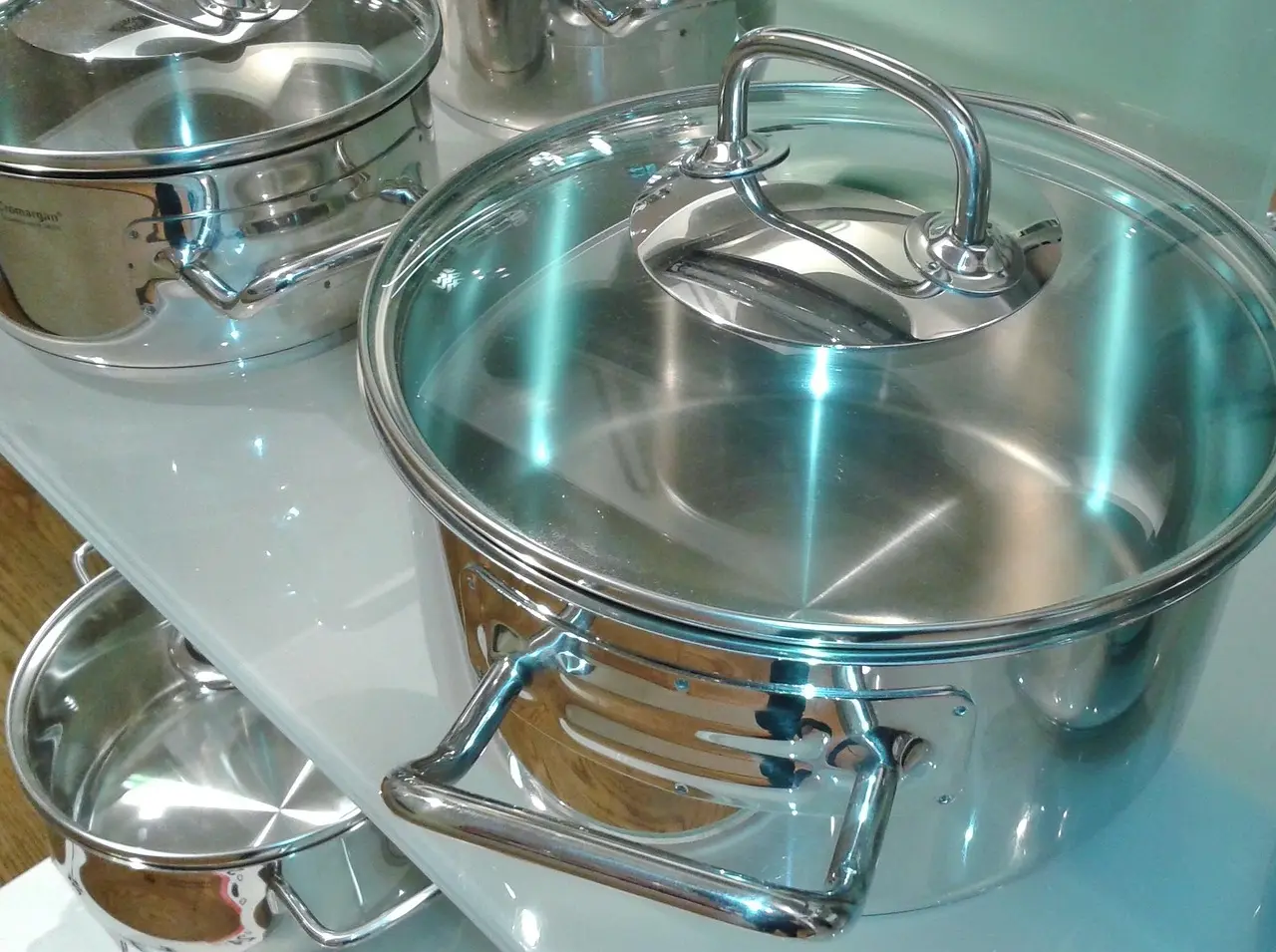


A lid usually fails for one of four reasons: the diameter is wrong, the rim is warped, the pan shape flares outward, or hardware keeps the lid from seating flat. Start with the symptom, then check the pan’s seating surface before you buy a replacement. That approach is more reliable than matching the widest outside edge.
Too small or too large
If the lid drops into the opening, it is too small for that cookware. If it rides on top, slides around, or cannot land on the rim, it is too large or shaped for a different profile. Compare the cookware’s actual opening in inches with the lid’s stated fit, not the outermost edge. If you need help translating pan sizes, use a cookware size chart alongside the label.
Warped rim or bent hardware
A warped pan rim can make a correct-size lid behave like the wrong one. A bent knob, bowed glass edge, or misshapen stainless rim can stop the lid from sitting level. Even a small bend can create a leak point. If the lid should fit but now rocks or whistles, inspect the rim and hardware before replacing the whole piece.
Flared edges and shape mismatch
Some cookware widens near the top, so the opening is not a true cylinder. Others have rolled lips, inset rims, or raised handles that change where the lid seats. This is where outer diameter and inner diameter get confused. A lid that matches the outer width may still miss the actual sealing surface.
Lid fit troubleshooting matrix
| Failure mode | Symptom severity | Likely cause | Likely measurement point | How to measure | Replacement confidence | Best replacement type | When to replace the pan instead |
|---|---|---|---|---|---|---|---|
| Too small | High: lid drops in or cannot cover the opening | Lid diameter is below the pot opening; rim shape is too narrow | Inner seat / opening | Measure straight across the top opening from inner edge to inner edge | High, if the cookware is round and undamaged | Same-diameter replacement cookware lid | Replace the pan if the opening is no longer round or the rim is cracked |
| Too large | High: lid overhangs and cannot seat | Lid is oversized or shaped for a wider profile | Outer rim only if the rim is flat and uniform; otherwise use the inner seat | Compare the cookware diameter in inches to the lid label | Medium to high, if the rim is standard and flat | Exact-size lid or a universal lid within the stated range | Replace the pan if the rim has spread outward or is badly deformed |
| Wobble | Medium to high: rocking, rattling, or uneven sealing | Warped rim, bent handle hardware, or a lid that is too flat for the lip | Both; compare the seating surface and the rim profile | Set the lid on a level surface and check for rocking | Medium, because deformation can be misleading | Rigid stainless steel lid or correctly sized tempered glass lid | Replace the pan if the rim rocks even before the lid goes on |
| Rattling | Medium: audible movement while cooking | Loose fit, shallow contact area, or a silicone rim that is not compressing evenly | Inner seat | Lift the lid edge slightly and listen for movement while it sits on the pan | Medium, especially for universal lids | Universal lid with silicone rim or an exact-size replacement lid | Replace the pan if the seating ledge is chipped, uneven, or missing material |
| Steam leak | Medium to high: steam escapes from one side instead of the vent | Seal gap from wrong diameter, warped rim, or no steam vent where pressure builds | Inner seat | Watch for escaping steam at one side instead of through the vent | High if the pan is true; low if the rim is distorted | Tempered glass lid with steam vent or better-fitting stainless steel lid | Replace the pan if steam leaks continue after a correctly sized lid is tested |
| Lid pops off | High: lifting during boil or simmer | Pressure buildup, slippery surface, or a lid that is too light for the cookware shape | Inner seat and vent placement | Check whether the lid rises when boiling starts | Medium, because pressure and fit can overlap | Lid with steam vent; exact-match replacement instead of oversize universal lid | Replace the pan if the rim shape prevents stable contact at all points |
| Stuck lid | Medium: hard to lift after cooling or after a boil | Vacuum seal, thermal expansion, or food residue at the rim | Seat and residue line | Look for suction after cooling or after a rapid heat change | High if the lid is undamaged | Keep the same lid if undamaged; replace only if the rim is bent or cracked | Replace the pan if the rim is damaged enough to trap the lid repeatedly |
| Handle interference | Medium: lid cannot settle fully or sits at an angle | Handle hardware or knob hits the pan’s lip, helper handle, or rack spacing | Outer rim plus vertical clearance | Measure from the rim to the highest point of the handle | Medium, depending on knob profile | Low-profile stainless steel lid or a lid with a smaller knob profile | Replace the pan if the handle placement makes any lid unsafe or unstable |
Say your 10-inch saucepan keeps hissing at one side even though the lid is labeled 10-inch. The problem may be a warped rim, not the diameter. A replacement lid with the same size will not help if the pan’s sealing edge is bent upward at one point.
How do you measure cookware diameter?
Measure the opening, not just the outside rim. For fit, the key number is the cookware’s top opening in inches, taken across the surface where the lid actually rests. Inner diameter matters when the rim is rolled or flared, because the outer edge can be wider than the usable seat.
Measure the opening, not the rim
- Place the cookware on a flat surface.
- Measure straight across the top opening from inner edge to inner edge.
- Record the number in inches, including common sizes such as 8, 10, 11, 12, and 12.5 inches.
- Check whether the rim is rolled, flared, or bent before choosing a replacement lid.
Check inner diameter versus outer diameter
Outer diameter is useful for storage and label matching, but it is not always the fit number. Inner diameter tells you whether the lid can land on the actual sealing ledge. This matters with cast iron skillet lids, stainless steel pots with rolled lips, and pans whose top edge flares outward near the handle rivets. If you want a deeper reference, compare the pan with a skillet sizing guide before choosing a replacement.
Record the size in inches
Most replacement cookware lids are listed by inches, so the recorded size should be as exact as possible. A 12-inch lid will not always behave like a 12-inch universal lid, and a 10-inch pan can still miss a 10-inch lid if the rim is distorted. If the cookware opening sits between catalog sizes, choose a flexible lid only when the product is designed to compress against several diameters.
Which replacement lid type fits best?
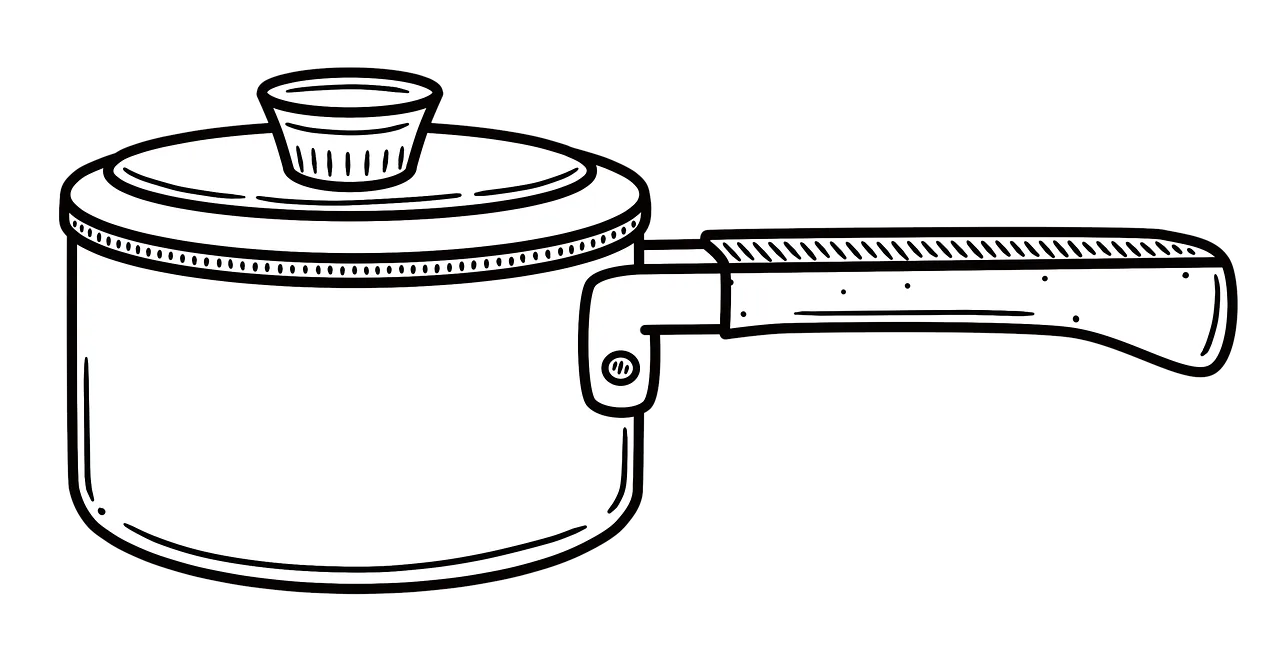
The best replacement depends on the failure mode, the cookware shape, and whether you want visibility, weight, or a more forgiving fit. Tempered glass lids let you watch simmering food without lifting the cover. Stainless steel lids are opaque and often chosen for durability and heat retention. Universal lids help across several sizes only when the rim shape is still close.
Tempered glass lids
Tempered glass lids let you watch simmering sauce, boiling pasta, or rice without lifting the lid, and they are often paired with silicone or stainless steel rims. Many cookware manufacturers and care guides note that tempered glass is stronger than regular glass but can still break from impact, thermal shock, or edge damage, so chip-free handling matters (for example, kitchen care guidance from major manufacturers such as Pyrex and Calphalon). Some models include a steam vent, which helps release excess moisture and pressure.
Heat resistance varies by model, so check the maker’s care instructions for oven use, dishwasher limits, and direct-flame restrictions before you match one to your pan. If you are comparing lids by material, a lid materials guide can help you weigh visibility, weight, and durability.
Stainless steel lids
Stainless steel lids are opaque, so you lose a view of the food, but you get a cover many buyers choose for durability and heat retention. They are common in premium cookware sets and often pair well with heavier pans. If your cookware has an irregular rim, a rigid steel lid may sit more predictably than a loose glass one.
Universal lids with silicone rims
A universal lid uses a silicone rim to add grip and help create a snugger fit across multiple cookware sizes. That contact surface can work with several pans, which helps when the original lid is missing or the wrong size. The fit still depends on shape, so a universal lid should not be treated as a fix for bent rims or severe flaring. For caution on nonstick surfaces and heat limits, see a nonstick safety guide before choosing any lid with a high-heat cooking plan.
Can a universal lid fit different pans?
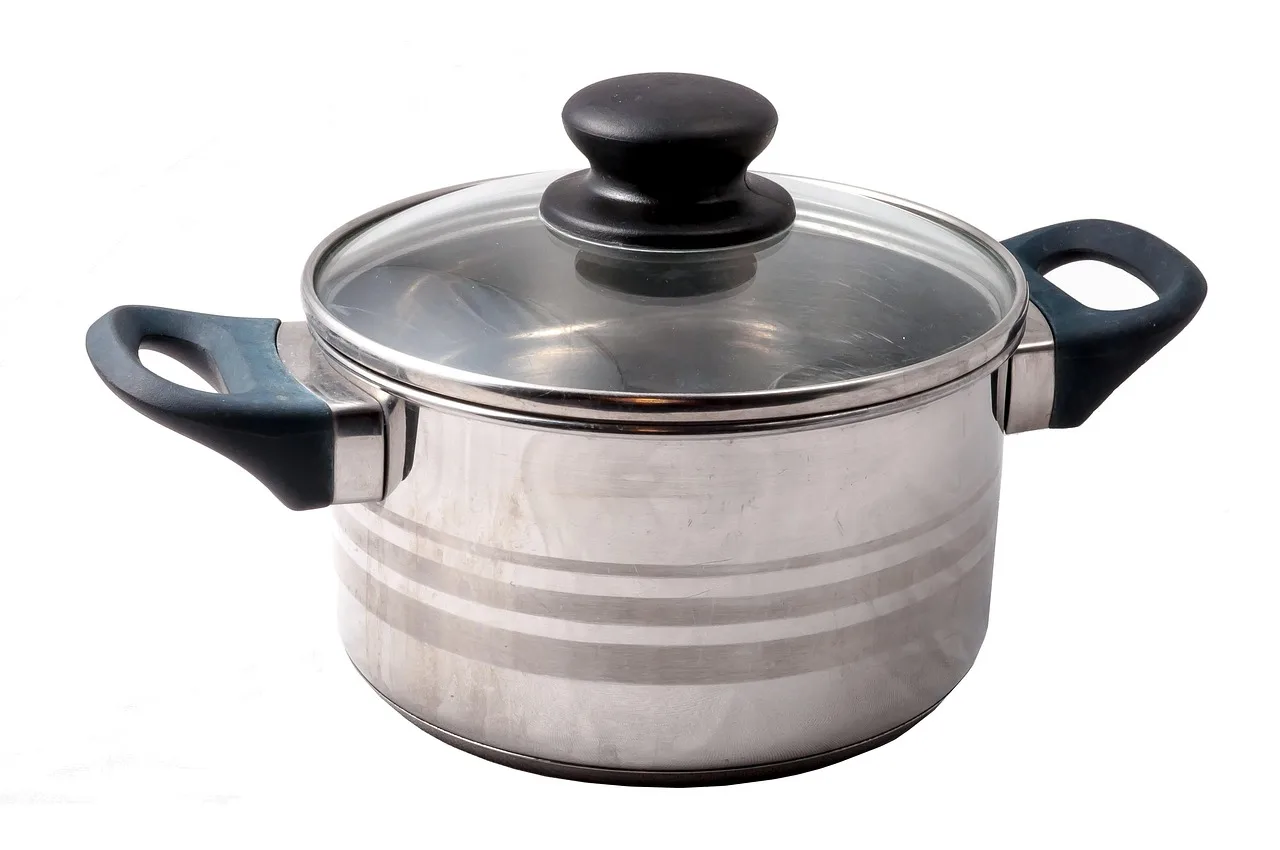
Yes, but only within the lid’s stated fit range and only when the cookware shape is close enough for the rim to seat. A universal lid is useful when you need one cover for several sizes, yet it is not a cure for warped cookware, a bent lip, or a handle that blocks the lid from sitting flat. Exact matching is safer when the seal matters more than flexibility.
Common fit ranges
Universal lids are commonly sold as adjustable covers for several common skillet and saucepan sizes, but the exact range depends on the product. Manufacturers typically publish a stated minimum and maximum diameter, and that published range is the only one you should trust. If a lid advertises flexibility, treat the product listing as the source of truth and confirm the cookware’s seat, not just the rim.
When one lid covers multiple diameters
Use a universal lid when you have several similar pots or pans with stable, round openings. A silicone rim can help the lid grip more than one diameter, and a tempered glass body with a steam vent is practical when you want to watch simmering food. This works best when the cookware opening is round and the lip is not heavily flared.
When exact matching is safer
Exact matching is safer for cast iron skillets, warped stainless steel cookware, and any pan that already shows wobble or uneven contact. If the pan has a bent edge or odd shape, a universal lid may hide the problem instead of solving it. In those cases, the safest choice is usually a lid sized for that cookware line or a pan replacement if the rim is no longer true.
Picture a 12-inch sauté pan with a slightly flared rim and a stainless steel handle that rises high above the lip. A universal lid may still rattle if the handle hardware keeps the lid from settling evenly. In that case, a lower-profile, exact-size lid is the better path.
How do you get a stuck lid off safely?
Start by breaking the vacuum seal, then relieve heat and pressure before you force anything. A stuck lid is often caused by cooling, steam contraction, or food residue at the rim. Avoid prying on glass or twisted rims. If the lid is warped or cracked, stop and let the pan cool before trying again.
Break the vacuum seal
- Turn off the heat and move the cookware to a stable surface.
- Wait a moment for pressure to settle if the pan is very hot.
- Tilt the lid slightly to create a small air gap.
- If needed, tap the edge lightly with a wooden utensil to admit air.
Account for heat and pressure
Thermal expansion can make metal and glass sit tighter while the cookware is hot. Steam pressure can also pull the lid down after boiling. If the lid sticks after cooking, let the cookware cool a little before trying again. A lid with a steam vent reduces this problem during cooking because it releases excess moisture and pressure. That vent is a control feature, not a cure for the wrong size; it is still important to match the fit.
Avoid prying on glass or warped rims
Do not slip a knife under a tempered glass lid. That can chip the edge or crack the lid. Do not bend a warped rim back into shape while the pan is hot, either. If the lid is stuck because the cookware itself is deformed, replacement cookware lids are safer than repeated force.
Which replacement lids work by cookware type?
Match the replacement style to the cookware material, not only the diameter. Cast iron skillet lids often need exact sizing. Nonstick cookware benefits from lids that do not scratch the coating or trap residue at the rim. Stainless steel cookware can usually handle a range of lid materials, but the edge shape still decides the fit.
Cast iron skillet lids
Cast iron cookware often pairs well with aftermarket lids because original covers are missing or inconsistent across brands. Some cast iron lid options are made for specific skillet diameters, while larger skillets may need a lid listed for a broader range. Because cast iron edges can be thick, exact diameter matching matters more than on many lighter pans.
Nonstick cookware lids
Nonstick cookware is not inherently bad, but lid fit matters because a poor seal can trap moisture, cause rattling, or make residue collect at the rim. Use a lid that seats cleanly without scraping the coating or pressing on a weak edge. Tempered glass lids are common here because you can watch the food without lifting the cover.
Stainless steel cookware lids
Stainless steel cookware often works with either glass or steel lids, depending on the rim shape. A stainless-steel-rimmed lid option is sold in several common diameters, which shows how closely these products are keyed to fit. If the pan whistles or leaks steam, the issue is usually fit, not the metal itself.
Frequently asked questions
Why is my cookware lid not fitting the pan?
The most common reasons are the wrong diameter, a warped rim, a flared edge, or bent handle hardware that keeps the lid from seating. A lid can also miss the seal if the cookware shape is not round enough for the lid style. Measure the opening, not only the outer rim.
How do I measure a pan lid so it fits correctly?
Measure the cookware opening across the top where the lid rests, then record that size in inches. Compare it with the lid’s stated fit range and check whether the pan has a rolled or flared edge. Inner diameter matters more than the outer rim when the seat is uneven.
Can I use a universal glass lid on different cookware sizes?
Yes, if the lid is within its listed range and the cookware shape is compatible. Universal lids with silicone rims can fit several diameters, but they are less reliable on warped or oddly shaped pans. The best fit comes from matching the lid to the pan’s seating surface, not just the outer width.
How do you get a stuck lid off a pan?
Turn off the heat, let pressure settle, and slip air under one edge to break the vacuum seal. If the lid is hot, wait before forcing it. Do not pry on tempered glass or bend a warped rim. If the lid sticks often, check for a seal problem or damage at the lip.
What’s the difference between glass lids vs stainless steel lids cookware?
Glass lids let you watch food without lifting the lid, and many tempered glass lids include a steam vent. Stainless steel lids are opaque, usually tougher in many use cases, and often better for heat retention. The better choice depends on whether visibility or rigidity matters more.
Why do some cookware lids have steam vents?
A steam vent releases excess moisture and pressure, which helps reduce boil-overs and can limit lid pop-off during cooking. Some tempered glass lids include one for that reason. It does not fix a poor fit, but it can make a snug lid behave better during simmering and boiling.
Products related to this article
Sponsored / affiliate links. As an Amazon Associate I earn from qualifying purchases. I may earn additional commission from eligible campaigns.