5 Best Warming Trays for Holiday Dinners (2026): We Compared
Choose a warming tray around your menu flow: one full-length surface for a casserole or platter, divided pans for mixed sides, and enough space for the dishes you need hot at the same time. The wrong size leaves gravy cooling, vegetables drying out, and service starting and stopping. This guide covers tray types, capacity, temperature control, and serving layouts for holiday dinner service.
Quick comparison
| Product | Badge | Best for | Price | ||
|---|---|---|---|---|---|
 |
85888 Drip Tray Replacement Compatible with Presto 0706AMTHKNO | Our pick | $14.99
Price as of 26 Nov 2026
|
View | |
 |
Chefman Electric Warming Tray with Adjustable TemperatureChefman | Also great | 21” x 16” · Glass-top · Black | $39.99
Price as of 26 Nov 2026
|
View |
 |
Elite Gourmet 7.5 Qt Triple Buffet Server & Food WarmerElite Gourmet | Budget pick | 7.5 Qt · Triple trays · Stainless steel | $45.99
Price as of 26 Nov 2026
|
View |
 |
OVENTE Electric Buffet Server and Food WarmerOVENTE | Also great | 3 x 1.5 Qt · Compact · Silver | $31.27
Price as of 26 Nov 2026
|
View |
 |
Proctor Silex Electric Buffet Server & Food Warmer With LidsProctor Silex | Upgrade pick | 3 x 2.5 Qt · Stainless steel · Silver | $73.45
Price as of 26 Nov 2026
|
View |
For a holiday table, the best all-around pick is the Chefman electric warming tray because its 21″ x 16″ glass-top surface gives you one broad zone for casseroles, rolls, and a carving platter. If you need divided serving, a buffet server fits better. If you need flexibility, a warming mat changes the setup without taking over the table.
How we chose
The comparison below centers on serving flow, not size alone. The main checks were surface format, dish compatibility, temperature control, cleanup, and whether the unit fits a holiday spread for 6, 10, or 15 guests without forcing you to stack dishes awkwardly.
- Surface layout. Open tray, divided buffet pans, or flexible mat each solve a different menu problem.
- Control range. Low, medium, high, dial control, or timer settings matter because different foods dry out at different speeds.
- Cleanup burden. Wipe-clean tops, dishwasher-safe pans, and cord storage affect how fast the kitchen resets after dinner.
- Safety and fit. Heat hold, overheat protection, and table protection matter on wood, glass, and marble tables.
Chefman electric warming tray: best for casseroles and sides
- Large surface fits several dishes at once
- Adjustable temperature control
- Compatible with heat-safe cookware and serving dishes
This is the strongest fit when you need one broad, flat zone for a holiday casserole, a pan of mashed potatoes, or a row of serving dishes. Based on the published specs, the 21″ x 16″ glass-top surface and adjustable temperature control make it easier to stage a single hot line than a multi-pan buffet server.
It stands out for the open format. That layout works well for dishes that arrive in their own bakeware, and the cool-touch handles and overheat protection help during table-to-counter movement.
The drawback is simple: an open tray gives you less separation. If you need gravy, vegetables, and rolls held at different pacing, foods that dry faster may need lids or closer monitoring, and the glass top still requires careful handling and wipe-down cleanup.
Elite Gourmet buffet server: best for mixed holiday platters
- Includes three 2.5-quart buffet trays
- Three heat settings: low, medium, high
- Carry handles make it easy to transport
This is the better fit when the meal is split into separate components and you want three dishes held at once. The published details list three 2.5-quart trays, three heat settings, and carry handles, so it suits a sides-heavy holiday table with a clear serving order.
The clear slotted lids help keep food covered while still allowing access. That matters for mashed potatoes, vegetables, and other sides that should stay covered between servings without turning the buffet into a steam trap.
The tradeoff is format. Three pans are useful for mixed menus, but they are not as flexible as one large flat surface for a turkey platter or a baking dish. You also need enough counter or sideboard space for the base plus all three trays.
OVENTE electric buffet server: best for compact holiday setups
- Three chafing dishes with clear dome lids
- Adjustable temperature control
- Compact size for smaller serving setups
This is the compact choice for a smaller holiday spread or a secondary station. The published specs list three 1.5-quart dishes, dome lids, adjustable temperature control, and a 200W setup, which makes it useful when you need a limited number of sides kept ready without taking over the buffet.
The dome lids help with lower-profile foods and portioned dishes. For a 6-person dinner, that can be enough for potatoes, a vegetable, and one additional side if the main course is being carved elsewhere.
The limitation is capacity. A compact buffet server can feel cramped for a 10- or 15-guest menu, especially if you want gravy, rolls, and a main platter all hot at the same time. It works better as support than as the only warmer.
Proctor Silex buffet server: best for catering-style service
- Three oven-safe chafing pans included
- Lid rests help with contactless serving
- Dishwasher-safe stainless steel pans
This is a practical choice when you want three full-size side dishes held in a neat, serviceable layout. The published product details list three 2.5-quart oven-safe chafing dish pans, adjustable temperature, lid rests, and dishwasher-safe stainless steel pans.
It fits catering-style flow because guests can serve from separate pans without crowding one another. That helps when mashed potatoes, vegetables, and stuffing need to stay organized for a longer meal window.
The drawback is that stainless steel pans and lids add cleanup pieces, and the unit is less flexible than an open surface for oversized cookware. It also asks for more storage space once the meal is over.
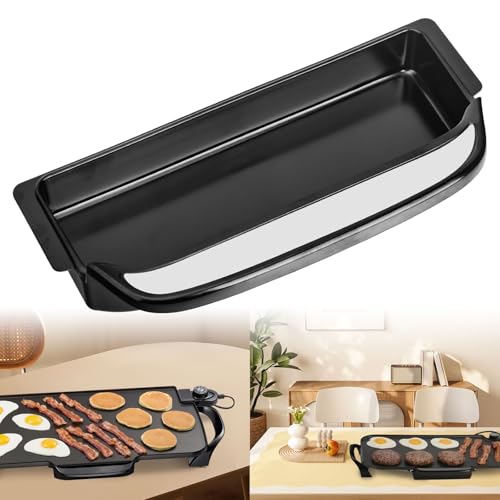
85888 Drip Tray Replacement Compatible with Presto 0706 0706201 0706101 22-Inch Electric Griddle: best for replacement parts
This is a replacement drip tray for a Presto 22-inch electric griddle, so it does not belong in a holiday warming tray guide.
If your concern is a holiday dinner warmer, this item does not solve that problem. Its value is purely as a maintenance part for a compatible griddle setup, not for keeping casseroles, rolls, or gravy hot on the buffet.
The drawback is obvious: it is the wrong category for the search intent. Buyers looking for holiday dinner service should skip it unless they specifically need a replacement tray for the named griddle models.
Warming mat or tray for flexible tableware?
Choose a warming mat when you need table flexibility more than a fixed buffet layout. A mat works well under mixed serving bowls, can be rolled or stored more easily than a rigid tray, and helps when your dishes change from one holiday meal to the next. A flat electric tray is better when you want one steady serving zone.
What the mat format changes
The mat format changes placement, not pan capacity. A Consiwa warming mat measures 16″ x 16″, and the available product information also lists 6 temp settings and a 6-hour timer, which makes it useful for gradual holiday service rather than one oversized platter. A separate listing shows a 34″ x 16″ version, so dimensions vary by retailer and model.
-
Map the serving surface.
Set the mat where serving will happen, then check whether the table is wood, glass, or marble. On delicate finishes, use an insulation pad under the mat when the manufacturer or retailer recommends one, since heat transfer to the table surface matters as much as the food temperature.
-
Reserve the mat for lighter dishes.
Use it for rolls, covered vegetables, or a smaller casserole dish. It is less suited to a heavy carving platter or a cluster of large pans, because the mat format spreads heat differently than a rigid heated surface.
-
Watch the serving cycle.
If your model offers a timer, use it for staggered holiday service. That helps you start the rolls early, then move vegetables or gravy into place later so the first dishes do not sit too long and dry out.
A common first-timer mistake is putting a warming mat directly on a fragile surface without checking the table material. On wood, glass, or marble, the safest setup is the one that protects the furniture first and the food second, because a hot buffet station can create a bigger cleanup problem than a lukewarm side dish.
Glass warming surface or stainless steel?
Choose tempered glass if you want a flat, easy-to-wipe surface. Choose stainless steel if durability and faster cleanup of scuffs matter more, but expect more visible fingerprints.
What changes in real serving
A tempered glass surface is usually easier to wipe after a holiday meal. The tradeoff is weight and breakage risk, so handling matters during setup and storage. Stainless steel is tougher and more utilitarian, but it can show smudges quickly.
For holiday service, glass often fits the “main platter plus sides” pattern. Stainless steel makes more sense when the unit is being moved, stacked with pans, or used in a busier buffet setup where scuffs matter less than durability.
Temperature control and food safety
A temperature control dial usually gives low, medium, and high settings rather than exact degrees. That is useful because different foods need different holding behavior. Soups and gravy need gentle heat to avoid separation, while casseroles and mashed potatoes need enough heat to stay above the food safety hot-holding threshold of 140°F without turning dry.
Hot food should stay at 140°F minimum while serving. As a practical rule, keep the buffet moving in a limited window and refresh the pans instead of assuming any warmer can hold food safely all evening. Once the crusts soften, gravy skins over, or mashed potatoes start thickening at the edges, the hold time is too long for that dish style. (Foodsafety)
Holiday menu matching chart
This chart translates the dish, not just the device. A holiday host gets better results by matching the warmer to the food’s texture and serving pace, then by checking whether one surface, divided pans, or a flexible mat fits the table.
| Dish type | Ideal warmer format | Minimum practical surface/capacity | Best temperature-control style | Key failure risk |
|---|---|---|---|---|
| Mashed potatoes | Buffet pan or flat tray with covered dish | One 2.5-quart pan or one medium casserole dish | Low to medium dial setting with periodic stirring | Drying at the edges and thickening into a skin |
| Casseroles | Flat warming tray | One full casserole dish with room for safe handling | Medium setting with overheat protection | Bottom staying hot while the top dries out |
| Gravy | Small covered pan in a divided server | One small pan, ideally kept covered | Low setting or the gentlest cycling mode | Skinning over, scorching, or splitting |
| Rolls | Open tray with a cloth-lined basket or covered dish | One basket or shallow covered container | Low setting | Drying out or turning soft from trapped steam |
| Vegetables | Divided buffet pan | One 1.5-quart to 2.5-quart pan | Low to medium setting | Overcooking, dull color, or loss of texture |
| Carved meat | Large flat warming surface | One platter-sized area with serving tongs nearby | Gentle medium setting with close monitoring | Surface drying and juices cooling too fast |
Say your menu includes mashed potatoes, green beans, and rolls for 10 guests. A divided buffet server keeps the potatoes and vegetables separate, while the rolls can sit on a nearby open tray or in a covered basket. If you try to force all three onto one small flat surface, you lose control over the food’s texture.
Which one should you buy?
Pick the Chefman if your holiday menu leans on one large casserole, a carving platter, or two to three dishes that can share one open surface. Choose Elite Gourmet or Proctor Silex if your dinner needs separate pans for several sides. Choose OVENTE when you need a smaller, more compact buffet setup. Choose a warming mat when your serving area changes often and the table needs more flexibility.
For a table of 6, a single flat warmer or compact buffet server is usually enough. For 10 guests, the safer choice is a unit with divided pans or a larger tray that can hold the main side dishes at once. For 15 guests, look for either a wide open surface plus a second warming point, or a buffet server that keeps the meal organized by dish type.
If cleanup is the deciding factor, a wipe-clean glass top is the simplest route. If you want dishwasher-safe pans and clear dish separation, choose a buffet server. If storage space is tight and the table surface is sensitive, a mat with timer control may be the most practical answer.
Frequently asked questions
What is the best warming tray for food?
The best warming tray depends on the menu. For one large casserole or platter, a flat glass-top unit is usually the most useful. For mixed sides, a buffet server with separate pans makes service easier. The best choice is the one that matches the foods you need to hold above 140°F.
Where to buy warming trays?
You can buy warming trays through major retailers, appliance stores, and online marketplaces. The better filter is not the store but the product format: open tray, buffet server, or mat. Check the published surface size, temperature settings, cleanup details, and whether the unit suits your holiday menu.
Which warming tray keeps food warm without drying it out?
A tray with adjustable temperature control and a gentle low setting is usually best for preventing dryness. Covered buffet pans help with mashed potatoes and vegetables, while a flat tray works better for casseroles and platters. Food dries fastest when the heat is too high or the dish sits uncovered too long.
What size warming tray do I need for a holiday dinner?
For 6 guests, one compact tray or a single buffet section is often enough. For 10 guests, look for a larger flat surface or three smaller pans. For 15 guests, you usually need either a wide surface plus a second serving point or a buffet server with multiple pans.
Are glass warming trays better than stainless steel?
Glass is often better for a flat surface and easier wipe-down cleaning. Stainless steel is usually better for durability and transport, but it can show fingerprints. The better material depends on whether presentation or toughness matters more.
How long can food stay on a warming tray?
Food should stay at a hot-holding temperature of 140°F minimum. In practice, that means using the tray for serving windows rather than leaving food out all evening. The safest approach is to hold food only as long as its texture stays acceptable, then refill with fresh portions if service runs longer.
Products related to this article
Sponsored / affiliate links. As an Amazon Associate I earn from qualifying purchases. I may earn additional commission from eligible campaigns.