Roasting Rack vs Flat Roasting Pan: Which Is Better?
Use a roasting rack when you want stronger airflow and more drippings for pan gravy. Choose a flat roasting pan when you want more meat contact, stovetop sauce work, or extra space for vegetables. Pick wrong, and you can end up with soggy skin, patchy browning, or a pan that fights your menu. This guide compares both setups for turkey, prime rib, chicken, and holiday vegetables.
| Decision factor | Roasting Rack | Flat Roasting Pan | Winner |
|---|---|---|---|
| Crisping | Elevates meat so hot air can circulate under and around it. | More direct contact with the pan surface, which can brown the underside and edges more quickly. | Roasting Rack |
| Gravy yield | More drippings can fall away from the meat and collect below. | Better for fond formation and deglazing, especially if you want to start gravy on the stove. | Flat Roasting Pan |
| Side-dish space | Rack takes up more of the pan interior and can crowd vegetables. | Leaves more flat surface for potatoes, carrots, onions, or other oven sides. | Flat Roasting Pan |
| Stovetop use | Usually not the main advantage unless the pan itself is stovetop-compatible. | Better fit for searing and deglazing when the roaster is built for stovetop use. | Flat Roasting Pan |
| Cleanup | Rack adds a part that needs scrubbing and can trap browned bits. | Fewer parts to wash if you roast without a rack. | Flat Roasting Pan |
Airflow, browning, and drippings explained
The core trade-off is simple: a roasting rack favors airflow and drainage, while a flat roasting pan favors contact and pan work. That difference changes skin texture, drippings, and how much room you have left for vegetables or aromatics.
A rack lifts meat above the pan surface, so hot air can move around it and fat can drip away. A flat roaster keeps the food lower, which can help you build fond for gravy and can leave more open space for side dishes under or beside the roast.
Airflow and browning
A roasting rack helps even cooking because air reaches more of the roast’s surface. Rack shapes vary: V-shaped, U-shaped, and standard wire racks all serve the same basic purpose, though they support the meat differently.
A flat roasting pan gives you more direct pan contact. That can help brown the underside of a roast, but it also means you must rely more on turning the pan, basting, or oven heat distribution if you want even color.
Drippings and gravy
More drippings are not always better. A rack usually sends fat and juices down into the pan, which helps if your goal is pan gravy with a deeper drippings base.
A flat roasting pan can work even better for gravy once the roast comes out, because the browned bits stay on the pan surface where you can deglaze them on a stovetop-compatible roaster. That matters most when gravy is part of the main holiday plan, not an afterthought.
Which pan fits your holiday menu?
Pick the pan around the meal you are building, not just the meat alone. A turkey-heavy menu, a prime-rib menu, and a vegetable-heavy spread each reward a different setup.
Turkey and other large birds
For turkey, a roasting rack is usually the stronger choice because it supports airflow under a large bird and keeps the skin out of pooled juices. That matters even more with birds around about 19 to 20 pounds, where a crowded pan can trap steam and soften the skin.
A flat pan can still work for turkey if you need extra room for onions, carrots, or bread stuffing around the bird. But if the main goal is dry heat around the skin and a cleaner drippings base, the rack gets the edge.
Prime rib and other large roasts
Prime rib often benefits from a rack because the roast can sit above rendered fat while the oven heat reaches the sides more evenly. That said, a flat pan can be better when you want a browned bottom and plan to build a sauce from the pan itself.
For very large roasts, pan size matters as much as rack choice. A common benchmark is a 16 x 12-inch roasting pan, which gives many home cooks enough room for a large prime rib without forcing the meat against the walls.
Chicken and smaller holiday mains
A roasting rack is helpful for a whole chicken when you want the underside to stay out of the fat and the skin to dry well. If the bird is smaller, a rack also keeps the pan from feeling crowded.
A flat roasting pan can be the better choice for a smaller chicken if you want to roast with vegetables in the same vessel. The lower profile gives you more room for potatoes or shallots around the bird.
Vegetables and mixed-pan meals
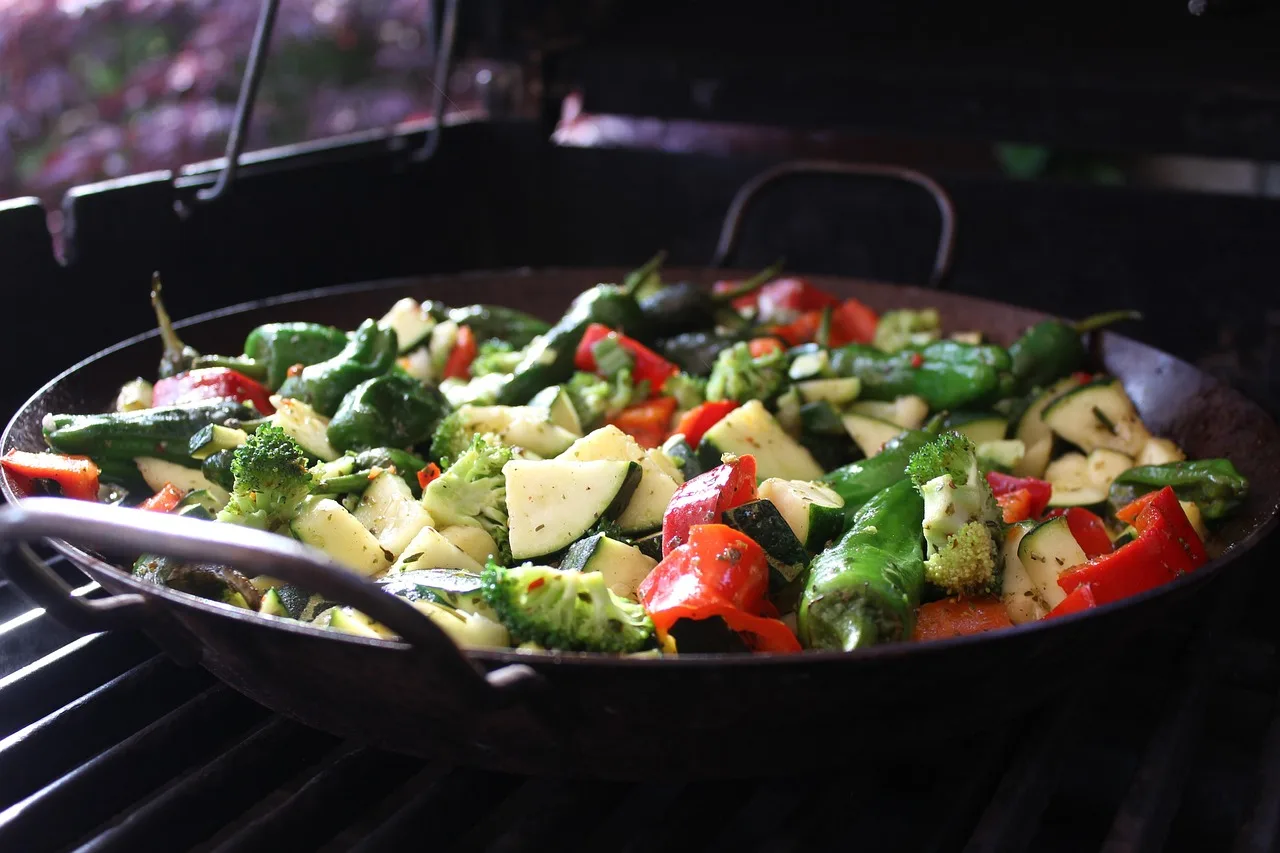
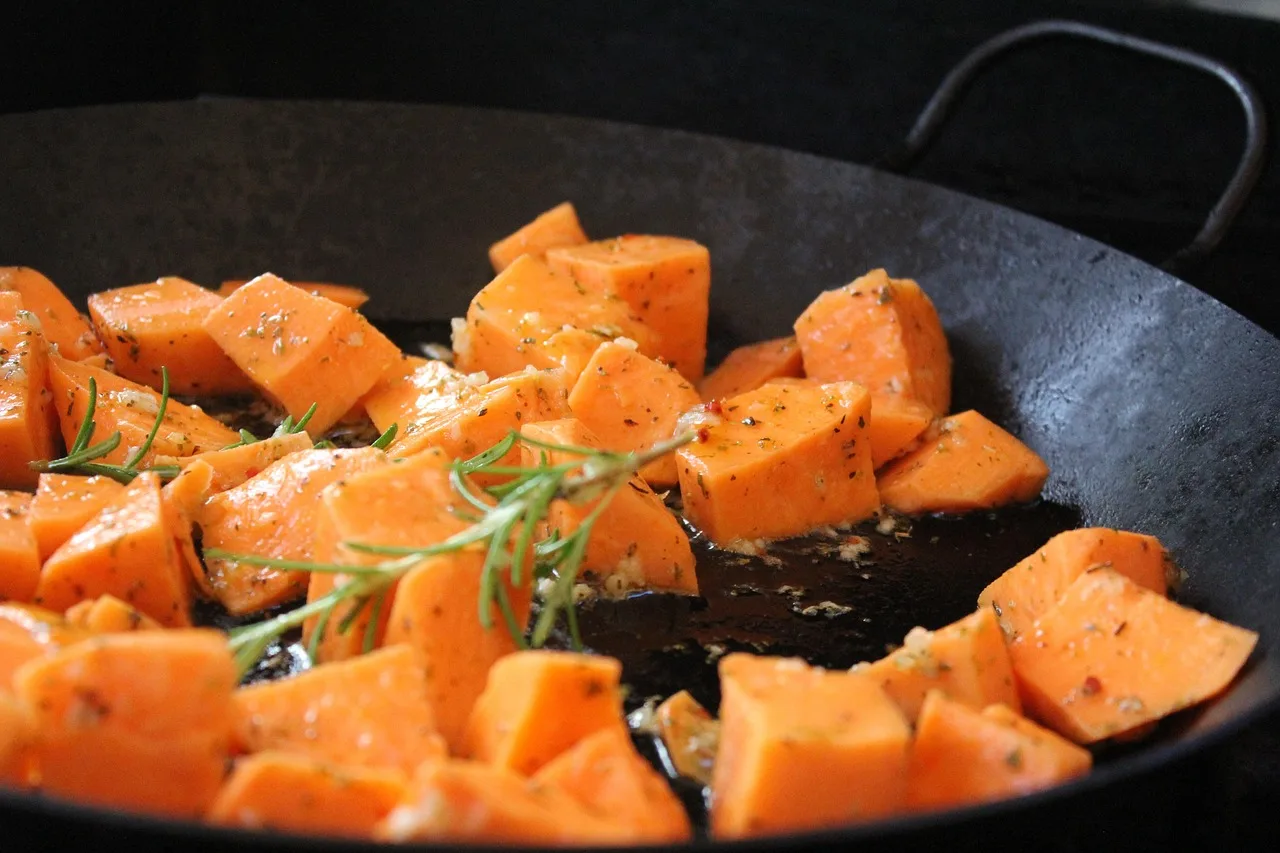
For vegetables, a flat pan usually wins because it gives you more surface area and more direct contact with hot metal. That contact helps browning on cut surfaces and leaves room for spreading food in a single layer.
If you want vegetables under a roast, a rack can still work. IKEA’s KONCIS pan, for example, is described with a rack that lets meat juices drip onto vegetables below, which suits a mixed pan meal when you want the drippings to season what sits underneath.
Crisping, drippings, and gravy
Airflow matters most when skin needs to dry. Pan contact matters most when sauce and fond matter most. Those two goals can point to different pans even within the same holiday menu.
Airflow and browning with a rack
ATK says racks help hot air circulate around the roast, and that circulation is the reason a rack often gives better all-around browning. The meat also drains more freely, so the bottom is less likely to steam in rendered fat.
That advantage is strongest for poultry skin. It is less dramatic for dense cuts with thick fat caps, where direct pan contact can still contribute useful browning.
Pan contact and fond with a flat bottom
A flat bottom creates more contact between the roast and the pan surface. That can help build fond, especially when the pan is hot enough to catch drippings and browned protein as the roast finishes.
This is why a flat roasting pan often pairs better with stovetop gravy work. You can sear or deglaze in the same vessel if the roaster is explicitly stovetop-compatible, which is not true of every model.
How each setup affects gravy yield
A rack usually gives you cleaner drippings, but not always more usable gravy flavor. A flat pan can produce a darker pan surface and more concentrated fond, which can matter more than raw liquid volume.
Suppose you are roasting a turkey with onions and thyme under the bird. A rack gives you clearer drippings for straining, while a flat pan gives you more contact for browning the aromatics in the same vessel.
Roasting rack decision table
| Holiday dish | Crisping | Gravy yield | Side-dish capacity | Stovetop use | Cleanup difficulty | Best fit |
|---|---|---|---|---|---|---|
| Turkey | Better | Better for drippings | Lower | Usually limited by pan model | Harder | Roasting Rack |
| Prime rib | Better for even airflow | Better if you want pan drippings, but flat pan helps fond | Moderate | Depends on pan construction | Harder | Roasting Rack |
| Chicken | Better | Good | Moderate | Depends on pan construction | Harder | Roasting Rack |
| Vegetables | Worse for direct browning | Lower | Lower | Less useful | Harder | Flat Roasting Pan |
What size roasting pan do you need?
For many holiday cooks, 16 x 12 inches is a common minimum benchmark. The same source recommends pans at least 16 inches long and 12 inches wide, and Wirecutter’s top pick is a 16-inch roasting pan with rack that fits a 20-pound turkey.
Why 16 x 12 inches is the common benchmark
That footprint is large enough for a big roast without forcing the meat too close to the side walls. It also gives you useful buffer space if you want to add vegetables or a gravy base around the main item.
Smaller pans can work for chicken or modest roasts, but they get tight fast with a 19-pound or 20-pound turkey. Once the bird touches the sides, airflow and cleanup both get worse.
Turkey capacity and pan depth
Pan depth matters because sides that are too short can let drippings slosh or spill when you move the roaster. The same source notes that a roaster’s sides let you pile food higher without spillover, which helps on busy holiday trays.
A deeper pan is also easier to manage with a heavy bird. A turkey that fits the pan is not enough; it should fit with room for stable lifting and clear drip collection.
Rack fit, handle clearance, and stability
The rack should sit snugly within the pan walls so it does not slide when you move a loaded roaster. Handle alignment matters too, because a rack or pan with awkward handles can make unloading feel unstable.
A common first-timer mistake is buying a big pan and a loose rack separately. The pan may technically fit the bird, yet the rack shifts when you lift it, which makes basting and transfer harder than it should be.
When an oval roaster makes more sense
An oval roaster is useful when you need a smaller footprint for a whole chicken, a mid-size roast, or a side dish that does not need a wide rectangle. Wirecutter’s budget pick is Granite Ware 19-inch Covered Oval Roaster, which shows how a different shape can solve a different menu problem.
Oval pans are often chosen for tighter oven space or for cooks who want a covered roaster instead of an open pan-and-rack setup. They are less flexible for very large birds, but they can be practical for compact holiday menus.
Choose Roasting Rack if… / Choose Flat Roasting Pan if…
Choose Roasting Rack if your holiday menu centers on turkey, chicken, or a roast that benefits from airflow and drainage. It is also the better call when you want cleaner drippings and more even skin color, especially for birds near the 19-pound to 20-pound range.
Choose Flat Roasting Pan if you want direct pan contact, stovetop gravy work, or more room for vegetables and aromatics. It is the more practical choice for mixed-pan meals, searing, and deglazing, as long as the roaster is actually stovetop-compatible.


Can you use a roasting pan on the stovetop?
Yes, but only if the pan is built for it. A stovetop-compatible roaster can support searing and deglazing, which is useful when you want to move straight from oven to gravy without changing pans.
When fully clad stainless steel helps
Fully clad stainless steel has an aluminum layer between stainless layers, which helps heat spread more evenly and reduces warp risk. Fully clad stainless steel is commonly favored for roasting pans because it is more durable and more stable under heat.
That matters on the stove, where thin pans can buckle or heat unevenly. It also matters in the oven, where a warped pan can wobble on the rack and make juices pool on one side.
When to avoid stovetop use
Do not assume every roasting pan can move from oven to burner. Non-stovetop roasters may have materials, coatings, or handles that are not meant for direct flame or high burner heat.
If the product information does not clearly say stovetop-safe, treat it as oven-only. That caution is especially important with oval roasters and covered models, where the shape can look versatile even when the metal is not built for burner contact.
Frequently asked questions
Is a roasting rack better than a flat roasting pan for turkey?
Usually yes, if your priority is crisp skin and stronger airflow around the bird. A rack lifts the turkey above the pan surface, which helps hot air circulate and keeps the bottom from sitting in rendered fat. A flat pan is better only if you want more vegetables or stronger fond for gravy.
When should I use a rack in a roasting pan?
Use a rack when the roast benefits from drainage and all-around browning. That is the default for turkey, many chickens, and several large roasts. If you need the pan surface for vegetables or stove-top gravy work, skip the rack and use the flat bottom instead.
Can I roast vegetables in the bottom of a rack-style roaster?
Yes, but the rack takes up space and can limit how much you can spread the vegetables. That works best when the vegetables are there to catch drippings rather than stand on their own as a full side. A flat roasting pan usually gives better browning and more usable space.
What size roasting pan do I need for a holiday turkey?
A 16 x 12-inch pan is a common minimum benchmark for most home cooks. It is large enough for a big turkey, and Wirecutter says its 16-inch pan with rack fits a 20-pound turkey. For birds near that size, also check pan depth, handle clearance, and rack stability.
Does a flat-bottom roasting pan make better gravy?
It often does if you want to build gravy directly in the pan. The flat surface creates more contact for fond, and a stovetop-compatible roaster lets you deglaze without transferring drippings. A rack can still give excellent drippings, but the flat pan is better for active sauce work.
Can a roasting pan with rack go on the stovetop?
Only if the roaster is labeled for stovetop use and built from suitable materials. Fully clad stainless steel is the safer bet because it heats more evenly and resists warping better than thin pans. If the product does not clearly allow stovetop use, keep it in the oven.
Which is easier to clean, a rack roasting pan or a flat pan?
A flat pan is usually easier because it has fewer parts and fewer surfaces that trap browned bits. A rack adds extra cleanup, especially when drippings bake onto the wires. Dishwasher-safe parts help, but hand-scrubbing a rack still takes more effort than washing a flat pan alone.
Can I use a baking sheet instead of a roasting pan?
Not for a large turkey or a deep holiday roast. A baking sheet has lower sides and less capacity for drippings, so spillover is more likely. A roasting pan is the better tool when you need to hold meat, collect juices, and keep the oven cleaner during a holiday meal.
Products related to this article
Sponsored / affiliate links. As an Amazon Associate I earn from qualifying purchases. I may earn additional commission from eligible campaigns.