How to Choose Cookware for a Holiday Ham Dinner
Choose a roasting pan or baking dish that is about 2 inches wider than the ham on all sides and about 2 to 3 inches deep, with a rack if better browning and glaze flow are desired. Too-small cookware causes overflow, uneven heating, and scorched glaze. This guide covers pan depth, material, capacity, glaze behavior, and when to cook sides with the ham or serve them separately.
What pan depth do you need?
Pan depth is the first filter. A shallow, rimmed half sheet pan works for a smaller ham steak or a compact holiday ham when you want fast roasting and easy access to the vegetables, while a deeper roasting pan is safer when glaze and drippings may run. If the ham is bulky or the glaze is sticky, choose depth over convenience.
A half sheet pan is the common home-cooking format for a smaller holiday ham dinner. It should hold the ham and sides in a single layer, which helps the food roast instead of steam. That setup works best for small crowds and a quicker meal, but it leaves less room for spillover.
A roasting pan is the better choice for a larger whole ham. It is typically deeper than a sheet pan, can hold drippings more securely, and usually pairs well with a roasting rack so air can move under the meat. That extra depth matters when the glaze includes orange marmalade or apricot preserves, since sugary drips can burn on a shallow pan.
Picture a bone-in ham steak with halved potatoes and broccoli spears. A rimmed sheet pan can handle that combination neatly if the pieces fit in one layer. Now picture a larger ham with a thick glaze and no room left around the edges; that is where the deeper roasting pan cuts the chance of overflow and makes carryout less messy.
- Measure the ham first. Check the ham’s footprint, then choose a pan that leaves at least 2 inches of space on every side. That gap helps the heat circulate and gives glaze and drippings room to move without spilling over the rim.
- Match depth to glaze. A deeper roasting pan is commonly recommended when the glaze is sweet or thick, especially if roasting at 425F. Sticky glaze can bubble and run, so extra depth is a practical safety margin.
- Confirm the fit in your oven. Make sure the pan slides onto the middle rack without touching the oven walls or door. A pan that is too large for the oven can heat unevenly and make turning or lifting awkward.
Which cookware material should you choose?
Material matters because holiday ham is wet, sticky, and often served straight from the pan. For this job, aluminum and stainless steel are the most practical choices, while cast iron, glass, and enameled steel each bring trade-offs in heat behavior, weight, cleanup, and carryout. The best material depends on whether you want disposable cleanup, steady browning, or table-ready presentation.
Heavy-gauge aluminum is the easiest cleanup option when you line the pan with heavy-duty foil and coat it with cooking spray or an oil sprayer. Stainless steel is sturdier and better for repeated use, but it may need more attention if glaze bakes onto the surface. Cast iron holds heat well, yet it is heavy for holiday transport and not the easiest pan for a sticky sugar glaze. Glass and enameled steel can look good on the table, but they are less forgiving if the pan has to move from oven to counter full of drippings.
For this kind of dinner, the safest material is the one that matches the serving plan. If you are carrying the food to another room or bringing it to a buffet, a lighter pan with a rack and foil lining is easier to handle. If the meal stays in the kitchen and you want a more polished serving dish, enameled steel or a covered roasting vessel can make sense, provided it still gives the ham enough depth.
- Choose aluminum for easy cleanup. A foil-lined aluminum pan is the simplest route when cleanup matters most. It is light, inexpensive, and easy to carry, but it can flex more than heavier cookware and is less durable for repeated use.
- Choose stainless steel for durability. Stainless steel is a strong choice for a roasting pan with a rack. It stands up well over time, though sticky glaze and baked-on drippings may take more scrubbing than a disposable pan.
- Use cast iron sparingly. Cast iron browns well and holds heat, which can help with a dense ham steak. The trade-off is weight, slower cleanup, and less convenience if you need to move the pan to the table or a buffet.
- Treat glass as a serving pan. Glass can work for a smaller ham or casserole-style side dish, but it is not the best choice for a sticky glaze or a pan you plan to lift while hot. It is better for visible serving than for heavy drippings.
- Pick enameled steel for a hybrid use. Enameled steel can move from oven to table with less fuss than bare steel and with better presentation than plain aluminum. The drawback is cost, plus the finish still needs care to avoid chipped edges.
Ham cookware decision table
| Ham size | Side dishes included | Risk of glaze spillover | Best pan depth | Recommended material | Cleanup difficulty |
|---|---|---|---|---|---|
| Ham steak for 4 to 6 people | Halved baby potatoes and broccoli spears on the same pan | Low to moderate if the pan is rimmed and lined | Half sheet pan, rimmed | Heavy-duty aluminum lined with foil | Low |
| Small bone-in ham steak | Ham only, or ham with a simple green vegetable served separately | Low | Half sheet pan or shallow roasting pan | Stainless steel or aluminum | Low to moderate |
| Smaller holiday ham | Potatoes, broccoli, or Brussels sprouts on one pan | Moderate | Deeper rimmed sheet pan or roasting pan | Stainless steel or enameled steel | Moderate |
| Large whole ham | Sides cooked separately | High if the pan is shallow | Roasting pan with rack | Stainless steel or enameled steel | Moderate to high |
| Ham for buffet-style serving | Sides in casserole dishes | Moderate | Roasting pan or covered oval roaster | Covered enamel carbon steel or stainless steel | Moderate |
Our picks by need
Half-sheet pan for a small crowd

- Disposable aluminum for easy cleanup
- Includes wire handle rack
- Works for roasting, serving, transporting, and storing
Based on the manufacturer’s specs and published product details, this disposable oval aluminum roaster is the easiest cleanup option when you want a small holiday ham dinner to stay simple. The included wire handle rack helps with airflow and carryout, and the disposable design suits a buffet or transport plan.
The drawback is that disposable aluminum is not the sturdiest choice for a heavy whole ham or a pan loaded with vegetables and glaze. It is better for a smaller ham steak or a modest roast than for a larger ham that needs more support.
Roasting pan with rack for a larger ham

- Fits whole holiday roasts up to 24 lb
- 304 stainless steel construction
- Includes rack, vented lid, and baster set
Based on specs and reviews, this 18-inch stainless steel roaster is the best fit when you want more room, a deeper vessel, and a rack for airflow under a larger ham. The vented lid and rack make it useful for oven roasting and for holding drippings more securely than a shallow sheet pan.
The drawback is cost and bulk. It is also more pan than you need for a small ham steak dinner, so the extra size makes sense only when the ham and serving plan justify it.
Dutch oven for saucy sides

- Covered oval roaster for ham, turkey, and vegetables
- Carbon steel construction for even heating
- Naturally nonstick surface for easier cleanup
Based on the manufacturer’s specs and published product details, this covered oval roaster is a practical choice if you want a deeper vessel for a smaller ham plus saucier sides. The enamel carbon steel construction supports even heating, and the covered format helps with moisture retention and table service.
The drawback is that a covered roaster is less flexible than an open sheet pan for crisping vegetables. It also gives you less direct airflow than a rack-equipped roasting pan, so it is better when containment matters more than browning.
Casserole dish for buffet-style serving
A casserole dish works best for one side dish at a time, not for the main ham unless the cut is small and the glaze is light. It is a sensible choice when you want the ham on one platter and the potatoes or vegetables held in separate warm dishes for the buffet.
The drawback is capacity. A casserole dish is usually too shallow and too confined for a larger ham, and it is not the safest option when sticky glaze could bubble over the sides.
Small ham steak for 4 to 6 people
A ham steak is the best answer when you want a holiday ham meal without the size of a whole roast. It cooks faster than a full ham, suits about 4 to 6 people, and can be glazed before baking. A bone-in ham steak is the better roasting choice over deli-sliced ham because it holds up better under high heat and is less likely to dry out.
For this size, a half sheet pan lined with heavy-duty foil is the easiest fit. It keeps the meal on one pan, helps with cleanup, and leaves enough space for baby potatoes and broccoli spears to roast alongside the meat.
How do sides change the pan you need?
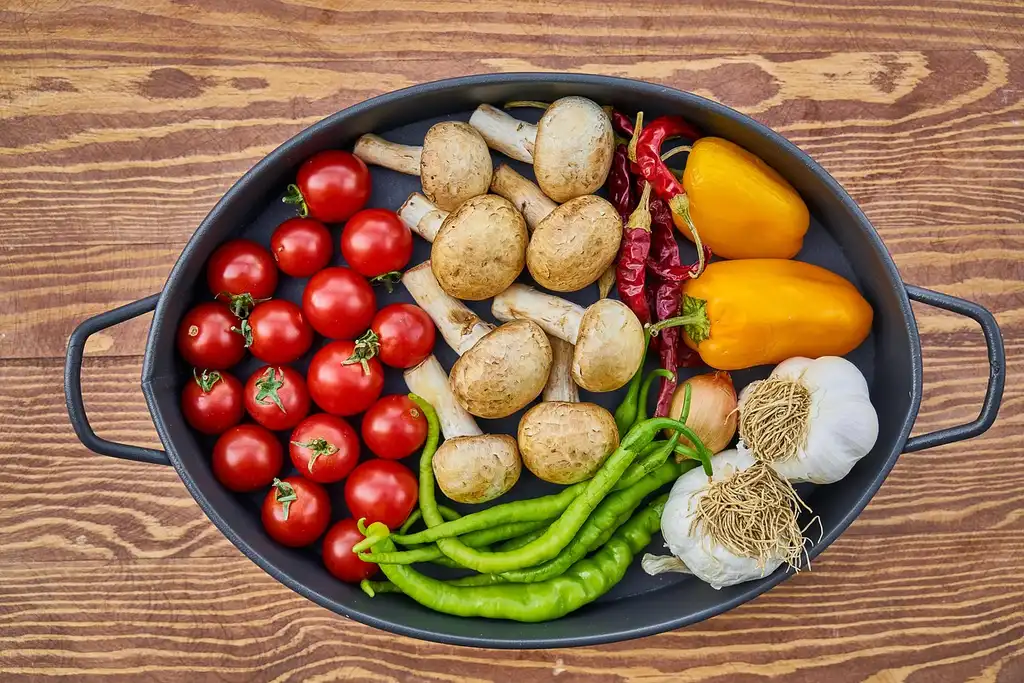
Sides are the deciding factor when you want one-pan cooking. If you plan to roast ham with potatoes and a green vegetable, the pan has to be wide enough for everything to sit in a single layer. If the pan is crowded, the vegetables steam and the glaze has less room to stay contained.
Broccoli spears are the better sheet-pan choice than florets because larger pieces hold up better in the oven. Brussels sprouts can replace broccoli, and green beans can work too if you want a fast-cooking vegetable that fits the same pan. Baby potatoes, especially small red or Yukon Gold potatoes, are the most practical starch for this setup because they can be halved or quartered and cook in about the same time as the ham steak.
Say your pan is a half sheet pan and you are feeding 4 to 6 people. That works well if the ham steak is bone-in, the potatoes are cut small, and the broccoli spears stay in larger pieces. If you add too many vegetables, the pan fills up fast and the glaze has nowhere to go.
- Line the pan first. Use heavy-duty aluminum foil across the full pan, then coat the foil with cooking spray or an oil sprayer. That layer keeps the glaze from welding itself to the pan and speeds cleanup.
- Arrange the ham in the center. Place the ham steak or smaller ham with space around the edges. If you use a rack, set the ham on the rack so the drippings can collect below and air can move around the meat.
- Add the vegetables around it. Spread baby potatoes and broccoli spears in a single layer, keeping the broccoli in larger pieces. If the vegetables pile up, they will steam instead of brown.
- Brush on the glaze. Use orange marmalade or apricot preserves before the pan goes in the oven. Skip mid-bake basting for this style of dinner; pre-roast glazing is simpler and keeps the oven door closed.
- Roast until done. Put the pan in a 425F oven and roast for about 30 minutes, checking that the vegetables are tender and the glaze is bubbling. That timing works for a smaller, one-pan ham dinner with minimal prep, which is about 10 minutes.
Mistakes to avoid
The most common mistake is choosing a pan for the table instead of the food. A beautiful dish that is too shallow, too small, or too hard to move can spill glaze, scorch drippings, and make serving harder. For holiday ham, the pan should fit the meat first and the presentation second.
- Do not use a shallow pan for a sticky glaze-heavy ham.
- Do not crowd the pan with too many vegetables.
- Do not choose deli ham for roasting; it dries out under high heat.
- Do not skip the rim if you are using a sheet pan with glaze.
- Do not forget oven clearance if the pan is large or has a lid.
- Do not rely on mid-bake basting when a pre-roast glaze will do the job cleanly.
A common first-timer mistake is choosing a flat baking sheet because it seems easier to handle. If the ham is larger than a small steak, the glaze can run, the drippings can burn, and cleanup gets harder. A rimmed sheet pan or deeper roasting pan avoids that problem before it starts.
Suppose you want to carry the ham from oven to buffet. A lightweight disposable pan may be easier to transport, but it needs a rack or firm support so the food does not sag under the drippings. If the ham stays on the counter and goes straight to plates, a sturdier stainless steel pan is the better call.
Frequently asked questions
What cookware do I need for ham dinner?
For a small holiday ham dinner, a half sheet pan lined with heavy-duty foil is the simplest choice. For a larger ham, a roasting pan with a rack is safer because it is deeper and holds drippings better. If you want buffet-style serving, use a separate casserole dish for sides.
Should I use a roasting pan or sheet pan for ham?
Use a sheet pan for a smaller ham steak or a small crowd, especially when the meal stays in one layer. Use a roasting pan when the ham is larger, the glaze is sticky, or the drippings need more containment. The deeper vessel is the safer choice for overflow.
What size pan do I need for a holiday ham?
Choose a pan that is at least 2 inches wider than the ham on all sides and 2 to 3 inches deep. That size leaves space for glaze and drippings and makes it easier to move the pan without splashing. A rack helps if you want better airflow under the meat.
Can I cook ham with vegetables on the same pan?
Yes, if the ham is small enough and the vegetables fit in a single layer. Baby potatoes, broccoli spears, Brussels sprouts, or green beans can share a pan with a ham steak, but crowding leads to steaming. Larger vegetable pieces hold up better than tiny ones.
What is the best pan for glazing a ham?
A rimmed roasting pan or a half sheet pan lined with heavy-duty foil works best, depending on ham size. The pan needs enough depth to contain the glaze, and a rack helps if you want better browning. For a sticky glaze, a shallow flat pan is the weakest choice.
Products related to this article
Sponsored / affiliate links. As an Amazon Associate I earn from qualifying purchases. I may earn additional commission from eligible campaigns.