What Cookware Pieces Are Worth Buying Before the Holidays?
Buy the three cookware pieces that solve the biggest holiday bottlenecks first: a large roasting pan with rack, a roomy stockpot or Dutch oven, and one heavy skillet or sauté pan. Choose the wrong pieces and you waste oven space, scorch sauces, and end up shuffling side dishes when timing matters most. This guide ranks holiday cookware by common menu use, so you can shop in the right order before Thanksgiving, Christmas, and other gatherings.
What cookware should you buy first?


Start with the piece that clears the biggest menu bottleneck, then move to the one that supports the next hardest task. For most holiday hosts, that means turkey or roast capacity first, then a pot for soup, stock, cider, or braises, then bakeware or serving gear that matches your guest count and oven space.
Holiday cookware priority matrix
| Menu task | Best piece to buy | Why it earns priority | Budget tier | Substitutions if you skip this piece |
|---|---|---|---|---|
| Roasting turkey or large roast | Roasting pan | Fits bird size needs, gives enough depth for drippings, and works best with a rack when you want even airflow and easier cleanup. | First-buy | Use a Dutch oven for smaller roasts or a sheet pan for flatter poultry, but expect less drippings capacity and less room for airflow. |
| Soup, stock, cider, pasta | Stockpot | Handles batch volume for crowds, supports make-ahead cooking, and keeps liquids moving without crowding the pot. | First-buy | Use a Dutch oven for smaller batches, or split the job across two pans if you need more capacity than one heavy pot can hold. |
| Braises, mashed sides, one-pot mains | Dutch oven | Retains heat, moves from oven to table, and handles sides and mains in one vessel. | Second-buy | Use a stockpot for liquids or a casserole dish for baked sides, but you lose the heat retention and stovetop-to-oven flexibility. |
| Baked sides and gratins | Casserole dish | Covers family-size portions, presents well on the table, and gives reliable oven-safe baking for holiday sides. | Second-buy | Use a Dutch oven for deeper bakes or a sheet pan for thinner, faster-cooking sides, but serving style changes. |
| Vegetables, appetizers, cookies | Sheet pan | Runs multiple batches, spaces out oven loads, and handles high-heat roasting or rimmed holding tasks. | First-buy | Use a casserole dish for saucy vegetables or smaller batches, but you give up the broad surface that promotes browning. |
| Single-serve desserts and sides | Mini cocotte or ramekin | Portions cleanly for guests and makes small desserts or savory sides feel intentional. | Optional-upgrade | Use a casserole dish or muffin pan if you only need portioning, not presentation. |
| Buffet holding | Chafing dish or warming server | Maintains food-safe serving temperature and supports self-serve holiday spreads. | Optional-upgrade | Use insulated serving dishes or smaller refillable pans if the food will be served quickly rather than held for long periods. |
| Turkey carving and transfer | Carving board set | Juice groove, stability, and a knife-friendly surface make carving less messy and easier to move to the table. | Second-buy | Use a rimmed sheet or platter lined for juices if you only carve once and do not need a dedicated station. |
| Serving hot dishes | Oven-to-table serveware | Retains heat, looks presentable, and reduces transfer steps from oven to table. | Second-buy | Use the baking dish itself if presentation matters less than keeping the meal moving. |
If your oven is small, skip oversized specialty pans that crowd the rack layout. A 9 x 13 casserole dish, a half-sheet pan, and a medium Dutch oven will cover more holiday menus than a shelf full of single-use shapes.
-
Match the largest bottleneck first.
Choose the pan or pot that solves the dish you cannot safely replace with another vessel. If turkey is the centerpiece, a roasting pan matters more than another casserole dish. If the meal leans on soup, gravy, or braises, a stockpot or Dutch oven earns the first spot.
-
Check oven space before buying.
Measure rack width and usable height, then compare that to the piece’s footprint and lid clearance. A large pan that blocks airflow can slow browning and force awkward rack swaps during peak cooking time.
-
Buy for guest count.
For a small gathering, one 9 x 13 casserole dish and one half-sheet pan may be enough. For larger crowds, look for pots and pans that handle repeated batches so you are not limited by one vessel while the rest of the meal waits.
Say your menu includes a turkey, mashed potatoes, green beans, and dessert bars. A roasting pan plus one sheet pan removes the most pressure from the oven, while a Dutch oven or stockpot handles gravy or cider without forcing another burner to carry the whole meal.
Do you need a roasting pan?
You need a roasting pan when you are roasting a turkey or large roast that needs depth, rack support, and room for drippings. You may not need one if your holiday main fits better in a Dutch oven, or if you are mostly making sides and choose a sheet pan or casserole dish instead.
When a roasting pan earns its place
A roasting pan matters when the bird or roast needs height above its drippings and enough clearance for even heat circulation. Look for oven-safe construction, depth that limits splatter, and rack compatibility so the meat is not sitting in rendered fat.
Easy-drip handling matters too. A pan with sturdy handles and enough surface area to pour off juices reduces the chance of spills when you move from oven to stovetop or strain the drippings for gravy.
When another piece is smarter
A Dutch oven can replace a roasting pan for smaller birds, braised meats, and dishes that benefit from lid retention. It is the better choice when you want one vessel for both cooking and serving, or when oven space is tight and you need a lidded pot that holds heat well.
A sheet pan is the smarter buy for spatchcocked poultry, vegetables, and appetizer batches. It also makes sense if you roast in flatter portions and do not need the depth or drippings volume of a traditional roasting pan.
Picture a shallow roasting pan under a heavy turkey breast. It will catch drips, but it can also spill over fast if the bird is large or the sides are too low. A deeper pan with a rack is safer, and a Dutch oven may be better if the roast is smaller and braised rather than dry-roasted.
Which pieces work hardest for sides and mains?
The hardest-working holiday pieces for sides and mains are the Dutch oven, casserole dish, sheet pan, and stockpot. These cover braises, baked sides, roasted vegetables, soup, cider, and pasta without forcing you to own a separate pan for each recipe.
Dutch oven: the most flexible buy
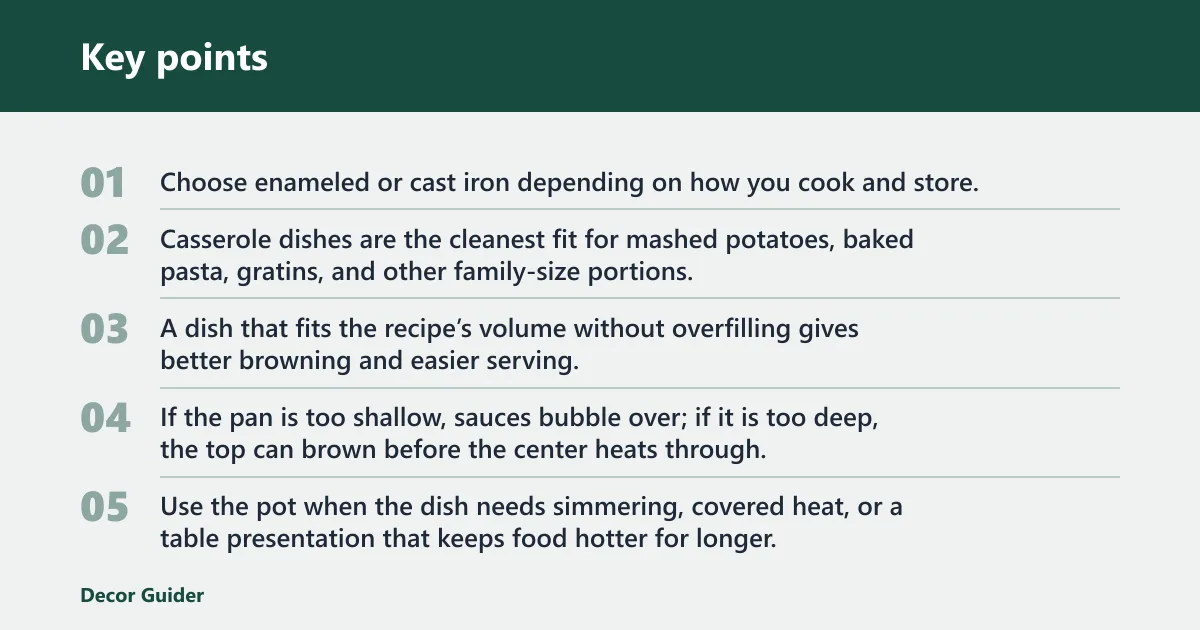
Choose enameled or cast iron depending on how you cook and store. Enameled versions are easier to clean and move from oven to table, while bare cast iron holds heat well and can do heavy lifting for braises, soups, and holiday mains.
A Dutch oven beats a roasting pan when the dish needs a lid, steady heat, or a recipe that starts on the stovetop and finishes in the oven. It is also the better choice for soups and braises, where moisture retention matters more than open airflow.
Casserole dish: best for baked sides
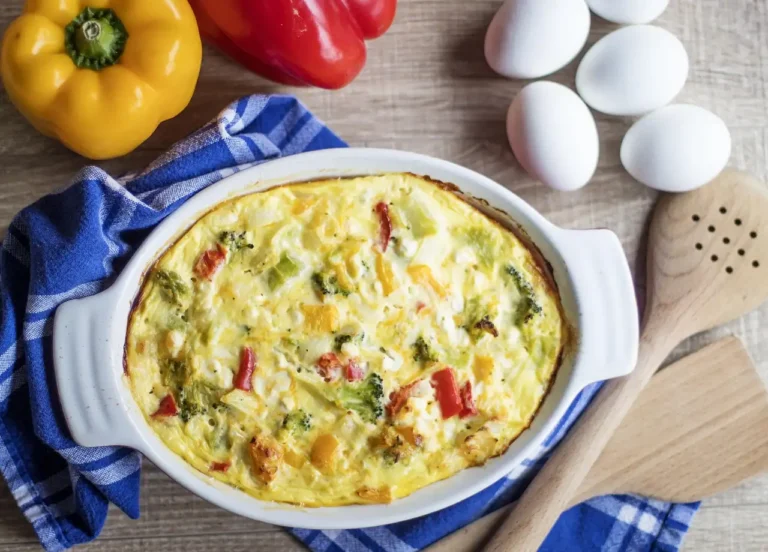
Casserole dishes are the cleanest fit for mashed potatoes, baked pasta, gratins, and other family-size portions. Glass, ceramic, and stoneware all work, but check the oven-safe temperature limit before loading a dish with a high-heat recipe or a broiler finish.
Shape matters more than style. A dish that fits the recipe’s volume without overfilling gives better browning and easier serving. If the pan is too shallow, sauces bubble over; if it is too deep, the top can brown before the center heats through.
If you are choosing between a casserole dish and a deeper pot, use the casserole when the goal is a baked top and tidy serving. Use the pot when the dish needs simmering, covered heat, or a table presentation that keeps food hotter for longer.
Sheet pan: batch workhorse for the oven
A half-sheet pan is the standard workhorse for holiday cooking, while a quarter-sheet pan helps with smaller batches, appetizers, or oven spacing. High-rim pans are useful for saucy vegetables and roasted potatoes, while rimless styles are better for cookies and easy transfer.
Use a quarter-sheet when the batch is small, the oven is crowded, or you want to separate sweet and savory items. Use a half-sheet when you need the broad surface that browns vegetables, spreads appetizers, or supports a larger roast-style load.
Pay attention to warp resistance and cleanup. Holiday ovens stay busy, and thin pans can twist under heat, which affects browning and makes them harder to stack or store after the meal.
Stockpot: large liquid jobs
A stockpot is the clear choice for soup, stock, cider, and pasta when the batch size is too large for a Dutch oven. Look for a lid that fits well and enough height to prevent boilovers, especially if you are making ahead and reheating later.
Choose a stockpot when liquid volume matters more than browning. Choose a Dutch oven when the recipe needs both heat retention and surface contact for searing, simmering, or serving straight from the pot.
What should you buy for serving and buffet holding?
Serving pieces matter when the meal moves from stove and oven to buffet or table. Chafing dishes, carving boards, and oven-to-table serveware help keep food hot, organized, and easier to pass around without last-minute scrambling.
Chafing dish or warming server
Buy a chafing dish or warming server if you need buffet holding for more than a few minutes. Focus on heat source compatibility, food-safe temperature maintenance, and how much food it can hold without crowding the tray.
These pieces are most useful for self-serve holiday spreads where guests return for seconds and the food needs to stay hot while the rest of the meal finishes. If you only serve plated dinners, this may stay in the optional-upgrade column.
Carving board set
A carving board set earns its place if you serve turkey, ham, or roast beef. Look for a juice groove, a stable base, and a surface that is gentle on knives while still large enough for the bird or roast you plan to carve.
The transfer step matters. A board that can hold meat on one side and rest carved slices on the other keeps the counter cleaner and shortens the trip from carving station to serving platter.
Oven-to-table serveware
Oven-to-table serveware works best when you want heat retention and good presentation in the same piece. Choose material durability, handle safety, and enough grip clearance to move the dish without wrapping it in extra towels or juggling mitts.
When you want the simplest setup, pick one serving dish that can do double duty as a baking dish. That saves storage, cuts transfers, and keeps the menu moving from oven to table with fewer steps.
What belongs in a small holiday baking setup?
A small holiday baking setup should focus on pieces that portion well, stack easily, and fit common oven sizes. Mini cocottes or ramekins cover single-serve desserts and sides, while a half-sheet pan and a common casserole dish handle most of the rest without taking over storage.
Mini cocotte or ramekin
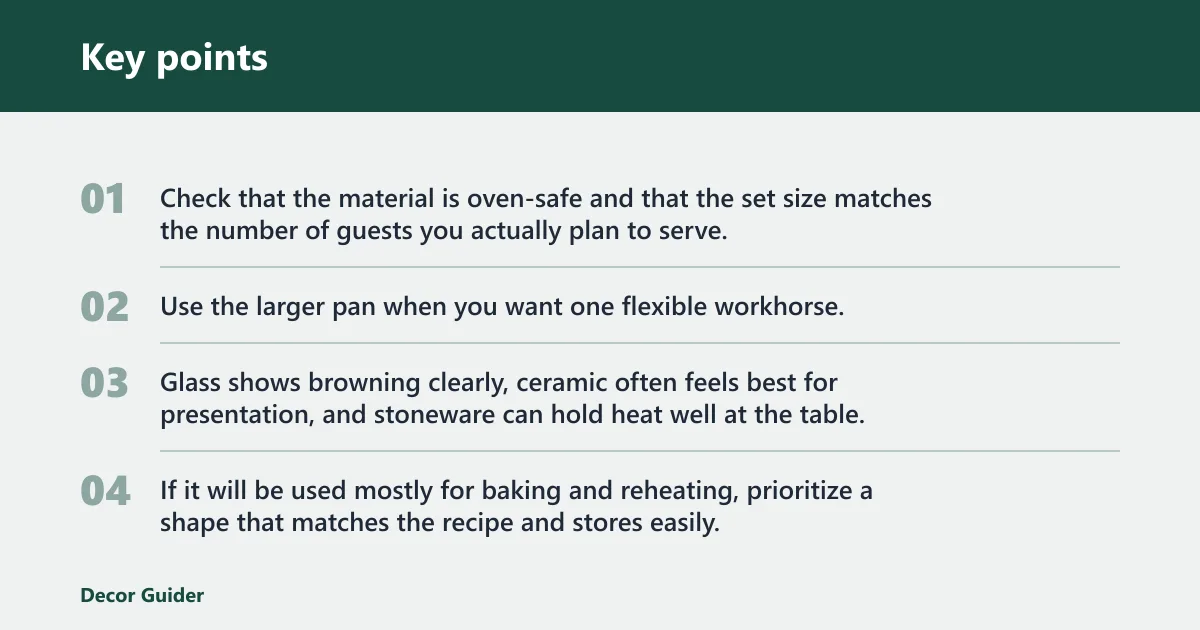
Mini cocottes and ramekins are best for single-serve desserts, custards, baked dips, and side dishes that need individual portions. Check that the material is oven-safe and that the set size matches the number of guests you actually plan to serve.
Presentation is part of the value here. These pieces make plated desserts look intentional without extra garnishing, and they let you bake a set number of servings instead of slicing a larger pan at the table.
Half-sheet versus quarter-sheet
A half-sheet pan is the better first buy for most hosts because it covers roasting vegetables, cookies, and appetizer batches. A quarter-sheet pan helps when oven space is tight, when you need small batches, or when you want separate pans for savory and sweet items.
Use the larger pan when you want one flexible workhorse. Use the smaller one when you are baking in stages, managing a compact oven, or keeping holiday items separated before serving.
Glass, ceramic, and stoneware tradeoffs
Glass shows browning clearly, ceramic often feels best for presentation, and stoneware can hold heat well at the table. The right pick depends on the recipe’s oven-safe temperature limits, how often you reheat leftovers, and whether the dish needs to go straight from oven to table.
If the dish will live on the table for the whole meal, choose durability and heat retention over decorative shapes that are awkward to lift. If it will be used mostly for baking and reheating, prioritize a shape that matches the recipe and stores easily.
How should you buy for budget and storage?
Buy in tiers so you cover the holiday menu without filling cabinets with one-use pieces. First-buy items solve the biggest cooking bottlenecks, second-buy items expand flexibility, and optional upgrades should only come after you know they fit your storage and entertaining style.
First-buy essentials
Start with a roasting pan if turkey or roast is the main event, a stockpot or Dutch oven for liquids and braises, and a half-sheet pan for vegetables and appetizers. These pieces carry the most recipes through Thanksgiving and Christmas, and they stay useful after the holidays.
Second-buy multipurpose upgrades
Add a casserole dish, carving board set, and oven-to-table serveware once the core cooking jobs are covered. These items support the meal from oven to table and are worth buying early if your hosting style leans toward family-style serving or repeated baked sides.
Optional items for larger gatherings
Mini cocottes, ramekins, and chafing dishes make sense when you host often or serve buffet-style meals. They are useful, but they do not fix the biggest bottlenecks in the kitchen the way a deep roasting pan or a large stockpot does.
If you have one oven rack free because the rest of the meal is already scheduled on the stovetop, a casserole dish may beat a second roasting pan. It solves the side dish problem without asking for more oven real estate.
Frequently asked questions
What cookware pieces are worth buying before the holidays?
The pieces worth buying first are the ones that remove the biggest holiday bottlenecks: a roasting pan for turkey or roast, a stockpot or Dutch oven for soups and braises, and a half-sheet pan for vegetables and appetizers. After that, add a casserole dish, carving board, and serving pieces as your menu requires.
What should I buy first if I’m hosting Thanksgiving or Christmas dinner?
Start with the item that matches your centerpiece dish. If turkey is the main event, buy a roasting pan with rack support and enough depth for drippings. If your menu leans on soup, cider, or braises, a stockpot or Dutch oven should come before decorative serving pieces.
Do I need a roasting pan or Dutch oven for holiday meals?
You do not need both for every holiday meal. A roasting pan is the better choice for a large turkey or roast that needs open airflow and easy drippings handling, while a Dutch oven is better for smaller roasts, braises, soups, and oven-to-table serving. Many homes can start with one and add the other later.
Which cookware pieces do I actually use the most during holiday cooking?
The most-used pieces are usually the half-sheet pan, Dutch oven, stockpot, and casserole dish. Those four cover roasting, baking, braising, boiling, and reheating, which means they work across mains, sides, and leftovers instead of sitting idle after one meal.
What is the best budget cookware to buy before holiday hosting?
If storage and budget are tight, buy the cookware that handles multiple jobs: a sturdy half-sheet pan, a medium Dutch oven or stockpot, and one 9 x 13 casserole dish. Those three pieces cover the widest spread of holiday tasks without forcing you into specialty items that only work once a year.
What cookware do I need for roasting turkey, baking casseroles, and serving guests?
For that mix, you need a roasting pan with rack and depth for the turkey, a casserole dish sized to the side you plan to bake, and at least one serving piece that keeps food hot on the table. Add a carving board set if you plan to carve at the table, and a warming server only if guests will serve themselves for a long stretch.
Buy by task, not by category. That keeps you from overbuying a pan that looks useful but never solves a real menu problem.
Products related to this article
Sponsored / affiliate links. As an Amazon Associate I earn from qualifying purchases. I may earn additional commission from eligible campaigns.