Best Pie Plates for Holiday Baking (2026): Research Shows
For Thanksgiving and Christmas baking, the best pie plate is a 9-inch, 1.5- to 2-inch-deep ceramic or glass dish for standard pies, with metal or borosilicate options if you need faster browning or safer transport. The wrong plate can leave soggy bottoms, underbaked centers, cracked serving pieces, or spills on the way to the table. This guide compares pie plates by crust color, depth, heat response, presentation, and portability for sweet and savory holiday bakes.
Quick comparison
| Product | Badge | Best for | Price | ||
|---|---|---|---|---|---|
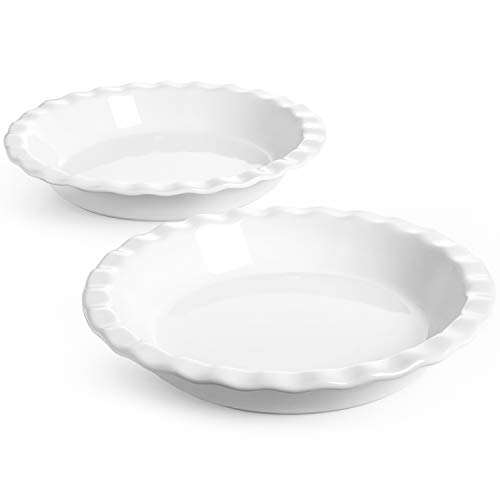 |
LE TAUCI Ceramic Pie Pans for BakingLE TAUCI | Our pick | 9 inch · Set of 2 · White | $28.99
Price as of 26 Nov 2026
|
View |
 |
SIMAX Glass Pie Pan for BakingSIMAX | Upgrade pick | 11 inch · Round · Glass | $29.68
Price as of 26 Nov 2026
|
View |
 |
MORA Ceramic Pie Pan for BakingMORA | Also great | 9 inch · Deep · Vanilla White | $27.99
Price as of 26 Nov 2026
|
View |
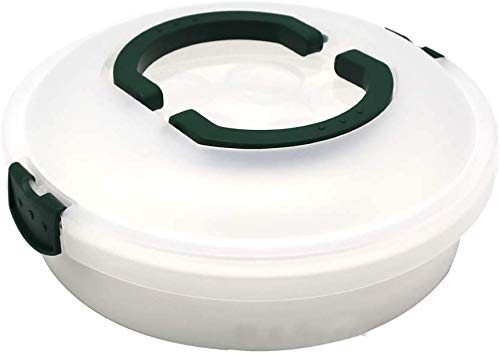 |
ATRDTO 10 Inch Portable Pie Carrier with Lid and Tray 3-In-1ATRDTO | Pair with it | 10 inch · Portable · Green | $21.99
Price as of 26 Nov 2026
|
View |
This quick view separates holiday baking needs that often get lumped together. Thanksgiving pies, Christmas desserts, and savory bakes do not all need the same depth, browning speed, or serving style.
How we chose
The picks below follow four checks: fit for common holiday pie sizes, crust browning performance, visibility or presentation value, and usefulness for transport or make-ahead baking. The list also favors pieces with clear oven-safety details, practical cleaning care, and enough value to matter over multiple holiday seasons.
LE TAUCI Ceramic Pie Pans for Baking, 9 Inch: best for table service
- Fluted rim design makes crimping dough easy
- Even heat distribution for crispy crusts
- Oven, microwave, and dishwasher safe
The LE TAUCI ceramic set fits best when the pie has to look good on the table. Based on the listed specs, the 9-inch size suits standard pies, the fluted rim helps with crimping, and the ceramic body holds heat well at serving time.
It is a good match for Thanksgiving or Christmas pies that move straight from oven to serving table, such as apple pie, pecan pie, or a savory quiche. The drawback is cost: at $28.99 for a set of 2, ceramic usually costs more than a basic metal pie pan, and it is less transparent than glass when you want to check the crust from the side.
SIMAX Glass Pie Pan for Baking, 11 Inch: best for deep holiday fillings
- Large 11-inch diameter holds deep holiday fillings
- Borosilicate glass resists thermal shock
- Elegant fluted sides enhance presentation
The SIMAX glass pan is aimed at larger holiday bakes that need room for tall fillings. Its borosilicate glass construction is the main advantage here, because thermal shock resistance matters when you are moving between the freezer, fridge, and oven during holiday prep.
Use it for deep pumpkin pies, layered fruit pies, or a large savory bake where the filling sits higher than a standard pie dish can comfortably hold. The tradeoff is size: an 11-inch pan is less standard than a 9-inch plate, so recipes written for a common pie dish may need adjustment in bake time and filling volume.
MORA Ceramic Pie Pan for Baking, 9 inch: best for deep presentation
- Extra deep sides for pot pies
- Ceramic with stronger Paladin Clay
- Crystallized glaze prevents scratches
The MORA ceramic dish suits bakers who want a 9-inch pan with more depth for thicker holiday fillings. Its deep sides make it practical for pot pies, quiche, and fruit pies that rise high after baking, while the glazed ceramic body supports a polished serving look.
The downside is the same one common to many ceramic dishes: it is heavier than metal and gives you less visual access to the crust than glass. At $27.99, it also sits in the more expensive category for a single pie dish, so the value depends on how often you bake deep pies.
ATRDTO 10 Inch Portable Pie Carrier with Lid and Tray: best for transport
- Durable collapsible handles for easy transport
- Removable cupcake tray included
- Food grade, BPA-free plastic material
The ATRDTO carrier is for moving a finished pie, not baking it. Its main value is the lid and portable base, which make it useful for potlucks, holiday travel, and any make-ahead bake that needs protection on the trip to dinner.
The limitation is obvious: it is a carrier, not a pie plate for the oven. It helps after the bake, but it does nothing for crust browning or doneness checks in the oven, so it should be paired with a separate baking dish.
What size pie plate is best for Thanksgiving pie recipes?
A 9-inch pie plate is the safest default for most Thanksgiving recipes because many formulas are written for that size. It also works well for pumpkin, apple, and quiche, and it is easier to judge crust color in a standard dish than in an oversized pan that spreads the filling thinner.
Why the 9-inch size fits most holiday recipes
Cook’s Country found the top-performing plate was a standard 9-inch Pyrex pie plate, and it tested pie plates with blind-baked pie crusts, quiche, and apple pies. That matters because those are common holiday jobs. A 9-inch dish usually lands in the right range for thickness, filling depth, and dependable bake times.
When clear sides help you judge browning
Glass earns a practical edge here because you can see the crust through the sides. Baking Bites says the Pyrex glass pie plate lets you check the pie through the sides, which helps when you are watching for a browned bottom crust or trying to avoid overbaking the edges while the center finishes.
9.5-inch pie plate: best for multipurpose baking
A 9.5-inch pie plate makes sense when you want a little more room than a standard 9-inch dish without moving all the way to a specialty pan. It suits standard pies, and the extra half-inch can help when a recipe runs full or when you want a shallower filling spread for even browning.
When the extra half-inch matters
That extra space is useful for holiday recipes that tend to bubble up, especially fruit pies with generous filling. Sabor Mexicana notes the Pyrex C-209 is 9.5 inches in diameter, and that size can help avoid overflow when a recipe runs generous or the crust is folded high at the edge.
What to expect from fluted-rim models
Fluted rims are more about handling and presentation than pure performance, but they can help with crimping. Some 9.5-inch Pyrex models are marketed as multipurpose bakeware, which makes them useful if you want one dish that can handle dessert, quiche, and a holiday side without feeling oversized.
Deep-dish pie plate: best for high-filling recipes
Deep-dish pie plates are worth it when the filling volume is the point of the recipe. They are useful for thick pumpkin pies, pecan pies with a generous layer, and savory holiday quiche that needs more room than a standard plate can give.
Holiday pies that need more depth
Deep dishes reduce spill risk and make it easier to build a tall filling that slices cleanly. They are also the better call when you want a pie to feed more people without pressing the filling so high that it threatens the rim or bakes unevenly.
When bake time usually runs longer
Expect a longer bake when the filling is deeper, since heat has farther to travel to the center. That is where glass can help with visual checks, while ceramic can hold heat well after baking. A deep dish does not fix an underbaked center on its own; it just gives the recipe more room.
Which pie plate material is best?
Glass is the best all-around material for most holiday bakers who want to watch the crust, ceramic is best for serving at the table, and metal is best when you want faster browning and a lower price. The right choice depends on whether you care most about doneness checks, heat retention, or crust color.
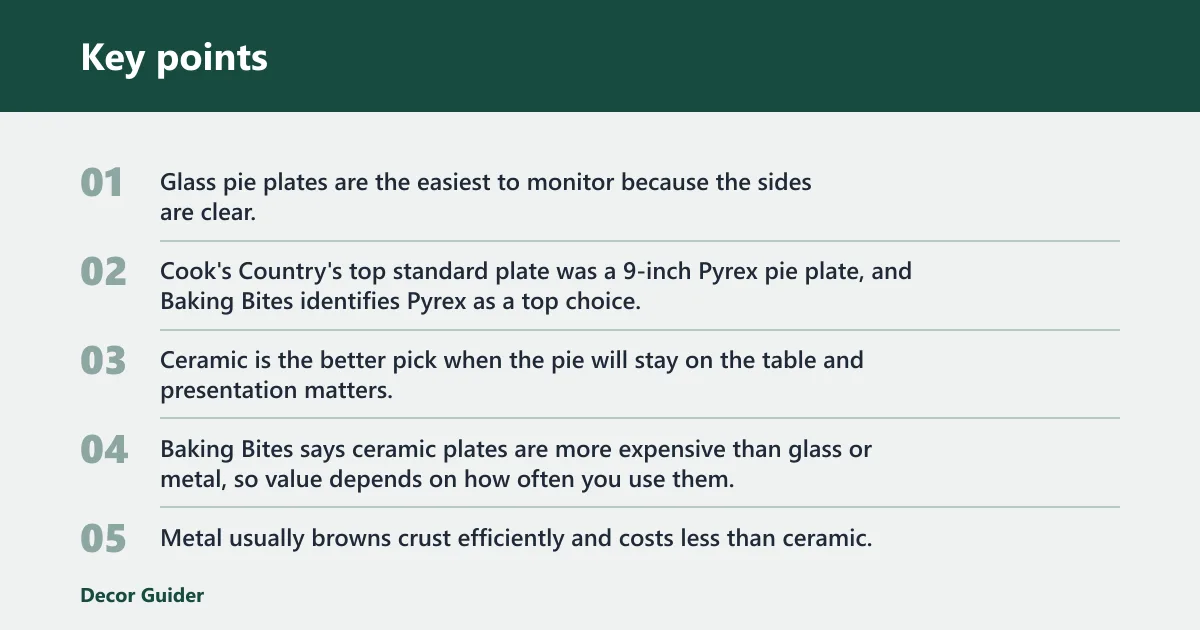
Glass pie plates
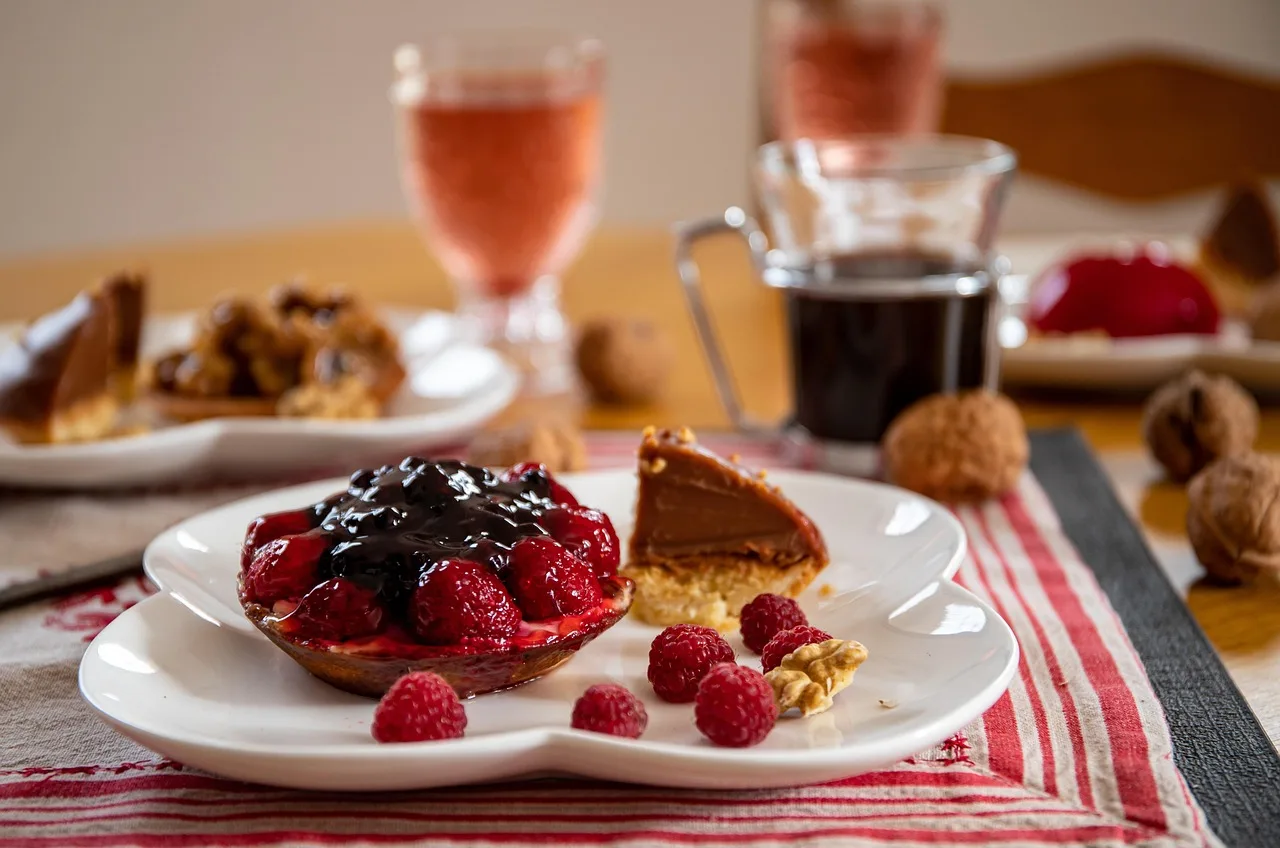
Glass pie plates are the easiest to monitor because the sides are clear. Heat-treated or tempered glass can also be freezer, microwave, or dishwasher safe depending on the model, though those claims vary and you should check the exact dish before moving it from cold storage to a hot oven.
Cook’s Country’s top standard plate was a 9-inch Pyrex pie plate, and Baking Bites identifies Pyrex as a top choice. Baking Bites also notes that Pyrex pans have been around for decades, which helps explain why they remain common for holiday baking.
Ceramic pie plates
Ceramic is the better pick when the pie will stay on the table and presentation matters. Wirecutter recommends an Emile Henry 9-Inch Pie Dish as a top pick and describes it as beautiful and practical for holiday serving. The same source says ceramic plates are more expensive than glass or metal, so value depends on how often you use them.
Metal pie plates
Metal usually browns crust efficiently and costs less than ceramic. The drawback is visibility: it is harder to judge doneness without lifting the pie, so it is easier to miss a pale bottom or overbrowned rim if you are not watching closely.
Pie plate decision matrix
| Material | Browning speed | Visibility of doneness | Transport safety | Deep-dish suitability | Best use case for Thanksgiving or Christmas pies |
|---|---|---|---|---|---|
| Glass | Moderate to good | High, because the sides are clear | Good if handled carefully; avoid thermal shock | Good in standard and deep models | Apple pie, pumpkin pie, quiche, recipes where you need to watch the bottom crust |
| Ceramic | Moderate; can brown edges faster | Low | Fair; heavier, so use a carrier for travel | Good | Table service, make-ahead holiday pies, pies that stay in the dish for serving |
| Metal | Fast | Low | Good; light and durable | Varies by model | When you want a crisp crust and a low-cost pan for repeat holiday baking |
| Deep-dish specialty model | Depends on material and thickness | Depends on material | Fair to good | Excellent | Pumpkin, pecan, and savory quiche with tall filling volume |
| Failure cases | Soggy-bottom risk rises with underbaking or weak heat transfer | Cracking risk rises with thermal shock in glass | Edge-overbrowning risk rises in dark or hot-running pans | Too-shallow pans can overflow | Choose a different dish when the recipe needs more depth, better visibility, or safer travel |
A common first-timer mistake is moving a hot glass pie plate onto a cold stone or wet counter. That can increase cracking risk, especially during holiday prep when you are rushing between batches. If the dish has just come from the freezer, let the temperature change happen gradually.
Picture a Christmas quiche with a tall filling in a shallow metal pan. The crust may brown quickly, but the center can lag behind. A deeper dish, or a 9.5-inch model with a little more room, gives the filling space without forcing the edges to overcook while the middle catches up.
Which one should you buy?
A common pick for crisp crust and visibility is a 9-inch glass pie plate, especially if you bake pumpkin, apple, or quiche and want to monitor the sides as the pie cooks. The best buy for serving at the table is a ceramic dish. The best buy for travel and make-ahead baking is a lidded carrier paired with a separate oven-safe pie plate.
Best pick for crisp crust and visibility
Choose a standard 9-inch glass plate first if your main goal is reliable holiday baking. Cook’s Country’s top performer was a standard 9-inch Pyrex pie plate, and Baking Bites points to Pyrex as a top choice. That combination makes sense for bakers who want a familiar size and a clear view of the crust.
Best pick for serving
Choose ceramic if the pie will move from oven to table and stay there. Wirecutter’s Emile Henry 9-Inch Pie Dish fits that job well, and its appeal is easy to understand for holiday hosts who want one piece to bake and serve without switching dishes.
Best pick for travel and make-ahead baking
Choose a glass pie plate with a separate lid or a dedicated carrier if you transport pies often. The same source lists the OXO Good Grips Glass Pie Plate with Lid as a top glass pick and notes its leak-proof lid for storage and transport. Just remember that not all lids are oven-safe, so confirm the lid is for carrying, not baking.
How to choose
-
Match the size to the recipe.
Use a 9-inch dish for most standard holiday pies. Move to 9.5 inches when the filling is generous or the recipe tends to run full, and choose deep-dish only when the filling volume is clearly higher than standard.
-
Choose the material by your priority.
Pick glass when you want to watch the crust, ceramic when you want the pie to stay attractive on the table, and metal when speed and price matter more than seeing through the sides.
-
Check oven and cleanup claims.
Look for clear oven-safe instructions, and check whether the pan is dishwasher safe, microwave safe, or freezer safe only if the maker says so. For glass, thermal shock resistance matters, but freezer-to-oven claims vary by model.
-
Choose lids for transport only.
A lid helps with storage and travel, especially for potlucks and holiday dinner runs, but many lids are not meant for the oven. A carrier is a transport tool, not a baking substitute.
-
Weigh value over several seasons.
A slightly more expensive ceramic dish can be worthwhile if it sees repeated use and pulls double duty at the table. If you bake several holiday pies a season, a durable standard-size glass or metal plate may pay off faster.
Suppose you are baking pumpkin pie for Thanksgiving and cranberry tart for Christmas in the same month. A 9-inch glass plate helps you monitor doneness on the pumpkin pie, while a ceramic dish may suit the tart if it will be set directly on the table. One pan can do both jobs, but not always well at the same time.
Frequently asked questions
Is glass, ceramic, or metal better for pie baking?
Glass is the most practical all-around choice if you want to check doneness through the sides. Ceramic is better when the pie will be served in the dish, and metal is better when you want faster browning and a lower entry price. None wins every time; match the pan to the bake.
What pie plate material browns the crust best?
Metal usually browns crust the fastest, which can help with a crisp bottom. Ceramic can brown edges well too, but it is easier to overdo if the pan runs hot. Glass sits in the middle and gives you the best visibility, which matters when the top and bottom finish at different rates.
Are 9-inch or 9.5-inch pie plates better for standard pies?
For standard pies, 9-inch is still the safer bet because recipes are usually written for that size. A 9.5-inch plate works when you want a little more room, such as for a full fruit filling or a recipe that often threatens to overflow. The half-inch matters more than it sounds.
Can a pie plate go from freezer to oven safely?
Sometimes, but only if the manufacturer says the glass is safe for that move. Thermal shock resistance varies by model and glass type. Even then, avoid setting a hot glass dish on a cold surface. Sudden temperature change is where cracked bakeware becomes a real holiday problem.
Which pie plate is best for transporting a baked pie to a holiday dinner?
A lidded carrier is best for transport, especially when you need a lid that helps with storage and prevents spills. If you want a baking dish with travel support, a glass pie plate paired with a transport lid is the practical setup. Make sure the lid is not treated as an oven part unless the maker says it is.
Are deep-dish pie plates worth it for holiday baking?
Yes, if you make high-volume fillings or savory pies with extra depth. Deep-dish plates are useful for pumpkin, pecan, and quiche recipes that need more room than a standard pan provides. They are less useful for flat fruit pies, where extra depth may only make the bake slower without adding value.
What should I look for in a pie plate for Christmas baking?
Look for a dish that matches the filling you plan to make, then check oven safety, depth, and transport needs. For Christmas, presentation often matters more, so ceramic is strong for serving. If you are baking ahead, choose a pan that can move safely from cold storage to a hot oven without guesswork.
Products related to this article
Sponsored / affiliate links. As an Amazon Associate I earn from qualifying purchases. I may earn additional commission from eligible campaigns.