4 Best Bakeware for Holiday Pies, Cobblers and Crisps
For holiday pies, cobblers, and crisps, the best bakeware depends on the dessert and the finish you want. Use a metal pie pan when you want a crisp crust, a ceramic or glass baking dish when you need deeper fruit filling and a more presentable table dish, and choose a pan with about 1 inch of headroom when the filling is juicy. Pick the wrong pan, and you can end up with a soggy bottom crust, a pale topping, or bubbling fruit on the oven floor. This guide compares the best bakeware for holiday pies, cobblers, and crisps by material, size, browning, serving style, spill control, and cleanup.
Best bakeware for holiday pies, cobblers and crisps
Which pan is best for flaky pie crusts?
A light-colored metal pie pan is the best all-around choice when your main goal is a crisp bottom crust. Metal heats quickly, so the dough starts setting before fruit juices soak in, and a standard 9-inch pan fits most holiday pie recipes without crowding the filling. That faster heat transfer is the key reason metal usually browns better than glass or ceramic.
Which pan is best for spill-prone fruit desserts?
A deep-dish ceramic or glass baking dish is the safer pick for fruit-heavy cobblers and crisps that bubble high. Extra depth gives the filling room to move, and a straighter-sided dish helps contain juice better than a shallow plate. It is a stronger match when you want a table-friendly bake and less risk of overflow.
Quick comparison
| Product | Badge | Best for | Price | ||
|---|---|---|---|---|---|
 |
OXO Good Grips Glass Pie PlateOXO | Our pick | 9-inch · glass · lid included | $17.99
Price as of 25 Nov 2026
|
View |
 |
getstar Ceramic Pie Pan Set of 2getstar | Upgrade pick | 9-inch · ceramic · set of 2 | $31.86
Price as of 25 Nov 2026
|
View |
 |
Cuisinart Chef’s Classic 9-Inch Nonstick Bakeware Deep-DishCuisinart | Also great | 9-inch · nonstick · deep-dish | $14.95
Price as of 25 Nov 2026
|
View |
 |
Wilton Excelle Elite Non-StickWilton | Budget pick | 9-inch · non-stick · removable bottom | $18.99
Price as of 25 Nov 2026
|
View |
This comparison focuses on use, not brand. The right pan depends on fast browning, deeper filling capacity, table presentation, spill control, and how easy it is to clean up after fruit bubbles over.
For holiday baking, the same fruit filling can behave differently in glass, metal, ceramic, or cast iron. The table below maps each common dessert format to the pan style that gives the best result and the most likely failure if the match is wrong.
How we chose
We compared the listed bakeware by four practical criteria: heat behavior, depth and capacity, serving convenience, and tolerance for holiday baking conditions like high oven heat or bubbling fruit juice. We also weighed how each pan affects crust color, cleanup, and the chance of overflow.
That means the recommendations favor performance by dessert format, not general popularity. A pan can be excellent for one fruit dessert and a poor match for another.
Bakeware decision table
| Dessert type | Batch size | Crust goal | Serving style | Best pan material and shape | Failure case to avoid |
|---|---|---|---|---|---|
| Single holiday fruit pie | Standard family pie | Flakiest bottom crust | Slices plated from the dish | 9-inch light-colored metal pie pan | Soggy bottom and pale underside if the pan heats too slowly |
| Deep fruit pie | Extra-full filling | Strong edge support and overflow control | Table service or carry-to-potluck | Deep-dish pie plate, preferably metal or glass | Juice spillover and a crust rim that sags under heavy filling |
| Skillet cobbler | Small to medium batch | Tender top with browned edges | Oven-to-table serving | Seasoned cast iron skillet, 9 to 12 inches | Sticky release and uneven heat if the skillet is not properly seasoned |
| Large cobbler or crisp | Crowd-size batch | Even topping color | Spoon-and-serve from the pan | 9×13 baking pan, at least 2 inches deep | Overflow and awkward serving if the pan is too shallow |
| Formal tart or quiche-style dessert | Smaller, precise batch | Very crisp base | Clean release for neat slices | Metal tart or pie pan with removable bottom | Leaky filling and fragile crust if the pan is flimsy or too dark |
| Table-ready fruit bake | Medium batch | Even browning | Serve directly at the table | Ceramic baking dish, round or straight-sided | Thermal shock damage if it moves from cold fridge to hot oven too fast |
OXO Good Grips Glass Pie Plate: best for easy-read standard pies
- Borosilicate glass handles temperature changes
- Easy-read size marking helps with portioning
- Microwave, dishwasher, and freezer safe
Choose this 9-inch glass pie plate if you want a standard pie dish with clear visibility and freezer-to-oven convenience. The published product details describe borosilicate glass and a marked size, which are practical for portioning and for checking browning without lifting the pie.
It is a sensible match for fruit pies where you want to see the edge color and track the lower crust through the side of the dish. The included lid also helps with transport and short-term storage.
The drawback is the same one common to most glass pie plates: glass heats more slowly than metal, so it is less likely to give you the crispiest bottom crust. It is also a poor fit for broiler use, and sudden temperature swings still deserve caution.
Getstar Ceramic Pie Pan Set of 2: best for serving-focused pies
- Heat retention supports even baking
- Non-stick surface helps pies release cleanly
- Sturdy ceramic is made for serving too
This 9-inch ceramic pie dish set suits bakers who want even browning and a pan that looks ready for the table. The product details note a non-stick surface and sturdy ceramic construction, both useful when the dessert needs to go straight from oven to serving board.
Ceramic helps hold heat, which can keep a pie warm longer during service. That same heat retention can support more even baking across the filling than a pan that cools quickly, especially when the pie is meant to sit out at the table.
The tradeoff is fragility in temperature change. Ceramic is more sensitive to thermal shock than metal, so it should not move abruptly from cold storage to a very hot oven. It is also heavier than a metal pan, which matters when you are handling a full pie.
Cuisinart Chef’s Classic deep-dish pie pan: best for fuller fillings
- Even heat distribution for consistent baking
- Nonstick interior releases pies easily
- Rolled edges help resist warping
This 9-inch deep-dish nonstick pie pan is a strong pick for holiday fruit pies that need extra headroom. The deep-dish profile helps control overflow, and the rolled edges are meant to resist warping, which is useful when a pie bakes long enough for fruit juices to thicken properly.
The nonstick interior can make release easier and cleanup faster, especially with sticky fruit filling. It also keeps the pan practical for repeat use during a busy holiday season.
The drawback is that nonstick coatings have heat limits and do not last forever. They can scratch more easily than plain steel, and once the coating is damaged, release and cleanup both suffer.
Wilton Excelle Elite tart and quiche pan: best for crisp bottoms, not juicy holiday pies
- Removable bottom helps lift tart and quiche cleanly
- Steel construction supports durable baking
- Non-stick coating speeds cleanup
Choose this 9-inch steel pan when the crust matters more than decorative presentation. The steel construction heats quickly, and the removable bottom helps lift delicate tart-style bakes without breaking the shell.
It works especially well for smaller holiday desserts that need a tidy release and a crisp base. Based on the product details, the non-stick coating also helps cleanup and unmolding.
The drawback is that removable-bottom pans are less forgiving with loose fruit fillings. If the filling is too wet or the crust is not well sealed, juice can seep through and create a mess under the pan.
Pie dish: best for standard fruit pies
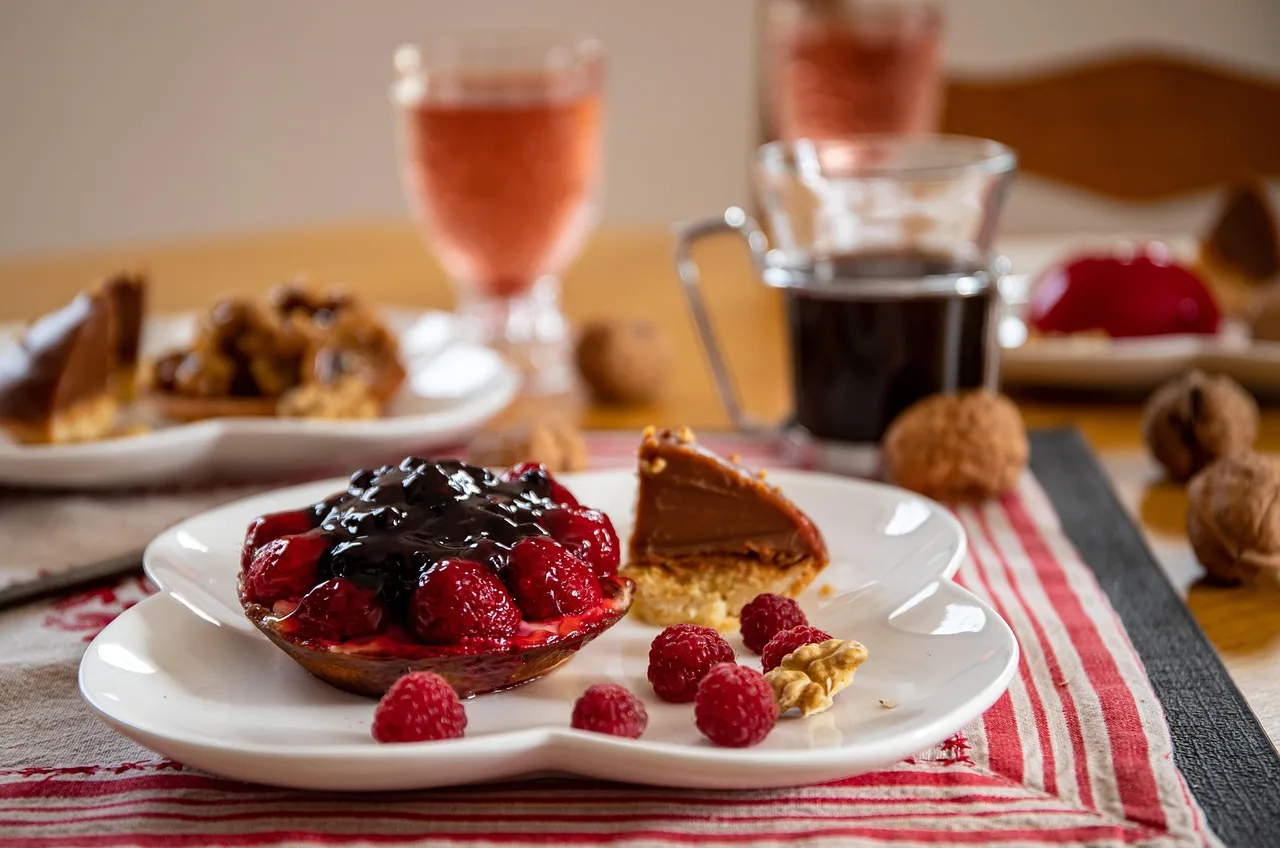
A standard 9-inch pie dish is the default choice for most holiday fruit pies, but the material matters as much as the size. Metal gives you the fastest heat transfer and usually the best chance at a flaky bottom crust, while glass and ceramic hold heat longer and are better suited to presentation or gentler baking.
The common 9-inch size matches most pie recipes without leaving a thin, overspread filling layer. If the pie is especially full, choose a deep-dish option rather than crowding fruit into a shallow plate, because too much filling can push juice over the edge before the crust sets.
Glass versus metal versus ceramic
Glass pie plates make it easier to judge browning, especially around the edge and lower crust. Metal pie pans heat faster and are usually the better choice when soggy bottom crust is the main concern. Ceramic sits in the middle for heat retention and looks strongest on a table, but it is more sensitive to thermal shock than metal.
Oven-safe temperature varies by manufacturer, so check the label before using high heat. In general, a glass pie plate should not go under the broiler, and ceramic should be preheated gradually if the product instructions allow it. Metal tolerates higher oven temperatures more comfortably, which makes it the safer option for hot holiday bakes.
Deep-dish option
A deep-dish pie plate is a good choice when the filling is generous or especially juicy. The extra depth gives the crust edge better support and leaves more room for bubbling fruit, which helps reduce spillover onto the oven floor.
If you are baking a classic single-crust fruit pie with a full mound of apples, pears, or berries, deep-dish is often the safer choice than a shallow standard pie plate. The tradeoff is that the slices may feel taller and heavier at the table.
Preheating and temperature limits
Preheating matters most with metal pans, which benefit from being fully hot before the filling goes in. With glass and ceramic, follow the manufacturer’s instructions and avoid abrupt temperature shifts. A cold pan moved into a very hot oven raises the risk of thermal shock, especially for ceramic and some glass pieces.
Broiler use is usually a bad match for glass and a cautious choice for ceramic. If a recipe calls for finishing the top under direct heat, a metal pan is the safer pick.
Cast iron skillet: best for cobblers and crisps
A cast iron skillet is one of the best choices for cobblers and crisps because it holds heat well and moves from oven to table cleanly. Common cast iron skillet sizes are often around 9 to 12 inches, which can provide enough surface area for a browned topping and enough depth for fruit without crowding the pan.
Heat retention and serving
Cast iron holds heat longer than thin metal bakeware, so it keeps the dessert warm after it comes out of the oven. That is useful when the dessert sits at the table during a holiday meal, and it can help the filling stay bubbling as the topping sets.
The same heat retention can work against you if the goal is a very delicate, quickly cooled finish. It also makes the skillet heavy, so serving and storage require more care than a lighter pan.
Seasoning requirement
Most cast iron skillets need a seasoned surface to release food well and resist sticking. That matters for cobblers and crisps, where syrupy fruit can cling to the sides if the pan is not maintained. A well-seasoned surface also helps with cleanup.
If the skillet is not seasoned well, sticky fruit may leave residue that is hard to scrub. A lined or heavily sugared filling can magnify that problem.
When it is the wrong choice
Cast iron is not ideal if you want the lightest cleanup or the most exact crust color control. It is also less convenient if the dessert must be transferred to a different serving dish, since the whole point is often to serve from the skillet.
Suppose your cobbler recipe calls for a 9×13 pan and you swap in a 10-inch skillet. The filling may be deeper and slower to finish in the center, so the biscuit or crumble topping can brown before the fruit underneath is fully hot.
Ceramic baking dish: best for table presentation
Ceramic baking dishes are strong choices when the dessert needs to look good on the table and stay warm through service. They usually brown fruit bakes evenly and have a sturdy feel that suits straight-sided or round dishes. For holiday entertaining, that presentation value matters.
Even browning and shape
Round ceramic dishes work well for traditional cobblers and crisps, while straight-sided dishes are better when you want cleaner slices or a more formal look. The sides help the filling hold shape, and the heavier walls spread heat more evenly than a thin disposable pan.
Because ceramic retains heat, it can help the top and edges finish at the same pace. That does not make it the fastest browning option, but it does support an even bake when you have enough time.
Thermal shock sensitivity
Ceramic is more vulnerable to thermal shock than metal. If the dish comes straight from the refrigerator, let it sit briefly before it goes into the oven, and avoid setting a hot dish on a cold or wet surface.
This matters most for holiday baking, when pies and crisps may be made ahead and chilled. A sudden temperature change can crack the dish, which turns a planned dessert into a cleanup problem.
When ceramic beats metal
Ceramic is the better choice when the dessert will be carried from oven to table and stayed on the table for serving. It is also a practical pick for fruit desserts that are meant to be scooped rather than sliced, because the dish keeps the dessert looking neat while it stays warm.
A common first-timer mistake is using a shallow ceramic dish for a very juicy crisp. If the filling is deep and the topping is loose, the pan needs enough headroom to keep bubbling fruit from spilling over the rim.
Which one should you buy?
Choose by dessert format first. A single pie wants a 9-inch metal pie pan or a deep-dish pie plate, while a cobbler or crisp often does better in a skillet or a 9×13 pan. If the dessert is meant to be scooped at the table, prioritize heat retention and depth; if it needs a crisp bottom, prioritize fast heat transfer.
Choose by dessert format
For a standard fruit pie, start with a metal pie pan. For a fuller pie with lots of fruit and juice, move up to a deep-dish pie plate. For skillet cobblers and crisps, cast iron is the strongest all-around option. For crowd-size sheet-style desserts, a 9×13 baking pan is more practical than a skillet.
Say your holiday dessert is a mixed-berry cobbler for a crowd. A 9×13 pan gives you wider surface area, more even topping coverage, and easier serving with a spoon, while a skillet would make the center deeper and slower to finish.
Choose by crust goal
If the goal is the flakiest bottom crust with the least soggy center, choose a light-colored metal pie pan or a metal tart pan. Metal heats faster than glass or ceramic, so the underside of the crust sets sooner.
If you want a softer, more gently browned crust edge and you value table presentation more than maximum crispness, glass or ceramic is acceptable. Just plan for a slightly slower bake and more careful temperature handling.
Choose by serving style
For oven-to-table serving, cast iron and ceramic are the easiest to present. Cast iron is the best fit for rustic scooped desserts, while ceramic looks more polished for a holiday table. For neat slices and clean release, a removable-bottom tart pan is the best specialty option.
If cleanup is a priority, nonstick surfaces help, but they come with coating wear and heat-limit tradeoffs. Plain metal lasts longer and usually tolerates hotter baking, but it may need more greasing or parchment support.
Choose by oven limits
Check the safe max temperature before choosing glass, ceramic, or nonstick bakeware. Glass and ceramic are more sensitive to sudden temperature changes, and nonstick coatings can degrade if used above their rated heat limit. Metal has the broadest heat tolerance and is the safest choice for high-heat holiday baking.
Broiler finishing is best reserved for metal pans unless the manufacturer specifically allows otherwise. A rimmed baking sheet placed underneath any pie or cobbler can catch drips and make a heavier dish easier to move in and out of the oven.
-
Match the pan to the dessert.
Pick a metal pie pan for a crisp pie, a deep-dish plate for a fuller pie, a cast iron skillet for a warm table-serving cobbler, or a 9×13 pan for a crowd dessert. The dessert format should decide the shape first.
-
Check the headroom.
Leave at least 1 inch of space above the filling when the recipe is especially juicy or the fruit cooks down unevenly. More depth helps control boil-over and keeps the crust edge from collapsing into the fruit.
-
Confirm the temperature limit.
Read the manufacturer’s safe max temperature before preheating. Glass and ceramic need more caution with thermal shock, and nonstick pans should stay within their coating limits to preserve release and longevity.
-
Use support for messy bakes.
Set pies or cobblers on a rimmed baking sheet before they go into the oven. The sheet catches spills, adds stability, and makes it easier to move a full pan without sloshing fruit juice over the edge.
Frequently asked questions
What is the best bakeware for holiday pies, cobblers, and crisps?
The best overall bakeware depends on the dessert. For pies with a crisp bottom crust, a 9-inch metal pie pan is the strongest choice. For cobblers and crisps, a cast iron skillet or a 9×13 pan works better, while deep-dish glass or ceramic is better when overflow control and presentation matter more than maximum crispness.
Should I use glass, metal, ceramic, or cast iron for fruit desserts?
Use metal when browning speed and a flaky bottom crust matter most. Use glass when you want to monitor browning, ceramic when the dessert will go straight to the table, and cast iron when you want heat retention and oven-to-table serving. The right answer depends on whether you care most about crispness, appearance, or warmth.
What size pie dish is best for a standard holiday pie?
A 9-inch pie dish is the standard size for most holiday pies. If the filling is especially full or juicy, choose a deep-dish version to add headroom and reduce overflow. A shallow pie plate can work, but it leaves less room for fruit that bubbles up during baking.
Is a cast iron skillet good for cobblers and crisps?
Yes. A cast iron skillet is one of the best choices for cobblers and crisps because it retains heat well and serves nicely at the table. Just make sure the skillet is seasoned so the dessert releases cleanly, and choose a size that leaves enough room for bubbling fruit.
What pan bakes the flakiest pie crust with the least soggy bottom?
A light-colored metal pie pan is the best choice for the flakiest bottom crust. Metal heats faster than glass or ceramic, which helps the underside of the pastry set before fruit juices soak in. If you want the most extra headroom for filling, use a deep-dish metal pie pan.
Can I bake a cobbler in a 9×13 pan or should I use a skillet?
Use a 9×13 pan for crowd-size cobblers and crisps because it spreads the filling out and makes serving easier. Use a skillet when you want stronger heat retention and a more presentable oven-to-table dish. For a larger batch, the 9×13 pan usually gives better depth control and less crowding.
What bakeware is safest for high-heat holiday baking?
Metal bakeware is usually the safest choice for high-heat baking because it tolerates oven heat better than glass, ceramic, or nonstick coatings. Glass and ceramic can be fine at moderate temperatures, but they are more sensitive to thermal shock. Always check the listed max temperature before using any pan at the hot end of a recipe.
Which pan is easiest to serve holiday desserts from the table
Cast iron is the easiest for casual table service, because it goes from oven to table and stays hot. Ceramic is the best-looking serving dish for a more polished setting. If you want easy portioning rather than presentation, a 9×13 pan is simpler to spoon from, especially for large gatherings.
Products related to this article
Sponsored / affiliate links. As an Amazon Associate I earn from qualifying purchases. I may earn additional commission from eligible campaigns.