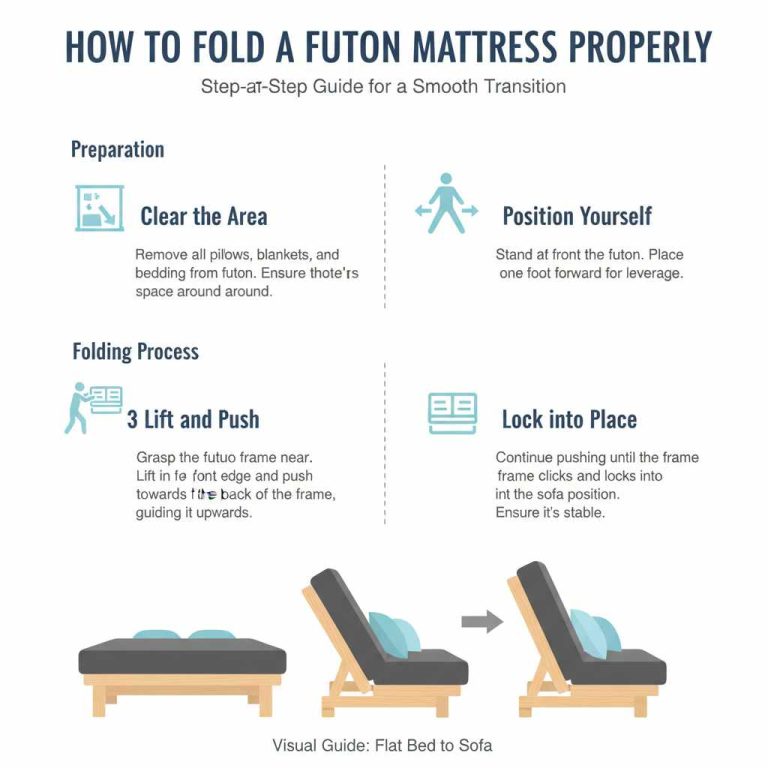
Can You Use a Futon as a Primary Bed?
Yes, you can use a futon as a primary bed only if the mattress is thick enough for pressure relief, the frame stays flat and stable, and you can sleep on it nightly without numbness or back pain. Poor setups wear out fast and can leave you sore, underslept, and shopping for bedding sooner than expected. This guide shows which futons work for daily sleep, which ones fail, and what to check before you commit.
Frame, size, and mattress checks for daily sleep
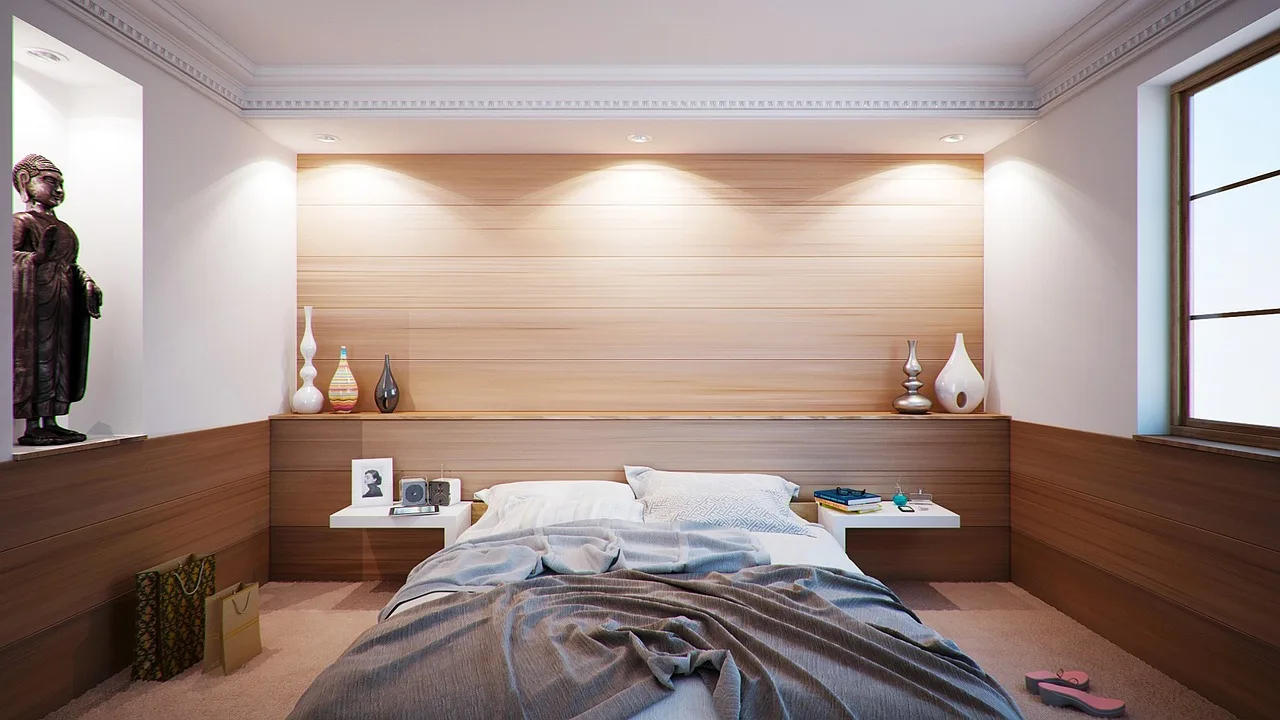


The short answer for nightly sleep
A futon can work for full-time use, but only in a narrower set of setups than many shoppers expect. The safest choice is a queen futon mattress on a sturdy frame with close, even slats. Thin mattresses, loose frames, and small sizes are better for guests, short stays, or rooms where the bed folds away often.
When a futon can work well
Choose a futon for primary sleep when the mattress resists bottoming out, the frame does not flex in the middle, and the size gives your body enough room to settle without hanging off the edge. That matters most for side sleepers, heavier sleepers, and anyone who already wakes up with pressure points on thinner surfaces.
When it falls short
Nightly futon use fails when the mattress sags at the center, the edges collapse under sitting, or the slats leave pressure ridges that you feel through the cover. A futon that feels fine for occasional naps can still turn into a problem after a few weeks of daily sleep.
What is a futon bed?
A futon bed has two parts: the frame and the mattress. The frame folds between couch and bed positions, and the mattress sits on top as the sleep surface. That setup gives you one piece of furniture with two uses, but the mattress and frame determine whether it feels usable every night or only occasionally.
How the futon mattress works
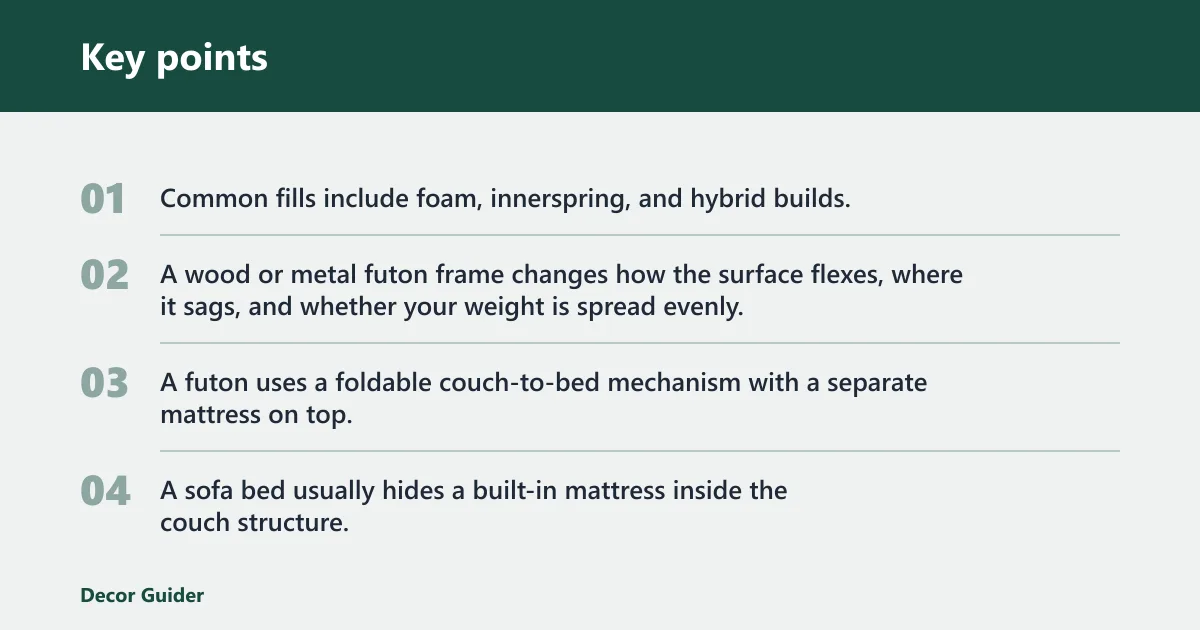
Most futon mattresses are about six inches thick, which is thinner than ordinary mattresses and one reason they often feel firmer and less forgiving. Common fills include foam, innerspring, and hybrid builds. Foam tends to feel simple and even, innerspring adds more bounce, and hybrid designs try to balance support with pressure relief.
How the frame changes the feel
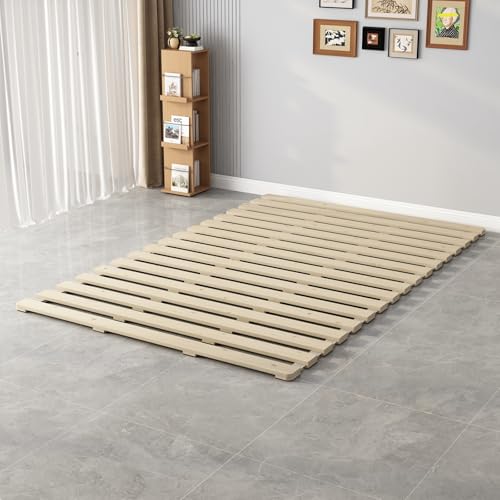
The frame does more than hold the mattress. A wood or metal futon frame changes how the surface flexes, where it sags, and whether your weight is spread evenly. Slat spacing and slat width matter because wide gaps let the mattress dip between supports, which can create pressure points and faster wear.
Futon bed vs sofa bed
A futon uses a foldable couch-to-bed mechanism with a separate mattress on top. A sofa bed usually hides a built-in mattress inside the couch structure. In the same room, a futon is often easier and lighter to convert, while a sofa bed typically feels more like fixed seating with a built-in sleep unit.
Futon suitability checklist
Use this checklist before you decide. A higher score means the setup is more plausible for nightly sleep. A lower score means it is better left to guests, dorm overflow, or short-term use.
| Check | Pass if… | Fail if… |
|---|---|---|
| Sleeper weight | The mattress does not bottom out under your body. | You feel the frame or slats through the mattress. |
| Sleep position | You sleep comfortably on your back or with light side pressure only. | Side sleeping creates sharp pressure at hips or shoulders. |
| Back-pain risk | You wake without new stiffness, numbness, or pain spikes. | You already feel worse after a few nights on firm surfaces. |
| Mattress thickness | The futon is about six inches thick or has enough fill to resist compression. | The mattress feels thin enough to collapse quickly under load. |
| Mattress type | Foam, innerspring, or hybrid construction feels even and supportive. | The fill shifts, clumps, or leaves deep impressions. |
| Frame material | The frame is solid wood or sturdy metal with no wobble. | The frame twists, creaks, or flexes at the center. |
| Slat spacing | Slats are an equal distance apart. | Gaps are uneven or wide enough to create dips. |
| Slat width | Slats are about 2.5 to 3 inches wide. | Slats feel too narrow to support the mattress evenly. |
| Nightly use frequency | You need it for nightly sleep but can maintain it carefully. | You expect constant use plus frequent folding, sitting, and rough handling. |
| Size fit | The size gives your body enough room to lie flat without edge stress. | The size forces you to sleep curled or near the edge. |
| Replacement trigger awareness | You can replace it at the first sign of sagging or edge collapse. | You plan to keep using it after the surface clearly fails. |
| Use-case match | You need a primary bed, not a couch-first setup. | You mostly want seating with sleeping as an afterthought. |
Score: 10 to 12 passes = reasonable primary bed. 6 to 9 passes = short-term only. 0 to 5 passes = not recommended.
What makes a futon workable for nightly sleep?
A futon works best for nightly sleep when the mattress resists compression, the frame stays flat, and the size matches your body. The decision is less about the label on the box and more about support, surface area, and how fast the system breaks down under repeated use.
Mattress thickness and fill type
Most futon mattresses are thinner than ordinary mattresses, so thickness matters more than the name of the fill. A mattress that is only loosely packed will sag sooner, while a denser foam, innerspring, or hybrid build is more likely to keep its shape. If the mattress folds sharply and never recovers fully, that is a warning sign.
Frame support and slat spacing
Look for a wooden frame made from solid hardwood such as birch or maple, or a sturdy metal frame with evenly spaced supports. Slats should be an equal distance apart and about 2.5 to 3 inches wide. Wider or uneven gaps create weak points that show up as dips, edge collapse, and faster mattress wear.
Size choice for real sleep space
A size that works for sitting can still be too cramped for sleep. The sleep surface needs enough width for your shoulders and hips to stay on the mattress, not partly on the edge. That is why a futon that feels fine as a couch often disappoints once it becomes the main bed.
Say your queen futon mattress feels flat on night one, but after a few weeks the middle starts to dip while the edges stay firm. That is a clear sign that the frame or mattress is not built for nightly load, even if it still looks fine in couch mode.
Which futon size fits sleeping best?
For primary-bed use, queen is usually the best futon size because it gives the most realistic sleeping space for adults. Full can work in a pinch, while twin and chair sizes are much better for sitting, tight rooms, or occasional sleep than for full-time adult use.
Queen futon mattress
A queen futon mattress is often a good fit for a bed-first setup. That width gives adults more room to roll over without hanging off the side and gives the mattress a better chance of staying comfortable under nightly use.
Full futon mattress
Full futon mattresses are usually 72 to 75 inches wide, which makes them a stronger couch choice than a true primary bed choice for many adults. A full can still work for solo sleepers in smaller rooms, but it leaves less margin for movement and edge support than a queen.
Twin and chair sizes
Twin futon mattresses are about 39 inches wide, and chair futon mattresses are about 28 inches wide. Those sizes make sense for compact rooms, dorm corners, or occasional sleepers, but they are usually too narrow for most adults who plan to sleep on the futon every night.
Suppose a side sleeper chooses a full futon in a studio apartment because it frees up floor space. If the shoulders and hips crowd the edges, the body shifts into a curled position, which can turn a space-saving choice into a nightly comfort problem.
How long does a futon last with nightly use?
A futon can last between five and ten years if well cared for, but nightly sleep usually shortens that range. A futon used every day will typically wear faster than one used for guests or occasional seating, and the first failure signs usually show up in the mattress before the frame.
Typical lifespan range
With light use and good care, futon lifespan is often about five to ten years. Daily sleeping, frequent folding, and heavy sitting load the same spots again and again, so the usable life often falls toward the lower end of that range when the futon is a primary bed.
Wear signs that mean replacement
Replace the futon when the center sags, the edges collapse under sitting, the mattress no longer rebounds, or you wake with numbness and pressure points. A mattress that starts leaving a body-shaped dip or exposes the frame through the cover is no longer a good primary-bed surface.
How use frequency changes durability
Nightly use compresses the fill, strains the cover seams, and pushes the frame through repeated open-close cycles. That combination is harder on a futon than occasional guest sleep, so durability depends on whether the unit is built for regular load or only for spare-room duty.
What to avoid in a primary-bed futon
A primary-bed futon should not feel like a compromise that you keep because it is cheap or compact. Thin mattresses, weak frame support, and cramped sizes are the main reasons futons disappoint people who expect them to replace a regular bed.
Thin mattresses and weak support
A mattress that is too thin will bottom out faster and create pressure points at the hips, shoulders, and lower back. Weak support makes the mattress age faster because the fill shifts toward the same stressed areas every night. That is one reason futons are often less comfortable than traditional mattresses for daily sleep.
Poor slat spacing or narrow slats
Uneven slats or slats that are too narrow can make the mattress feel lumpy even when the fill is new. They also concentrate stress on a few contact points, which speeds up sagging and can make the middle of the bed feel unstable after repeated use.
Setups that suit guests better than nightly sleep
Small futons often make sense for dorms, guest rooms, and compact apartments where the bed must fold into a couch. They make less sense as an everyday bed for most adults unless the frame is solid, the mattress is substantial, and the size gives enough sleeping room to avoid edge stress.
Frequently asked questions
Can you use a futon as a primary bed?
Yes, but only with a setup built for nightly sleep. The mattress needs enough thickness and fill to prevent pressure points, and the frame needs flat, even support. Many futons are better for short-term use because they sag faster and feel less forgiving than a regular mattress.
Are futon beds comfortable for everyday sleeping?
Sometimes, but comfort depends on support, size, and mattress build. A queen futon on a strong frame can work better than a small, thin setup, especially for back sleepers. Side sleepers and anyone with back-pain risk usually need more careful frame and mattress selection.
How long does a futon last if you sleep on it every night?
A futon can last five to ten years with light use and good care, but nightly sleeping usually shortens that span. Watch for sagging, edge collapse, and a mattress that no longer springs back. Those signs mean it is time to replace the setup before comfort and support drop further.
What thickness futon is best for daily use?
Most futon mattresses are about six inches thick, and that is often the starting point for daily use. Thickness alone is not enough, though. Dense fill, even compression, and a supportive frame matter just as much, because a thin mattress with weak support still fails quickly.
What is the difference between a futon and a sofa bed?
A futon uses a foldable frame with a mattress on top, while a sofa bed usually hides a built-in mattress inside the couch structure. Futons are often easier to move and convert, while sofa beds can feel more like permanent seating. Either one can work, but the support system is different.
Products related to this article
Sponsored / affiliate links. As an Amazon Associate I earn from qualifying purchases. I may earn additional commission from eligible campaigns.