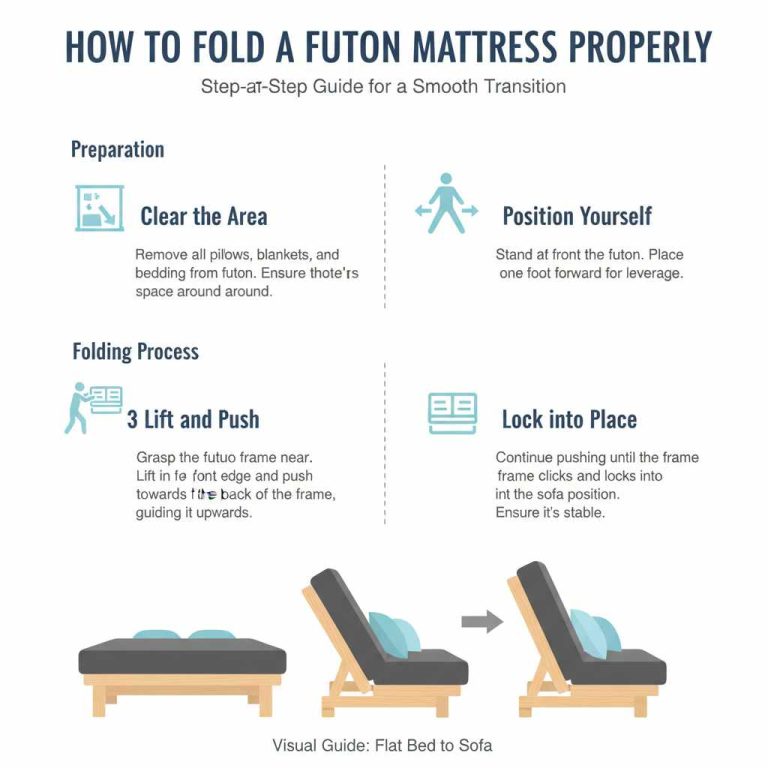
Why Is My Futon So Uncomfortable?
A futon is usually uncomfortable because the mattress is too thin, the fill has compacted, the frame lacks even support, or the setup does not match your weight and sleep position; if it bottoms out or sags, replace the pad or add support. Skip the cause, and you keep sore pressure points, a crooked sleeping surface, and money spent on the wrong fix. This guide shows how to tell whether the problem is the mattress, the frame, or normal wear, then pick the least costly fix that should work.
Why is my futon so uncomfortable?
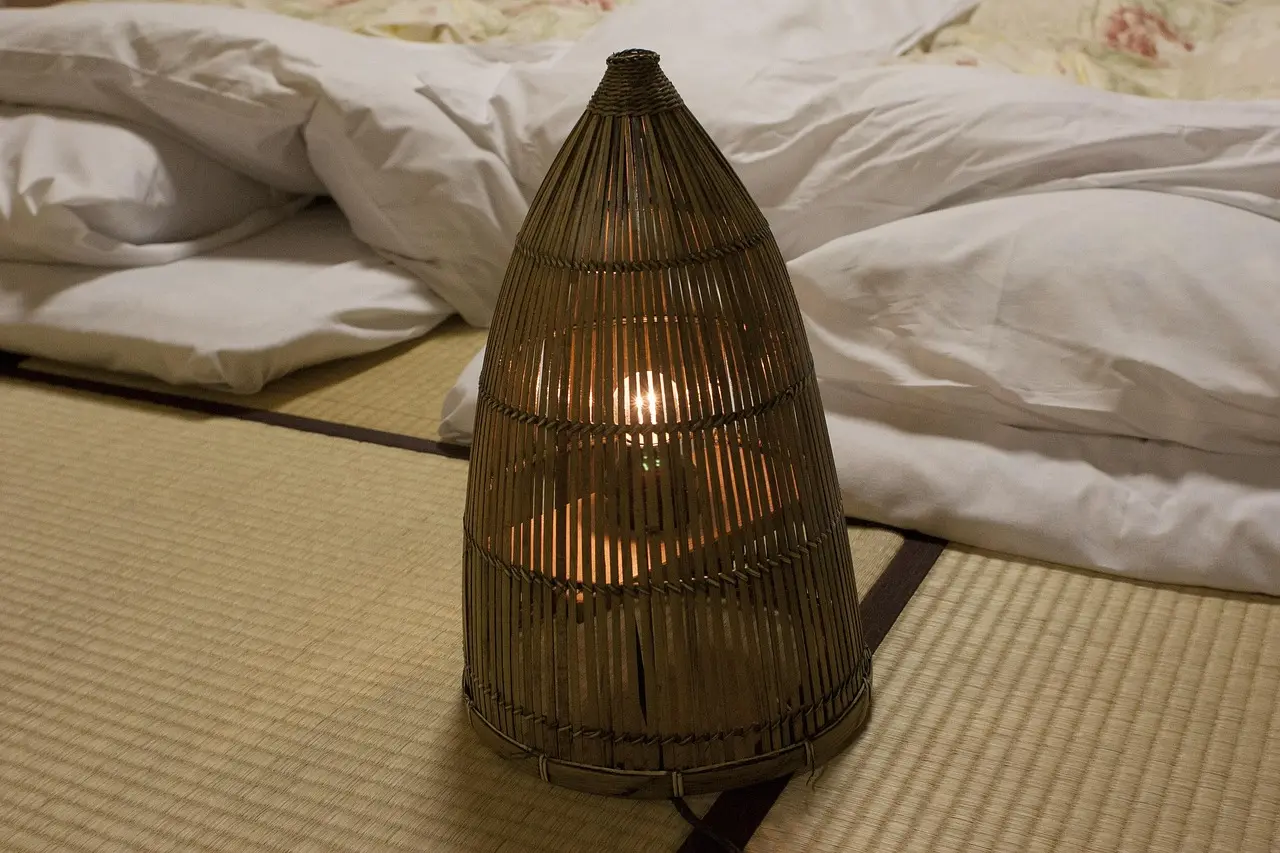

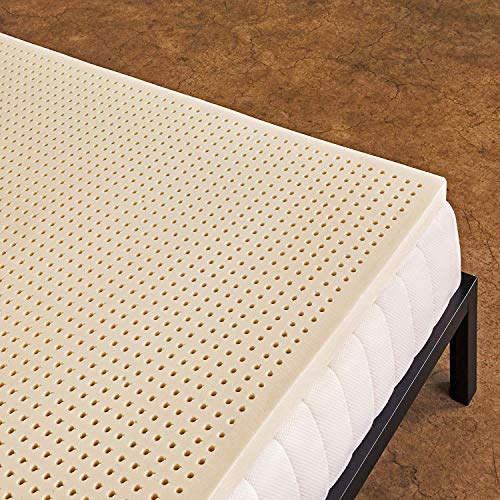
The fast answer is that discomfort usually comes from one of four failure modes: the mattress is too thin, the fill has compressed, the frame is creating a hard spot, or the setup does not match your body weight and sleep position. The fix depends on which one you have, because a topper cannot correct a broken center support and a new frame cannot revive a flattened mattress.
Hard, sagging, uneven, and squeaky: what each symptom points
A hard futon usually points to a mattress that is thin, overcompressed, or too firm for a side sleeper. A sagging futon usually points to compression set in the fill, weak center support, or damaged slats. Uneven feel often comes from a local frame defect, while squeaking usually comes from loose hinges or shifting joints rather than the mattress itself.
How sleeper weight and sleep position change the diagnosis
Side sleepers usually need more pressure relief at the shoulders and hips, so they notice a hard surface faster than back sleepers. Heavier sleepers compress futon fill more quickly and are more likely to bottom out on slats or a center bar. Back sleepers often do best with a balanced middle ground: enough give for comfort, enough support to keep the lumbar area from collapsing.
When the problem is the mattress and when it is the frame
If the surface feels painful across the whole bed, the mattress thickness or fill is often the issue. If the pain lines up with a strip in the middle, along a fold, or over specific slats, the frame is usually contributing. Frame problems matter more on futons because many models use mattresses in the 4-8 inch range, and thinner mattresses feel firmer and bottom out faster.
Futon discomfort checklist
Use this checklist to separate mattress failure from frame failure before buying parts. The quickest test is to remove the mattress, inspect the frame, then compare the symptom location with the support points under it. That keeps you from replacing the wrong piece.
| Symptom | Likely cause | Quick test | Best fix |
|---|---|---|---|
| Futon feels hard everywhere | Mattress too thin, high-density fill, or bottoming out | Lie on it for 10 minutes and notice whether hips or shoulders contact the frame | Add a 1-3 inch foam or latex topper, or replace with a thicker mattress |
| Sag in the middle | Compression set, weak center support, or damaged slats | Check whether the dip matches the center bar or a worn fold line | Repair the frame first; then rotate or replace the mattress if the dip stays |
| Uneven ridge or dip on one side | Worn fill, shifted batting, loose cover, or twisted frame | Press along both sides and compare firmness from corner to corner | Re-fluff, rotate, or replace the mattress; tighten the frame if it rocks or twists |
| Squeak or movement under load | Loose hinges, rubbing joints, or shifting slats | Sit in the squeaky spot and move slowly while listening for the source | Tighten hardware, add felt or rubber where parts rub, or replace worn joints |
| Pain at shoulders or hips | Surface too firm for side sleeping | Check whether pressure points show up within the first 15 minutes | Use a pressure-relieving topper or choose a softer fill style |
| Lumbar area feels unsupported | Too much give or weak frame support | See whether the lower back sinks lower than the pelvis | Increase support under the mattress or replace the sagging frame section |
| Persistent dip after rotation | Permanent compression or seam failure | Flip and rotate, then recheck after 24 hours | Replace the mattress if the shape does not recover |
Why does my futon feel so hard?
A hard futon usually means the mattress is too thin, too firm, or pressed against a support point you can feel through the fill. A 4-inch model can feel especially firm to a side sleeper or a heavier adult. Frame slats and center bars can make that feel worse.
Thin mattress and bottoming out
Thickness matters because thin futons compress faster and give less room for pressure relief. If the mattress is thin and the sleeper weight is high enough to reach the frame, the surface will feel hard even if the fill is new. Cotton batting firms up more as it compresses, while foam core and hybrid fills usually hold shape longer.
Frame pressure from slats or a center bar
Slat spacing, a raised center support bar, and loose joints can all create hard lines under the body. Wood frames and metal frames both can cause this, but they fail in different ways: wood often shifts or loosens at joints, while metal often transmits a sharper pressure point if the support bar is exposed. If the painful spot lines up with a support member, the frame needs attention.
Which topper types help pressure points?
A topper can soften the feel, but it should be treated as a pressure relief layer, not a cure for a bad frame. A 1-3 inch foam topper can reduce shoulder and hip pressure; latex usually feels more buoyant and less sinky. Make sure the topper fits the futon in both folded and flat positions, or it may bunch, slide, or keep the frame from closing properly.
- Check thickness first. Measure the mattress at its compressed and uncompressed spots. If it is near the thin end of the 4-8 inch range, it may simply be too lean for your body weight or sleep position.
- Feel for the support line. Lie across the futon and note whether the hard spot sits over a slat, a center bar, or a fold. If it does, a topper alone will not remove the source.
- Match the topper to use. Choose 1-3 inches of foam or latex for pressure points. Keep the topper sized so it works when the futon is both open and folded, especially on sofa-bed setups.
Say your futon is 4 inches thick, and a side sleeper feels shoulder pain after 15 minutes. If the same sleeper shifts to the couch position and the pain drops, the issue is likely pressure relief rather than overall frame failure.
Why does my futon sag in the middle?
Middle sag usually comes from compression set in the mattress fill, weak center support, or both. If the fill has stayed flattened, the dip will remain even after you change position. If the frame is weak, the sag may track the center bar or open widest where the mattress folds most often.
Compression set and worn fill
Cotton batting tends to compress and stay compressed if it is not managed, so older cotton futons often lose loft first in the center. Foam cores resist this longer, while innerspring and memory foam hybrids respond differently depending on how the layers were built. Lumpy fill, stretched covers, and seam failure usually mean the mattress has moved beyond simple maintenance.
Loose hinges, damaged joints, or weak center support
A sag can come from the frame even when the mattress still has life left. Loose hinges let the bed drop in the middle, damaged joints let the platform twist, and weak center support lets the mattress bridge a gap instead of resting evenly. On many futons, the frame failure is what makes a usable mattress feel tired.
When rotation can help and when it cannot
Rotation and flipping can help if the sag is from uneven wear and the fill is still resilient. They will not fix permanent compression, broken slats, or a center bar that sits too high. A common first-timer mistake is rotating a mattress with clear seam damage and expecting the dip to disappear overnight; it rarely does.
- Rotate the mattress. Turn it end-for-end first, then flip it if the design allows both sides to be used. This redistributes compression and can buy time if wear is still moderate.
- Inspect the frame. Check the hinges, slats, and center support bar for wobble, cracks, or gaps. Tighten any loose fasteners before judging the mattress again, because frame flex can mimic mattress sag.
- Retest after 24 hours. Leave the futon set up flat for a full day, then check whether the dip rebounds. If the shape does not recover, compression set is likely permanent.
How to make a futon more comfortable

The best comfort fix is the one that matches the failure mode. For surface pressure, add a topper or pad. For moisture and compression, rotate and air out the mattress. For squeaks and shifting, tighten the frame. If the mattress or frame is deeply worn, temporary comfort fixes can help, but they should not replace a repair decision.
Use a topper or pad that fits the frame
A 1-3 inch foam or latex topper can soften shoulders and hips without making the bed so tall that it may no longer fold correctly. Pick one that fits the futon in both positions, because an oversized topper can bunch at the hinge line or create uneven closure. For a very hard futon, latex often gives a more springy feel than soft foam.
Rotate, flip, and air out the mattress
Humidity and compression both affect futon comfort over time. Rotate and flip on a regular schedule if the mattress design allows it, then air it out so trapped moisture does not keep the fill from lofting back up. A dry, rested mattress often feels firmer and more even than one that stays folded for long stretches.
Reduce squeaks and shifting at the frame
Squeaks usually come from friction at hinges, bolts, or joints. Tighten hardware, check that slats sit evenly, and replace damaged parts if the frame still moves under load. If the bed slides on the floor, use a stable rug pad or other non-marking grip under the frame so the mattress is not carrying all the motion.
- Choose the right topper. Use 1-3 inches of foam or latex, and keep the edges within the futon footprint. That prevents bunching and helps the mattress fold correctly.
- Reset the mattress. Rotate, flip, and air out the futon so compressed areas have a chance to recover. This is most useful for moderate wear, not for permanent collapse.
- Stabilize the frame. Tighten bolts, inspect hinges, and correct any shifting at slats or joints. A stable frame reduces noise and keeps the sleeping surface even.
Picture a 6-inch futon on a wood frame with a loose hinge at the fold. If the same middle dip remains after the bolts are tightened and the mattress is rotated, the mattress has probably taken a set and the frame was only part of the problem.
When should you replace the mattress or frame?
Replace the part that is actually failing. If the mattress has permanent sagging, seam failure, or lumpy fill, replacement is usually the right call. If the frame has damaged joints, a bowed center support, or slat spacing that creates hard spots, fixing the mattress alone will not solve the problem.
Signs the mattress is beyond repair
Replace the mattress when the sag stays after rotation, when the fill has a permanent compressed band, or when the cover is stretched and the seams are opening. If you can feel the frame through the mattress in normal use, the pad has likely lost enough loft that repair will not be enough. For most sleepers, that means comfort has moved past maintenance.
Signs the frame is the real problem
If the mattress feels acceptable on the floor but painful on the futon frame, the frame is likely the issue. Look for center-bar pain, slat spacing that leaves a gap you can feel, or hinges that let the bed tilt. Wood and metal frames can both fail here, but the symptom is the same: support is uneven.
Replace-versus-repair decision guide
If the mattress is thin but still even, try a topper and maintenance first. If the mattress is even but the frame is noisy or uneven, repair the frame first. If both are worn, replacing the mattress may not be enough, because a weak frame can ruin a new pad quickly.
- Test the mattress separately. Put it on a flat floor and lie on it for several minutes. If it still sags or feels hard in the same spots, the mattress is the limiting factor.
- Test the frame without the mattress. Check for rocking, bent slats, loose hinges, and center support issues. A frame that flexes on its own will continue to create discomfort even with a new pad.
- Replace the failing part. Choose the mattress if wear is in the fill and cover, or the frame if the support structure is the problem. If both are compromised, repair only if the combined cost is clearly lower than a full replacement.
Frequently asked questions
Are futon beds comfortable for everyday sleeping?
They can be, but only if the mattress thickness, fill, and frame support match the sleeper. Everyday use is easier on a futon that is thick enough for the sleeper’s weight, has even support under the slats, and is maintained with rotation and airing out. Thin, worn futons rarely stay comfortable for long.
Can a futon mattress be too thin?
Yes. A thin futon mattress bottoms out faster, especially for side sleepers and heavier adults. Many models fall in the 4-8 inch range, but the lower end of that range often feels firm and transmits frame pressure more easily. If your hips or shoulders reach the frame, the mattress is too thin for comfort.
How long should a futon mattress last?
Life span depends on fill, use, and care. Cotton batting compresses faster than many foam-core or hybrid fills, and heavy daily use shortens any futon’s service life. If rotation, flipping, and airing out no longer recover loft, or if sag and seam failure stay visible, the mattress is nearing replacement time.
What is the best mattress topper for a futon?
A 1-3 inch topper in foam or latex is the usual starting point. Foam is often softer and better for pressure relief, while latex usually feels more responsive and less sinky. The best choice is one that fits both the open bed and the folded sofa position without bunching or overhanging the frame.
How do I stop my futon from squeaking or shifting?
Start with the frame, not the mattress. Tighten loose bolts, inspect hinges and joints, and make sure slats sit evenly. If the frame moves on the floor, add a stable grip layer underneath it. Squeaks rarely come from the fill itself; they usually come from parts rubbing under load.
Should I replace the futon mattress or frame?
Replace the mattress if the fill has permanent sagging, lumps, or seam failure. Replace or repair the frame if the support line is uneven, the center bar causes pain, or the bed squeaks and rocks even with a good mattress. If both fail, replacing only one part usually leaves the discomfort in place.
Products related to this article
Sponsored / affiliate links. As an Amazon Associate I earn from qualifying purchases. I may earn additional commission from eligible campaigns.