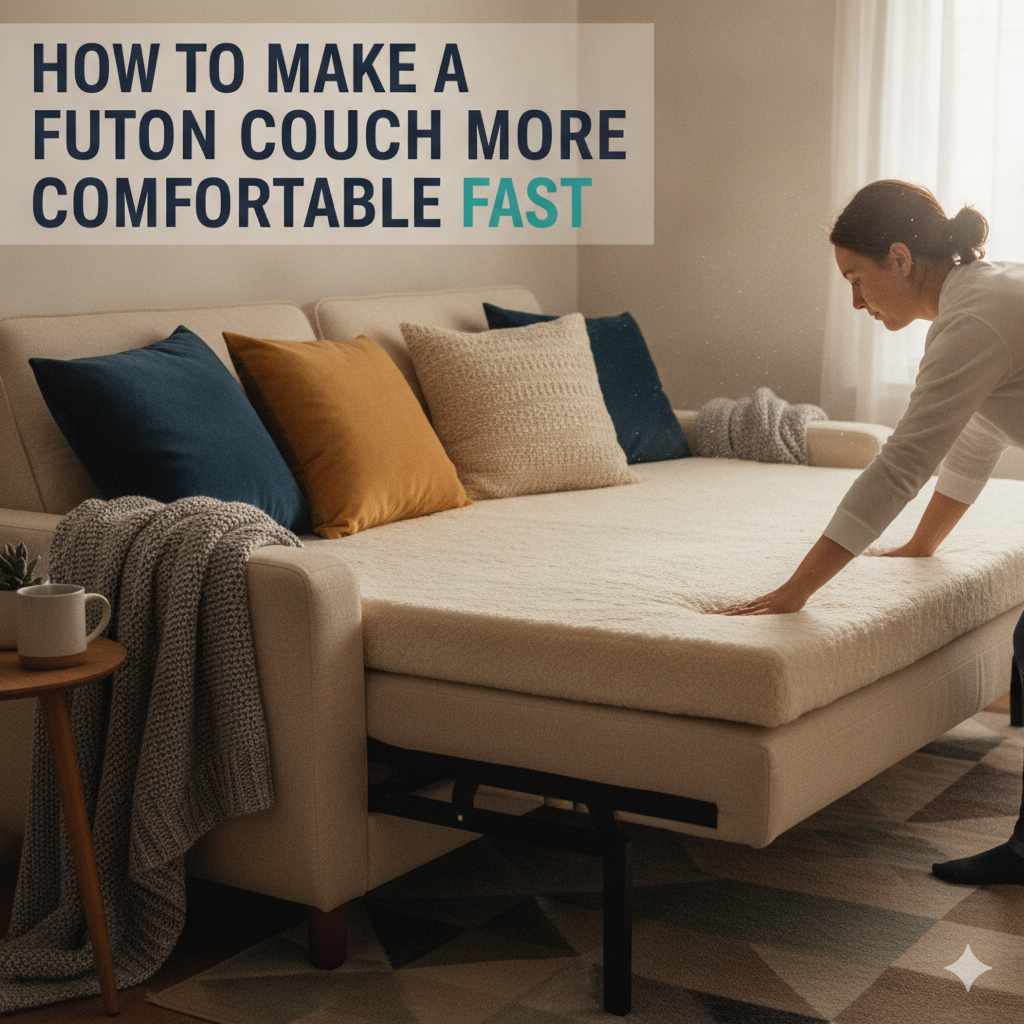
How To Make A Futon Couch More Comfortable Fast
Making a futon couch more comfortable involves adding soft layers, improving support, and addressing specific discomfort points. Common solutions include using a plush mattress topper, strategic pillows, a supportive mattress pad, or even reinforcing the frame. These methods quickly enhance seating and sleeping experiences.

MeMoreCool
MeMoreCool 59" Boneless Couch Bed, Loveseat Futon…
- 59 IN LOVESEAT, NOT A QUEEN: 59.1"W x 35.5"D x 27.5"H overall with a low 11.8 in seat; opens flat to 59 x 71 in - 9 in shorter tha…
- NO ASSEMBLY, FULL LOFT IN 24-48 HRS: Ships vacuum-compressed. Unzip, unfold, stand it against a wall for 1-2 days while the foam r…
- COUCH TO BED IN 10 SECONDS: No frame, no slats, no bolts, nothing to creak. Fold out for guests, fold back for movie nights. Sofa…
As an Amazon Associate I earn from qualifying purchases.

Understanding Futon Comfort
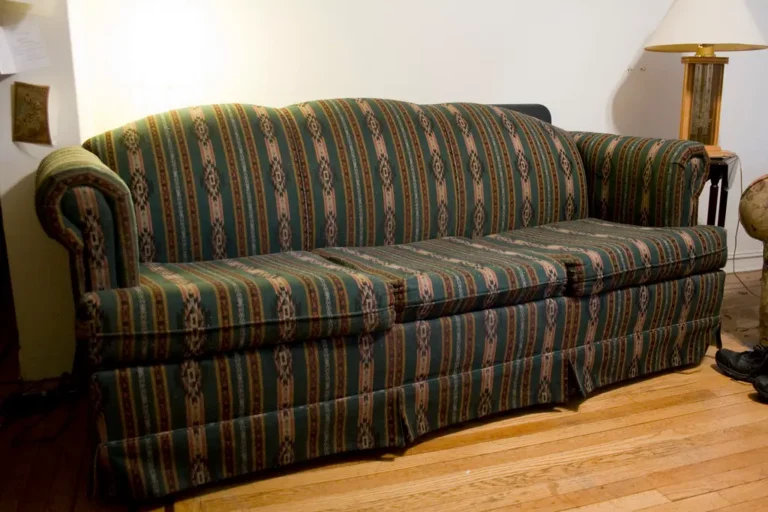
A futon couch is a clever piece of furniture. It serves as both a sofa and a bed. This dual-purpose design is fantastic for small living spaces. However, the way it achieves this function can affect its comfort. Traditional sofas have thick cushions. These cushions are designed just for sitting. Futons use a single mattress that folds. This mattress needs to be firm enough to support you when it’s a bed. It also needs to be flexible enough to bend into a couch shape.
This means the futon mattress is often thinner than a standard mattress. It might also be firmer. Over time, these mattresses can develop wear. They might start to sag in places. Or the springs inside might start to poke through. This is where discomfort comes in. You might feel the frame beneath you. You might experience aches after sitting or sleeping on it. Understanding these basic points helps us find the right solutions. We need to add softness and support where the futon lacks it.
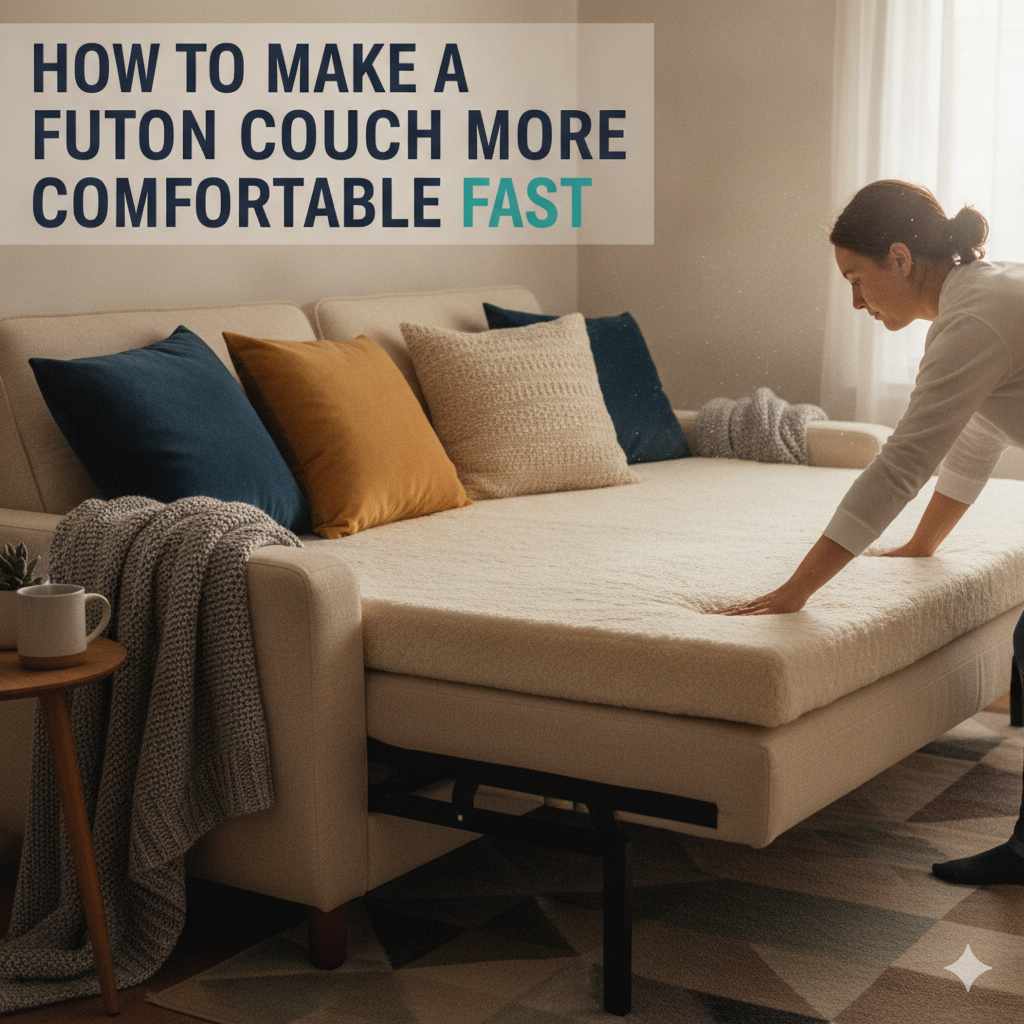
My Futon Couch Struggle: A Tale of Late Nights
I remember when I first got my futon. It was for my guest room slash office. I wanted a place for friends to crash, but I didn’t want a big sofa taking up space. It looked great. The frame was sturdy. The mattress seemed okay at first. But then came the first guest. They stayed for a weekend. They were polite and said it was fine. Yet, I saw them shifting around a lot. They looked a bit tired the next morning.
Then I tried sleeping on it myself one night when I was working late. I just wanted to crash for a few hours without going upstairs. Oh boy. It felt like sleeping on a very firm, slightly uneven board. I could feel every little ridge. My hips and shoulders ached by morning. I even had a strange indentation where I had been lying. That’s when I knew. My futon, while functional, was not winning any comfort awards. I felt a pang of guilt for my guest. I also felt a strong desire to fix this. It was functional, yes, but far from a cozy haven.
Adding Layers of Softness: The Magic of Toppers
The easiest way to make a futon more comfortable is to add layers. Think of it like layering clothes. You wouldn’t wear just one thin shirt in the cold, right? You’d add a sweater. A futon needs similar additions. The most popular and effective addition is a mattress topper. These are designed to sit on top of your existing mattress. They add extra cushioning and support.
There are several types of mattress toppers. Memory foam toppers are very popular. They contour to your body. This can relieve pressure points. It makes sitting and sleeping feel much softer. Look for one that is at least 2 to 3 inches thick. This thickness gives you a noticeable difference. Another option is a fiberfill topper. These are often called down-alternative toppers. They feel very plush and soft. They are a good choice if you prefer a lighter, cloud-like feel. Latex toppers are also an option. They are firmer than memory foam but still offer good cushioning. They are also very durable.
When choosing a topper, consider how you use your futon. If it’s mostly for sitting, a thinner topper might be enough. If you or your guests sleep on it often, a thicker one is better. Always check the size. You need a topper that fits your futon mattress exactly. Measure your futon mattress before you buy. A topper that’s too small will just bunch up. One that’s too big will hang over the edges. This can actually be uncomfortable.
Quick Futon Topper Guide
What to Look For:
- Thickness: 2-3 inches for noticeable comfort.
- Material: Memory foam, fiberfill, or latex.
- Size: Match your futon mattress dimensions.
- Firmness: Personal preference, but aim for softer than your current mattress.
Pillow Power: Support Where You Need It
Pillows are not just for your head! They are amazing tools for improving futon comfort. When your futon is in couch mode, it often lacks good back support. The backrest might be too low or too firm. This is where pillows come in. Placing a few firm back pillows can make a huge difference. You can lean against them. They provide extra padding. They make sitting for longer periods much more pleasant.
Think about using Euro pillows. These are large square pillows. They fit nicely across the back of a futon. You can then add regular throw pillows in front of them. This creates a layered, cozy look. It also adds significant support. For armrests, you can use smaller bolster pillows. These can make the arms feel more substantial and comfortable to rest on.
When people sleep on a futon, they often need more than just a pillow for their head. Sometimes, the futon mattress feels too firm for their side or stomach. You can use a body pillow. This is a long pillow. It can be placed along the length of the futon. It gives you something soft to hug. It also helps fill any gaps. This can make the sleeping surface feel more uniform and comfortable.
Pillow Placement Tips
For Sitting:
- Back Support: Use 2-3 large Euro pillows against the futon back. Add decorative throw pillows in front.
- Arm Support: Bolster pillows or sturdy cushions on the sides can create more comfortable armrests.
For Sleeping:
- Full Body Comfort: A body pillow can add cushioning and help align your body.
- Head and Neck: Use your favorite sleeping pillow. Consider a slightly firmer one for better neck support on a softer surface.
Mattress Pads vs. Toppers: What’s the Difference?
It’s easy to confuse mattress pads and mattress toppers. They both add a layer to your mattress. But they serve slightly different purposes. A mattress pad is usually thinner. It’s often designed to protect your mattress. It also adds a bit of softness. Think of it as a protective sheet with some cushioning. It won’t dramatically change the feel of a firm futon.
A mattress topper, as we discussed, is thicker. It’s designed to add significant comfort and change the feel of the mattress. If your futon feels too hard, a topper is usually the better choice. If your futon mattress is okay but you want a little extra softness or protection, a pad might work. Some people even use both. They might put a protective pad directly on the futon mattress. Then they add a topper on top of the pad. This gives you both protection and deep comfort.
Addressing the Frame: Reinforcement and Padding
Sometimes, the problem isn’t just the mattress. The futon frame itself can be the culprit. You might feel the wooden or metal bars of the frame through the mattress. This is especially common if the mattress is thin or worn. The frame is the skeleton of your futon. If it’s uncomfortable, no amount of padding on top will fully fix it.
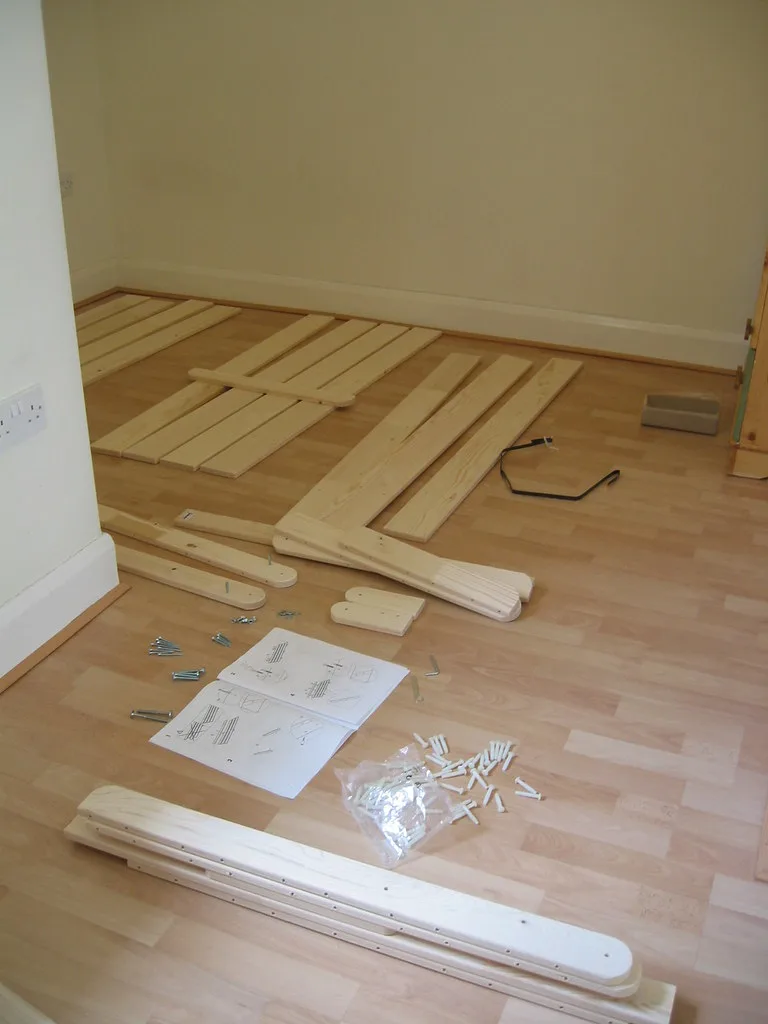
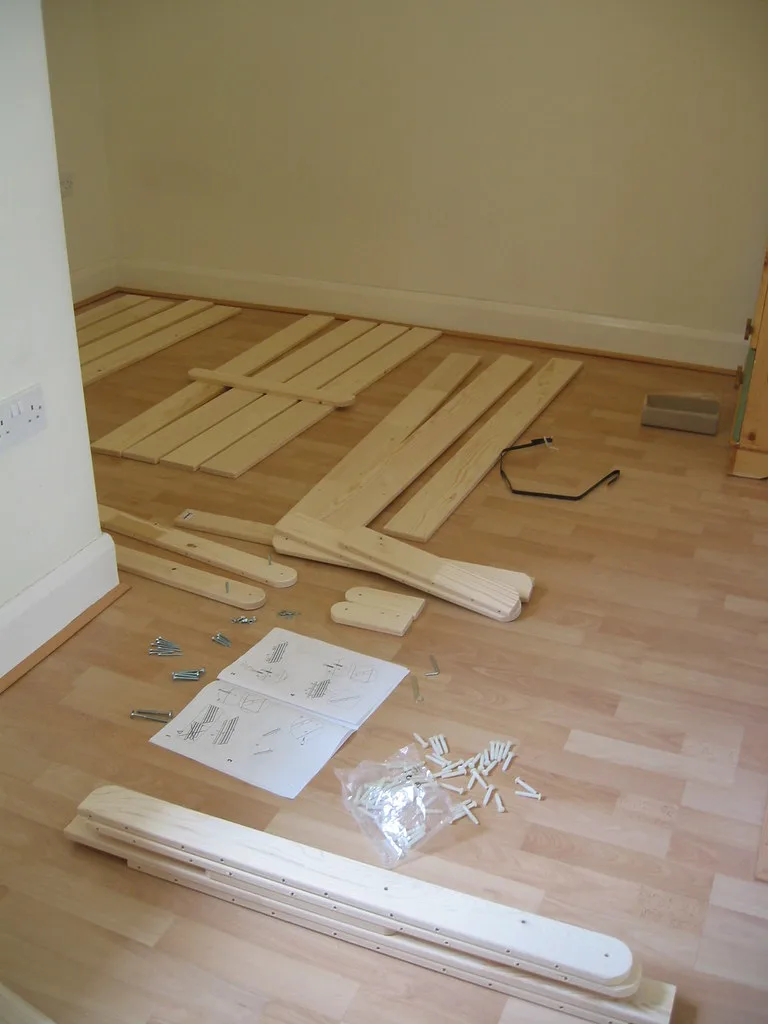
One way to address this is by reinforcing the support slats. Many futon frames have wooden slats. Over time, these can bend or break. You can buy extra slats. You can also use plywood to create a solid base. This gives the mattress a more even surface to rest on. It prevents sagging. It also stops you from feeling the gaps between the slats. You can cut a piece of plywood to fit the futon frame. Place it directly on top of the slats. This creates a very firm, solid base.
Another method is to add padding directly to the frame. Before you put the mattress and topper on, you can wrap the frame parts. Use foam padding or even thick blankets. You can secure them with tape or a staple gun. This creates a softer barrier between the frame and the mattress. It helps to absorb pressure. It makes the whole surface feel less rigid.
Frame Fixes: Simple Steps
For Wooden Frames:
- Check Slats: Look for any cracked or sagging slats.
- Add Support: Place a sheet of 1/4-inch or 1/2-inch plywood cut to size over the slats.
- Reinforce: Add extra wooden slats if needed.
For Metal Frames:
- Padding: Wrap exposed metal bars with thick foam padding or old blankets.
- Secure: Use strong tape or zip ties to keep padding in place.
The Right Mattress for Your Futon
If your futon mattress is old and worn out, adding a topper might only be a temporary fix. You might need to replace the mattress itself. Futon mattresses come in different types. The most common are innerspring and foam.
Innerspring futon mattresses have coils inside. They offer good support. They can feel similar to a traditional mattress. They might need a bit of extra padding on top. Foam futon mattresses are made entirely of foam. They can be very comfortable and offer good pressure relief. They are also often lighter and easier to move.
When buying a new futon mattress, look for one that is designed for sofa beds. These are usually thinner than standard mattresses. They are made to flex without breaking. Read reviews carefully. Many people share their experiences with different futon mattresses online. Look for comments about firmness and how well they hold up over time.
When to Consider a New Futon Frame
Sometimes, the frame is the main issue. If your frame is wobbly, rusted, or has broken parts that can’t be easily fixed, it might be time for a new one. A good frame provides a solid foundation. A weak frame will make even the best mattress feel uncomfortable.
When looking for a new frame, consider its design. Some frames have a more solid base. Others have more flexible slats. A frame with a more solid base, like a platform style, can offer better support for the mattress. This can reduce the need for extra padding. Also, check the folding mechanism. A smooth, easy mechanism is important.
Decorating for Comfort: Beyond the Mattress
Comfort isn’t just about physical support. It’s also about how a space feels. Cozy elements can make your futon feel more inviting. Think about the overall look and feel.
Add a soft throw blanket. Drape it over the back or side. This invites people to snuggle up. Choose a blanket that feels nice to touch. A chunky knit or a faux fur blanket can add a lot of warmth and texture.
Consider a rug underneath the futon. If it’s in a living area, a soft rug can make the whole space feel more comfortable. It also helps define the area.
Lighting plays a role too. Soft, warm lighting can make any seating area feel cozier. Avoid harsh overhead lights. Use lamps to create a more relaxed atmosphere.
Simple Checks for Everyday Comfort
You don’t always need to buy new things to make your futon more comfortable. Sometimes, small adjustments make a big difference.
First, check the mattress itself. Is it pushed down evenly on the frame? Make sure it’s centered. If it has a removable cover, is the cover smooth? Wrinkles in the cover can create pressure points.
Next, look at your pillows. Are they plump and supportive? Old, flat pillows won’t do much. Fluff them up. Replace them if they’ve lost their shape.
If your futon is in couch mode, ensure the back cushions are arranged well. Are they supporting the backs of the people sitting there? Adjust them as needed.
Fabric and Feel: The Importance of Upholstery
The fabric of your futon can also impact comfort. Some fabrics are scratchy or rough. Others are soft and smooth. If your futon has a fabric you don’t like, consider a slipcover.
A well-fitting slipcover can change the look and feel of your futon. You can choose a softer fabric. You can also pick a color or pattern that makes the space feel more inviting. Many slipcovers are machine washable. This makes them practical too.
Dealing with Heat and Coolness
Some futon mattresses, especially foam ones, can trap heat. This can make them uncomfortable, especially in warmer months. If this is a problem, a cooling mattress topper can help. These toppers often have gel infusions or open-cell structures to improve airflow.
Breathable fabrics for slipcovers or blankets also make a difference. Natural fibers like cotton or linen tend to be cooler than synthetics.
When It’s Normal vs. When to Worry
It’s normal for a futon to feel firmer than a plush sofa. It’s also normal for a futon mattress to show some wear over time. A slight dip in the mattress after many years is to be expected.
However, you should worry if:
You feel the hard frame through the mattress constantly.
The mattress has significant, uneven sagging.
The frame is wobbly or unstable.
There are visible tears or damage to the mattress that can’t be repaired.
You or your guests experience persistent pain after using the futon.
These signs indicate that the futon might need more than just simple fixes. It might be time for significant repairs or a replacement.
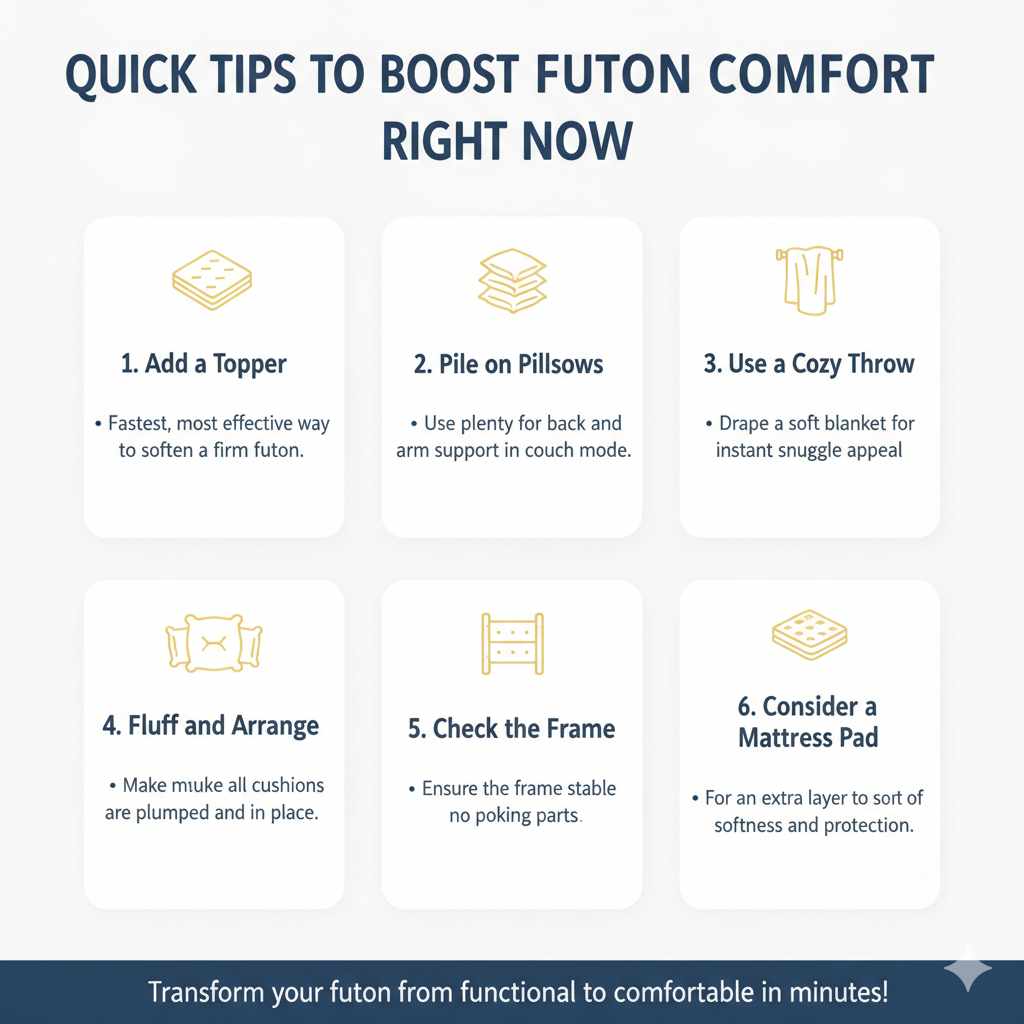
Quick Tips to Boost Futon Comfort Right Now
1. Add a Topper: This is the fastest, most effective way to soften a firm futon.
2. Pile on Pillows: Use plenty for back and arm support in couch mode.
3. Use a Cozy Throw: Drape a soft blanket for instant snuggle appeal.
4. Fluff and Arrange: Make sure all cushions and pillows are plumped and in place.
5. Check the Frame: Ensure the frame is stable and there are no poking parts.
6. Consider a Mattress Pad: For an extra layer of softness and protection.
Frequently Asked Questions About Futon Comfort
Can I just put a regular mattress on a futon frame?
It’s generally not recommended to use a standard mattress on a futon frame. Futon mattresses are designed to be flexible and fold. A standard mattress is too thick and rigid. It won’t bend correctly and could damage the frame or the mattress itself. Always use a mattress made for futon frames.
How thick should a futon mattress be?
Futon mattresses typically range from 5 to 10 inches thick. Thinner mattresses (5-7 inches) are usually firmer and fold more easily. Thicker mattresses (8-10 inches) tend to be more comfortable for sleeping but can be bulkier. The ideal thickness depends on how you plan to use the futon.
What is the most comfortable type of futon mattress?
Comfort is subjective. Innerspring futon mattresses offer good support. Foam mattresses provide excellent pressure relief. Hybrid mattresses, which combine coils with foam, aim to offer the best of both worlds. Many people find memory foam or hybrid options to be the most comfortable for sleeping.
How often should I replace my futon mattress?
A futon mattress typically lasts 5 to 7 years. However, this depends on usage and quality. If you sleep on it nightly, it will wear out faster than if it’s only used for guests occasionally. Signs it’s time for replacement include sagging, lumps, or persistent discomfort.
Can a futon be as comfortable as a regular sofa?
With the right additions, a futon can be very comfortable. A good mattress, a thick topper, and plenty of supportive pillows can make it rival a standard sofa. However, a basic futon without any enhancements will likely feel firmer and less plush than a traditional sofa with thick cushions.
How can I make a cheap futon more comfortable?
Start with the simplest, most affordable solutions. Add a thick memory foam mattress topper. Use plenty of throw pillows for seating comfort. Drape a soft, cozy blanket over it. These additions can significantly improve the feel without a large expense.
Final Thoughts on Futon Comfort
Making your futon couch more comfortable is achievable. It’s all about understanding its design and adding the right layers. Think of it as a project to enhance your furniture. You can add softness with toppers and pillows. You can ensure proper support by checking the frame. You can even refresh its look with a new slipcover. With these steps, your futon can go from just functional to truly inviting. Enjoy your cozier space!
Related pick: Check today's price on Amazon
Products related to this article
Sponsored / affiliate links. As an Amazon Associate I earn from qualifying purchases. I may earn additional commission from eligible campaigns.