Why Does My Bathroom Smell Like Sewage When I Shower?
If your bathroom smells like sewage only when you shower, the usual causes are a dry or siphoned P-trap, drain biofilm, or a blocked vent. If the odor is constant or strongest near the toilet, suspect a sewer-line or fixture seal problem. Leaving it alone can mean repeat odors, leaks, or a sewer-gas hazard. This guide shows how to trace the smell fast, separate shower-drain problems from toilet or vent trouble, and decide when to call a plumber.
Why the smell shows up only when you shower

- Blows visible smoke into pipes and ducts
- Helps test drainage, waste, and ventilation systems
- Built for repeated high-intensity use
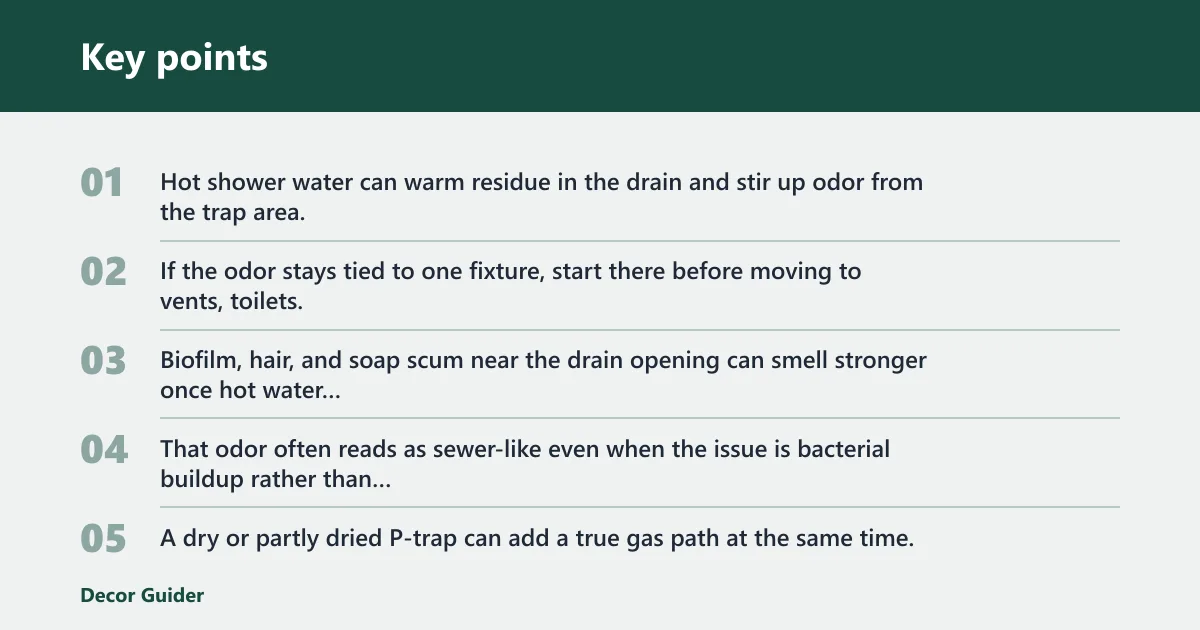
Hot shower water can warm residue in the drain and stir up odor from the trap area, so a smell that appears only during shower use often points to the shower drain first. If the odor stays tied to one fixture, start there before moving to vents, toilets, or the main line.
How hot water can wake up drain odor
Biofilm, hair, and soap scum near the drain opening can smell stronger once hot water and steam hit the area. That odor often reads as sewer-like even when the issue is bacterial buildup rather than sewer gas. A dry or partly dried P-trap can add a true gas path at the same time.
Why one shower drain points to a local issue
One smelly shower drain usually means the problem is inside that branch: a dry trap, buildup in the drain body, or a clog close to the opening. If only the shower smells, the main sewer line is less likely than a local drain issue. If a sink or toilet smells too, the search gets wider.
What changes when the smell spreads to other fixtures
When odor shows up at more than one drain, or when gurgling and slow draining appear across fixtures, the likely cause shifts toward venting, the main sewer line, or a septic problem. That pattern matters. It changes the repair from a simple drain cleanout to a larger plumbing diagnosis.
Shower sewer triage table
| Symptom pattern | Likely cause | Next action |
|---|---|---|
| Smell only after showering | Shower drain biofilm or a partially dried trap | Run water, clean the drain opening, then check whether the odor fades after the trap refills |
| Smell from one drain only | Local shower drain buildup or a dry P-trap | Inspect the strainer, remove visible debris, and flush the trap with water |
| Gurgling with the smell | Blocked or faulty plumbing vent pipe | Stop using chemical drain cleaners and have the vent checked; roof access may be needed |
| Slow drainage plus odor | Hair and soap scum clog in the shower drain | Use a drain snake to pull out hair mats, then rinse the line with hot water |
| Toilet rocks or odor is strongest at the base | Bad toilet wax ring or loose toilet base | Do not keep using the toilet as-is; the wax ring usually needs replacement |
| Odor after vacation or after days of no use | Dry P-trap from evaporation or siphoning | Run water for 1-2 minutes to refill the trap and watch for the smell to disappear |
| Odor with multiple fixtures | Sewer line issue or venting problem | Call a plumber; multiple drains smelling bad usually means a whole-system warning sign |
| Odor returns after cleaning | Hidden buildup, vent trouble, or a recurring dry trap | Check whether the trap stays wet, then snake the drain and reassess the pattern |
| Stop and call a plumber | Odor persists, spreads, or comes with sewage backup, several slow drains, or a rocking toilet | Escalate to professional service; sewer line, septic, vent, or fixture seal work is not a DIY repair |
Is a dry P-trap the problem?
A dry P-trap is one of the first things to check because it leaves a direct path for sewer gas into the room. The trap sits under shower drains and sink drains, and its water seal is what blocks odor. If the trap dries out or gets siphoned empty, the smell can come through fast.
What a P-trap does under a shower drain
The P-trap is the U-shaped drain section under the fixture. Its standing water forms a barrier between your bathroom and the sewer system. If that water seal is gone, sewer gas can pass through the opening. That is why an unused shower or guest bath often smells first.
How evaporation or siphoning removes the water seal
Water can evaporate from a rarely used shower, and a pressure change in the piping can siphon water out of the trap. Bob Vila notes that a sink drain can go dry in under 30 days, which shows how quickly a trap can lose its seal. A blocked vent can make siphoning more likely.
How to refill the trap and watch for a return smell
Run water for 1-2 minutes to refill the shower trap. If the odor drops away, a dry trap was likely part of the problem. If the smell comes back after normal use, or returns within a day or two, look harder at buildup, venting, or a hidden leak.
Could the shower drain itself be the source?
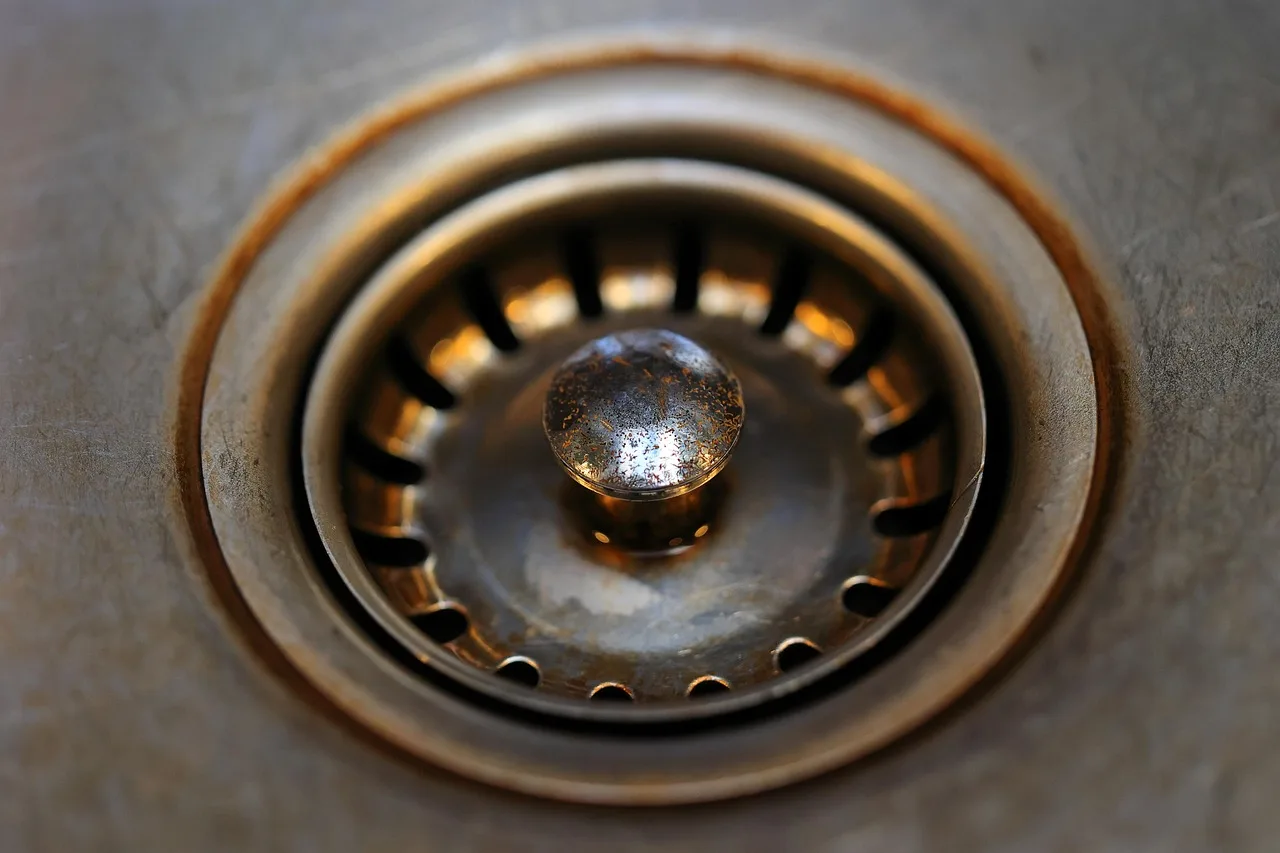
Yes. Hair and soap scum can feed a slimy layer of biofilm near the drain opening, and that material can smell like sewage when hot water hits it. A slow-drain symptom often travels with this kind of odor, which is why the drain itself deserves a close look before bigger repairs.
Hair and soap scum buildup
Hair and soap scum are common shower drain odor sources. They catch grime, hold moisture, and let odor-causing material sit in one place. If the drain cover or strainer lifts off, check for a mat of debris around the opening. That is often enough to explain a local smell.
Biofilm near the drain opening
Biofilm is a slimy bacterial buildup, often pink or orange, and it forms near the drain opening where moisture stays high. Hot shower water can intensify the odor. That smell may be mistaken for sewer gas even when the trap is wet and working, which is why the visual check matters.
When a drain snake makes sense
A drain snake is the right tool when the odor comes with slow drainage or a deeper clog. Short lengths work near the opening, while longer versions reach farther into the line. Use the snake to pull out hair mats first; then flush with water. Baking soda and vinegar can help with light odor, but they are not a substitute for mechanical clearing.
Suppose a guest shower in a hall bath smells only after it sits unused for two weeks. Running water for a couple of minutes may solve it. If the same shower still drains slowly after the trap refills, the odor likely has a second cause inside the drain line.
Could the toilet or vent be involved?
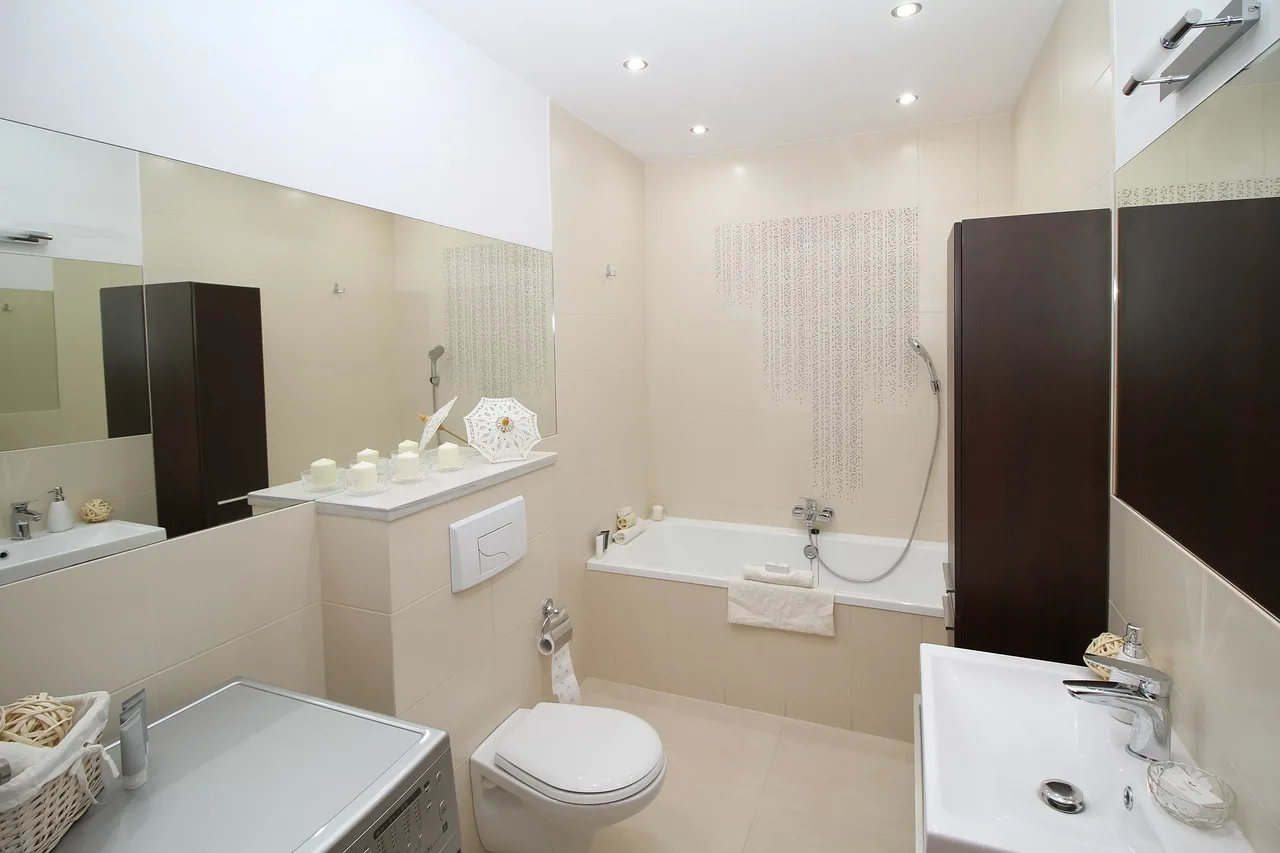
Yes. A rocking toilet or a smell near the base points away from the shower drain and toward the toilet wax ring. Gurgling is a different clue. It often means the plumbing vent pipe is blocked or failing, which can pull or push odors through fixtures even when the trap still holds water.
Toilet wax ring failure and a rocking toilet
The toilet wax ring is meant to seal the toilet base to the flange and help keep sewer gas from escaping. The same source notes that a rocking toilet can point to a bad wax ring venting sewer gas. If the toilet moves when you sit on it, or odor is strongest at the base, that seal deserves attention.
Blocked plumbing vent pipe and gurgling
The plumbing vent pipe relieves pressure in the drain system. If it is blocked, the system can gurgle, slow down, or push odor back into fixtures. That is one of the clearest signs that the problem is not just in the shower drain. Roof access may be needed to inspect the vent.
Why one fixture can point to a larger seal issue
A shower can be the place where you notice the odor first, but the cause may sit elsewhere. A loose toilet base, a bad wax ring, or a vent problem can affect airflow and pressure across the bathroom. If the smell changes when you flush, run the sink, or use another drain, widen the search.
Picture a master bath where the shower smells on Monday morning, and the toilet base also has a faint odor. The shower trap may be fine. The rocking toilet is the more useful clue, because a wax-ring leak can let sewer gas out even when the shower drain is clean.
What if multiple drains smell at once?
When several drains smell bad, the problem is less likely to be a single shower trap and more likely to involve the vent, the sewer line, or the septic system. That pattern is important because it changes the repair path. It also raises the need for professional service.
When to suspect a sewer line problem
A sewer line issue is likely when multiple drains are affected. If the shower, sink, and toilet all smell, or if several drains run slowly at the same time, the problem may be deeper in the system. Tree roots, pipe deterioration, or a blockage can all produce that pattern, and it is not a DIY fix.
When septic tank issues fit the pattern
In septic homes, a full tank can cause odor, gurgling, and slow drains. That pattern can look like a plumbing vent issue at first, but the fix is different. Septic service or pumping is the next step, not drain cleaner. If the smell spreads through the house, the septic system should be on the list.
Why these are not DIY fixes
Sewer line and septic tank problems need diagnosis, equipment, and safety precautions that go beyond simple drain care. Chemical drain cleaners can miss the real issue and may do little for a blocked vent or a failing sewer line. If the smell is spreading, or if backups start, stop troubleshooting and call a plumber.
DIY fixes and when to call a plumber
Start with the simple checks that match the symptom pattern. Refill any unused trap, remove visible drain buildup, and clear hair mats with a snake if the drain is slow. If the odor returns after cleaning, or if more than one fixture is involved, shift from DIY cleaning to professional diagnosis.
- Run water for 1-2 minutes to refill the shower P-trap.
- Remove the shower strainer or drain cover and clear visible hair and soap scum.
- Smell near the toilet base and check for rocking or looseness.
- Run nearby fixtures and listen for gurgling.
- Use a drain snake if the shower drains slowly or smells after cleaning.
- If multiple drains smell, call a plumber and mention vent, sewer line, or septic concerns.
When baking soda and vinegar are enough
Baking soda and vinegar can help with light odor and a small amount of surface buildup. Follow that with hot water. Use it as a cleaning step, not as a fix for a deep clog, a dry trap that keeps returning, or a vent problem. If the smell remains after cleaning, move on.
When not to reach for chemical drain cleaners first
Chemical drain cleaners are a poor first move when the smell pattern suggests a dry trap, vent issue, toilet seal failure, or main-line problem. They can miss hair mats and can make later repair harder. Mechanical clearing and symptom-based diagnosis usually tell you more, faster.
Prevention tips for recurring odors
Use unused showers and floor drains on a regular schedule so the traps stay wet. In guest bathrooms, a weekly flush of water is a simple habit that reduces evaporation. Keep the drain cover clean, remove hair before it collects, and note whether odor comes back after cleaning or after long periods of no use.
Frequently asked questions
Why does my bathroom smell like sewage when I shower?
The most common causes are a dry or siphoned P-trap, shower drain biofilm, or a vent problem that shows up when water runs. If the odor stays tied to the shower, start there. If it spreads to other fixtures, suspect a larger plumbing issue.
Why does my bathroom smell like sewer only after showering?
Hot water can warm the drain area and bring out odor from biofilm or a trap with low water in it. That timing often points to a shower-specific issue rather than a whole-house sewer problem. A nearby clog or blocked vent can also become more noticeable during use.
Is a dry P-trap causing the sewer smell in my shower?
Yes, a dry P-trap can absolutely do that. The trap is the water seal that blocks sewer gas, and if it dries out or gets siphoned empty, odor can pass straight through. Running water for 1-2 minutes is the usual first check for an unused shower.
Can hair and soap scum make my shower smell like sewage?
Yes. Hair and soap scum are common shower drain odor sources, and they help build biofilm near the drain opening. That buildup can smell sewage-like, especially when hot shower water warms it. If the drain is also slow, a snake is often more useful than cleaning alone.
When does a sewage smell mean I need a plumber?
Call a plumber when the smell affects several drains, comes with gurgling, appears near a rocking toilet, or keeps returning after you refill the trap and clean the drain. Those patterns point to vent, sewer line, septic, or wax-ring problems that need more than routine drain care.
Why does sewage smell get worse when water runs?
Running water can change pressure in the drain system and expose a problem that stays hidden when the fixtures are idle. That is why a blocked vent, siphoned trap, or hidden clog can smell worse during a shower. The water is not the cause; it is revealing the fault.
Products related to this article
Sponsored / affiliate links. As an Amazon Associate I earn from qualifying purchases. I may earn additional commission from eligible campaigns.