
How to Attach a Headboard to a Bed Frame Without Drilling
If your frame and headboard have matching fixing points, use the existing bolts and washers. If they do not, use a matching bracket kit, a wall-mounted headboard, or a free-standing headboard instead. A poor match can leave the headboard loose, scratch the rail, or stress the connection points. Start with the frame type, then choose the least invasive mounting path that still fits.
What you’ll need
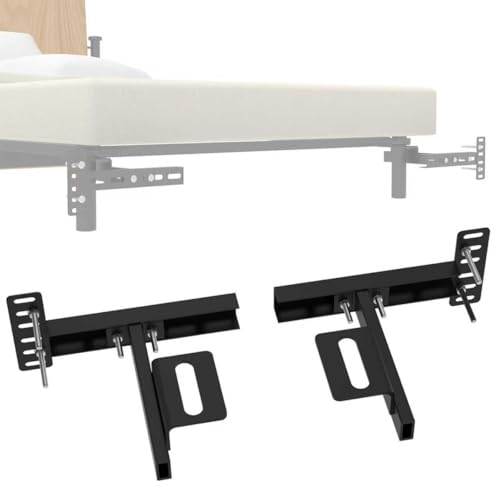

- Screwdriver or wrench
- Measuring tape
- Level
- Protective gloves, optional
- Bolts, nuts, and washers if your frame or kit requires them
- Headboard bracket kit if the frame has no built-in brackets
Headboard compatibility matrix

| Bed-frame type | Strutted headboard | Hook-on headboard | Free-standing headboard | Wall-mounted headboard |
|---|---|---|---|---|
| Platform | Required hardware: bracket kit or pre-drilled holes; likely failure point: misaligned fixing points; drilling avoidable: yes, if holes or a matching kit exist | Required hardware: bracket channels that match; likely failure point: wrong channel spacing; drilling avoidable: yes | Required hardware: none if the base stands on its own; likely failure point: tipping or no base support; drilling avoidable: yes | Required hardware: wall anchors into studs; likely failure point: weak wall fixings; drilling avoidable: no |
| Metal | Required hardware: bolts, washers, and often a bracket kit; likely failure point: missing bracket points; drilling avoidable: sometimes | Required hardware: hook channels that fit the frame; likely failure point: channel mismatch; drilling avoidable: yes, if compatible | Required hardware: none if independent; likely failure point: instability at the base; drilling avoidable: yes | Required hardware: wall fixings into studs; likely failure point: frame and wall separation; drilling avoidable: no |
| Upholstered | Required hardware: frame-compatible bracket kit and bolts; likely failure point: hidden or absent fixing points; drilling avoidable: sometimes | Required hardware: hook channels only if the structure supports them; likely failure point: soft back panel or wrong spacing; drilling avoidable: yes, if compatible | Required hardware: none if the headboard stands alone; likely failure point: leaning or shifting; drilling avoidable: yes | Required hardware: wall fixings into studs; likely failure point: wall position versus bed position; drilling avoidable: no |
| Adjustable | Required hardware: adjustable-bed headboard brackets; likely failure point: model mismatch; drilling avoidable: sometimes, model-dependent | Required hardware: only if the model allows hook-on mounting; likely failure point: movement range and channel fit; drilling avoidable: sometimes | Required hardware: none if the headboard is independent; likely failure point: clearance with moving sections; drilling avoidable: yes | Required hardware: wall fixings into studs; likely failure point: bed movement versus fixed wall position; drilling avoidable: no |
| Slatted | Required hardware: bolts, washers, and a matching bracket kit if needed; likely failure point: strut spacing or slat interference; drilling avoidable: sometimes | Required hardware: bracket channels that match the slat frame; likely failure point: hook placement and spacing; drilling avoidable: yes, if compatible | Required hardware: none if the headboard stands on its own; likely failure point: base movement; drilling avoidable: yes | Required hardware: wall fixings into studs; likely failure point: wall placement instead of frame fit; drilling avoidable: no |
Can you attach a headboard without drilling?
Yes, but only when the frame and headboard already match in a usable way. The no-drill paths are existing frame holes, hook-on brackets, a matching bracket kit, or a free-standing headboard. A wall-mounted headboard is a separate option and requires drilling into the wall and fixing into studs. Match the frame type to the headboard’s fixing points first, then choose the least invasive option that still locks the pieces together.
Headboard size also matters. Comfy Bedrooms says the headboard width can be 0-3 inches wider than the bed frame, and standard headboard height is about 14-29 inches from the mattress top. A standard twin bed frame is 38 inches by 75 inches, a standard queen bed frame is 60 inches by 80 inches, and a standard king bed frame is 76 inches by 80 inches.
How do you check frame and headboard fit?
Measure the bed size first, then inspect both parts for the actual fixing points. A headboard usually needs to match the bed size, but fit depends on the frame design and the headboard back rather than on a universal standard. Check for built-in brackets, pre-drilled holes, slits, hook channels, struts, or a wall-mount system before you buy hardware.
Fit checklist
- Measure the frame size and confirm the bed size.
- Look for bracket points, holes, slits, or hook channels on the frame.
- Check the back of the headboard for struts, fixing points, or wall-mount hardware.
- Compare the spacing of the mounting points before assembly.
- Confirm that the headboard width and height suit the mattress and rail layout.
How do you attach it without drilling?
Line up the headboard with the frame’s mounting points, then use the matching holes, hooks, or bracket kit. Put bolts, washers, and nuts in by hand first so the threads do not cross. Tighten only after the headboard sits level, and support it while you work so it does not shift. Hook-on attachments use slits or hooks, while bolt-on attachment uses pre-drilled holes and a fixed connection.
Step-by-step installation
- Move the bed away from the wall and clear the side rails.
- Set the headboard behind the frame and line up the fixing points.
- Install the bracket kit only if the frame lacks built-in brackets and the kit matches the frame dimensions and design.
- Start each bolt, washer, and nut by hand.
- Use a level to keep the headboard upright before final tightening.
- Use a screwdriver for screws and a wrench for bolts and nuts, then tighten until the connection is firm.
- Recheck the level and retighten after the first load is applied.
Suppose a queen frame has holes, but the headboard struts sit about 1 inch off to one side. Stop there and remeasure, because forcing the bolts can twist the rail and leave the headboard crooked. A bracket kit that matches the frame may solve the offset if the dimensions line up.
If the headboard is still a little high after alignment, adjust it only within the slot range or hole pattern provided by the hardware. Do not guess at a fixed step size. A tight fit that is off-center is worse than a slightly higher fit that sits square and secure.
What if your frame has no brackets?
Use a headboard bracket kit only if it matches the frame dimensions and design. Bracket kits can include channels, nuts, bolts, and washers, and they are meant for frames that lack built-in brackets. If the frame and kit still do not match, switch to a free-standing headboard or move to a wall-mounted headboard that fixes into studs after drilling into the wall.
When to stop forcing the frame
- Stop if the holes do not line up without pressure.
- Stop if the hardware is missing or the bolt length is unknown.
- Stop if the hook channels do not match the bracket spacing.
- Stop if the headboard rocks after you tighten it.
- Choose a different mounting path instead of using improvised parts.
Wall mounting can work when the wall has studs in the right place, but it requires drilling into the wall. Do not rely on drywall alone for a headboard that carries load. Free-standing headboards are useful when you want to avoid drilling into the frame and the room layout allows a separate base.
Can you attach a headboard to an adjustable bed frame?
Sometimes, but compatibility varies by model. Adjustable beds often use headboard brackets for a secure connection, and the safest starting point is the owner’s manual for that frame. Many models need the head of the bed raised to its highest setting before installation, because movement can block access to the mounting points.
Do not assume an adjustable frame accepts the same setup as a standard frame. Check whether the frame allows a bracket connection, whether the headboard clears the moving sections, and whether the mount stays stable when the bed changes position. If it does not, a wall-mounted or free-standing headboard is the safer choice.
Common mistakes
The biggest problems are not subtle. They are misaligned holes, missing brackets, mismatched strut spacing, and hardware that does not belong to the frame or bracket kit.
- Forcing a hook-on headboard into the wrong channel spacing.
- Mixing bolts, nuts, and washers that do not match the frame or bracket kit.
- Tightening before the headboard is level.
- Assuming an adjustable bed will accept the same setup as a standard frame.
- Using missing or improvised hardware instead of the correct parts.
How to line up the holes
Center the headboard behind the bed, then move it until the holes or channels overlap cleanly. If the frame has pre-drilled holes, the bolts should pass through without side pressure. If a bracket kit is involved, the channels must sit flat against the frame before you tighten anything.
Frequently asked questions
How do you attach a headboard to a bed frame without drilling?
Use the frame’s existing holes, a matching hook-on setup, or a bracket kit that fits the frame dimensions and design. If none of those options line up, move to a wall-mounted headboard that is fixed into studs after drilling into the wall, or choose a free-standing headboard that does not depend on the rail system.
Can a headboard be attached to any bed frame?
No. Compatibility depends on the frame’s mounting points and the headboard’s fixing style. Some frames have built-in brackets or holes, while others need a matching bracket kit. If the hardware and spacing do not match, a wall-mounted or free-standing option is the better fit.
What if my bed frame has no headboard brackets?
Use a headboard bracket kit only when it matches the frame dimensions and design. If the frame still lacks a usable connection after that, choose a free-standing headboard or mount the headboard to wall studs after drilling into the wall. Do not rely on loose hardware or a partial fit.
Do I need brackets for a headboard?
Only if the frame lacks another matching connection. A bracket kit may be needed when there are no built-in brackets, and it should include the channels and fasteners that suit the frame. If the headboard stands on its own or mounts to the wall, brackets may not be necessary.
How high should a headboard be mounted?
A practical guide is to use the mattress top as the reference point, since Comfy Bedrooms lists standard headboard height at about 14-29 inches from the mattress top. Set the headboard so it clears the mattress and stays level with the frame, then tighten the hardware after the height looks even.
Products related to this article
Sponsored / affiliate links. As an Amazon Associate I earn from qualifying purchases. I may earn additional commission from eligible campaigns.