Under $100 Cookware Safety Guide: Safe Options That Last
To stay under about $100, a common first choice is a heavy-gauge stainless steel skillet or saucepan, then a carbon steel or enameled cast iron piece if higher heat or oven use is needed. Skip thin, loose, or rocking cookware, and avoid cheap nonstick sets with soft bases or worn coating. Safety depends on three things: a stable material, an intact cooking surface, and replacing damaged pieces before they fail.
Best cookware under $100

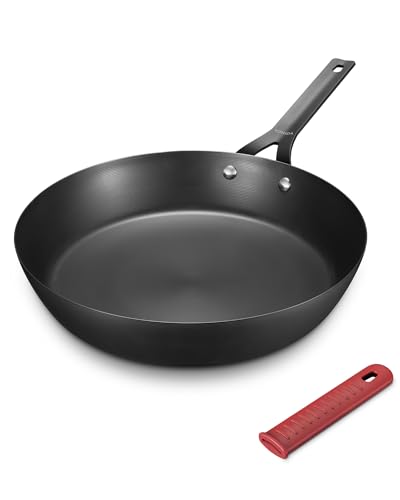

The safest budget buy is the piece that stays flat, has a secure handle, and matches the job you need it to do. Under $100, that usually means one solid stainless steel pan or saucepan instead of a full set packed with weak lids and thin extras.
Top pick by safety and durability
For most shoppers, a stainless steel skillet or saucepan is the safest everyday choice. Stainless steel is one of the most stable cookware materials on the market, and it handles high heat well. Surface wear is usually cosmetic, so the main watch-outs are warping and loose handles.
If only one item can be bought, a common first choice is a 10- to 12-inch stainless skillet or a medium saucepan with a flat base and tight rivets. That covers searing, sautéing, boiling, and simmering without relying on a coating that can wear down.
Best alternate for high-heat cooking
Carbon steel is often a strong low-cost backup when high-heat performance and a lighter pan than cast iron are desired. It relies on a seasoned surface rather than a factory-applied coating, so performance depends on maintenance. If the seasoning fails, food can stick and the surface can react differently with moisture.
Enameled cast iron is another strong option if you need oven use and steady heat retention. Its glass-based enamel coating is non-reactive, but chips and cracks matter. The structure can last a long time if the enamel stays intact.
Best option for oven and storage use
Glass cookware is among the most chemically inert options and is best suited for oven, microwave, and storage use. It is often a poor choice for stovetop work because thermal shock can be a major risk. Rapid temperature swings can crack it.
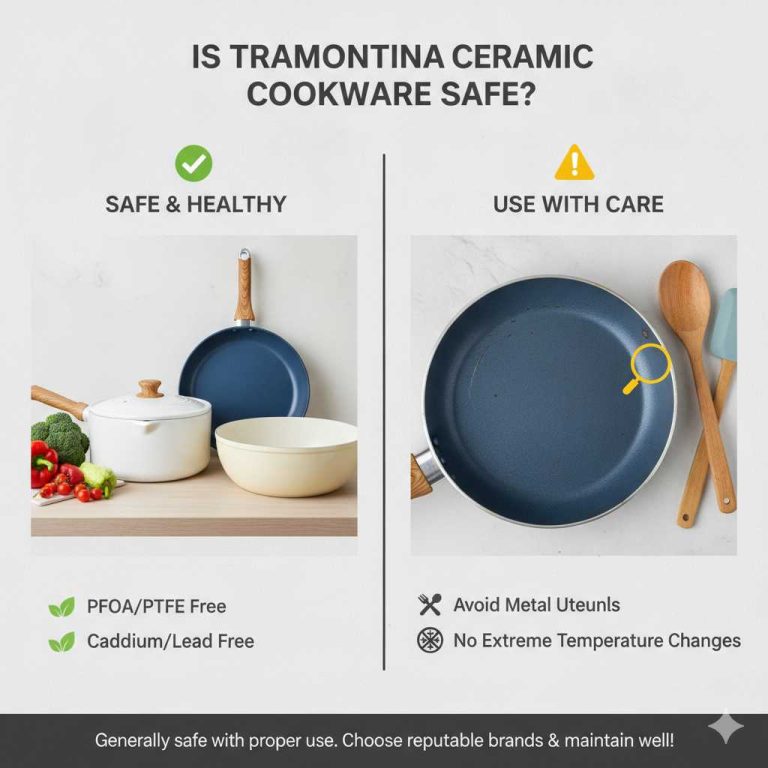
Ceramic-coated cookware can work for moderate-heat tasks, but it is not the longest-life choice. The safest use is gentle stovetop cooking at moderate heat, then replacement when the coating wears, scratches deeply, or loses release performance.
What makes cookware safe
Safe cookware starts with food-contact materials, a sound build, and the right heat range. Stainless steel, enameled cast iron, carbon steel, glass cookware, and ceramic-coated cookware are listed as low-risk options. Certifications help set a baseline, but they do not guarantee indefinite performance.
Food-contact materials and FDA baseline
FDA food-contact standards matter because they are commonly used as a baseline for what can touch food. That baseline is useful, but it does not make a pan safe forever. A pan that met a standard at sale can still become a poor choice later if it warps, chips, or becomes unpredictably reactive.
That is why cookware should be judged by how the material behaves over time, not just the label on the box.
Why heat limits matter
Every material has a temperature range where it performs safely. Stainless steel handles high heat well. Ceramic-coated cookware is safest at moderate heat. Glass works best in the oven or microwave, not on a burner.
Too much heat can shorten cookware life fast. Overheating can damage coatings, weaken handles, and increase the chance of warping or cracking.
Why condition matters as much as material
Surface condition changes how safe a pan remains. Chips, cracks, scratches, warping, discoloration, and loose hardware can all affect how food cooks and how long the piece lasts. A stable material in poor condition is not a safe buy.
Suppose a skillet rocks on a flat counter after a hot wash. That is not a cosmetic issue only. It can mean the base has warped enough to heat unevenly and sit poorly on a burner.
Which materials hold up best?
The best material depends on how you cook. Stainless steel is the most stable all-purpose pick. Enameled cast iron is strong for oven work and slow cooking. Carbon steel is a good fit for high heat and people willing to season and maintain it. Glass and ceramic-coated cookware are more limited by heat and wear.
Stainless steel
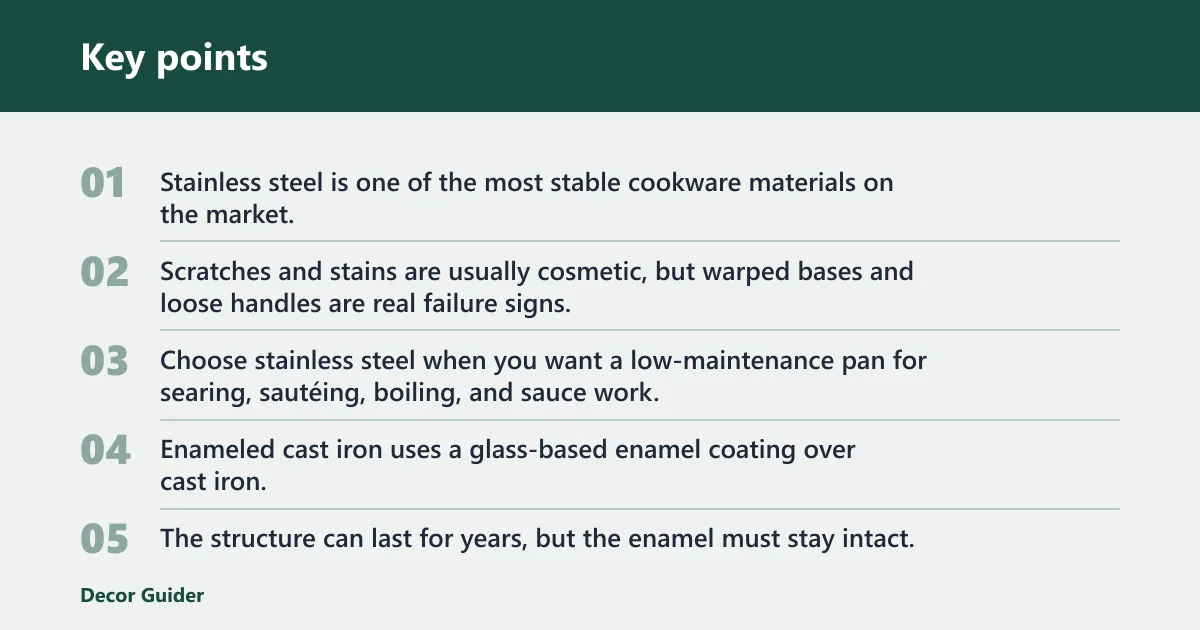
Stainless steel is one of the most stable cookware materials on the market. It is uncoated, chemically stable, and tolerates high heat well. Scratches and stains are usually cosmetic, but warped bases and loose handles are real failure signs.
Choose stainless steel when you want a low-maintenance pan for searing, sautéing, boiling, and sauce work. It is usually the safest everyday option under $100 because it avoids coating wear.
Enameled cast iron
Enameled cast iron uses a glass-based enamel coating over cast iron. That makes the cooking surface non-reactive, which is useful for acidic foods and long braises. The tradeoff is chip and crack sensitivity.
The structure can last for years, but the enamel must stay intact. If the coating chips through to the iron or cracks enough to expose rough edges, replace the piece for food-contact use.
Carbon steel
Carbon steel relies on a seasoned surface rather than a factory-applied coating. That makes it a good choice for high heat, quick searing, and lighter handling than cast iron. Safety and performance depend on keeping the seasoning intact.
Use it when you can maintain the surface after washing and drying. If the seasoning keeps stripping away or food begins sticking despite proper care, the pan is telling you it needs attention or replacement.
Glass and ceramic-coated cookware
Glass cookware is chemically inert and best for baking, reheating, microwave use, and storage. It is not ideal for stovetop cooking because thermal shock can crack it. Avoid sudden changes from cold to hot or hot to cold.
Ceramic-coated cookware is generally safe for everyday cooking at moderate heat, but its lifespan is shorter than stainless steel or cast iron. Once the coating wears down, releases poorly, or shows scratches and chips, it is time to replace it.
Under-$100 cookware safety scorecard
| Material | Max practical heat use | Warping risk | Coating lifespan | Handle durability | Dishwasher tolerance | Best use-case | Keep or replace |
|---|---|---|---|---|---|---|---|
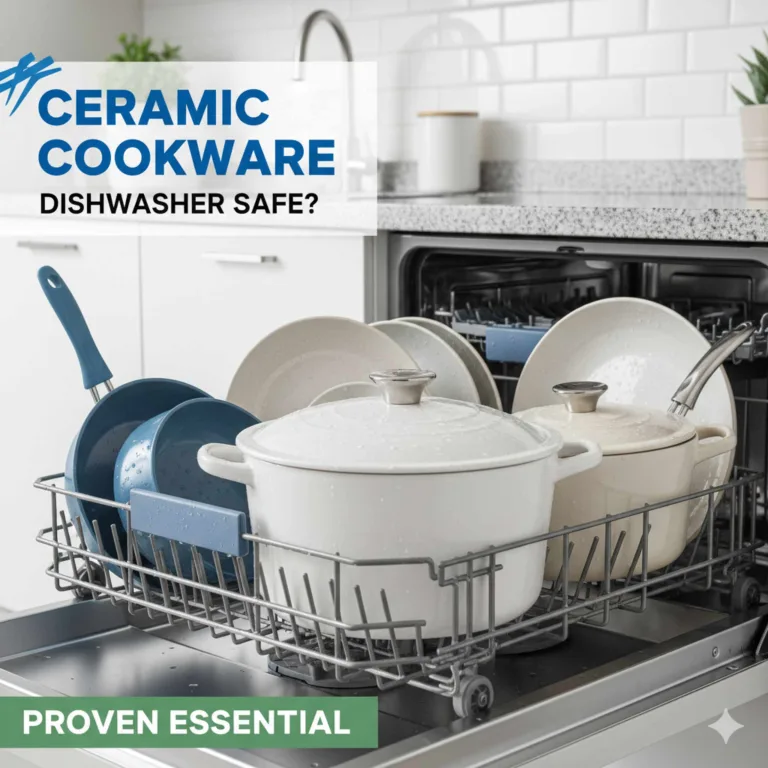
| Stainless steel | High heat | Low to moderate, depending on base thickness | None | Good if rivets stay tight | Usually good, if the maker allows it | Searing, sautéing, boiling, sauce work | Keep if flat and secure; replace if warped or loose |
| Enameled cast iron | Moderate to high heat, within label limits | Low body warping, but chip risk matters more | Long, if enamel stays intact | Good if knobs and side handles stay secure | Usually not the best choice for frequent dishwasher use | Braising, simmering, oven work | Keep if enamel is intact; replace if chipped or cracked |
| Carbon steel | High heat | Moderate if the base is thin | Seasoning can wear and be renewed | Good if welds or rivets stay tight | Usually poor, because it can strip seasoning | Stir-fry, searing, fast stovetop cooking | Keep if seasoning recovers; replace if pitted or unstable |
| Glass cookware | Moderate oven heat only, per label | Low on the stove because it should not be used there | None | Varies by piece; check lid and dish handles | Often good, but label matters | Oven baking, microwave, storage | Keep if uncracked; replace after chips or thermal shock damage |
| Ceramic-coated cookware | Moderate heat | Moderate if the base is thin | Limited; wear is expected over time | Varies by model | Often mixed; check the maker’s care instructions | Eggs, low- to medium-heat everyday cooking | Keep while release is good; replace when wear becomes visible |
| Thin nonstick budget pan | Low to moderate heat only | Higher than heavier pans | Short | Often fair to poor | Often mixed | Occasional low-heat cooking | Replace early if coating scratches, flakes, or loses release |
| Heavy-gauge aluminum with coating | Moderate heat, per coating label | Moderate | Depends on coating type | Varies by model | Varies by model | General stovetop use | Keep if flat and coating stays sound; replace on wear |
| Cast iron | High heat | Low body warping, but uneven heating is normal | Seasoning can be maintained | Very good if handles are solid | Poor unless fully dried and cared for | High-heat searing, oven use | Keep if seasoned and rust-free; replace only for major damage |
What to check before you buy
A budget pan can look safe on the shelf and still fail fast at home. Check the base, handle, lid, and label before you buy. Thin walls, a curved base, and loose attachment points are the biggest warning signs in low-cost cookware.
-
Check base thickness and flatness. Hold the cookware against a flat surface and look for rocking. A flat base is especially important for stainless steel and aluminum-bodied pans, because thin metal warps more easily with heat changes.
-
Inspect handle attachment. Rivets or welds should sit tight with no wobble. Loose handles are not a small defect, because they can worsen with heat, weight, and repeated washing.
-
Read the oven-safe and dishwasher labels. Follow the manufacturer’s listing for your model, because safe temperature limits vary. If the label is missing or unclear, treat the piece as lower-limit cookware until you confirm it.
-
Match the piece to the task. Use stainless steel for stovetop searing, enameled cast iron for braising, carbon steel for high-heat cooking, and glass for oven or storage use. A mismatch shortens life and raises failure risk.
-
Favor one good piece over a weak set. Under $100, a single well-built skillet or saucepan is often a better buy than a multi-piece set with thin lids and flimsy extras. Coverage matters, but only if each piece stays flat and secure.
When should you replace it?
Replace cookware when damage changes the cooking surface, the heat path, or the hardware. The most useful rule is simple: if the pan is chipped, cracked, warped, or loose in a way that changes contact or handling, do not keep treating it as normal cookware.
Say your 10-inch stainless skillet starts rocking after a hot wash and the center no longer sits flat on the burner. That pan may still be usable, but it has moved into failure territory for even heating and safe handling. A second issue pushes it toward replacement fast.
Chips, cracks, and deep scratches
Chips and cracks are especially important in enameled cast iron, glass, and ceramic-coated cookware. Deep scratches in coated pans matter too, because they can signal wear that will keep spreading. If the surface is no longer continuous, replacement is the safer choice.
For glass cookware, even small chips at the edge can matter because thermal stress can travel from weak points.
Warping, loose handles, and failed coating
Warping shows up when the base no longer sits flat. Loose handles or wobbly lids can turn a normal pan into a burn or spill risk. On ceramic-coated cookware, a coating that loses release quickly, turns patchy, or shows repeated scratches is past its useful life.
For carbon steel, look for seasoning failure that keeps returning after proper drying and oiling. If the surface stays unstable, the pan is not behaving the way it should.
Discoloration and stubborn roughness
Discoloration alone is often cosmetic on stainless steel and carbon steel. But if discoloration comes with pitting, rough spots, or a changed texture that keeps catching food, treat it as a wear sign. Heavy discoloration on coated cookware deserves more caution because it can hide surface breakdown.
A common first-timer mistake is keeping a bargain nonstick pan just because the coating still looks mostly intact. Once release fails in patches or the surface shows scratches and rough areas, the pan is no longer doing its core job well.
Frequently asked questions
What is the safest cookware under $100?
For most buyers, a heavy-gauge stainless steel skillet or saucepan is the safest under-$100 choice. It is one of the most stable cookware materials on the market, tolerates high heat well, and does not depend on a wear-prone coating. If you need oven use, enameled cast iron is the next strong option.
Is stainless steel safer than nonstick cookware?
In budget cookware, stainless steel is usually the safer long-term buy because it is uncoated and less dependent on a fragile surface layer. Nonstick can be fine within its heat limits, but cheap versions wear out faster. Once the coating scratches, flakes, or loses release, replacement is the prudent move.
How do I know if cookware is non-toxic?
Look for food-contact materials, clear heat limits, and a surface that stays intact in normal use. FDA food-contact standards are a baseline, not a promise of lifetime performance. If the cookware is warped, chipped, cracked, or unpredictably reactive, the safety picture changes even if the label looked fine.
Is ceramic-coated cookware safe for everyday cooking?
Yes, ceramic-coated cookware can be safe for everyday cooking when used at moderate heat and replaced as the surface wears. The coating does not last forever. If scratches deepen, release performance drops, or the surface becomes patchy, it is time to stop relying on it.
How long does cheap cookware last before replacing?
There is no single timeline, because condition matters more than age. Replace cheap cookware as soon as you see chips, cracks, warping, loose handles, or a coating that no longer performs. A well-kept stainless steel pan can last much longer than a thin coated pan, while a damaged one should go sooner.
What should I avoid when buying budget cookware?
Avoid thin bases, rocking bottoms, loose rivets, vague heat claims, and cookware that does not clearly state its use limits. Skip sets that force you to accept weak lids and extra pieces you do not need. Under $100, the safer buy is a stable piece matched to your cooking style, not a large set with mixed quality.
Products related to this article
Sponsored / affiliate links. As an Amazon Associate I earn from qualifying purchases. I may earn additional commission from eligible campaigns.