Is Enamel Cookware Toxic? What You Need To Know
It’s easy to get lost when picking out new pots and pans. You want something that cooks well. You also want something that’s safe for your family.
Enamel cookware looks nice. It comes in many colors. But a nagging question can pop up: Is enamel cookware toxic?
Let’s clear that up. We will look at what enamel is made of. We’ll see if anything can leach into your food.
Knowing this helps you choose the right tools for your kitchen.
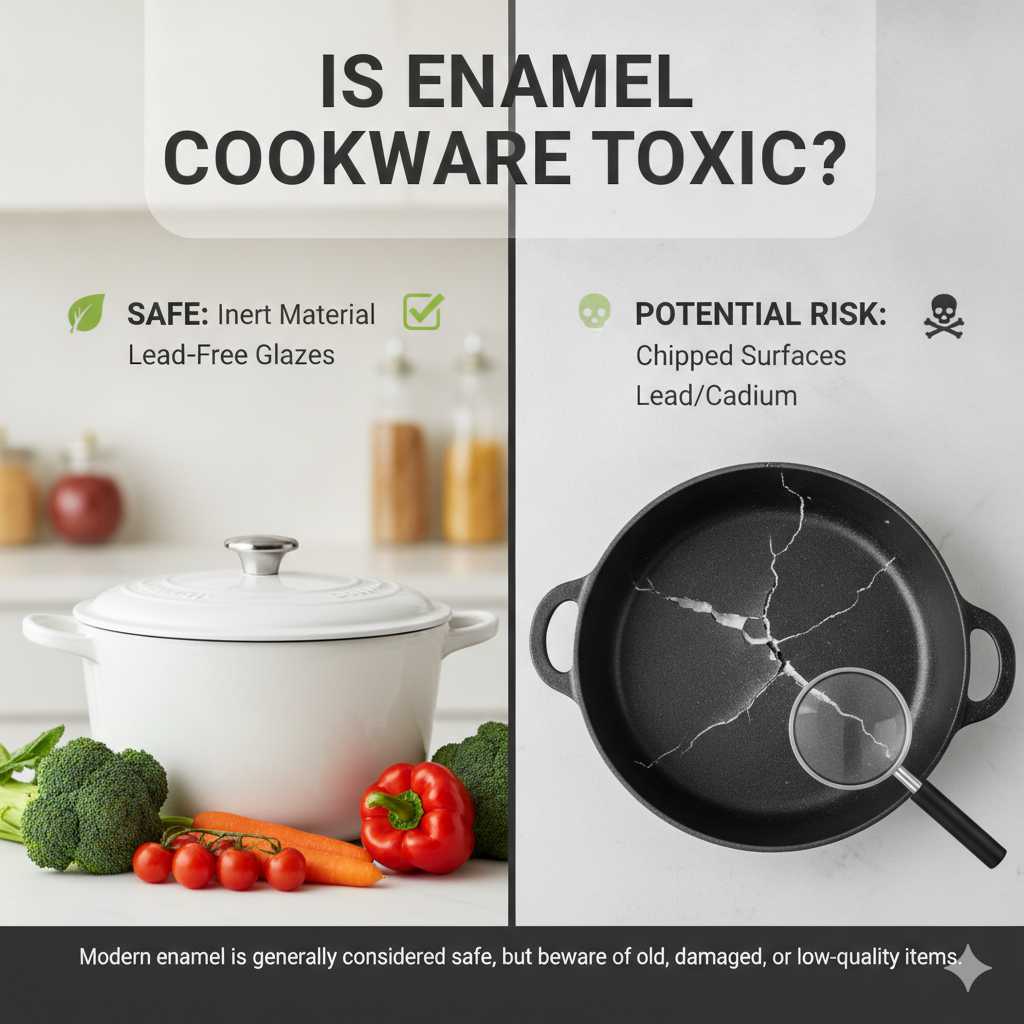
Enamel cookware is generally safe if made and used correctly. It’s made by fusing glass to metal. The glass layer is inert. It does not react with most foods. However, chips or damage can expose the metal beneath. This might lead to some concerns depending on the base metal.
What Exactly Is Enamel Cookware?
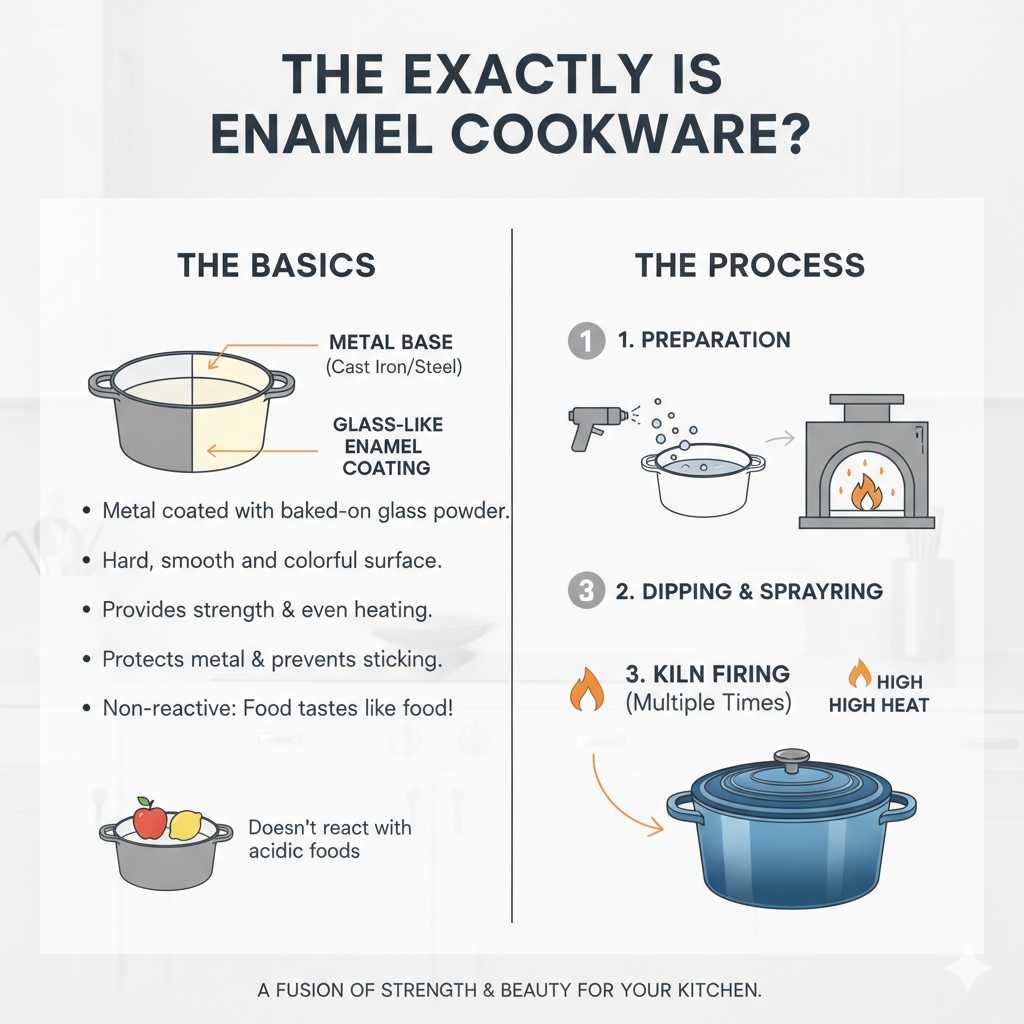
Enamel cookware is metal coated with a glass-like substance. Think of it like a baked-on enamel finish you might see on appliances. This coating is made from glass powder.
This powder is melted onto the metal at very high temperatures. The result is a hard, smooth, and often colorful surface.
The metal base is usually cast iron or steel. This gives the pan strength and helps it heat evenly. The enamel coating then protects this metal.
It also makes the cookware non-reactive. This means it doesn’t easily interact with the acids in food. This is a big plus for cooking.
It helps keep your food tasting like food.
The process of applying enamel is quite technical. The metal is prepared. Then, the glass powder is sprayed or dipped onto it.
It goes into a kiln for firing. This heat fuses the glass to the metal. This is done multiple times.
Each layer is fired. This builds up the strong, glossy finish we see.
The Layers of Enamel: What’s Inside?
Understanding the layers helps us understand safety. The enamel itself is made from natural minerals. These include silica (sand), feldspar, and soda ash.
These are common materials. They are melted together. Then they are ground into a fine powder.
This powder is what becomes the enamel coating.
When this powder is fired onto the metal, it forms a vitreous (glass-like) layer. This layer is very stable. It’s also non-porous.
This means it doesn’t soak up food or liquids. This is why enamel is often used for cookware and bathtubs. It’s durable and easy to clean.
The base metal is also important. Most enamel cookware uses cast iron or steel. Both are generally considered safe.
Cast iron can add a little iron to your food. This is often seen as a good thing. Steel is also a common and safe material for cookware.
Is the Enamel Coating Safe for Cooking?
For the most part, yes. The enamel coating itself is made from inert materials. It does not leach harmful chemicals into your food.
This is true when the enamel is intact. It’s a very stable material. It’s much safer than some older cookware materials.
The glass coating is designed to be non-reactive. It won’t interact with acidic foods like tomatoes or citrus. This means your food will taste as it should.
You won’t get a metallic taste. This makes it a popular choice for many home cooks. It’s reliable for everyday use.
Think about it like eating off a ceramic plate. The glaze on a ceramic plate is similar. It’s made to be safe for contact with food.
Enamel cookware works on the same principle. The smooth surface is easy to clean. This also helps keep it hygienic.
Potential Concerns: When Can It Become Toxic?
The main issue with enamel cookware is damage. If the enamel chips or cracks, the underlying metal is exposed. This is where potential problems can arise.
The safety then depends on what that metal is.
If the base is cast iron or steel, exposure is usually not a major concern. A small amount of iron might leach. But this is typically not harmful.
In fact, it can be beneficial for some people. It can help boost iron intake. This is especially true for those prone to iron deficiency.
However, some older or lower-quality enamelware might have used other metals underneath. These could include lead or cadmium. These metals are toxic.
They can leach into food if the enamel is chipped. This is a serious health risk.
Modern, reputable manufacturers use safe materials. They adhere to strict safety standards. You should always buy from trusted brands.
Look for cookware that is labeled “lead-free” and “cadmium-free.” This gives you peace of mind. It ensures you are not exposed to these dangerous metals.
Lead and Cadmium: The Real Risks
Lead and cadmium are heavy metals. They are known to be toxic. Even small amounts can be harmful over time.
This is especially true for children. Their developing bodies are more vulnerable.
Lead can affect the brain and nervous system. It can cause learning difficulties. It can also impact behavior.
Cadmium is a carcinogen. It can damage the kidneys and bones. It builds up in the body.
These are not substances you want in your food.
The risk comes from chipped enamel. When the protective glass layer is gone, the bare metal is exposed. If that metal contains lead or cadmium, it can leach into food.
This happens more easily with acidic foods. It can also happen when the pan is heated.
Fortunately, this is rare with modern, quality enamelware. Regulations in many countries, including the U.S., restrict the use of lead and cadmium in cookware glazes. Manufacturers must test their products.
They must ensure they meet safety standards. Always check for these certifications.
Cast Iron Enamel: A Popular Choice
Cast iron enamel cookware is very common. It offers the benefits of cast iron. It also has the smooth, non-reactive surface of enamel.
This combination is excellent for cooking.
The cast iron base provides even heating. It holds heat well. This is great for searing meats and slow cooking.
The enamel coating prevents the cast iron from rusting. It also stops the iron from reacting with food. This means no metallic taste.
When the enamel on cast iron chips, you see the cast iron underneath. As mentioned, cast iron itself is safe. A little bit of iron leaching into your food is usually not a problem.
It’s generally considered safe to continue using chipped cast iron enamelware.
However, it’s still best to avoid using a severely chipped pan. Excessive chipping can affect the cooking surface. It can also make the pan harder to clean.
If the chips are small and the cast iron looks clean, it’s likely fine. Just keep an eye on it.
Steel Enamel Cookware: Another Option
Steel is lighter than cast iron. Enamel-coated steel cookware heats up faster. It’s also often less expensive.
The enamel coating serves the same purpose here. It protects the steel and makes it non-reactive.
If steel enamel chips, the steel is exposed. Most steel used in cookware is food-grade stainless steel. This is safe.
It doesn’t typically contain lead or cadmium. So, a small chip on steel enamel is usually not a major safety issue.
The main concern with steel is its tendency to rust if the protective coating is breached. If the enamel is chipped, the steel can be exposed to moisture. This can lead to rust spots.
Rust itself is not toxic. But it’s unsightly. It can also affect the non-stick properties of the surface.
To prevent rust on chipped steel enamel, dry the pan thoroughly after washing. You can also lightly oil the exposed steel area. This helps create a barrier against moisture.
However, for the best cooking experience, it’s always preferable to use cookware with an intact surface.
My Own Experience with Chipped Enamel
I remember one chilly morning. I was making my famous chili. I grabbed my favorite blue enamel pot.
It was a hand-me-down from my grandmother. I was rushing. I dropped a heavy metal lid onto the rim of the pot.
Clang! My heart sank. I looked inside. There was a noticeable chip right on the edge.
A small piece of the blue enamel had flaked off. I could see the silvery metal underneath.
My first thought was, “Oh no, is this ruined? Is it toxic now?” I panicked a little. I imagined all sorts of bad things leaching into my chili.
I almost threw the pot away. But then I remembered what I’d learned about enamel. I looked closely.
The metal underneath was plain steel. It didn’t look rusty or damaged. It was just bare steel.
The chip wasn’t deep. It wasn’t in the main cooking surface.
I did a quick search on my phone. Many sources said that small chips on reputable enamelware were usually okay. Especially if the metal was steel or cast iron.
They said the key was to watch for excessive chipping. They also mentioned that lead and cadmium were mostly an issue with very old or uncertified items. This pot was old, but it was from a good brand known for quality.
Still, the worry lingered.
I decided to proceed with caution. I made sure to cook the chili thoroughly. I served it right away.
I didn’t store leftovers in the pot. I also made a mental note to check the chip again after washing. I realized that while it might be safe, it wasn’t ideal.
The chipped area could be harder to clean. And over time, more chipping could happen. It taught me a valuable lesson about handling my cookware with care.
Now, I always use wooden or silicone utensils. And I’m extra careful when putting lids on or stacking pans.
Enamel Cookware: Quick Safety Checklist
Check for Chips: Always inspect your cookware before each use. Look for any cracks or missing pieces of enamel.
Identify the Metal: If chipped, know what metal is underneath. Cast iron and steel are generally safe.
Avoid Heavy Chipping: Severely damaged enamelware is best retired.
Use Proper Utensils: Stick to wood, silicone, or nylon to prevent scratches and chips.
Buy Reputable Brands: Choose manufacturers known for quality and safety certifications.
Look for Certifications: Seek out “lead-free” and “cadmium-free” labels.
Identifying Safe Enamel Cookware
Buying safe enamel cookware is about making informed choices. It’s not as complicated as it sounds. The most important step is to buy from trusted sources.
This means brands that have a good reputation.
Look for labels that state the cookware is “lead-free” and “cadmium-free.” These are important assurances. Reputable manufacturers will proudly display these. They want you to know their products are safe for your family.
Consumer Reports often tests cookware. Checking their reviews can be helpful.
Consider the price point. While not always the case, very cheap enamelware might cut corners on materials or manufacturing. This could increase the risk of using unsafe components.
Investing a little more in quality often means better safety and durability.
Check for any warranty information. Good manufacturers stand behind their products. A warranty can indicate confidence in the product’s safety and longevity.
Myth vs. Reality: Enamel Cookware
| Myth | Reality |
| All enamel cookware is toxic. | Reputable enamel cookware is generally safe. Toxicity is usually linked to lead/cadmium in damaged or old items. |
| Chipped enamel makes any pot unsafe. | Small chips on cast iron or steel bases from good brands are often safe. Severely damaged pans should be replaced. |
| Enamel reacts with all foods. | The glass coating is inert and non-reactive with most foods, including acidic ones. |
How to Care for Your Enamel Cookware
Proper care is key to maintaining the safety and lifespan of your enamel cookware. It also ensures the best cooking performance.
Always use non-metal utensils. Wooden, silicone, or nylon spatulas and spoons are best. Metal utensils can scratch and chip the enamel surface.
This is the quickest way to damage your pans.
Wash by hand when possible. While many enamel pots and pans are dishwasher safe, hand washing is gentler. It helps preserve the finish.
Use a soft sponge or cloth. Avoid abrasive scrubbers like steel wool. These can scratch the enamel.
Soak stubborn bits. If food gets stuck, don’t scrub aggressively. Fill the pan with warm, soapy water.
Let it soak for a while. This usually loosens the stuck-on food. Then you can gently wipe it away.
Dry thoroughly. After washing, make sure to dry the cookware completely. This is especially important if there are any minor chips.
It helps prevent rust on the exposed metal. A soft towel works well.
Avoid extreme temperature changes. Don’t place a hot pan in cold water. This sudden change can cause the enamel to crack or craze.
Let the pan cool down a bit first.
Do not use it for extreme storage. While enamel is non-reactive, it’s best not to store food in it for long periods. Transfer leftovers to appropriate food storage containers.
This helps maintain the pan’s integrity.
Quick Fixes & Tips for Enamelware
Minor Scratches: If you get a minor scratch but no chipping, it’s usually okay. Just continue to use non-metal utensils.
Stubborn Stains: For tough stains, try making a paste of baking soda and water. Apply it to the stain. Let it sit for an hour.
Then gently scrub and rinse.
Rust Spots (on steel enamel): If you see tiny rust spots from a chip, you can try gently scrubbing them with a non-abrasive cleaner. Then dry and oil the spot.
Discoloration: Some staining or darkening can occur over time. This is often cosmetic and doesn’t affect safety. Proper cleaning usually helps.
When Should You Worry About Your Enamel Cookware?
It’s good to know when something is a real issue. For enamel cookware, pay attention to these signs.
Extensive Chipping: If large sections of enamel are missing. If the chips expose a lot of the base metal. This means the protective layer is compromised.
It’s time to consider replacement.
Cracks Throughout the Surface: If you see many small cracks, like a spiderweb, across the enamel. This is called crazing. It can weaken the coating.
It might also make cleaning harder.
Deep Gouges: If there are deep scratches or gouges that go all the way to the metal. These create areas where food can stick. They also make the pan more prone to further damage.
Rusting on the Cooking Surface: If the exposed metal on the cooking surface starts to rust significantly. While rust itself isn’t toxic, it indicates the protective coating has failed. It also makes the surface rough.
Suspected Lead or Cadmium: If you have very old cookware. If it’s from an unknown source. And if you notice significant damage.
There’s a higher chance it might contain unsafe metals. It’s better to be safe and replace it.
In these cases, the cookware’s performance can also suffer. Food may stick more. It might be harder to clean.
And the risk of unwanted material transfer increases. When in doubt, retiring an old or damaged piece is the safest bet.
What Does This Mean for Your Kitchen?
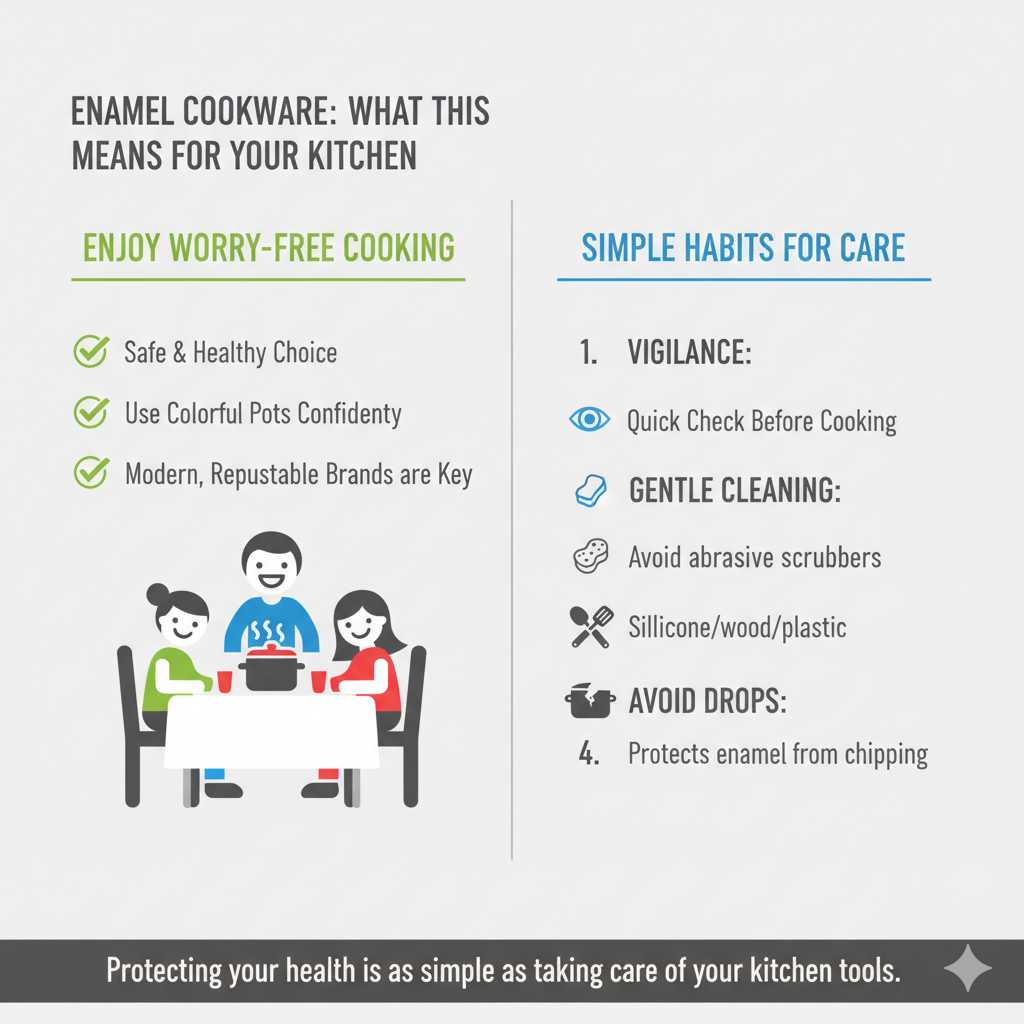
Knowing about enamel cookware safety is empowering. It means you can confidently use your pretty, colorful pots and pans. You can enjoy cooking with them.
For most people with modern enamelware, the answer to “Is enamel cookware toxic?” is no. If you buy from reputable brands. And if you take good care of them.
They are a safe and healthy choice for your kitchen.
The key is vigilance. A quick check before cooking. Gentle cleaning.
And using the right tools. These simple habits protect your cookware. They also protect your health.
It’s about enjoying your meals without worry. And making sure your kitchen tools are as good for you as the food you make.
Frequently Asked Questions About Enamel Cookware Safety
Is the enamel coating on cookware safe if swallowed?
Small flakes of enamel are generally not toxic. They are made of glass and minerals. However, they can cause digestive upset.
If a large amount is swallowed, seek medical advice. The main concern is long-term leaching into food from damaged pans.
Can I use metal utensils with enamel cookware?
It is strongly recommended NOT to use metal utensils with enamel cookware. Metal utensils can scratch and chip the enamel surface. This damage can expose the underlying metal.
This can lead to safety concerns and a shorter lifespan for your cookware.
Is it safe to cook acidic foods like tomatoes in enamel pots?
Yes, it is safe to cook acidic foods in enamel cookware. The glass enamel coating is inert and non-reactive. This means it will not interact with the acids in foods like tomatoes, lemons, or vinegar.
This is a major benefit of enamelware.
What if my enamel cookware has tiny bubbles on the surface?
Tiny bubbles or pinholes in the enamel coating are usually a cosmetic issue. They are common in some manufacturing processes. As long as they are not part of a larger chip or crack, they typically do not affect the safety of the cookware.
How do I clean burnt food off enamel cookware?
Do not use abrasive cleaners or steel wool. For burnt-on food, fill the pan with warm water and a little dish soap. Let it soak for several hours or overnight.
Then, gently scrub with a non-abrasive sponge. For very stubborn spots, you can try a paste of baking soda and water.
Is vintage enamel cookware safe to use?
Vintage enamel cookware can be a gamble. While some might be perfectly safe, older items, especially those not made by reputable brands, may have been manufactured with lead or cadmium in the glazes. If you are concerned about lead or cadmium, it’s best to avoid using very old, uncertified enamelware, especially if it shows signs of chipping or wear.
Conclusion: Enjoy Your Enamelware with Confidence
So, is enamel cookware toxic? For the vast majority of modern, quality pieces, the answer is a reassuring no. When made by trusted manufacturers and cared for properly, enamelware is a safe and excellent choice.
Focus on buying well-made items and treating them with a little care. This will ensure your colorful pots and pans serve you well for years to come.
Products related to this article
Sponsored / affiliate links. As an Amazon Associate I earn from qualifying purchases. I may earn additional commission from eligible campaigns.