How to Style a Balcony on a Budget
Style a balcony on a budget by spending first on floor covering, then seating, then privacy, and leaving accessories for last; for tiny rentals, start with one foldable chair and one weatherproof rug. Skip that order, and the space can read unfinished while money goes to small items that add little comfort or function. This guide gives a tiered, renter-safe plan for tiny balconies, with purchase priorities and low-cost space-saving ideas.
Start with the biggest visual wins


The fastest way to improve a small balcony is to cover what looks rough, then add only the pieces that solve real space problems. On most tiny balconies, that means a floor covering first, a seat second, and privacy third. Accessories can wait until those basics are in place.
For renter balconies, the first buy should usually be something removable and easy to clean. A polypropylene rug hides concrete and softens bare feet, while interlocking deck tiles are the other low-cost floor option named for this job. Both work better than spending early money on decorative objects that do not fix the hard surfaces you see every day.
Balcony budget priority table
Use this table to decide what to buy first, what to skip for now, and where the best visual return tends to come from on a narrow renter balcony. The order changes only slightly by size, but the spending logic stays the same: floor, seating, privacy, then mood.
| Tier | What to buy first | What to skip | Biggest visual impact per dollar |
|---|---|---|---|
| $50 | Weather-resistant outdoor rug or a small set of interlocking deck tiles | Bulk decor, extra cushions, oversized planters, and anything that takes floor space before seating is solved | A floor covering that hides concrete and defines a usable zone |
| $150 | Foldable chair or compact bistro set, plus a bamboo screen or ivy trellis if privacy is needed | Bulky sectionals, heavy indoor furniture, and large accessories that crowd the walkway | Compact seating plus a privacy layer that changes how the balcony feels from inside and outside |
| $300 | Floor covering, compact seating, privacy screen, solar string lights, and weather-proof cushions | Extra side pieces that do not fit the footprint, or decor that must be stored constantly | A complete sitting zone with warm light and a finished, lived-in look |
$50 starter plan
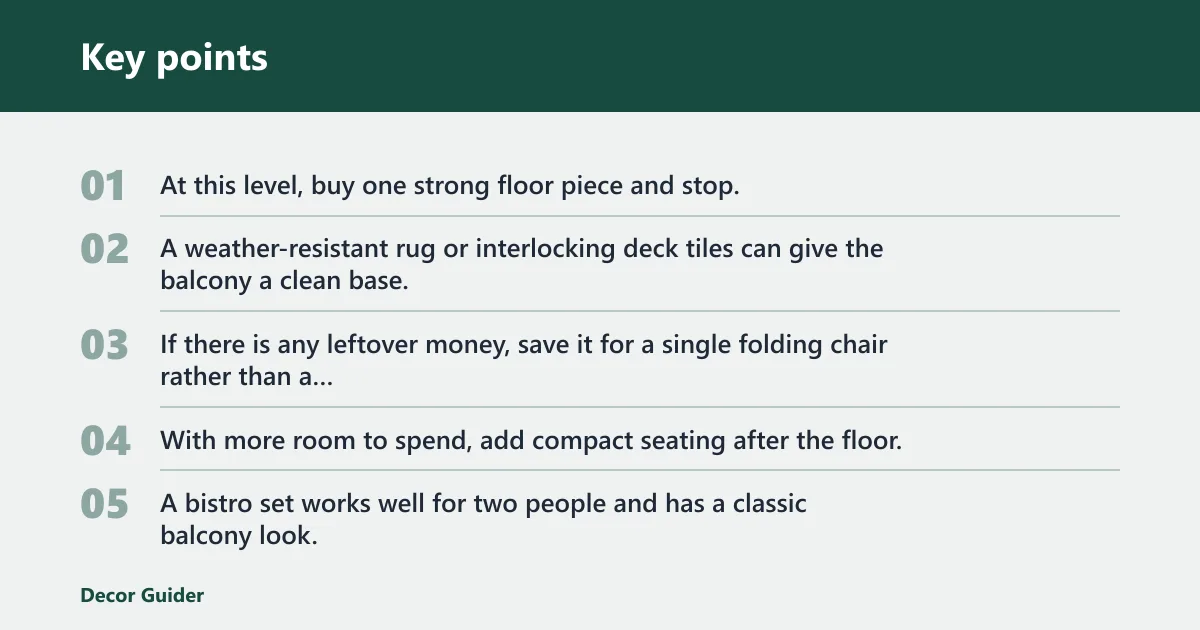
At this level, buy one strong floor piece and stop. A weather-resistant rug or interlocking deck tiles can give the balcony a clean base, which often matters more than a dozen small items. If there is any leftover money, save it for a single folding chair rather than a collection of decor.
$150 mid-range plan
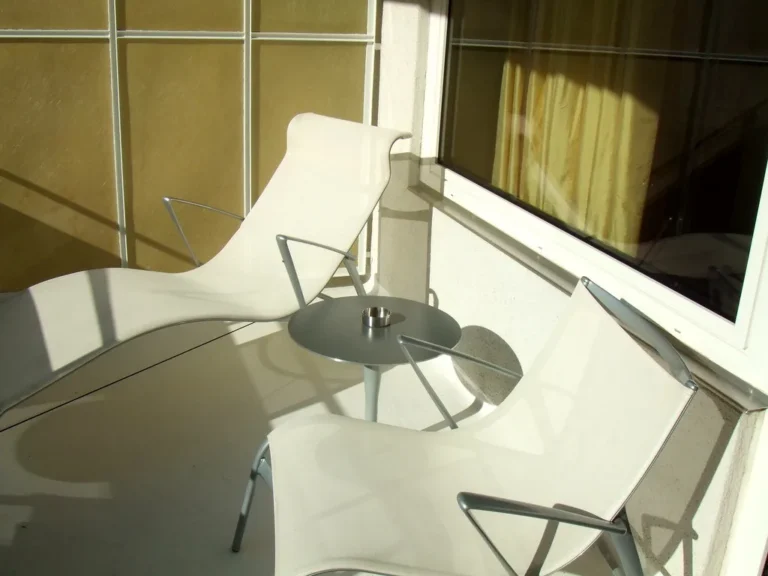
With more room to spend, add compact seating after the floor. A bistro set works well for two people and has a classic balcony look, while folding chairs are better if storage is tight. If the layout is very narrow, a wall-mounted drop-leaf table is the better fit because it folds away when not in use.
$300 fuller plan
At this level, the balcony can feel finished without becoming crowded. Add privacy, then lighting, then a few soft details. Weather-proof cushions, a textured throw blanket, solar string lights, and lanterns with LED candles can add warmth without taking much space. Use the remaining budget for a few plants, not a stack of accessories.
How do you make a small balcony feel bigger?
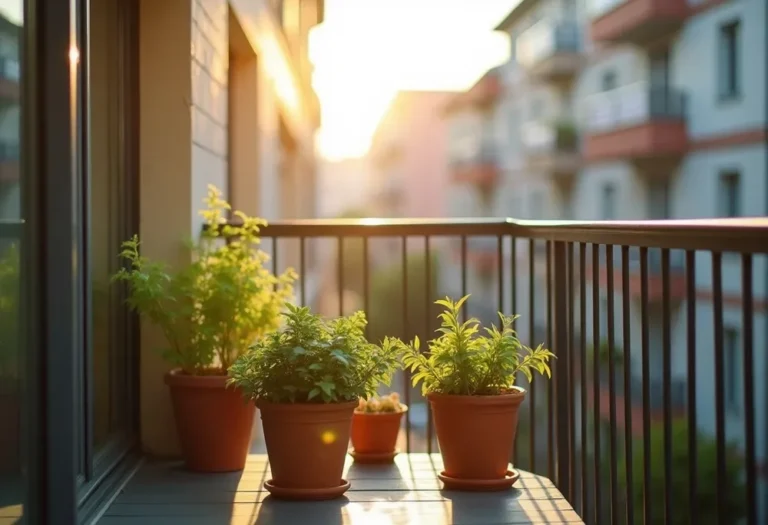
Small balconies feel larger when the floor stays clear, the furniture stays slim, and the eye can move past the edges without meeting clutter. Choose one main seat, keep traffic space open, and use vertical storage or plants instead of floor-bound extras. Light colors help, but layout matters more than color alone.
Ultra-narrow balconies need a different plan from tiny square balconies. On a long, thin balcony, one folding chair and a narrow table are often enough. On a square balcony, two small seats may work if both can pull back without blocking the door. Deeper balconies can handle a stronger seating zone, but the path should still stay clear.
A common first-timer mistake is placing a large table first because it looks complete. On a balcony about 3 feet wide, that can leave no usable passage at all. A slimmer chair, a drop-leaf surface, or a folded side table usually gives a better result and less frustration.
Choose compact seating that fits the footprint
Choose seating after the floor, and match it to the balcony’s shape. Folding chairs, a compact bistro set, or a wall-mounted drop-leaf table all work better than bulky sectionals on a small balcony. The right choice depends on whether you need storage, two-person dining, or a surface that can disappear when you are done.
Bistro set versus foldable furniture
A bistro set is the better buy when you want a classic balcony look and room for two people. Foldable furniture is better when the balcony doubles as storage space or when the layout is too narrow for permanent pieces. Both options are friendlier to small footprints than a sofa or sectional.
Wooden crates or pallets are also suggested as a low-budget DIY seating option, but they need careful checking for splinters, stability, and weather exposure. If the budget is tight and the balcony is used often, a simple folding chair may be the safer first purchase.
When a wall-mounted drop-leaf table makes sense
A wall-mounted drop-leaf table is recommended for very narrow spaces. It gives you a dining or coffee surface when needed and folds away when not in use, which is useful on balconies where every inch matters. It is especially practical when there is room for one chair but not for a full table set.
Before choosing it, check whether drilling is allowed and whether the lease permits mounted items. If drilling is not allowed, skip this route and use a folding table instead. Lease-safe mounting matters as much as size.
Why bulky sectionals are the wrong buy
Bulky sectionals waste space on tiny balconies and can make the area harder to clean, store, and rearrange. They also crowd walk paths and leave little room for privacy panels or plants. For most renter balconies, smaller pieces do more useful work and cost less to replace later.
How do you add privacy without spending much?
The cheapest privacy fixes are simple barriers that block sightlines without eating floor space. A bamboo screen or artificial ivy trellis is a strong first choice, because both are framed as inexpensive privacy solutions and can create immediate seclusion. Hanging planters can also soften open rails while keeping the floor clear.
Bamboo screen or ivy trellis
A bamboo screen is one of the fastest ways to make an apartment balcony feel less exposed. An ivy trellis gives a similar effect with a softer look. Both suit budget makeovers because they fill a visual gap without requiring large furniture or permanent construction.
If you need privacy from neighboring windows, place the screen where sightlines are strongest rather than wrapping the whole balcony. One well-placed panel often does more than covering every side with smaller decor.
Hanging planters as a soft barrier
Vertical solutions such as shelving units or hanging plants are recommended to keep floor space clear. Hanging planters work well for herbs or ferns and can soften railings without blocking the whole view. They are a useful choice when privacy should feel lighter than a full screen.
Use planters high enough to stay out of the walking zone, and keep weight in mind. For renter balconies, lighter pieces are easier to move, clean, and store when weather changes.
What to check before mounting anything
Check the lease, mounting method, and wind exposure before attaching anything to a wall or railing. If drilling is not allowed, choose freestanding screens, clamp-on pieces, or planters that do not depend on permanent hardware. A small balcony can still look finished without taking that risk.
Wind matters here. A screen that seems light in a store can behave very differently on an upper-floor balcony. Stable placement is more important than a decorative shape that looks good for a day and then shifts around in the first gust.
Use the floor and lighting to set the mood
The floor and lighting do more for mood than small decor items do. An outdoor rug or interlocking deck tiles give the balcony a defined base, while solar string lights and lanterns with LED candles bring warmth after dark. This is the point where the space starts to feel intentional.
Outdoor rug or interlocking deck tiles
The cheapest floor-covering options named are an outdoor rug or interlocking deck tiles. A polypropylene rug is recommended to hide concrete and soften bare feet, and it is renter-friendly because it is easy to clean and removable. Deck tiles are a practical alternative when you want a more built-in look without permanent work.
If the balcony floor is ugly, scratched, or cold, cover it before buying decor. That one decision often changes the whole view from the doorway.
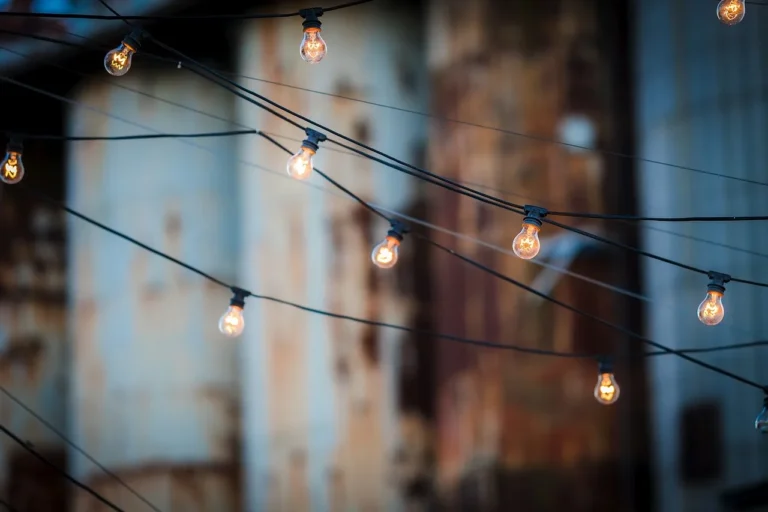
Solar string lights for warm light
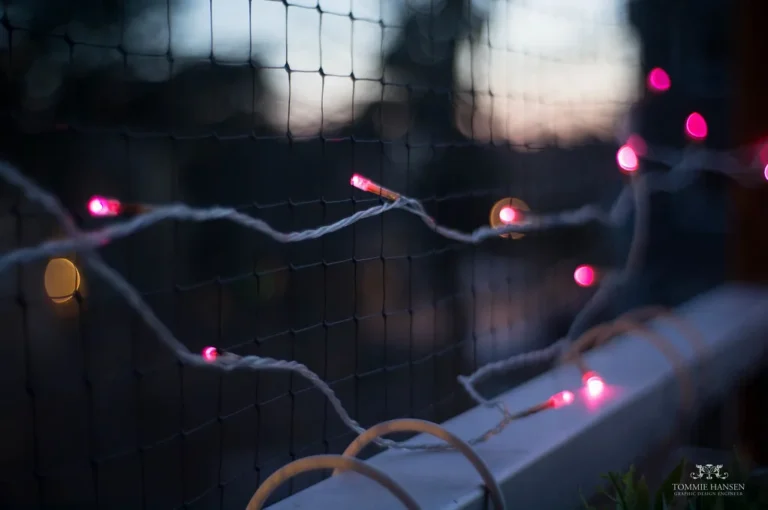
Solar-powered lights are presented as affordable and highly efficient in 2026. They are useful because they do not need an outdoor outlet, which makes them easy to place on many apartment balconies. Warm string lights are usually the simplest way to get ambient light without adding clutter.
Keep the run short on a small balcony. Too many bulbs can make the space feel busier than it is. One clean line is usually enough.
Lanterns with LED candles
Lanterns with LED candles give a flickering effect and are safer than open flame. They are budget-friendly mood lighting and work well on tables, corners, or steps where a larger lamp would get in the way. They are also easier to move when you need floor space back.
If the balcony is windy, a lantern often stays useful when string lights are too exposed. That makes it a smart backup, not a decorative afterthought.
What plants work best on a budget balcony?
Budget balcony plants should fit the light you actually have and the space you can spare. Vertical planters or hanging planters are the best place to start because they save floor space. Herbs and ferns are common small-space picks, and both can add softness without crowding the walkway.
For sun, choose plants that tolerate bright exposure and pair them with simple containers instead of oversized pots. For shade, use foliage plants that do not need constant direct light. The container matters almost as much as the plant because heavy, wide pots can eat the little room you have.
Say your balcony is about 4 feet by 6 feet and gets strong afternoon sun. A single railing planter, one hanging pot, and one compact seat may be enough to make the space feel layered without turning it into a maintenance job. In a shaded balcony, the same setup can work with ferns or other shade-tolerant greenery.
How do you decorate an apartment balcony without spending much?
A common order is floor covering, seating, privacy, light, then softness. That keeps the budget from disappearing into extras before the space can actually be used. A thrifted throw or secondhand cushion can help, but only after the balcony has a clean base and a practical seat.
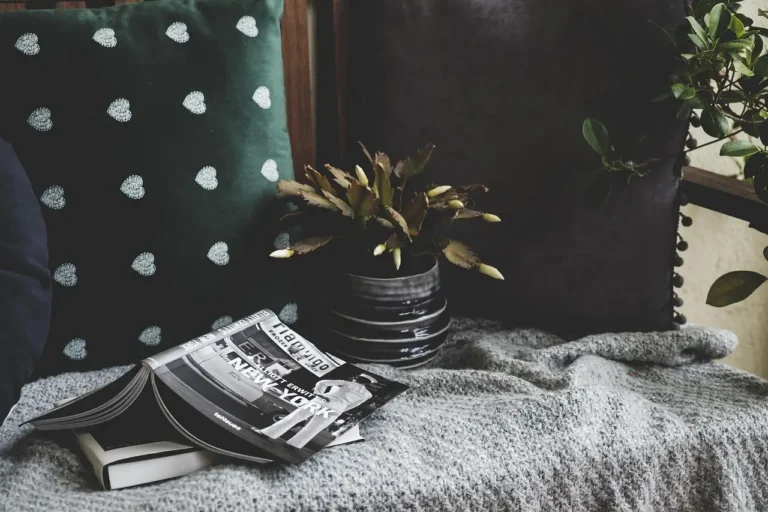
Use weather-proof cushions and a textured throw blanket to raise comfort level, but keep them suitable for outdoor use. Indoor textiles can absorb moisture and wear out quickly outside. A small amount of outdoor-safe softness goes farther than a pile of indoor items that need to be carried back in every time the weather changes.
- Cover the floor with a polypropylene rug or interlocking deck tiles.
- Add one compact seat that fits the walkway.
- Place privacy screening where sightlines are strongest.
- Finish with solar string lights or lanterns with LED candles.
- Use one or two weather-safe soft items, then stop.
Another common first-timer mistake is buying plants before the floor and furniture are settled. Plants are appealing, but they should not be the first expense if the balcony still feels hard, exposed, or hard to walk through.
Frequently asked questions
How do I decorate my balcony on a budget?
Start with the floor, then add one seat, then privacy, then lighting. That order gives the best return for a tiny balcony and keeps you from spending on items that do not solve comfort or use. A polypropylene rug, a folding chair, and one privacy screen can do more than a cart full of small decor.
How can I make a small balcony look cozy?
Use weather-proof cushions, a textured throw blanket, warm solar string lights, and a small lantern with an LED candle. Keep the furniture slim and the floor clear. Cozy comes from warmth and proportion, not from filling every corner.
What is the cheapest way to cover a balcony floor?
The cheapest floor-covering options named are an outdoor rug or interlocking deck tiles. For renter balconies, choose something removable and easy to clean. A polypropylene rug is a strong choice when you want to hide concrete fast without permanent work.
How do I add privacy to an apartment balcony cheaply?
A bamboo screen or artificial ivy trellis is one of the lowest-cost privacy fixes. Hanging planters can help too, especially when you want a softer look and want to keep the floor open. Check lease rules before mounting anything to walls or railings.
Can I use indoor furniture on a balcony?
Decorators are advised to avoid indoor furniture outdoors because it is not treated for exposure. Sun, rain, and wind can wear it out quickly, and some pieces can be too heavy or awkward for a small rental balcony. Use furniture made for outdoor use instead.
How do I make a small balcony look bigger?
Choose slim seating, keep a clear path, and use vertical planters or hanging planters instead of floor-heavy decor. A light floor covering can also help the space feel more open. The key is reducing visual clutter, not adding more of it.
How much to build a balcony?
That cost depends on structure, permits, labor, and location, so there is no single budget answer. For renters and most homeowners decorating an existing balcony, it is better to think in terms of furnishing cost than construction cost. The guide here is about styling, not building.
How much does a balcony cost?
If you mean a new balcony structure, the price varies widely by building type, permits, and engineering. If you mean furnishing a small balcony, the spending tiers above give a practical way to plan a makeover at $50, $150, or $300 without guessing where the money should go.
Products related to this article
Sponsored / affiliate links. As an Amazon Associate I earn from qualifying purchases. I may earn additional commission from eligible campaigns.