Is Balcony Furniture Weatherproof?
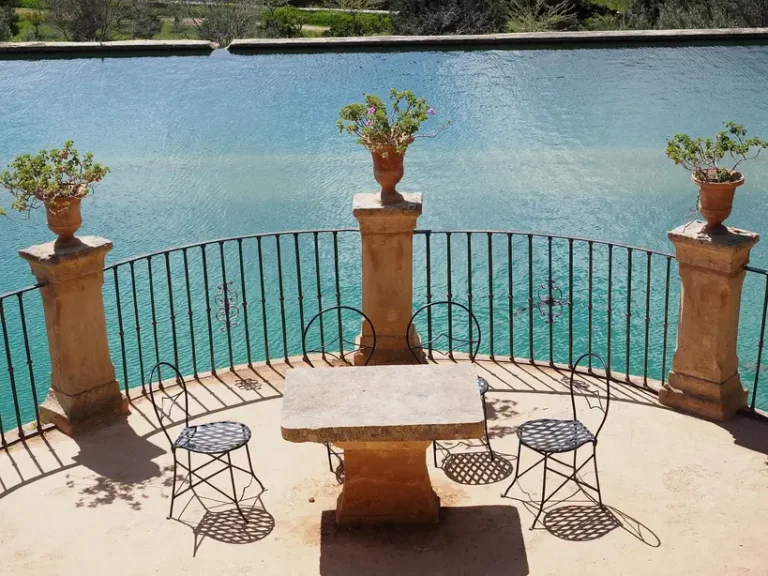
Balcony furniture is only truly weatherproof when the frame, hardware, and cushions are all designed to handle outdoor exposure with little more than routine care. In practice, most balcony pieces are weather-resistant, meaning they can cope with rain and sun better than indoor furniture, but they still need drying, covers, or storage to avoid rust, mildew, fading, and warped materials.
Is balcony furniture weatherproof?

What weatherproof usually means
In outdoor furniture listings, weatherproof usually means the piece can handle rain, sun, humidity, dust, and wind without immediate failure. That does not mean it can sit outside with no care. For a claim to be meaningful, it should cover the frame, finish, fasteners, and any soft parts, not just the visible surface. This Old House
What weather-resistant usually means
Weather-resistant is the weaker claim. It means the furniture can tolerate outdoor conditions better than indoor furniture, but it may still need drying after rain, light cleaning, a cover, or seasonal storage. On balconies, that distinction matters because small footprints make water pooling, blocked airflow, and wind exposure more likely.
Why waterproof is a narrower claim
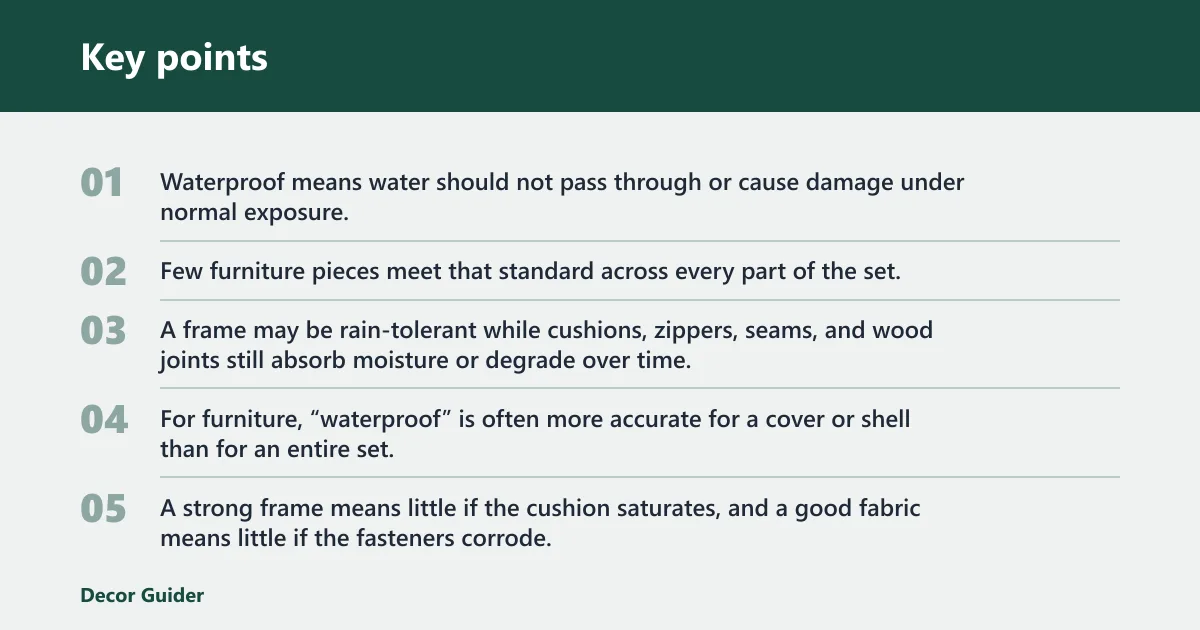
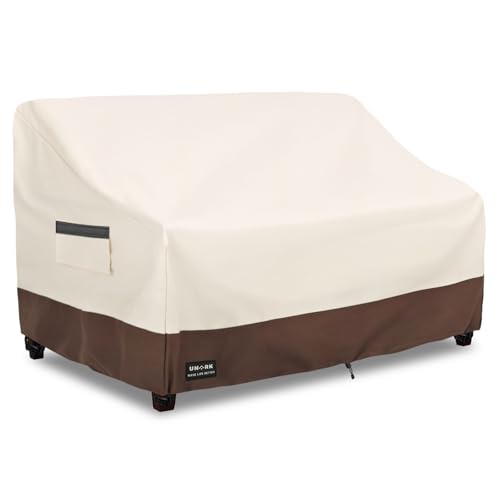
Waterproof means water should not pass through or cause damage under normal exposure. Few furniture pieces meet that standard across every part of the set. A frame may be rain-tolerant while cushions, zippers, seams, and wood joints still absorb moisture or degrade over time. For furniture, “waterproof” is often more accurate for a cover or shell than for an entire set. This Old House
| Material | Rain resistance | UV resistance | Rust risk | Mold risk | Maintenance frequency | Frame/hardware notes | Drainage caveat | Best-use balcony exposure level | Final verdict |
|---|---|---|---|---|---|---|---|---|---|
| Teak wood | High | High, but color changes | Low for wood, medium for hardware | Low to medium | Seasonal cleaning; oil only if appearance matters | Choose stainless or corrosion-resistant fasteners; wood itself is durable, but hardware can still fail first. This Old House | Works best when water can run off and air can move around the underside. Standing water shortens the life of any finish. | Exposed, if you accept patina and routine care | Outside with care |
| Powder-coated aluminum | High | High on the frame, finish can chalk over time | Low | Low | Light cleaning every few weeks; check finish yearly | Best with corrosion-resistant fasteners and welded or well-sealed joints. The frame is lightweight, but cheap hardware can undermine the advantage. This Old House | Generally fine in rain, but trapped water in feet, caps, or joints can still cause wear. | Exposed or semi-sheltered balconies | Year-round outside |
| HDPE | High | High | None in the material; hardware still matters | Low | Occasional wash-down | HDPE itself resists moisture well, but bolts, screws, and frame inserts still need outdoor-rated protection. This Old House | Good for exposed balconies if water cannot pool around connections or inside hollow sections. | Fully exposed balconies | Year-round outside |
| Synthetic wicker | Medium to high | Medium to high | Depends on frame | Medium if debris stays trapped | Frequent dust and debris removal | The wicker wrap can perform well, but the hidden frame and hardware determine whether the piece is truly weather-resistant. This Old House | Needs enough airflow to dry between the strands; trapped debris can hold moisture after rain. | Semi-sheltered or covered balconies | Outside with cover |
| Sunbrella fabric | High, water-repellent | High | Depends on chair frame | Low to medium if left damp | Brush off dirt; dry after rain | Sunbrella is solution-dyed acrylic, which is designed to resist fading better than many standard outdoor fabrics. The seat frame still decides whether the whole piece belongs outdoors. Sunbrella | Water beads well, but seams, foam, and underside surfaces still need time to dry fully after storms. | Exposed seating with good drainage | Bring cushions in |
| Solution-dyed acrylic or polypropylene | High | High | Depends on frame | Low to medium | Wipe down after storms and let pieces dry fully | These fabrics are commonly used outdoors because the color is built into the fiber, but the frame and stitching still need outdoor-rated construction. This Old House | Better for exposed balconies than indoor fabrics, but moisture can still linger in padding, piping, and seams. | Exposed seating, with care after storms | Bring cushions in |
How to read the matrix
Look at the weakest part first. A strong frame means little if the cushion saturates, and a good fabric means little if the fasteners corrode. For balconies, drainage and wind matter as much as material choice, because water and grit can collect faster than on a larger patio. The verdict column is the simplest shortcut: use it to match the material to your exposure level.
Which materials hold up best on balconies?

Teak, powder-coated aluminum, and HDPE hold up best for balcony furniture because they handle rain and routine outdoor exposure well. Synthetic wicker can also work, but its durability depends on the frame beneath it and on how much debris and moisture collect in the weave. These materials are the strongest fit when you need pieces that can live on a balcony without constant moving.
Teak wood
This Old House says teak naturally resists rot and warping, which is why it remains one of the best outdoor woods. It still needs maintenance if you want long-term appearance control. Without care, teak can gray and pick up surface dirt, even though the structure itself remains suitable outdoors. Hardware selection still matters, since wood durability does not prevent corrosion at the joints. This Old House
Powder-coated aluminum
Aluminum is a strong balcony choice because This Old House identifies it as a top metal option for outdoor furniture and notes that aluminum itself does not rust. Powder coating adds another barrier against moisture and surface wear, though the finish can still chalk or scratch over time. It is especially useful on small balconies where furniture may be moved often and needs to stay light. This Old House
HDPE and synthetic wicker
This Old House identifies HDPE as a strong plastic choice for outdoor environments, and synthetic wicker is typically made from weather-resistant HDPE. That makes these pieces practical for balconies that get sun, spray, and periodic rain. The main weakness is usually the frame or the buildup of dirt in the weave, not the plastic itself. This Old House
Say your balcony gets morning rain but dries by afternoon. A powder-coated aluminum chair with an HDPE seat will usually handle that exposure better than a decorative wicker piece with steel hardware, because the chair has fewer moisture traps and less chance of hidden corrosion.
Do balcony cushions need to be brought indoors?

Yes, balcony cushions, throws, and loose upholstery should usually be brought indoors after use or before rain. Even outdoor-rated fabrics can hold moisture in seams, foam, and stitching. If they stay damp, drying takes longer and mildew risk rises, especially on shaded balconies with weak airflow. For cushions, “weather-resistant” still does not mean safe to leave out indefinitely. Sunbrella
Sunbrella fabrics
Sunbrella fabric is water-repellent and dirt-repellent, and it is designed for outdoor use. That said, water-repellent is not the same as immune to saturation. If cushions are left in standing rain or packed against wet surfaces, they still need drying time. The fabric is durable, but the cushion as a whole is still only weather-resistant. Sunbrella
Solution-dyed acrylic and polypropylene
This Old House says solution-dyed acrylics or polypropylene are rugged and stay color true. That makes them a smart upholstery choice for balconies with strong sun. They still belong in the weather-resistant category when used as cushions, because the fill, seams, and backing can still absorb water. Use the fabric rating as a guide, not a promise that the whole cushion can stay wet. This Old House
Why cushions fail first
Balcony cushions often fail before the frame because they trap moisture, dust, and pollen. Once the foam or batting stays wet, mildew and odor follow. A cover can slow the damage, but a covered cushion is still better indoors when storms are frequent or storage is tight. The safest rule is to treat soft goods as removable outdoor pieces, not permanent weatherproof parts.
-
Remove soft goods first.
Take cushions, throws, and loose upholstery inside before rain or overnight humidity settles in. If the fabric is already damp, stand it upright and let both sides dry fully before reuse. -
Check seams and zippers.
Look for weak stitching, exposed foam, and metal hardware that can hold water. These are common failure points even on fabric marketed for outdoor use. -
Use a dry storage spot.
If you do not have indoor room, choose a storage bin or bench that keeps cushions off the floor and lets moisture escape. A purpose-built outdoor storage bench can help keep cushions protected without crowding a small balcony.
Can balcony furniture stay outside all year?
Yes, some balcony furniture can stay outside all year, but only when the material, hardware, drainage, and exposure level match the conditions. Outdoor lounge sofas can remain outside all year in suitable setups, yet that claim does not apply equally to every balcony set, especially those with soft cushions or mixed materials. “All year” also depends on whether the piece is truly weatherproof or simply weather-resistant.
Exposure level and drainage
A fully exposed balcony takes more weather abuse than a recessed one. If rainwater pools under legs, or if water drains slowly after storms, even durable furniture can develop mildew, finish wear, or hardware corrosion. Good drainage matters as much as the advertised material, and hardware can be the first weak point when moisture lingers around feet, bolts, or frame joints.
Wind, shade, and humidity
Wind dries some pieces quickly, but it also pushes dust and grit into joints and woven surfaces. Shade reduces UV fading, yet it can slow drying and raise mildew risk. High humidity makes weather-resistant pieces perform worse than the label suggests, especially when cushions or covers stay damp. For balcony use, weather-resistant should be read as “needs care,” not “ignore it.”
When covers or storage still matter
Even strong outdoor pieces benefit from covers during storms and from seasonal storage when you want to slow wear. That is especially true for renters who cannot replace furniture easily or for small balconies with no enclosed storage. IKEA recommends bringing plush cushions, sheepskins and throws back inside to protect them from weather. IKEA
Picture a 2-seat balcony bench on a seventh-floor corner unit. The frame may be fine, but if the seat cushion stays damp after a windy rain and the balcony has little sun, mildew can show up long before the bench itself fails.
How to read outdoor furniture specs
Product pages often mix true outdoor materials with vague language. A good spec sheet tells you what the frame is made from, what the hardware is, whether the fabric is outdoor-rated, and what care the maker expects. If those details are missing, assume the claim is weaker than the marketing copy suggests. Look for terms that distinguish weatherproof parts from weather-resistant ones. This Old House
-
Check the frame material.
Look for teak, powder-coated aluminum, or HDPE if you want stronger outdoor performance. If the listing only says “all-weather” without naming the frame, ask for the actual material. -
Inspect the hardware.
Screws, brackets, and bolts matter because rust often starts there first. A rust-resistant frame with cheap fasteners can still fail early on a wet balcony. -
Read the fabric notes.
Look for Sunbrella, solution-dyed acrylic, or polypropylene if you want better outdoor upholstery. If the page only says “weatherproof cushions,” treat that as a care warning, not a guarantee.
Claims to question
Be cautious with “waterproof” used for whole sets, especially if cushions are included. That word may apply to a cover or a cushion shell, not the entire product. Also question phrases like “maintenance-free,” since wood, fabric, and coated metal all need cleaning and periodic inspection. If a listing does not explain the frame, hardware, and drainage behavior, the claim is too vague to trust.
Maintenance clues in the product listing
Useful listings mention drying time, cleaning method, storage advice, or finish care. If a teak set needs occasional cleaning and a fabric set needs drying after rain, that is normal. If the page offers no care guidance at all, the piece may be more decorative than durable. Outdoor-rated furniture should usually come with practical upkeep notes, not just style language.
Frequently asked questions
Is patio furniture waterproof?
Usually, no. Patio furniture is more often weather-resistant than fully waterproof. A frame may shrug off rain, but cushions, seams, zippers, and hardware can still absorb water or corrode. Look for the material breakdown, not the headline claim, before assuming the whole set can stay outside uncovered.
Is garden furniture waterproof?
Garden furniture is rarely waterproof in every part. Wood can resist rot, aluminum can resist rust, and HDPE can handle outdoor exposure well, but those traits do not make the entire piece immune to moisture. Covers, drainage, and drying still matter if the furniture sits outside long term.
Is patio furniture weather resistant?
Most outdoor furniture sold for patios is weather resistant, not maintenance-free. That means it is made to tolerate rain, sun, and humidity better than indoor furniture. The exact level of resistance depends on whether the frame, finish, fabric, and hardware are all rated for outdoor use.
Is outdoor furniture weatherproof?
Sometimes, but only certain materials and builds deserve that label. Teak, powder-coated aluminum, and HDPE are strong choices, while cushions and upholstery usually need more care. A piece can be weatherproof in a practical sense and still require cleaning, drying, or seasonal protection.
What outdoor furniture holds up the best
Teak, powder-coated aluminum, and HDPE tend to hold up best on balconies because they resist common failure modes like rot, rust, and cracking. Sunbrella and solution-dyed acrylic fabrics also perform well, but soft goods still need drying and cleaning. Hardware quality can change the outcome quickly.
What outdoor furniture is waterproof
Very little outdoor furniture is fully waterproof as a complete product. Some molded plastic, HDPE, or coated metal pieces are highly water-resistant, but hardware, seams, feet, and cushions still create weak points. In practice, “waterproof” usually applies to a cover, cushion shell, or one component, not the entire set.
What materials make outdoor furniture weatherproof
Teak, powder-coated aluminum, and HDPE are the strongest weatherproof-leaning materials for balcony use. Solution-dyed acrylic and Sunbrella help with upholstery, but they are still part of a system that includes hardware and drainage. The whole piece has to be built for outdoor exposure, not just the surface material.
What brand is the best for outdoor furniture
There is no single best brand for every balcony. The better choice depends on the frame material, hardware quality, cushion construction, drainage, and how exposed the balcony is. A strong brand name cannot fix weak fasteners or poor weather protection, so compare the material details first and the logo second.
Products related to this article
Sponsored / affiliate links. As an Amazon Associate I earn from qualifying purchases. I may earn additional commission from eligible campaigns.