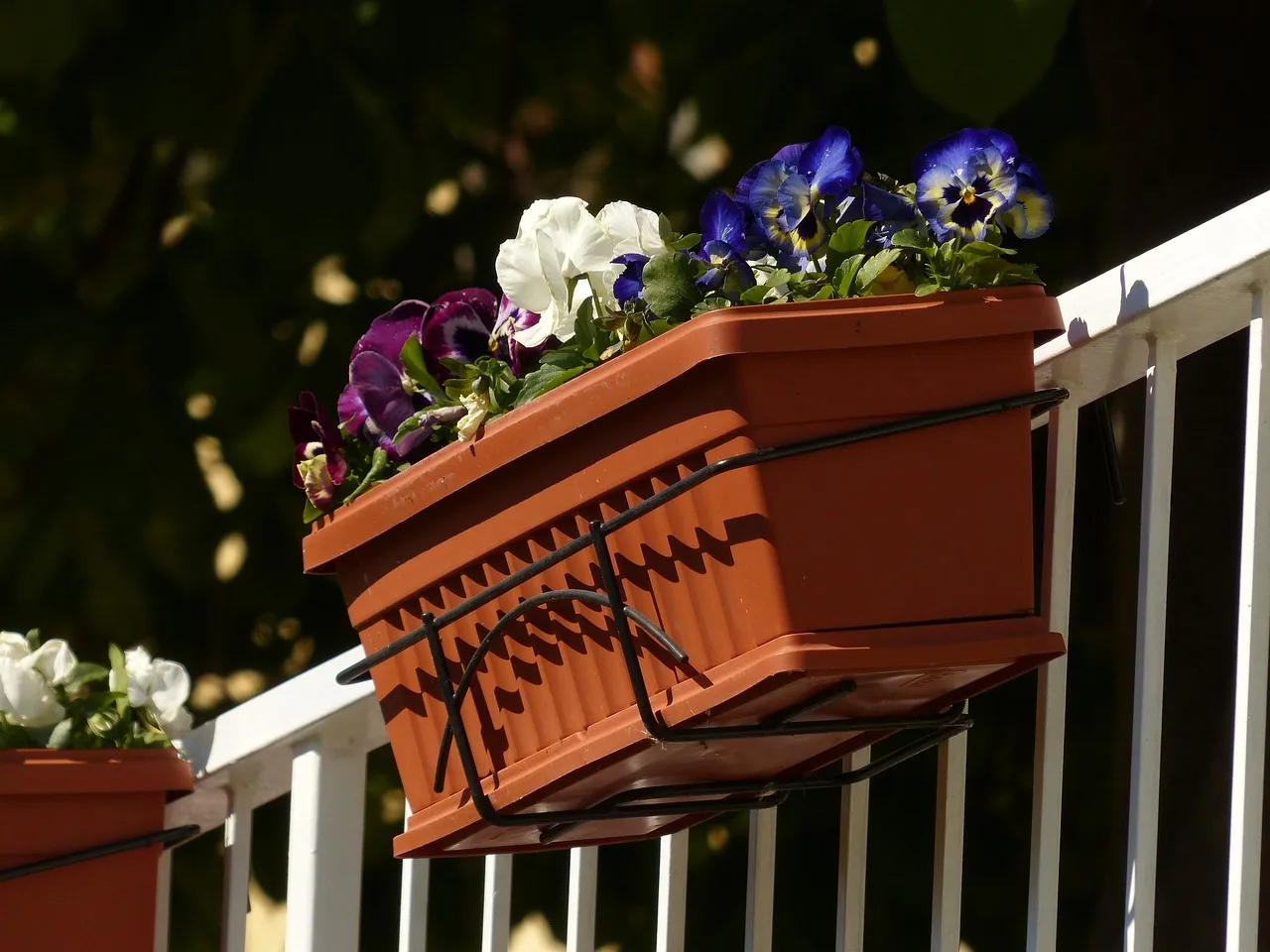
Balcony Decor Problems and Easy Fixes
Fix balcony decor problems by finding the cause first, then choosing space-saving, lease-safe fixes. If an item needs drilling, permanent fasteners, or blocks drainage, skip it. Wrong choices waste money, can violate a lease, and may make a small balcony feel tighter or unsafe. This guide links common balcony problems to the right renter-friendly fix for wind, privacy, storage, drainage, and awkward layouts.
What you’ll need


- Measuring tape
- Notebook or phone notes app
- Folding chair or stackable chair
- Compact bistro table
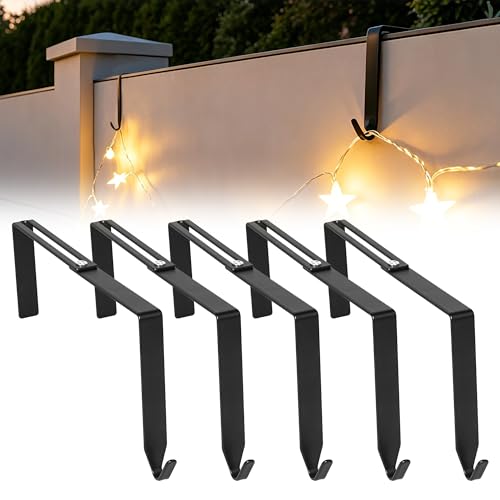
- No-drill hooks or rail ties
- Freestanding screen or privacy mesh
- Outdoor rug with drainage-friendly backing
- Interlocking deck tiles
- Self-watering planter or saucer with a raised base
- Solar string lights or battery lanterns
- UV-resistant outdoor cushions
Balcony problem matrix
| Problem | Best low-risk fix | Usual failure mode | Renter-friendly note |
|---|---|---|---|
| Wind | Privacy mesh or a freestanding screen | Panels sail, tip, or rattle | Use rail ties or weighted feet; check balcony bylaws first |
| Privacy | Bamboo screen, mesh, or outdoor curtains | Gaps, sagging, blocked airflow | Choose wind-permeable mesh if the balcony is exposed |
| Heat | Shade cloth, light-colored rug, sun-tolerant plants | Faded fabric, scorched leaves | Match plant labels to full sun or part shade |
| Lack of storage | Folding table, seat with hidden storage, wall-free bins | Clutter blocks doors and walking space | Pick pieces that fold flat and fit indoors |
| Bad flooring | Interlocking deck tiles or outdoor rug | Trapped water, slippery surface | Check drainage gaps and slip rating before buying |
| Low light | Solar string lights or battery lanterns | Dim output, wet-weather damage | Look for outdoor ratings and warm white light |
How do you fix a cramped balcony?
Start by clearing a walking lane from the door to the far edge, then set seating and plants into zones. The safest layout keeps door swing, drain access, and chair pull-out space open, so the balcony does not feel packed before decor even goes in.
-
Measure the clear path. Leave at least 30 inches of walking space if possible, or the widest path your balcony allows without blocking the door. Check where the door swings and where water drains before placing anything.
-
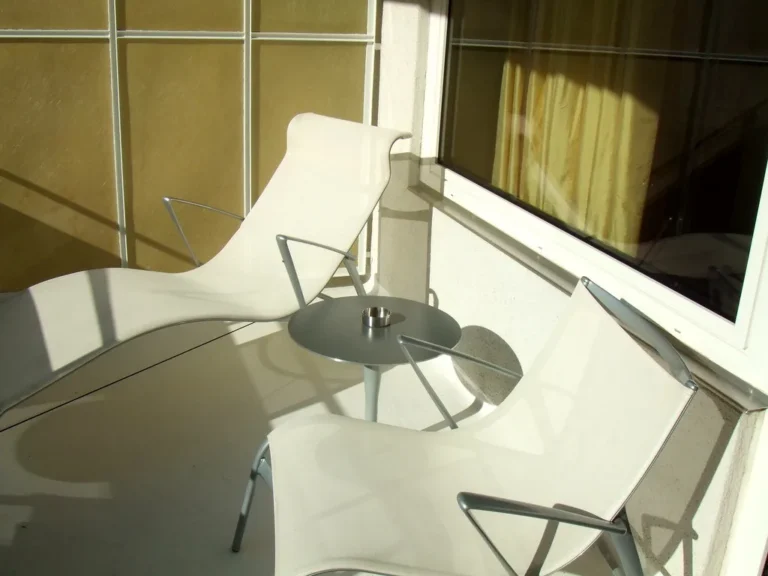
Choose foldable seating. Pick a folding chair or compact bistro chair with a footprint under 24 by 24 inches when open. A folding table around 24 inches round or 24 by 18 inches rectangular usually fits better than a full dining set.
-
Zone the balcony. Put one side to sitting and the other to plants or storage. Keep seat depth practical; many bistro chairs need about 16 to 18 inches of seated depth, and folded pieces should store flat indoors or against a wall.
Say your balcony is 5 feet by 8 feet and the door opens inward. A pair of folding chairs and one small table fit only if the door path stays clear; pushing plants into the traffic lane makes the space feel smaller than a single chair plus rail planters.
How do you handle sun, wind, and privacy?
Match the fix to the exposure first. Sun needs shade and heat-tolerant plants, wind needs permeable screens and anchored pieces, and privacy usually needs coverage that does not turn the balcony into a sail or break building rules.
-
Pick the right screen. Use privacy mesh or bamboo with gaps if the balcony is windy. Solid panels catch more wind and can shake loose; many balconies also restrict what can be tied to the rail, so check bylaws before hanging anything over the edge.
-
Mount without drilling. Use no-drill hooks, rail ties, or a freestanding screen with weighted feet. Removable adhesive options work only on smooth, approved surfaces and should stay away from rain exposure unless the package says they are outdoor-safe.
-
Select tougher plants. Put sun-tolerant plants in self-watering planters and keep wind-sensitive ones low and tucked behind the railing. Rail planters save floor space, but weight limits matter; a pot with wet soil can become much heavier than it looks.
Suppose a west-facing balcony gets strong afternoon sun and gusts. A dense curtain may look better for privacy, but a mesh screen plus two sun-tolerant planters is often the lower-risk fix because it blocks views without acting like a wind catcher.
How do you fix bad flooring and dim lighting?
Deal with the floor before adding rugs or furniture. Uneven concrete, poor drainage, or a slick surface can make the whole balcony feel unfinished, while lighting should stay weather-safe and warm enough to use at night without feeling harsh.
-
Check drainage first. Make sure any tile or rug system leaves water paths open. Interlocking deck tiles need a base that can shed water, and outdoor rugs should not cover the entire slab if runoff tends to collect at the door or rail.
-
Choose slip-safe coverings. Look for deck tiles and rugs with outdoor use noted on the label, plus traction on the underside. UV resistance matters on exposed balconies because direct sun can fade or crack low-grade materials fast.
-
Add low-glare light. Use solar string lights where sun reaches the panel, battery lanterns where outlets are unavailable, or plug-in fixtures only if the outlet is outdoor-rated. Warm white light around 2700K to 3000K is generally perceived as softer than cool white.
A common first-timer mistake is laying a rug wall-to-wall over a damp slab. Water gets trapped, the surface stays slick, and the rug may smell musty after one wet week; a smaller rug with visible edges is safer on most balconies.
How to decorate an apartment balcony for renters
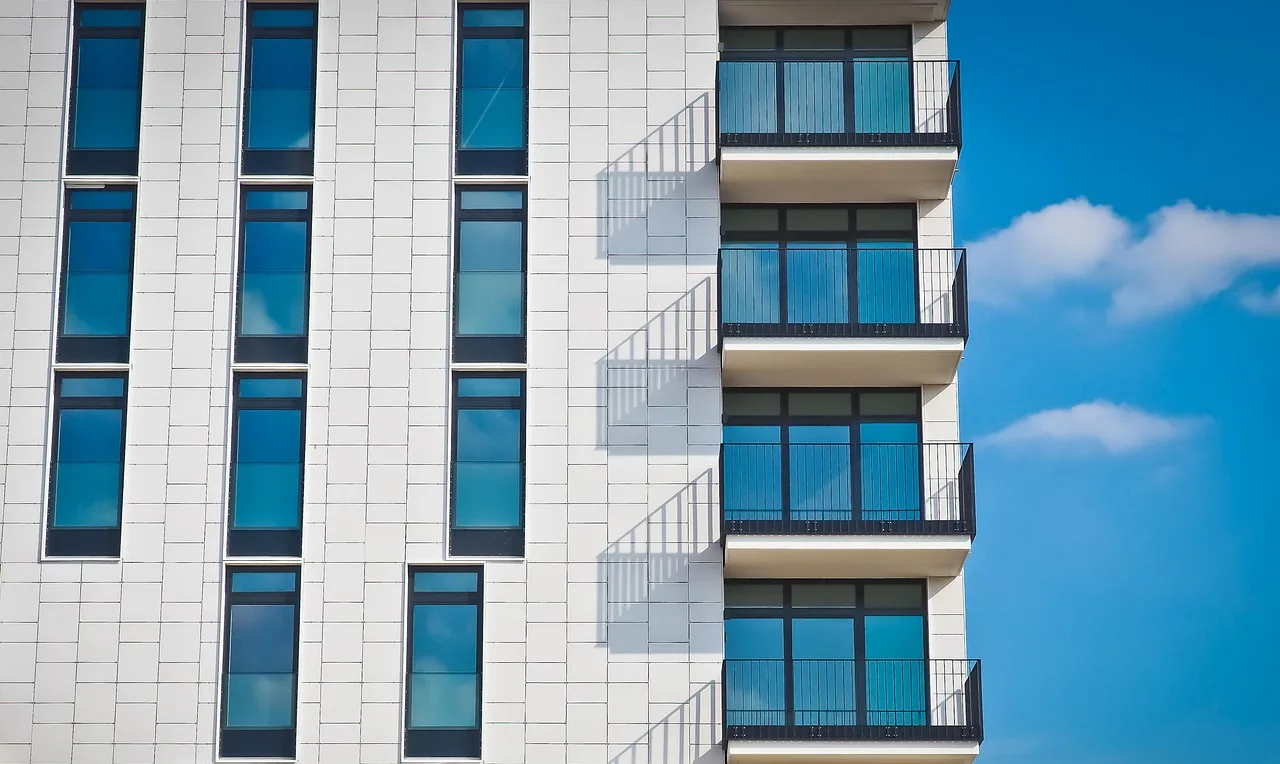
Choose pieces that come off cleanly and do not depend on permanent fasteners. Renters usually get the best result from freestanding furniture, removable hooks, rail ties, and decor that folds or stacks when the balcony needs to be cleared.
-
Read the lease and bylaws. Check rules for rail attachments, screens, planters, and lights before buying. Many buildings limit visible items, open flame, or anything that changes the exterior view line.
-
Use nonpermanent mounts. Pick no-drill hooks for lightweight items, rail ties for planters or lights, and freestanding screens for privacy. Avoid drilling into railings or slab edges unless written permission allows it.
-
Keep storage movable. Choose bins, stools, or tables that can be brought inside during storms. If an item is hard to move, it is usually too bulky for a small renter balcony.
Fix order for renters
Start with the floor, then place furniture, then add privacy, then lighting. That order cuts mistakes because each step depends on the clear space left by the one before it.
-
Place the floor layer. Install deck tiles or a rug only after checking drainage and door clearance. Leave access to drains and avoid thick edges that can catch at the threshold.
-
Set the furniture footprint. Fit the chair, table, and any storage unit before hanging decor. A compact layout is easier to keep legal and easier to clean after rain.
-
Add privacy last. Hang mesh, bamboo, or curtains only where they do not block airflow or violate rail rules. Then add lights at the top edge or around the perimeter for a cleaner finish.
Fix order for sun, wind, and privacy
Choose the lowest-risk fix that matches the failure mode. Windy balconies need permeable materials first, very sunny balconies need heat-tolerant plants and shade, and privacy should not come from a solid panel if the building gets strong gusts.
-
Test the exposure. Notice whether the problem is glare, heat, or airflow. A balcony that is bright but still breezy needs a different answer than one that feels sealed and hot.
-
Install the least exposed layer. Start with mesh, curtains, or a screen only where needed. If the screen moves in the wind, switch to a lighter weave or a lower-height panel before adding more weight.
-
Adjust planting depth. Move plants into self-watering containers or behind the railing if sun and wind dry them too quickly. Recheck whether the new weight still fits your balcony rules.
Common mistakes
- Blocking drainage. Thick rugs and full-surface tiles can trap water and create slip risk.
- Ignoring weight limits. Wet soil, large ceramic pots, and heavy furniture add up fast on a small slab.
- Using solid privacy panels in wind. They can act like sails and stress the railing.
- Skipping door clearance. A pretty chair is useless if it blocks the balcony door.
- Buying the wrong lights. Indoor string lights are not a substitute for outdoor-rated lighting.
- Choosing plants by looks alone. Sun and wind tolerance matter more than color or bloom size.
Frequently asked questions
How to decorate balcony without making it feel cramped
Use one compact seating zone and one plant zone, not a full set on every wall. Keep a clear path from the door, choose folding furniture, and limit the number of separate pieces to the few that earn their place. One rug or tile field is usually enough.
How to decorate a small balcony on a budget
Start with a folding chair, a small table, and a single outdoor rug or tile section. Add no-drill hooks, one lantern, and one or two pots instead of a full set of decor. The cheapest fix is usually better layout, not more items.
How to enclose a balcony for more privacy
Use a privacy mesh, bamboo screen, or outdoor curtain that fits the rail without drilling. For a windy balcony, choose a permeable fabric or slatted screen so air can pass through. Check building rules first, because some rail coverings are restricted.
What should I do if my balcony gets too much sun or wind?
Use shade cloth, sun-tolerant plants, and lighter privacy materials first. In strong wind, favor mesh over solid panels and keep planters low or anchored. Self-watering planters help with heat, but they still need a place that stays within weight limits.
How do I make a balcony look cozy at night?
Use warm white lights around 2700K to 3000K, then add one lantern or a short string of solar lights. Keep the light source weather-rated and placed where rain cannot pool around it. A small throw pillow or cushion finishes the look without crowding the floor.
Products related to this article
Sponsored / affiliate links. As an Amazon Associate I earn from qualifying purchases. I may earn additional commission from eligible campaigns.
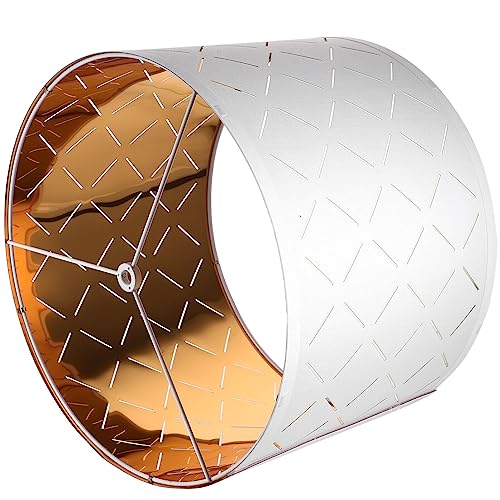 IMIKEYA Floor Lamp Shade, Cloth Lamp Shade Drum Lampshade, Lampshade for Table Light, Decorative for Table Chandelier Rustic Modern Style s Wall Lamp Cover Home Decor
 Large Picture Hanging Strips Heavy Duty, 32-Pairs(64 Strips) Sticky Picture Hangers for Walls No Damage Wall Picture Hangers Without Nails Refill Adhesive Poster Strips