How to Decorate a Small Balcony for Maximum Comfort
Decorate a small balcony by choosing one compact seat, keeping about a 24 to 30 inch clear path, and limiting decor to three functional zones: sitting, shade, and storage. Skip that balance and the space feels cramped, hard to use, and less restful. This guide covers seat size, circulation, shade, privacy, lighting, and storage choices that make a tiny balcony more comfortable without crowding it.
What does a small balcony need most?


Start with circulation, then the seat, then protection from sun and sightlines. A balcony feels usable when you can step out, pull out a chair, and move without turning sideways. Everything else should support that basic flow, not compete with it. If space is tight, fewer pieces usually mean more comfort.
What you’ll need
- Measuring tape
- Pencil and paper or notes app
- One compact chair or a foldable pair
- Outdoor cushions with washable covers
- Weatherproof furniture materials such as teak, aluminum, rattan, or synthetic wicker
- Privacy screen, outdoor curtain, or tall planter set
- Lighting option: string lights, solar lights, or battery candles
- One storage piece: shelf, cabinet, or storage bench
- Planters, hanging pots, or a trellis
- Shade option if the balcony gets hot sun
| Priority | Buy first | Why it comes first |
|---|---|---|
| First buy | Compact seating, clear walkway, weatherproof material | These decide whether the balcony can be used without crowding it. |
| Second buy | Cushions, privacy, shade | These improve comfort after the main layout works. |
| Optional upgrades | Lighting, plants, hidden storage, decorative extras | These add atmosphere once the basics are already handled. |
- Measure the usable floor. Measure width, depth, and door swing before buying anything. Leave a clear 24 to 30 inch path from the doorway to the edge so a chair or table does not block movement.
- Pick one main use. Decide whether the balcony is for sitting, dining, or planting. A narrow balcony usually works best as a sitting zone first, with a small side table only if the layout still allows an easy path.
- Place the seat first. Choose a compact or foldable chair with enough back support for relaxed use. In tight layouts, a chair with a smaller footprint often works better than a deep lounge chair that cuts into circulation.
- Add comfort in layers. Put in cushions after the seat fits the space. This order keeps you from buying soft goods that cannot fix a bulky layout. Use outdoor seat pads first, then add a small throw pillow only if the chair still leaves room to sit and move.
- Assign one storage spot. Add one vertical shelf, cabinet, or hidden storage seat to reduce clutter. Keep loose items off the floor so the balcony reads as open, not crowded.
- Adjust by 2 inches. If the path feels tight, reduce furniture width or shift the seat by about 2 inches and recheck the walkway. Small changes matter more than adding another object.
Small-balcony comfort checklist
| Decision | Good fit for a small balcony | Skip when… |
|---|---|---|
| Seating | Foldable chair, compact lounge chair, or two slim chairs | The chair blocks the door or forces side-stepping. |
| Cushions | Washable, fade-resistant covers; seat pads that fit the chair | The cushion makes the seat deeper than the space allows. |
| Privacy | Bamboo screen, outdoor curtain, or tall plants | The solution blocks airflow or steals floor space needed for sitting. |
| Shade | Umbrella, retractable awning, or pergola with climbers | Sun exposure is mild and the balcony already has cover. |
| Lighting | String lights, solar lights, or battery candles | Cords would create clutter or a trip hazard. |
| Storage | Vertical shelf, weatherproof cabinet, or storage bench | Tools and cushions can already live elsewhere. |
How do you arrange a small balcony?
Arrange the balcony around a single clear circulation path and one focal seat. Put the largest piece against a wall or railing edge, then build outward only if the remaining floor still feels easy to cross. The best small layouts leave room to open the door fully and pull out a chair without collision. To arrange furniture on a small balcony, start with the door swing, then fit the seat, then decide whether there is still space for a table.
1-chair, 2-chair, and no-table layouts
A one-chair balcony works best when the chair is the main event and everything else is pared back. A two-chair setup needs slimmer seats and usually no full dining table. A no-table layout suits balconies that double as reading or plant space, because it keeps the middle open.
- Use one chair. Place a single compact seat beside a slim side table or ledge. This is often the easiest choice for balconies that feel narrow from the door to the railing.
- Use two slim chairs. Choose foldable or armless chairs with compact footprints. Pair them with a nesting table or none at all if the walkway would shrink below comfortable use.
- Skip a table when tight. If a table forces you to turn sideways, replace it with a wall shelf, tray table, or railing perch. That keeps the center open.
Suppose a balcony is about 4 feet deep and the door swings outward into the space. A full lounge chair and coffee table will make the opening feel blocked; one compact chair with a wall-mounted shelf keeps the path usable and leaves room for a small plant.
What furniture fits a small balcony?
The best furniture is compact, weatherproof, and easy to move. Foldable chairs, slim benches, and small tables fit tight layouts better than deep lounge pieces. Aim for back support and a seat depth that does not force your knees into the railing or block the doorway.
Compact seating choices
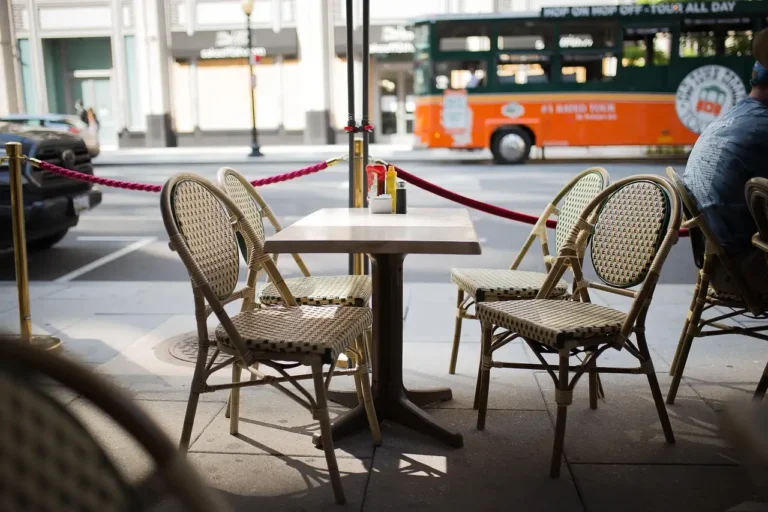
Choose furniture with a small footprint and durable outdoor materials. Weatherproof teak, aluminum, rattan, or synthetic wicker are common outdoor options, and they hold up better than indoor furniture left exposed to sun and moisture. If the balcony sees rain, avoid materials that absorb water and swell.
- Choose foldable frames. Foldable chairs help when the balcony must stay clear for multiple uses. They also make cleaning easier because you can move them quickly.
- Choose upright support. A seat with a firmer back and a slightly angled backrest is better for reading or tea than an oversized lounge chair that eats floor space.
- Match scale to width. Narrow balconies often work better with armless chairs or small benches than with wide club chairs.
Cushions and cushion pads
Should you use outdoor cushions on a balcony? Yes, if the seat already fits and the fabric can handle exposure. IKEA lists outdoor cushion covers in 50×50 cm and 40×58 cm sizes, and cushion pads in an in/outdoor 50×50 cm format; it also lists a larger 65×65 cm outdoor cushion pad option. Covers that can be removed and washed are easier to keep clean.
For upright seating, look for enough seat-pad thickness to soften the frame without making the chair feel too deep. A firmer pad usually works better on a narrow balcony because it supports posture instead of turning the chair into a soft sink. Some cushion pads have a minimum order quantity of 2, so check the listing before you plan a pair.
- Choose washable covers. Outdoor covers should be removable so pollen, dust, and spills do not stay trapped in the fabric.
- Choose fade-resistant fabric. Sun exposure can bleach cheaper materials faster, especially on balconies with strong afternoon light.
- Match shape to seat. Square pads suit boxier chairs; lumbar pads help chairs that need more back support than seat depth.
How do you add privacy and shade?
Privacy and shade solve different problems. Privacy blocks sightlines from neighbors or nearby windows. Shade reduces direct sun and heat. A balcony can need one, both, or neither, so choose the fix that matches the actual discomfort instead of covering the space with the wrong product.
Privacy screens and curtains
Bamboo screens, outdoor curtains, and tall plants are renter-friendly ways to soften exposure. A screen works best when you need a fixed barrier, while curtains help if you want to open and close the side during the day. Tall planters can block views without hardening the balcony into a boxed-in corner.
- Use bamboo for structure. Bamboo screens are useful where you want a simple visual block and a natural look.
- Use curtains for flexibility. Outdoor curtains are useful when privacy needs change by time of day.
- Use tall plants for softness. Dense greenery can block some sightlines and still leave the balcony feeling open.
A common first-timer mistake is buying a privacy screen for a sun problem. If the issue is harsh light and heat, a screen may still leave the seat too hot; a shade structure will work better.
Umbrellas, awnings, and climbers
For hot balconies, shade often matters more than decoration. A retractable awning gives controlled cover, an umbrella offers a movable fix, and a pergola with climbers can help where there is enough structure and light for plants to grow. Each one changes the temperature and glare at the sitting zone.
- Use an umbrella. This suits balconies that need flexible shade and have enough base space.
- Use a retractable awning. This is better when you want sun protection without giving up floor area.
- Use climbers carefully. Pergola plants should match sun and climate so they do not fail under the local conditions.
How do you finish the space with lighting, plants, and storage?

Finish the balcony after the main layout works. Lighting helps with evening use, plants soften hard edges, and storage keeps tools and cushions from taking over the floor. These are comfort upgrades, but they should support the seating plan instead of replacing it.
Lighting for evening use
IKEA’s outdoor page includes a category for outdoor lighting, and balcony inspiration often pairs that with low-glare options. String lights are useful for ambient light, solar lights avoid cords, and battery candles can add a soft glow without needing an outlet. Corded fixtures work only when the cable can be routed safely and neatly.
- Choose string lights. Use them where you want steady ambient light along a railing or wall.
- Choose solar lights. These reduce cord clutter on balconies with direct sun exposure.
- Choose battery candles. These suit very small spaces where a plug or cord would get in the way.
Vertical greenery
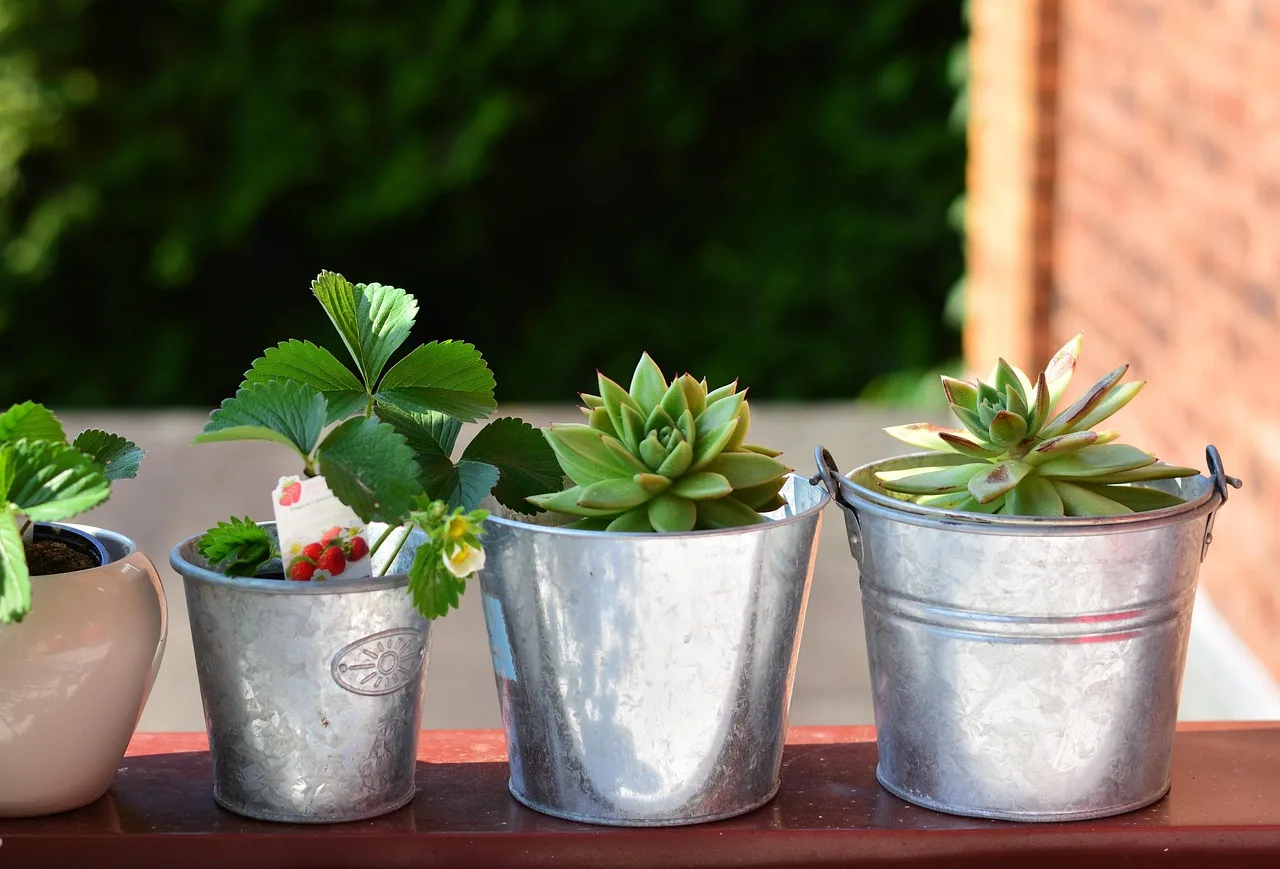
Potted plants, hanging pots, wall-mounted planters, and trellises add softness without using much floor area. Match the plant type to sun, shade, wind, and seasonal temperature, because the wrong plant can fail quickly on a balcony that is hot, exposed, or shady for most of the day.
If the floor is already crowded, go vertical before adding more pots. Hanging and wall-mounted pieces keep circulation open.
Storage that reduces clutter
IKEA’s outdoor page also includes a tip focused on balcony storage solutions, which is the right order for small spaces. Shelves, cabinets, and hidden storage seating keep tools, watering cans, and cushion covers off the floor. Weatherproof construction matters here because storage pieces can trap moisture if they are not made for outdoors.
- Use vertical storage. Shelves take advantage of wall height and preserve walking space.
- Use hidden storage seating. A bench with storage can hold cushion covers or small tools.
- Use closed cabinets. They reduce visual clutter when the balcony is visible from inside the apartment.
Budget decorating works best when you buy in layers and swap expensive pieces for simpler versions that still fit the space. Spend first on the seat and walkway, then choose low-cost lighting, storage, and soft goods. A few smart substitutions can make the balcony feel finished without crowding it.
First-buy and skip list
- Buy first: compact seating, washable cushion covers, and a clear walkway.
- Buy next: one privacy or shade fix, depending on the problem.
- Buy later: lighting, plants, and decorative extras.
- Skip: oversized rugs, large dining sets, and extra planters that narrow the path.
- Skip: decor that looks good but does not improve comfort or use.
Common mistakes
Oversized chairs, bulky rugs, and too many decor items are the fastest way to make a small balcony feel smaller. A thick rug can bunch under furniture, while extra planters can narrow the path enough that the seat becomes awkward to reach. Keep only the pieces that improve comfort or use.
- Buying cushions before confirming chair size.
- Using a dining set where a single-seat setup would fit better.
- Mixing privacy and shade into one fix when the problem is really one or the other.
- Leaving storage on the floor instead of using vertical or hidden options.
- Adding lights and plants before solving circulation.
Picture a balcony with two oversized lounge chairs, a rug, and four planters. The floor still looks decorated, but the usable space disappears. Replacing one chair with a foldable seat and moving storage upward usually restores the balance.
Frequently asked questions
How do I make a small balcony feel comfortable?
Keep the walking path clear, choose a seat with back support, and add shade if sun exposure is strong. Then use washable cushions, low-glare lighting, and one privacy solution that fits the issue. Comfort comes from removing friction, not from filling every corner.
What are the best space-saving ideas for a tiny balcony?
Use vertical storage, wall planters, foldable furniture, and one compact seating zone. A railing shelf or slim cabinet keeps the floor open. If the balcony is very narrow, skip a full table and use a side shelf instead so movement stays easy.
Should I use outdoor cushions on a balcony?
Yes, if the seat needs extra support and the cover can handle sun and moisture. The same source lists outdoor cushion covers in 50×50 cm and 40×58 cm sizes, with in/outdoor 50×50 cm cushion pads and a larger 65×65 cm option. Washable, fade-resistant covers are the safer buy.
How do I choose weatherproof balcony furniture?
Look for materials made for outdoor exposure, such as teak, aluminum, rattan, or synthetic wicker. Check whether hardware, cushions, and finishes can tolerate moisture and sun. If the piece is heavy enough that you will never move it, make sure the footprint still leaves a clear path.
How do I add privacy to a small balcony?
Use bamboo screens, outdoor curtains, or tall plants when the issue is sightlines from nearby windows or neighbors. Choose the option that blocks views without closing off airflow or taking over the floor. If the goal is softness rather than a full barrier, plants often work best.
What lighting works best on a small balcony?
String lights, solar lights, and battery candles are the easiest choices for small spaces. Use them for ambient light instead of harsh overhead brightness, and avoid cords where they would clutter the floor. The best lighting supports evening use without making the balcony feel busier.
How do I store things on a small balcony?
Use one vertical shelf, a closed cabinet, or a storage bench so tools and cushions stay off the floor. Storage should reduce clutter, not add another bulky object to the walking path. Closed pieces also help keep the balcony looking calmer from inside the apartment.
What furniture is weatherproof for outdoor use?
Teak, aluminum, rattan, and synthetic wicker are common weather-resistant choices for outdoor furniture. They tend to handle moisture and sun better than indoor materials. For cushions and soft goods, choose covers that can be removed and washed, then store them when weather changes.
Products related to this article
Sponsored / affiliate links. As an Amazon Associate I earn from qualifying purchases. I may earn additional commission from eligible campaigns.