How to Make a Balcony Look Cozy
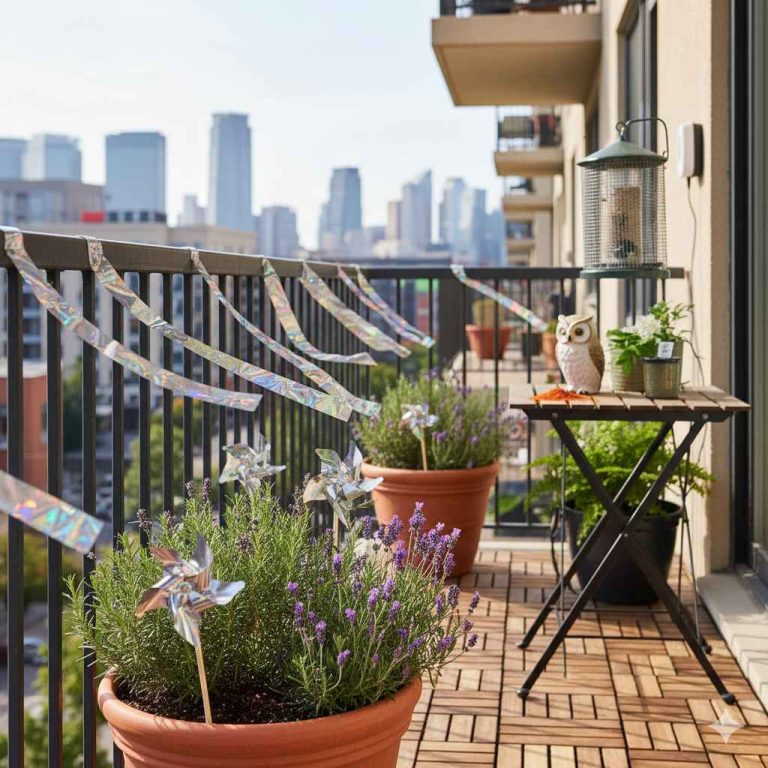
Start with three renter-safe layers: a washable outdoor rug, soft seating, and warm lighting. On a tiny balcony, choose at least two soft textures before adding decor. Skip that order and the space feels exposed, cold, and unfinished. This guide shows how to make a balcony look cozy with privacy, warmth, and soft furnishings that do not require permanent changes.
Best first 3 buys by balcony type: Tiny balcony: flatweave rug, folding chair, clip-on or battery light. Narrow balcony: slim bistro chair, slip-resistant floor layer, privacy screen. Medium balcony: weatherproof rug, compact two-person seating, planter line. Buy those first, then add cushions and extras only if the layout still leaves a clear walkway.
What to know before you start


Warmth comes from sequence, not crowding. Start with the floor, then seating, then softness, light, privacy, and plants, because each layer changes how exposed, bright, and usable the balcony feels.
Measure the usable floor area, the door swing, and the railing height before buying anything. On a balcony, a chair that fits on paper can still block the door or trap movement near the threshold.
Check balcony rules, load limits, and mounting limits before attaching anything to a rail or wall. Renter-safe choices matter here because wind, rain, drainage, and UV exposure change what stays comfortable and what fails fast. For rail mounting and load concerns, follow property rules and building-code guidance, and avoid loading or fastening anything in a way the railing was not designed to handle. For outdoor wiring and fixtures, use products labeled for wet or damp locations and follow manufacturer installation instructions and electrical safety guidance. NFPA electrical safety OSHA walking-working surfaces
What you’ll need
- Outdoor rug, outdoor mat, or interlocking deck tiles sized to the usable footprint
- Folding chair, bistro chair, or compact loveseat with weather-resistant frame
- Outdoor throw pillows and cushions with quick-dry fill and removable covers
- Storage bin or bench for textiles when rain or wind moves in
- Outdoor-rated string lights, lanterns, or a plug-in fixture with renter-safe mounting
- Privacy screen, curtain panel, or planter line sized to the railing and sightlines
- Planters with drainage holes, saucers, and plants matched to sun and wind exposure
- Measuring tape, zip ties, adhesive hooks rated for outdoors, and non-slip rug pad if needed
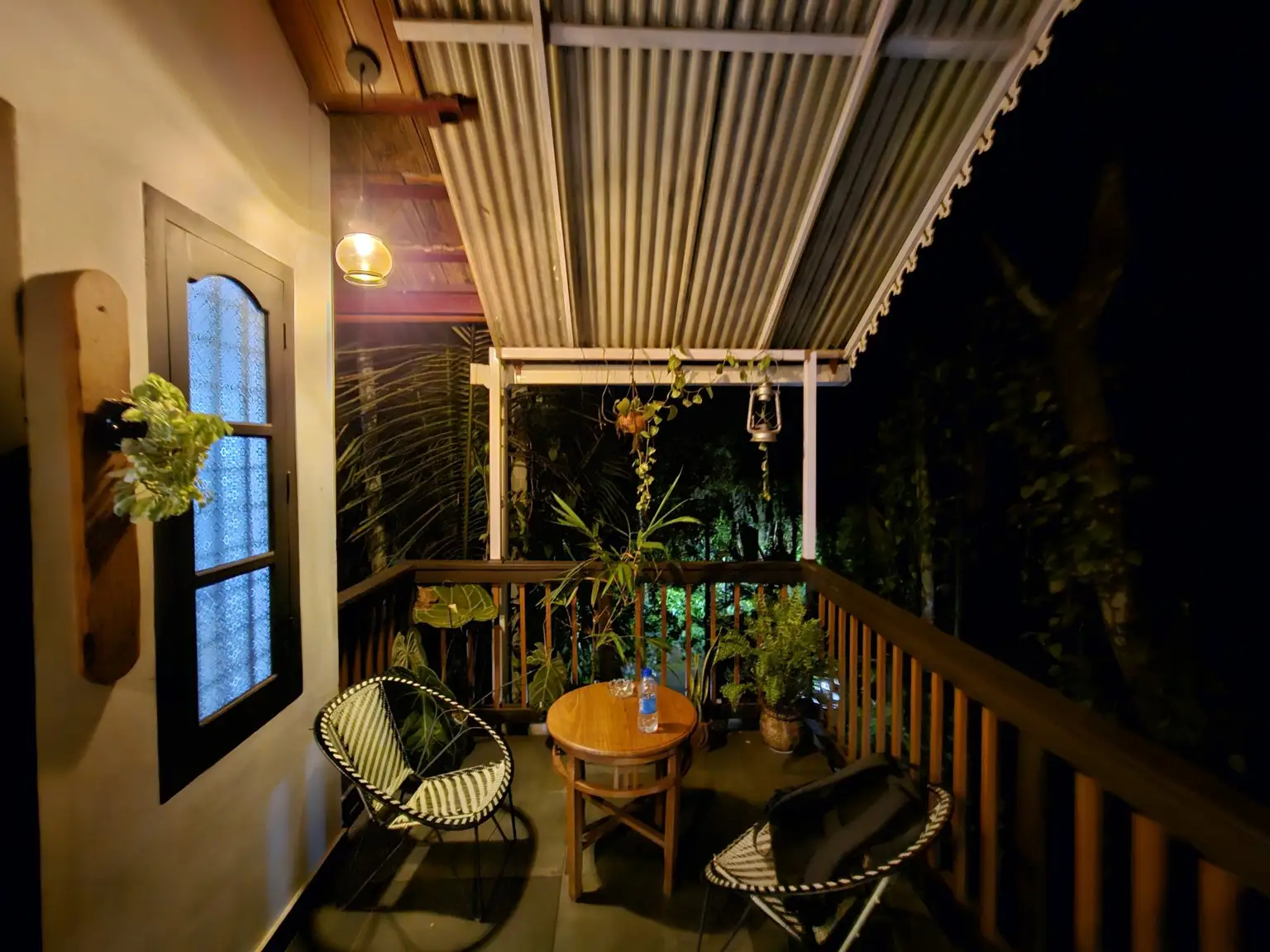
A balcony looks nicer when the main surfaces read as one calm space. Use a limited palette of warm neutrals, sand, taupe, olive, rust, or clay, repeat only a few basic patterns, and keep the floor visually quiet so the area feels finished instead of busy.
Start with one clean floor layer, one compact seating choice, and one soft accent before you add plants or decor. That order keeps the balcony readable from the doorway and prevents the space from feeling packed with separate objects.
Step 1: Put down a floor layer
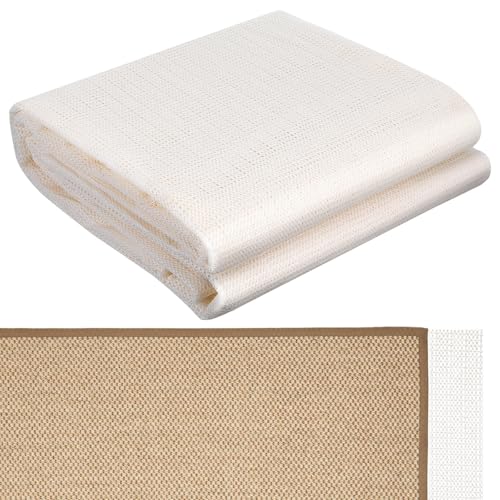
Choose a weatherproof rug, mat, or deck tile set that fits the usable footprint and leaves the door clear. Outdoor rugs should be low-pile or flatweave for easier cleaning, with non-slip backing or a rug pad, plus UV and moisture resistance. Textile durability matters outdoors, so look for UV-stable, solution-dyed, or otherwise weather-resistant construction rather than indoor fabric. solution-dyed fabric overview outdoor rug pad guidance
- Measure the open floor area, then choose a rug or tile layout that covers the main standing zone without blocking the door swing.
- Use slip resistance and drainage compatibility as the deciding factors on concrete balconies, because water trapped under a thick layer can stay damp.
- Select interlocking deck tiles or a mat if you want to protect concrete and keep installation renter-friendly.
Step 2: Add compact seating
Use folding, stackable, or slim-frame seating so the balcony stays usable after the chair is placed. A compact two-person layout works best when the seat depth and width match the available width, and when the frame is weather-resistant.
- Choose one bistro chair, two folding chairs, or a narrow two-seat setup, then leave a clear walkway to the door.
- Pick seat dimensions that allow comfortable sitting without pushing the chair into the railing or wall.
- If the balcony is narrow, keep furniture on one long side and use a small table or tray instead of a full dining set.
Step 3: Add softness that can handle weather
Use outdoor throw pillows, cushions, or a single throw with weather-resistant fabric and quick-dry fill. Removable washable covers help with dust and pollen, and a storage plan matters when rain, wind, or direct sun would leave textiles wet. For fabrics, look for UV and mildew resistance, and prefer products with manufacturer care and exposure guidance rather than indoor textiles marketed as “all weather.” Sunbrella care and cleaning solution-dyed acrylic basics
- Add about one seat cushion or two pillows before adding extra decor, so the space feels softer without turning cluttered.
- Store textiles in a bin, basket, or bench with a lid when rain is expected.
- Choose covers made for outdoor use so they dry faster and resist fading.
Small balconies feel cozier when each item earns its place. Keep the layout tight, use one or two soft textures, and leave enough open floor for movement and cleaning so the space feels inviting instead of cramped.
On a small balcony, the easiest way to add comfort is to shrink the furniture footprint first and add height second. A narrow chair, a single rug, and one compact light source usually do more than multiple decorative extras because they preserve usable floor and sightlines.
Step 4: Add warm light
Choose string lights or lanterns with a warm color temperature, and use battery, solar, or plug-in power with outdoor-rated fixtures. A mounting method that avoids drilling is usually the safest renter choice, especially where building rules limit permanent attachment. Use fixtures and cords rated for exterior wet or damp locations, and follow the product’s ingress and installation rating instead of guessing from appearance alone. UL on IP ratings U.S. Department of Energy lighting guidance
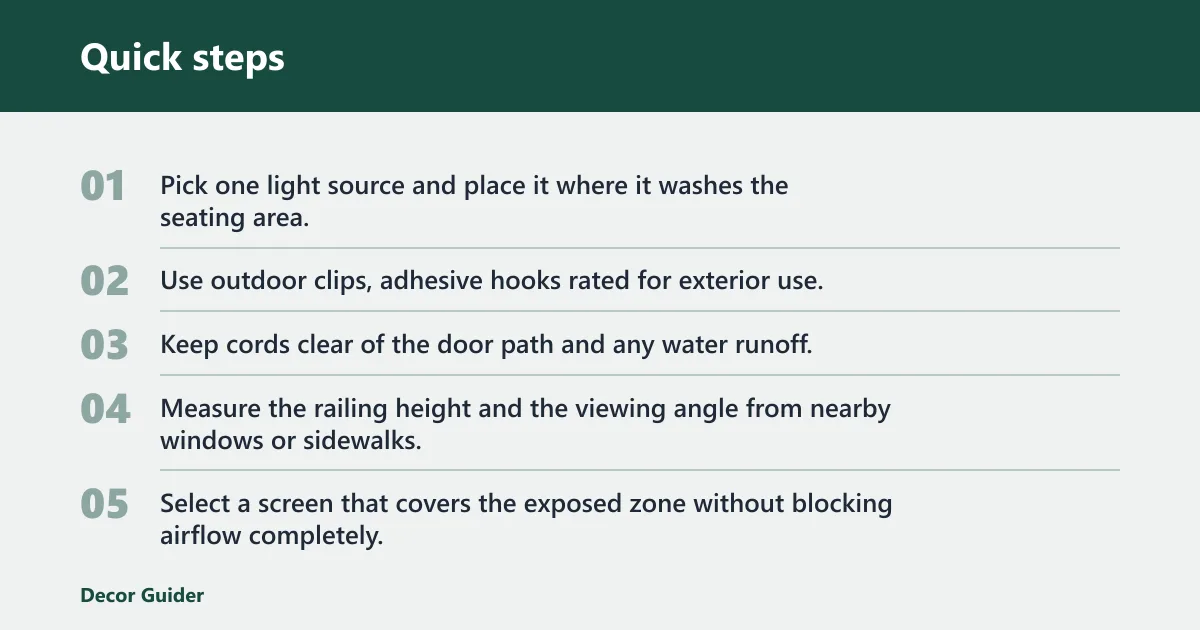
- Pick one light source and place it where it washes the seating area, not the neighbor’s view.
- Use outdoor clips, adhesive hooks rated for exterior use, or rail-mounted hardware if the lease allows it.
- Keep cords clear of the door path and any water runoff.
Step 5: Add privacy that can take wind
Privacy screens work best when the height matches the railing and the sightlines you want to block. Choose slats, panels, or curtains that can resist wind, attach them in a renter-friendly way, and check local building rules before installing anything visible from outside. A privacy layer should cover the seated eye line while still letting air move through, so the balcony feels sheltered rather than boxed in.
- Measure the railing height and the viewing angle from nearby windows or sidewalks.
- Select a screen that covers the exposed zone without blocking airflow completely.
- Fasten it with ties, clips, or a freestanding frame instead of drilling whenever possible.
Say your balcony gets strong afternoon sun and overlooks a busy street. One narrow chair, a low-profile screen, and a single warm light can make the space feel enclosed enough for evening use without blocking the walkway or railing.
How to make a patio look nice on a budget
A budget-friendly balcony or patio looks better when you buy the highest-impact pieces first: floor layer, seating, light, then privacy. Keep the palette limited, and skip extra decor until the space already feels comfortable at night and during the day.
Suppose your concrete balcony gets strong afternoon sun. A flatweave rug, one folding chair with a cushion, and a planter with drought-tolerant foliage will usually do more for comfort than several small decorative items that fade, tip, or dry out unevenly.
Step 6: Add plants with drainage and weight in mind
Choose rail planters or floor planters based on sun exposure, wind, and weight limits. Use drainage holes and saucers, and pick drought-tolerant varieties for hot balconies so soil does not stay soaked and heavy. Wet soil adds meaningful weight, and a saturated planter can be much heavier than the dry container alone; that matters for rail attachments and small balconies where every load point counts. University of Minnesota Extension on container drainage balcony rail planter safety basics
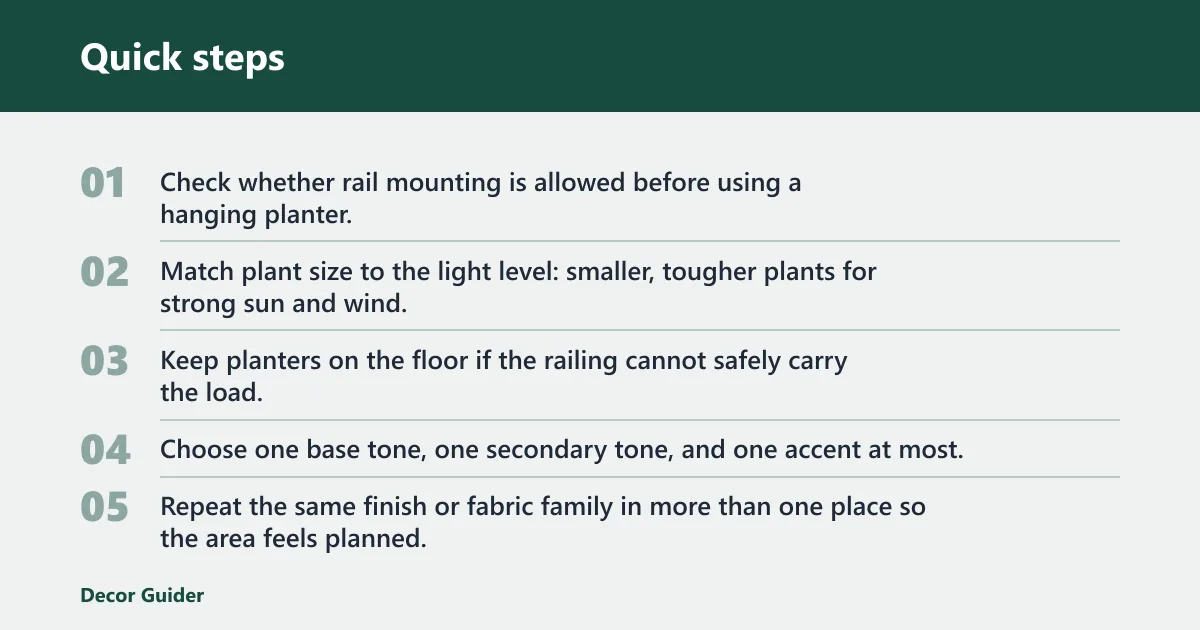
- Check whether rail mounting is allowed before using a hanging planter.
- Match plant size to the light level: smaller, tougher plants for strong sun and wind; fuller foliage for more sheltered spots.
- Keep planters on the floor if the railing cannot safely carry the load.
Step 7: Lock in a limited color palette
Use warm neutrals or earth tones across textiles, furniture, and planters so the whole balcony reads as one space. A small accent color can help define a tiny balcony, but too many colors make the area feel busy fast.
- Choose one base tone, one secondary tone, and one accent at most.
- Repeat the same finish or fabric family in more than one place so the area feels planned.
- Keep large items neutral, then use the accent color in pillows or one planter only.
Balcony cozy checklist
This checklist puts the first five upgrades in order of impact. Start with the layer that changes comfort fastest, then move to seating, softness, light, and privacy or plants, depending on the balcony size and exposure.
| Space size | First five upgrades to buy or install | Ideal size or spec | Most common failure to avoid |
|---|---|---|---|
| Tiny balcony | Outdoor rug, folding chair, cushion, clip-on or battery light, rail planter | Flatweave rug sized to the usable footprint; one folding chair with compact seat width; one pillow; outdoor-rated light; small planter with drainage holes. Aim for a rug that covers the sitting zone without reaching the threshold, and use planters that are light enough to move easily when you clean or rearrange. | Buying pieces that block the door or crowd the floor |
| Narrow balcony | Deck tiles or mat, slim bistro chair, washable seat pad, string lights, privacy screen | Slip-resistant floor layer with drainage compatibility; slim-frame chair; screen aligned to railing height; mounting that avoids drilling. Choose a chair with a narrow footprint and shallow depth so the walkway stays open, and use a screen height that shields the seated view line rather than towering far above the railing. | Choosing furniture that narrows the walkway too much |
| Medium balcony | Weatherproof rug, compact two-person seating, two cushions, lantern or string lights, planter line | Rug matched to the main seating zone; weather-resistant frame; quick-dry fill; warm light; planters sized for sun exposure and wind. Pick a rug large enough to anchor both seats, and use planters with enough soil volume to stay upright without overloading the railing or crowding the edge. | Filling every edge and leaving no open movement space |
Common mistakes
The biggest failures come from indoor habits that do not fit outdoor conditions. Wet cushions, glare, wind chill, drainage problems, and UV exposure can make a balcony feel uncomfortable even when the decor looks good at first. Drainage and slip resistance matter because standing water on hard surfaces increases the chance of slips and keeps soft goods damp longer. CDC/NIOSH falls prevention OSHA fall protection
- Buying indoor fabrics. They can stay wet longer and fade faster than outdoor-rated options.
- Choosing heavy planters or screens for rails. That can exceed weight limits or stress the attachment point.
- Blocking airflow or access. Furniture that traps wind, light, or the door path feels awkward to use.
- Ignoring drainage on concrete. Standing water makes floors slippery and can keep rugs damp underneath.
- Using too many patterns or colors. A limited palette reads calmer and helps a small balcony feel organized.
Picture a medium balcony with a concrete floor, one chair, and a rug that sits flat. If the rug has no drainage-friendly backing, rain can pool underneath and create a damp smell, so the space feels less cozy even though the furniture is correct.
Products related to this article
Sponsored / affiliate links. As an Amazon Associate I earn from qualifying purchases. I may earn additional commission from eligible campaigns.