Best Balcony Flooring for Renters (2026): we compared
In many renter-friendly setups, interlocking deck tiles are often the top choice, with outdoor rugs also a common option; choose one that goes down without glue, drilling, or trapped moisture, and keep it fully removable. Bad picks can leave stains, warped surfaces, mold, or security-deposit deductions when you move out. This guide ranks options by safety, reversibility, and failure risk so you can pick the right floor for a small balcony.
Quick comparison
| Product | Badge | Best for | Price | ||
|---|---|---|---|---|---|
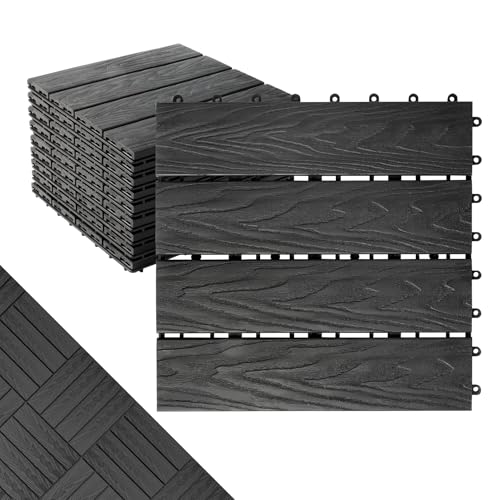 |
ShunHong Polymer Interlocking Composite Deck TilesShunHong | Our pick | 10 pcs · Black · Interlocking composite | $59.99
Price as of 29 Sep 2026
|
View |
 |
Mohawk Home 24" x 24" Indoor/Outdoor 0.25" Pile Height,Mohawk Home | Budget pick | 24×24 in · 15 tiles · Peel and stick | $119.97
Price as of 29 Sep 2026
|
View |
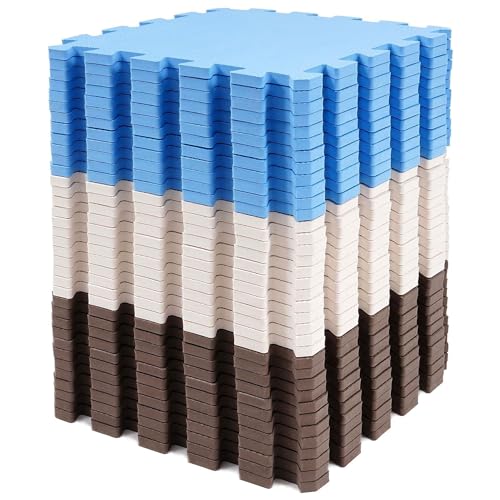 |
BalanceFrom 16-Pack 12×12 Inches EVA Interlocking Foam PlayBalanceFrom | Also great | 16 tiles · 12×12 in · EVA foam | $20.99
Price as of 29 Sep 2026
|
View |
This quick comparison is about failure risk, not style. A balcony that sees rain, strong sun, or upper-floor wind needs a different answer than a covered, shaded slab.
How we chose

Reversibility came first. If a floor can leave adhesive residue, scuff concrete, or trap water, it lost points fast.
Moisture behavior came next, because balcony floors fail when water has nowhere to go. Slip risk and heat buildup mattered after that, especially for sunny or exposed balconies.
Balcony condition also changed the ranking. Cracked concrete, uneven tile, and old slab edges limit what you can safely place on top.
We excluded options that create avoidable move-out risk for most renters, even if they look good in photos.
| Option | Removability | Moisture risk | Slip risk | Heat buildup | Landlord friendliness | Cost per sq ft |
|---|---|---|---|---|---|---|
| Interlocking deck tiles | High | Low to moderate | Low to moderate | Moderate | High | Moderate |
| Outdoor rugs | High | Moderate to high | Moderate | Low to moderate | High | Low |
| Peel-and-stick vinyl tile | Low to moderate | High | Moderate | Low | Low | Moderate |
| Artificial turf tiles | High | Moderate | Low to moderate | High | High | Moderate to high |
| Porcelain or ceramic tile | Low | Low | Depends on finish | Low to moderate | Low | High |
Quick selector by balcony type
- Shaded balcony with some rain exposure: interlocking deck tiles or a low-pile outdoor rug, with the deck tiles ahead if pooling water is a concern.
- Sunny south-facing balcony: interlocking deck tiles in a cooler material or artificial turf only if you can handle more heat at foot level; avoid peel-and-stick vinyl.
- Windy upper-floor balcony: interlocking deck tiles are the safest pick because they are heavier and less likely to lift than a rug.
- Very small balcony: interlocking deck tiles if you want a finished floor; outdoor rug if you need the cheapest temporary cover.
What the scores mean on bad surfaces
Cracked concrete usually rules out peel-and-stick products first, because adhesive shows every flaw and can leave residue when removed. Uneven tile is harder for rugs and turf edges, while interlocking tiles handle small irregularities better if the base is stable. Exposed slabs with obvious drainage issues need a raised surface or a removable cover that lets air move underneath.
Interlocking deck tiles: best for most renters
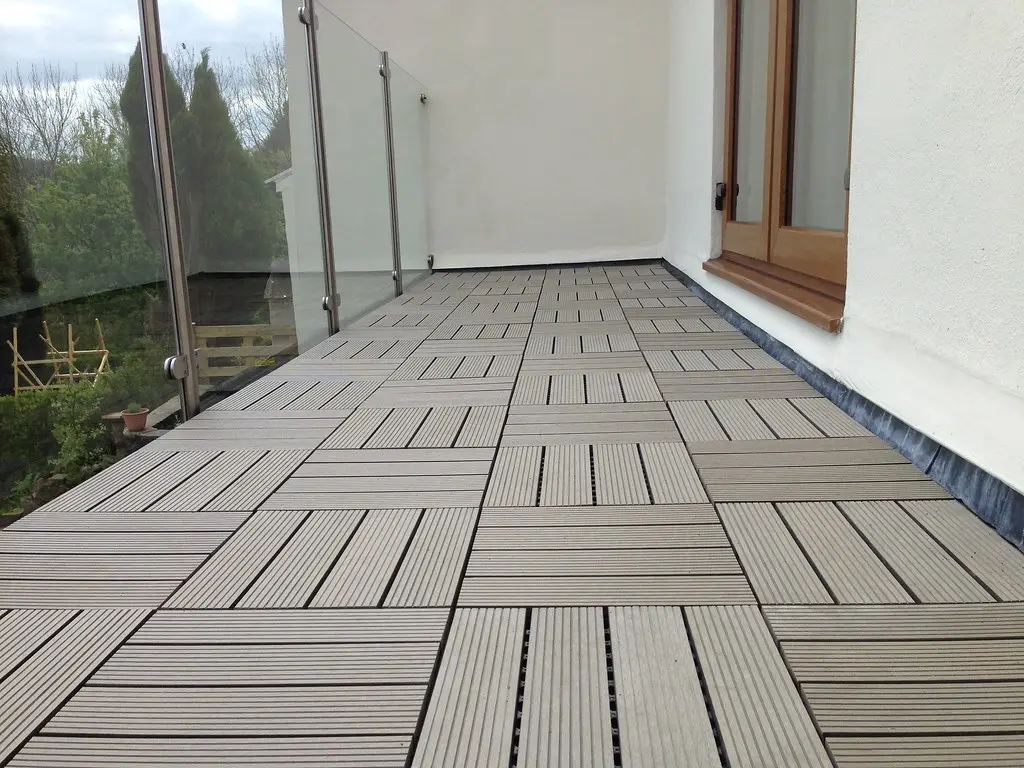
Interlocking deck tiles are the safest all-around choice for most renters because they go down without tools, come up in sections at move-out, and handle daily foot traffic better than soft coverings. The snap-fit or click-lock edges also make trimming and edge planning more predictable on a small balcony.
ShunHong’s polymer composite version is a practical fit when low maintenance matters. Composite, wood, and plastic versions all use drainage gaps underneath, but they differ in heat, weight, and upkeep; plastic stays lighter, wood can look warmer but needs more care, and composite usually lands in the middle.
The drawback is fit. If the balcony slopes sharply, has broken concrete, or has a drain sitting right where the tiles need to go, you need to plan around that instead of forcing a full-cover installation. Loose edge pieces and poor anchoring can also shift in wind on exposed floors.
Why snap-fit tiles are the safest default for apartments
Tool-free assembly matters because landlords usually object to permanent changes, and renters often need something they can remove in one move-out session. The raised base also helps reduce trapped water compared with a flat rug, so the floor dries faster after rain or washing.
What to watch on uneven concrete or old tile
Interlocking tiles still need a reasonably stable surface. They can bridge small imperfections, but they do not fix major dips, hollow tile, or loose concrete. If the balcony has a drain, leave access clear; covering it creates the exact pooling problem renters are trying to avoid.
Outdoor rugs: best for the lowest-commitment cover
Outdoor rugs are often one of the cheapest low-commitment ways to hide concrete or worn tile, especially when the balcony is dry or only lightly exposed. A low-pile rug with weather-resistant fibers and a fast-drying backing can work well if you want a quick fix that lifts easily before move-out.
BalanceFrom’s EVA foam mats are not a true rug, but the same low-commitment logic applies: lightweight pieces are easy to move and replace. The problem with rugs is not installation. It is water. When water sits under a rug, mildew smell and dark staining become real risks.
Rugs also need help staying put. On windy balconies, a light cover can shift or curl, and a smooth backing can slide on tile or sealed concrete unless it has non-skid behavior. That is why rugs rank below interlocking tiles for most renters.
When a low-pile rug works
A rug makes sense when the balcony is already covered, drains well, and you mainly want a softer or cleaner look without committing to a full floor system. It also works over existing tile where the renter cannot add weight or height from a raised system.
When rugs fail
Pooled water is the main failure mode. A rug can hide damp concrete long enough to create odors, and debris settles into the fibers. On windy upper floors, the rug can also lift at the corners unless it is anchored in a landlord-friendly way.
Peel-and-stick vinyl tile: best for smooth, protected slabs
Peel-and-stick vinyl tile only makes sense on a smooth, dry substrate with low moisture risk. On a protected balcony, it can create a cleaner look with easy trim-to-fit layout, but the adhesive backing is exactly why renters need to be cautious.
Mohawk Home’s peel-and-stick carpet tile is presented as suitable for indoor-outdoor use, but peel-and-stick products can still raise removability concerns. Adhesive residue, edge curl, and subfloor scuffing are common move-out risks, especially on rough concrete or on surfaces that flex with temperature swings.
This is the weakest choice for exposed balconies with pooling water or heavy sun. Moisture can undermine adhesion, and heat can make the bond less reliable. If the balcony gets rain, strong sun, or major temperature swings, safer temporary systems usually win.
Why adhesive-backed flooring is risky for renters
Adhesive backing is the entire problem. It can grip too hard, fail unevenly, or leave residue that takes extra labor to remove. On apartments, that risk often outweighs the neat appearance.
When to avoid it entirely
Skip peel-and-stick vinyl if the slab is cracked, dusty, damp, or exposed to standing water. It also struggles when the balcony has direct sun for much of the day, because heat can affect both the adhesive and the tile edges.
Artificial turf tiles: best for a softer feel underfoot
Artificial turf tiles are a good fit when comfort matters more than a hard-floor feel. The modular sections are removable, the drainage perforations help water pass through, and UV-resistant versions hold color better than cheap mats that fade fast in full sun.
The tradeoff is cleanup. Turf traps debris, pet hair, and fine dirt more than deck tiles do, so it asks for more maintenance. In hot sun, it can also build heat quickly under bare feet, which matters on south-facing balconies.
Turf is best when the balcony is used as a sitting area or a small pet zone, and less good when the space sees a lot of tracked-in grit. The edge pieces can lift if the base is uneven, and the surface can look tired faster than composite tiles.
Where turf fits best
Use turf tiles when the goal is softness and a more relaxed feel underfoot. They work best on balconies that are dry enough to avoid chronic mildew and where the owner can keep the surface free of leaves and grit.
Where turf fails
Debris trapping is the main complaint. Once dirt, pollen, or pet hair gets into the blades, it takes time to clean out. Direct sun also increases heat buildup, so turf can be less comfortable than expected on very bright balconies.
Porcelain or ceramic tile: best for permitted permanent installs
Porcelain or ceramic tile is generally best used on balconies only when the landlord approves a permanent install or the property owner has full control. It is durable in rain and sun, and a proper slip-rated finish can work well outdoors, but weight, waterproofing, and labor make it a poor default for renters.
The real issue is move-out. Tile is not a temporary cover. Once installed, it changes the surface permanently and can complicate repair obligations. That is why it ranks last for typical rentals even though the finished result can be excellent in the right setting.
It also depends on substrate quality. If the balcony already has drainage problems or a slope issue, permanent tile can make the fix more expensive, not less. Without approval and proper waterproofing, it is the wrong call.
Why this is usually the wrong renter choice
Porcelain and ceramic add weight and installation complexity. They can be excellent in wet conditions if installed correctly, but renters rarely control the full waterproofing stack, which is where failures usually start.
Slip rating still matters
Even hard tile needs a finish that resists slipping when wet. A glossy outdoor tile can become a safety issue fast, especially on a balcony that gets rain or has a drain nearby.
What is the best balcony flooring for renters?

The best balcony flooring for renters is interlocking deck tiles because they are the safest balance of removability, drainage, and everyday durability. Outdoor rugs come second when budget is tight or the balcony is covered. Avoid adhesive-based flooring unless the balcony is smooth, dry, and low risk.
If the balcony sees rain, heat, or wind, ranking by appearance alone is a mistake. A floor that comes up cleanly is worth more than one that looks good for a month and creates a move-out problem later.
Can you put decking tiles on a balcony?
Yes, decking tiles are commonly used on balconies, provided the surface is stable and can handle the added height. They are especially useful on bare concrete or old tile because they create drainage gaps underneath and remove without glue or drilling.
Check that the balcony drain stays accessible and that the existing surface is not crumbling. If the base is loose or badly sloped, tiles may rock or leave uneven edges.
Are interlocking balcony tiles safe for apartment balconies?
Interlocking balcony tiles are generally safe for apartment balconies when the base is structurally sound and the tiles are installed flat. The key is keeping water moving, avoiding blocked drains, and choosing a material that will not become dangerously hot or slippery in local weather.
Safety falls apart when tiles bridge a soft spot, cover a drain, or shift in high wind. On exposed balconies, a heavier composite tile usually behaves better than a lightweight loose cover.
What flooring won’t damage a rented balcony?
The least damaging options are interlocking deck tiles and properly fitted outdoor rugs, because they do not need glue, screws, or permanent fastening. They also remove more cleanly than peel-and-stick tile, which can leave residue or pull at the substrate during removal.
If the balcony surface is already fragile, avoid anything adhesive-backed. Scuffed concrete and lifted coatings often create more trouble than renters expect.
How do I cover an ugly concrete balcony floor?
The fastest way to cover ugly concrete is with interlocking deck tiles if you want a finished floor, or an outdoor rug if you want the cheapest removable fix. Both hide stains and chips without forcing a permanent change.
Pick the option based on drainage and wind. If rain can reach the balcony, raised deck tiles usually outperform a flat rug because they allow airflow underneath.
Are outdoor rugs or deck tiles better for a balcony?
Deck tiles are better for most balconies because they drain better, stay in place more reliably, and handle rain without trapping as much moisture. Outdoor rugs win on price and simplicity, especially for covered balconies or very short-term use.
If the balcony gets wind or occasional wet weather, deck tiles are the safer pick. If it stays covered and dry, a low-pile rug can be a sensible temporary solution.
How do I choose balcony flooring for rain and sun?
For rain and sun, prioritize drainage, slip resistance, and UV resistance over appearance. Raised surfaces help water escape, textured finishes reduce slip risk, and materials that resist fading hold up better on south-facing balconies with intense light.
Heat is the hidden issue. Some materials stay comfortable longer, while others become unpleasant in direct sun even when they are technically weather-resistant.
What balcony flooring is easiest to remove when moving out?
Interlocking deck tiles and outdoor rugs are the easiest to remove when moving out because they lift in sections with little risk of residue. Turf tiles are also removable, though they can hold debris and need more cleanup before packing.
Peel-and-stick vinyl is the hardest to trust at move-out because adhesive can fail unevenly or stick too well. Permanent porcelain or ceramic tile is not a removal-friendly solution for renters.
Which one should you buy?
For a small shaded balcony with rain exposure, buy interlocking deck tiles. For a hot south-facing balcony, still start with interlocking deck tiles, and choose a material with lower heat buildup if available. For the cheapest move-out-friendly fix, use a low-pile outdoor rug. For wind and debris, choose deck tiles over soft covers.
If the balcony is very smooth, dry, and protected, peel-and-stick tile can work, but it is still a higher-risk choice. If the goal is comfort under bare feet, turf tiles are the better fit, but only if cleanup is acceptable.
When the balcony is cracked, uneven, or has poor drainage, the ranking changes fast. Avoid adhesive products first, then avoid anything that blocks the drain. The safest renter move is usually the one that can be lifted, cleaned, and carried out without a repair bill.
Products related to this article
Sponsored / affiliate links. As an Amazon Associate I earn from qualifying purchases. I may earn additional commission from eligible campaigns.