How Much Do Balcony Planters Cost / Price / How Much?
How Much Do Balcony Planters Cost? Average Prices by Type, Size, and Hardware. Most balcony planters cost about $10 to $80 each, while wall, railing, and self-watering models often run about $25 to $150; a small balcony setup may budget roughly $60 to $250 before soil and plants. Skip hardware and drainage, and you may end up with planters that slip, stain, or dry out fast.
Balcony planter costs at a glance


The average price of a balcony planter depends less on the pot alone and more on the full setup. The basic cost starts with the planter body, then rises with brackets, hooks, anchors, liners, drainage parts, and materials that hold up better outdoors.
For a small balcony, a simple setup can stay near the low end if you choose lightweight plastic and a rail fit you already have. Costs climb when you need weather-resistant metal, self-watering parts, or hardware for walls and ceilings that matches your balcony surface.
Low, mid, and high budget tiers
A low budget usually covers one or two simple planters with basic drainage and little hardware. A mid budget tends to include better mounting parts, more durable materials, or self-watering features. A high budget often reflects heavier-duty construction, specialty fits, or multiple planters for a full railing run.
- Low: basic planter, simple drainage, standard hooks or a rail bracket already suited to the balcony.
- Mid: better materials, one or two add-ons, and more secure mounting hardware.
- High: larger or self-watering units, stronger mounts, and replacement parts or liners.
How much do balcony planters cost?
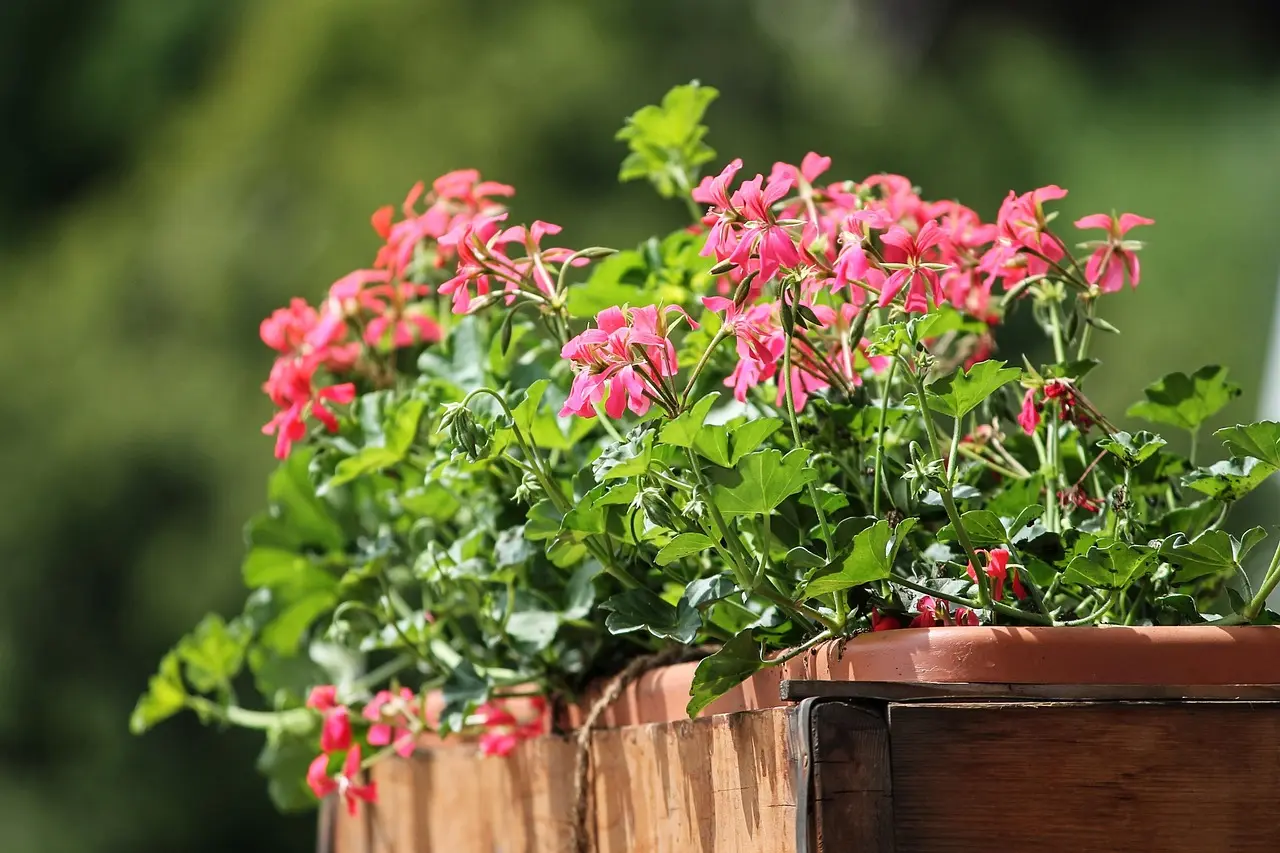
Balcony planters can start around $10 for a very simple pot and can reach about $150 or more once railing brackets, wall mounts, self-watering parts, or weather-resistant materials are added. The starter cost per planter is usually higher than the tag price because balcony use often requires hardware and drainage pieces.
Price bands by planter type
Hanging planters are often the cheapest way to add greenery without using floor space. Railing planters usually cost more because the rail fit and mounting method matter. Wall-mounted planters sit in the middle to upper range because they need anchors or brackets and a secure surface.
Self-watering planters often land at the top of the range because they include reservoirs, inserts, or extra parts that manage moisture. That extra structure can help with watering consistency, but it also raises the setup price. Retail category pages from major home and garden sellers commonly place these types in the same broad bands.
Typical starter cost per planter
The starter cost is the planter price plus the parts you need to install and use it safely. For example, a low-cost hanging planter may seem inexpensive until you add a hook or ceiling anchor. A railing planter can stay affordable only if the rail size and shape already match the mount.
| Planter type | Typical use case | Typical price band | Required hardware | Drainage features | Total starter cost per planter |
|---|---|---|---|---|---|
| Hanging planter | Space-saving vertical planting | $10 to $40; example retail SKUs often appear around the low teens to mid-$30s | Hooks, ceiling anchors, or wall mounts; add a liner or saucer if the surface below must stay dry | Drainage holes or removable insert | $20 to $70 |
| Railing planter | Railing garden on a balcony edge | $20 to $60; example retail SKUs often cluster around $20 to $50 depending on width and finish | Rail brackets or clamps; rail-fit caveat: check rail width, shape, and load rating before buying hooks or clips | Drainage holes, tray, or reservoir | $35 to $95 |
| Wall-mounted planter | Vertical display on a solid wall | $25 to $80; example retail SKUs often sit in the $30 to $70 range for metal and wall-mount styles | Wall mounts and anchors; possible add-ons include screws, masonry anchors, and a drip tray | Drainage holes or removable insert | $45 to $120 |
| Self-watering planter | Lower-maintenance watering setup | $40 to $120; example retail SKUs often run about $35 to $100 depending on size and reservoir design | Mounts if suspended or bracketed; common hidden add-ons include liners, fill tubes, and reservoir inserts | Reservoir, tray, or insert system | $60 to $150 |
Say your balcony has a narrow rail and you want two planters for herbs. If each railing planter costs $30 and each bracket adds $10 to $15, the setup may land near $80 to $90 before soil and plants. The same balcony with wall-mounted planters can cost more if anchors and hardware are needed.
What makes some balcony planters more expensive?
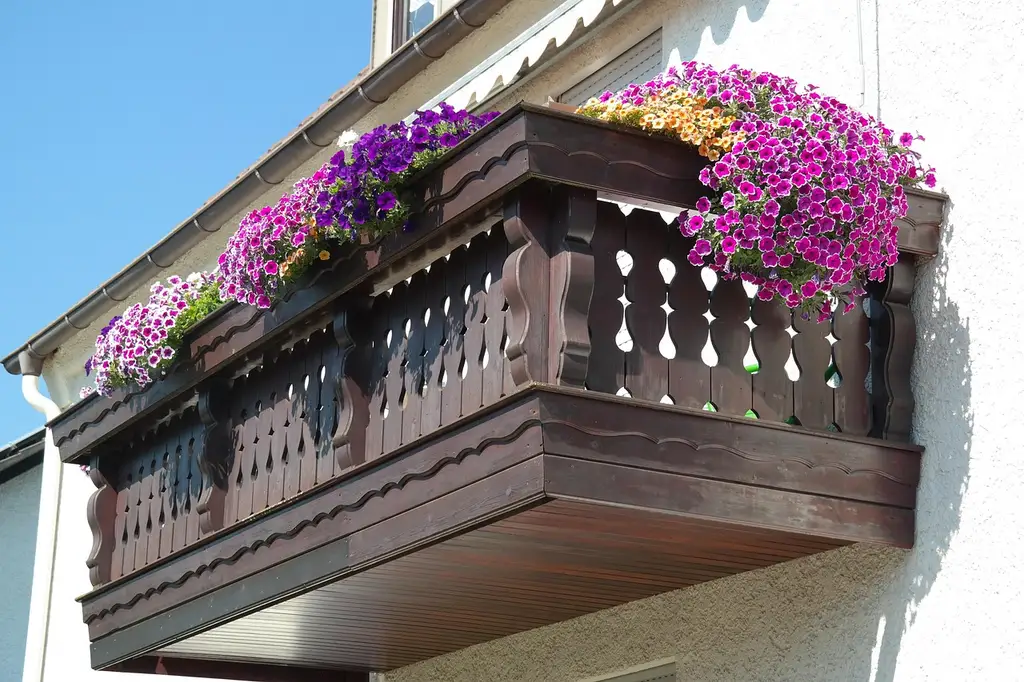
Some balcony planters cost more because they are built for tougher outdoor use, better mounting, or less watering work. Price also rises with larger size, stronger materials, and designs that deal better with wind, wet soil, and repeated exposure to sun and rain. That is why category-page pricing can look modest until you price the hardware too.
Material differences: steel, recycled plastic, natural fibre
IKEA lists powder-coated steel, recycled plastics, and natural fibres as planter materials. Powder-coated steel often costs more because it is built for stronger structure and weather resistance. Recycled plastic is usually lighter and can be lower priced. Natural fibre can be appealing, but it may need more care outdoors.
Material choice affects price and durability. Steel often fits exposed balconies better. Recycled plastic works well when weight matters. Natural fibre can suit protected spots, but moisture and sun can shorten its life if the finish is not made for outdoor use. Compare materials with Hanging planters and other space-saving options before you decide.
Drainage features and self-watering parts
The same source says many hanging planters include built-in drainage holes or removable inserts. It also says some planters use trays or reservoirs to collect excess water. Those features add cost because they use more parts and more assembly, but they can make watering easier and reduce mess on the balcony below.
Planters with simple drainage holes are often cheaper than self-watering models. If a planter includes a tray or reservoir, expect the price to move up, especially in sizes that are meant to hold more soil and moisture. Balcony and container gardening guidance also recommends drainage that matches the planting surface and runoff risk.
Size, capacity, and wind exposure
Size changes price because larger planters need more material and can hold more soil and water. A bigger planter also weighs more when wet, which matters on a balcony. In windy areas, wider or heavier planters may need stronger mounts, which raises the total setup cost.
A common first-timer mistake is choosing a deep planter for herbs on a windy balcony without checking the mount. The planter may fit the rail, but the combined weight of soil and water can make the setup too heavy for a weak bracket.
Which planter type fits your balcony?
The right planter type depends on where it will sit, how much wall or rail space you have, and how much hardware you want to install. Hanging and railing planters save floor space. Wall-mounted options suit solid surfaces. Compact floor planters work when railing or wall mounting is not practical.
Hanging planters and mounting needs
The same source says hanging planters are designed to bring greenery into homes with limited space, and that they are space-saving solutions that help grow plants vertically. They work well when the balcony has overhead clearance or a sturdy wall mount. The cost rises if you need ceiling anchors or metal hooks.
Hanging planters also need weight checks. The same source recommends weighing the planter, soil, and plant together. That total matters more than the pot alone because wet soil can change the load fast.
Railing planters and rail fit
Railing planters are a strong choice for a small balcony because they use the edge instead of the floor. The key cost issue is rail fit. If the rail is too wide, too narrow, round, or oddly shaped, you may need a different bracket or a more flexible mounting system. See planning a railing garden before you buy.
Balcony safety matters here. A planter that fits loosely can tilt, slide, or spill when it gets wet. Weight when wet is the number to think about, not only the empty pot weight.
Wall-mounted and compact floor options
Wall-mounted planters cost more when you need anchors that suit brick, concrete, or another hard surface. They are a good fit when the balcony rail cannot take more load, or when you want to keep the floor clear for seating or walking space.
Compact floor planters avoid mounting costs, but they take up precious room. They can still be the right choice for a sheltered corner, especially if the balcony has limited overhead structure or rail access.
What size balcony planter should you buy?
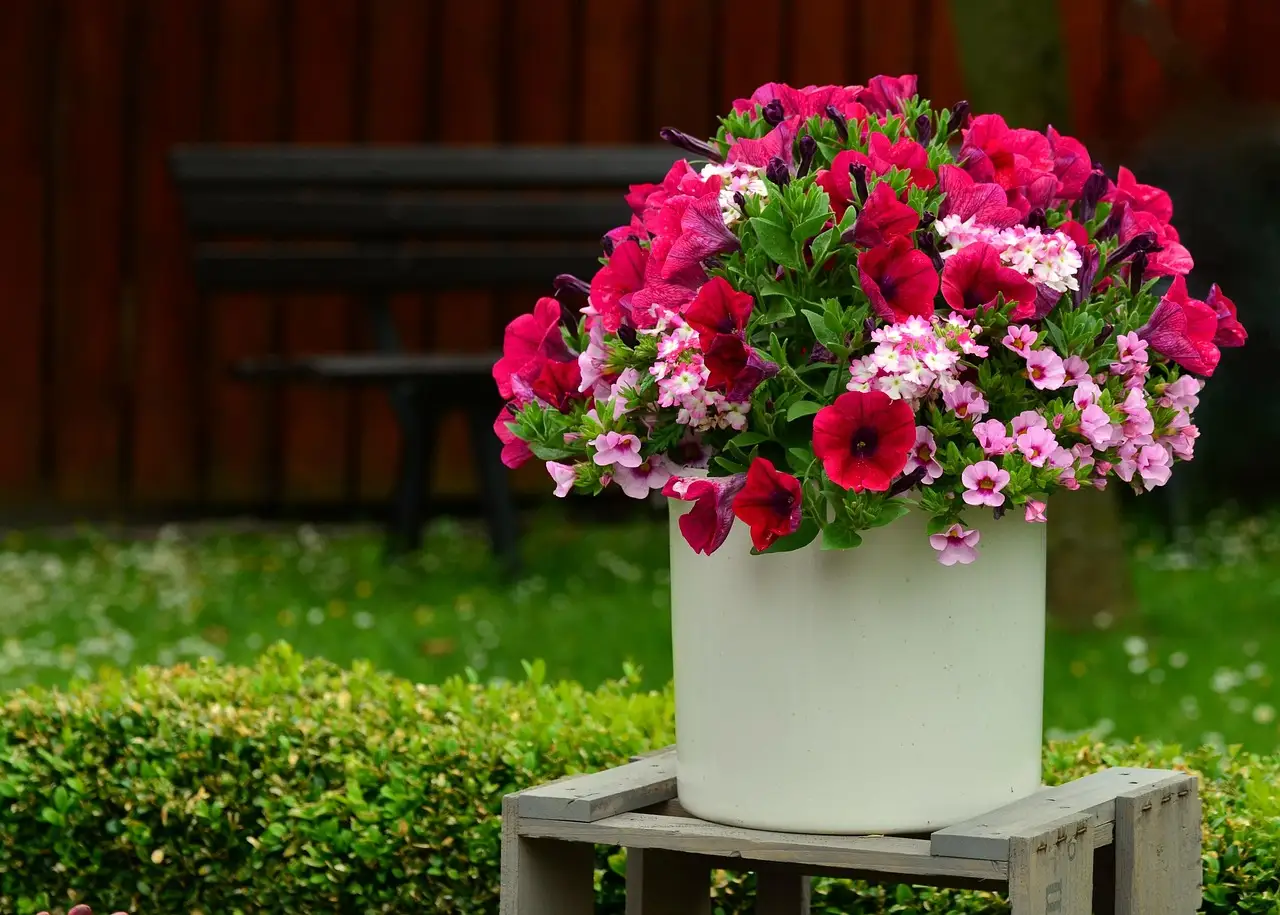
For a small balcony, choose the smallest size that still gives roots enough room and fits the placement safely. A 12 cm planter is a useful size example for compact herbs or starter plants, but it will not suit every plant. The best size balances root room, balcony space, and mounting strength.
12 cm planter size example
The CHILISTRÅN planter is sized at 12 cm and is suitable for in and outdoor use. That size works for small plants and tight spaces, but it has limited soil volume. Smaller planters can cost less, yet they may dry out faster and need more frequent watering.
Smaller size can also lower the material cost, but not always the hardware cost. A tiny planter still needs a secure hook, bracket, or rail fit if it is hanging or mounted above a drop.
Root room versus balcony space
Plants with shallow roots may do fine in compact planters. Larger herbs, trailing plants, or anything that dries out quickly may need more depth. If the planter is too small, roots can crowd the soil and watering becomes more frequent. For layout ideas, use planter sizing for a small balcony alongside your space plan.
If the planter is too large for the balcony, the setup can become heavy and awkward. That tradeoff is why size should be matched to both the plant and the mounting surface.
How size affects weight and price
Larger planters usually cost more because they use more material and hold more water. They can also require stronger brackets or anchors. On a windy balcony, that extra size may be worth the higher price if the mount and rail can handle it.
Suppose you are deciding between a 12 cm planter and a larger wall unit. The 12 cm option may be cheaper upfront, but the larger unit may be a better fit if you want fewer watering cycles and more root space.
Hidden costs to budget
Hidden costs often decide whether a balcony planter stays within budget. Hooks, anchors, liners, trays, and replacement parts can add a noticeable amount to the final setup. You should plan for those extras before buying the first planter.
Hooks, ceiling anchors, and wall mounts
Hanging planters usually need hooks or ceiling anchors. Wall-mounted planters need mounts that match the wall surface. The wrong hardware can fail to hold, so surface compatibility matters as much as the planter itself.
For railings, bracket cost may be small on paper, but the wrong fit can force a replacement. That is why the total starter cost is more useful than the planter price alone.
Liners, trays, and reservoirs
Liners and water-control parts can protect the balcony from drips and stains. A tray or reservoir may help catch excess water, especially on upper floors where runoff matters. These parts are worth budgeting for if the balcony surface must stay dry.
Drainage also affects maintenance. If a planter holds water too long, the soil can stay wet and the planter can wear faster, especially if the material is not meant for constant moisture.
Replacement parts and extra drainage add-ons
Some systems need replacement inserts, clips, or extra brackets over time. That is common with planters that use removable parts or specialized mounts. If the planter is exposed to weather, plan on occasional replacement costs.
- Hooks
- Ceiling anchors
- Wall mounts
- Rail brackets
- Liners
- Trays
- Reservoir inserts
How many balcony planters do you need?
The number of planters depends on railing length, plant spacing, and how much weight the balcony can support. For a railing garden, count the usable rail sections first, then leave room for watering and upkeep. More planters do not help if they crowd each other or overload the mount.
Planning a railing garden
A simple railing garden often starts with one planter per rail section or one planter every few feet, depending on the planter width. Leave gaps for airflow and access so you can water and clean without removing every pot.
Balcony safety comes first. Check the load on each rail bracket and avoid crowding the edge with too many wet planters at once.
Spacing for plants and maintenance
Plants need space for light and airflow. Tight spacing can make watering harder and increase mess when you remove planters for cleaning. A cleaner layout is often cheaper over time because it reduces the need for replacement parts and repairs.
Picture a long railing with three planters spaced too close together. The middle planter blocks access to the others, so one spill becomes three wet surfaces to clean. Wider spacing costs nothing extra and can make upkeep easier.
Frequently asked questions
What is the average price of balcony planters?
The average price depends on type. Hanging planters often sit on the lower end, railing planters usually fall in the middle, and self-watering or wall-mounted models trend higher. The true average for your balcony should include the planter plus the hardware needed to use it safely.
Are balcony railing planters more expensive than hanging planters?
Often, yes. Railing planters usually cost more than basic hanging planters because they need a fit that matches the rail and may require brackets or clamps. Hanging planters can be cheaper at the planter level, but ceiling anchors or wall mounts can close part of that gap.
What size balcony planter should I buy for a small balcony?
Choose the smallest planter that still gives roots enough room and fits the mount safely. A 12 cm planter can work for compact plants and herbs, but larger plants need more depth and more weight support. On a small balcony, fit and load matter as much as soil volume.
Why are some balcony planters so much more expensive?
Higher prices usually come from stronger materials, larger size, drainage parts, or self-watering systems. Balcony-safe mounting can also add cost, especially if the planter needs anchors, brackets, or a tray. Outdoor durability raises price because the planter has to handle sun, rain, and wind.
What materials make balcony planters cost more?
Powder-coated steel often costs more than basic plastic because it is built for stronger structure and weather resistance. Recycled plastic can be a middle option, while natural fibre may be less expensive but can wear faster outdoors. Material choice changes both price and lifespan.
Products related to this article
Sponsored / affiliate links. As an Amazon Associate I earn from qualifying purchases. I may earn additional commission from eligible campaigns.