Balcony Garden Box Cost / Price / How Much
Expect about $25–$120 for the box itself, then roughly $30–$150 more for soil, saucers, brackets, drainage, and fasteners. Small balconies with weight limits often need lighter planters, which can reduce costs or push them higher. Skipping load checks can crack railings, overload slabs, or force a full redo. This guide breaks down box prices, hidden setup costs, and a simple buying path by balcony size, weight limit, and planting goal.
Hidden costs that raise the total beyond the base price
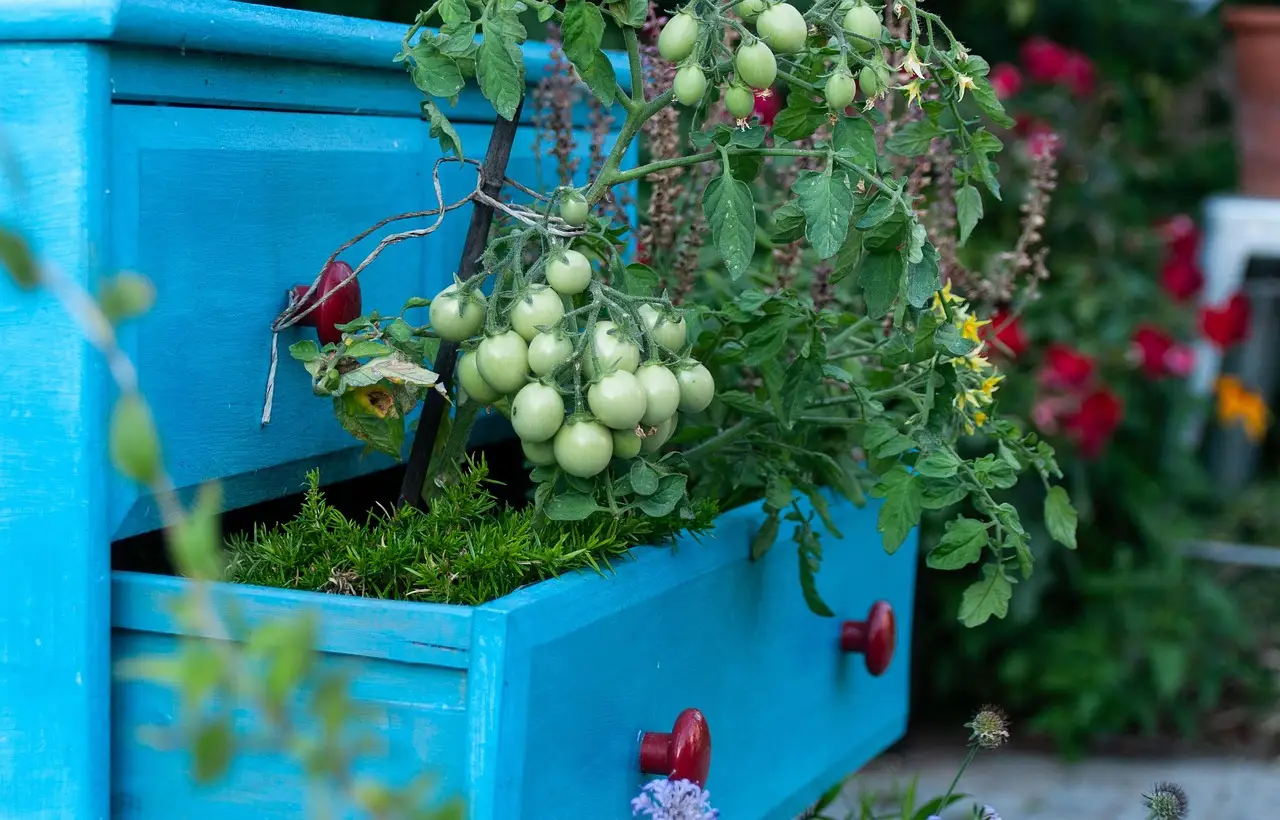


The box price is only the starting point. A balcony setup can also need potting mix or lightweight media, a liner, a drainage tray or saucer, and mounting hardware if the planter hangs from a railing or wall. Those add-ons can equal the planter itself.
Size changes cost fast because more width, depth, or height means more material and more support. A compact balcony planter may stay near the low end, while a larger raised bed, a self-watering model, or a tiered unit pushes the total higher for the same reason.
Typical price ranges by size and material
Smaller planter boxes usually sit at the lower end because they use less material and fit fewer plants. Once you move into wider raised beds, taller frames, or multi-level designs, the price often climbs because of extra structure, more fasteners, and more shipping weight.
Material matters too. Wood can start lower, especially when the product line uses natural rot resistance, but it still needs weather exposure management. Fiberglass and composite often cost more upfront, yet they can suit exposed balconies where rain, sun, and wind are constant.
What counts as the base price
Base price usually means the planter body only. It does not usually include potting mix, liners, trays, brackets, straps, or a trellis attachment. If a listing shows a low price, check whether the item is meant for a railing, floor, or wall before comparing it with another box.
For a balcony, the true base question is not “What is the planter?” but “What must be added before it is safe, stable, and usable?” That answer changes the budget more than the box color or finish.
Balcony box cost table
Use this as a planning tool, not a checkout total. It separates the planter price from setup items that often get missed on small balconies: media, liners, drainage, and hardware. Weight and footprint notes matter as much as dollars.
| Scenario | Box price | Soil/media | Liner | Drainage tray | Mounting hardware | Estimated total cost | Notes |
|---|---|---|---|---|---|---|---|
| Ultra-budget | $49.99 | $18 | $0 | $8 | $0 | $75.99 | Best for a small floor planter on a narrow balcony; lower weight and fewer parts. |
| Mid-range | $124.99 | $35 | $12 | $14 | $18 | $203.99 | Works for a raised bed or railing-style setup where brackets or straps are needed. |
| Premium | $204.99 | $48 | $20 | $18 | $28 | $318.99 | Fits a larger, tiered garden box with more structure; check wind exposure and load limits first. |
What each total includes
The ultra-budget path keeps the planter simple and low, which helps on balconies with tight door clearance or conservative weight limits. The mid-range path adds more structure and usually a more finished mounting setup. The premium path covers bigger footprints, taller frames, and the extra hardware that comes with them.
Those totals are still planning figures. If your balcony already has a safe floor spot and does not need brackets, the total drops. If the box sits on a railing, expect the hardware and drainage pieces to matter more.
How much does a balcony garden box cost?
Most balcony garden boxes land in a broad range because size, shape, and mounting method change the bill quickly. A small planter may be near the $49.99 level, while larger raised beds and special shapes can run well past $100 before you buy media or drainage parts.
Shape also affects price. Rectangular boxes are usually the simplest buy, while corner and tiered forms often cost more because they solve a harder layout problem and use more components.
Price by size and shape
The product range includes corner, rectangular, and tiered shapes. Width and length filters include 2×4, 2×6, 2×8, 2.25×2.25, and 6×6, which gives a sense of how much footprint flexibility exists. Narrow balconies usually do better with slimmer rectangles than with broad squares.
Price by material
Wood often starts lower, especially if the line uses natural rot resistance. Fiberglass and composite typically cost more because they are built for stronger weather exposure and a cleaner finished look. On an upper-floor balcony, that extra durability can matter more than a small savings.
Material also changes replacement risk. A cheaper box that warps, swells, or sheds hardware under rain and sun can cost more over time than a sturdier planter bought once.
Price by mounting method
Floor-standing boxes are usually the easiest on price because they do not need railing clamps or wall brackets. Railing planters add hardware cost and need a secure fit. Wall-mounted or hanging options can need extra fasteners, and that can change both the budget and the load pattern.
Mounting method should match the balcony, not the catalog. A railing box on a weak rail is a bad buy even if the price looks right.
What size balcony planter box should I buy?
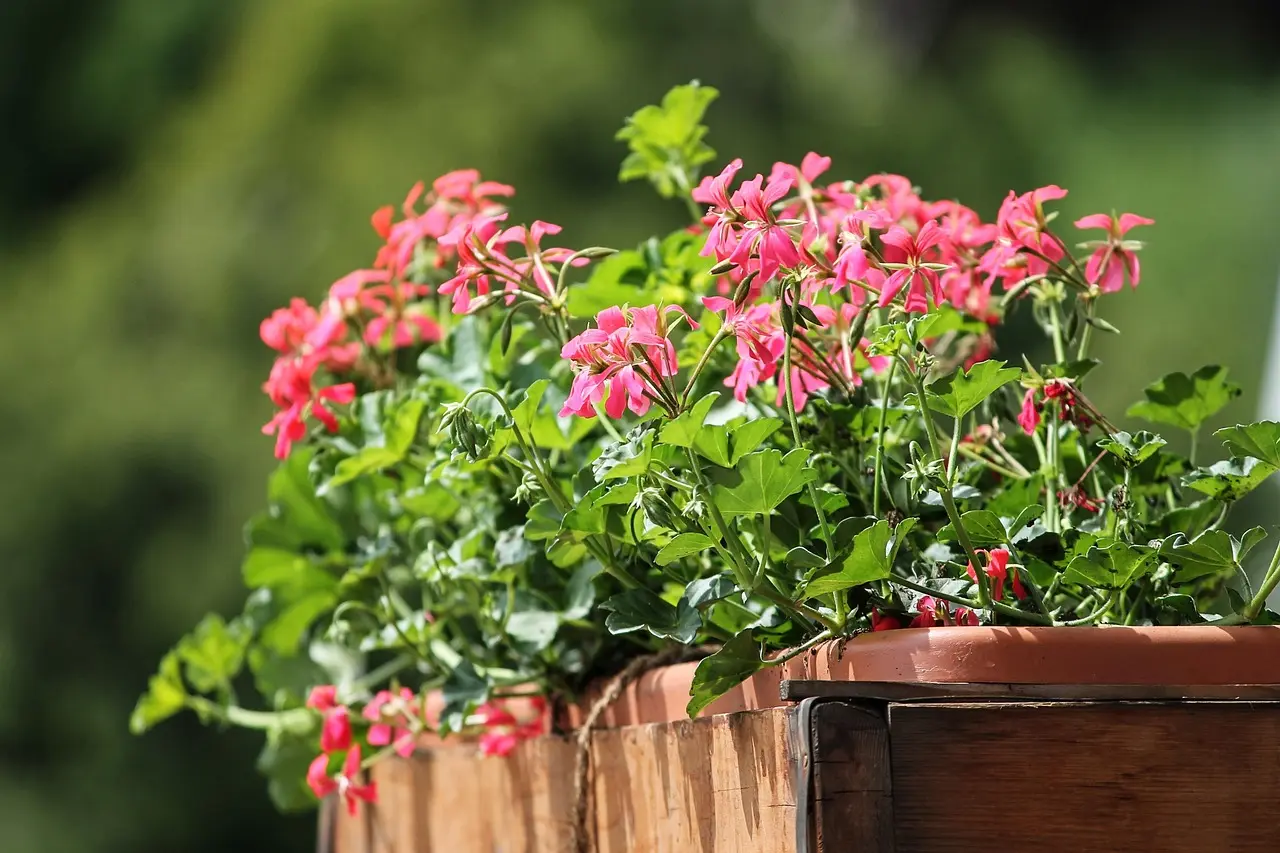
Choose the planter size from usable floor space, not from the balcony’s full footprint. Leave room for a door swing, a chair pull-out, and a safe walking path. A box that fits on paper can still feel too large once you place it near the railing or entry.
For a narrow balcony, slim rectangular planters usually work better than wide beds. Corner units help if the usable area is awkward, while railing planters reduce floor use but add mounting and runoff concerns.
Footprint rules for narrow balconies
Measure the clear area you can actually use, then subtract the space needed for movement. A common first-timer mistake is buying a planter that blocks the path from the door to the rail. That turns a good box into a daily obstacle.
If the balcony is tight, pick one long, narrow container rather than several small ones unless the layout truly needs them. Fewer containers mean fewer saucers, fewer spill points, and less clutter.
Corner and railing fit
Corner units can make sense where a straight box would waste space. Railing planters work best when the rail is strong, the clamp system is rated for the width, and the planter does not lean outward under wet media. The fit must be square and secure.
Use the listed dimensions as a fit check. The compact corner unit measures 27″ x 27″ x 22″, which is compact enough for some corners but still substantial enough to need careful placement. The larger elevated bed measures 24″ x 48″ x 25″, which is better suited to a broader wall or railing line.
Spacing for movement and doors
Keep a clear route to the door and enough room to reach the planter for watering and pruning. If you have to step around the box every day, the space will feel smaller and the planter will be harder to maintain.
Picture a 4-foot-wide balcony with a door at one end. A 2-foot-deep box may leave too little passage once you add a watering can and a chair. A slimmer railing option or a shorter floor box is usually the better buy.
Raised beds and trellis planters
Raised beds can work on balconies when the footprint fits and the support is strong enough for the filled load. They often cost more than small balcony planters, but they give you more root depth and a cleaner growing zone for vegetables or larger flowers.
Elevated planters with trellises add height, support climbing plants, and can create a screened edge. That convenience usually adds price and assembly time.
Raised garden bed dimensions and height
Available height choices include about 5.5″, 11″, 16.5″, 22″, 25″, and 34.5″. Height affects both plant root space and total weight. A taller bed holds more media and water, so it needs more caution on balconies with tight load limits.
An elevated garden bed measures 24″ x 48″ x 34.5″. A smaller elevated bed measures 24″ x 48″ x 25″. Those dimensions are workable only if the floor area and load allowance can support them without crowding the railing or blocking access.
Elevated planter with trellis options
The self-watering planter includes a trellis frame and greenhouse cover. That makes it more than a simple box: it is a support structure for climbing plants and a more controlled growing space. The tradeoff is a higher upfront price and more parts to assemble.
Self-watering features can reduce day-to-day watering swings, but they do not remove drainage needs. A balcony planter still has to manage excess water, especially on upper floors where runoff can affect neighbors below.
Assembly effort and price
Easy is relative. A plain rectangular planter usually has fewer parts than a tiered or trellis model. More components mean more time, more fasteners, and more chances to miss a step.
When price and assembly both rise, ask whether the extra structure serves your goal. If you only need herbs, a simpler box can be the better buy. If you want a climbing crop or privacy screen, the trellis may justify the extra cost.
Budget for drainage and weight
Drainage and load should shape the purchase before style does. Soil, water retention, and wet media all add weight. A balcony-safe setup needs drainage holes, a runoff plan, and a location that will not overload a rail or slab edge.
Water is part of the bill even after you buy the planter. A tray or saucer may seem small, but it protects flooring, keeps runoff controlled, and reduces cleanup after rain or watering.
Soil and water weight
Moist media weighs more than dry media, and water retained in the mix can keep a planter heavy long after watering ends. That is why load limits matter most after a rain event, not just when the box is empty.
Use lighter media where possible if the balcony has a strict weight limit. On higher floors, the safest placement is usually against a structural wall or in a spot the building allows, not on a questionable railing edge.
Drainage holes, trays, and runoff
Drainage holes are the first line of defense against root problems, but they create runoff. A saucer or tray catches overflow, though it must be emptied so water does not sit under the planter. Waterproofing under the box can also help protect surfaces.
Suppose you place a self-watering planter on a sixth-floor balcony with a wood floor. If the tray overflows after a heavy watering, the issue is not only plant care; it is also a runoff and surface-protection problem that can spread below the planter.
Balcony-safe placement checks
Before buying, check three things: the balcony’s load limit, the planter’s likely filled weight, and whether the chosen spot allows drainage without dripping where it should not. If the balcony rules are strict, choose a lighter, smaller box rather than forcing a large one to fit.
Also think about wind exposure. A tall planter with a trellis catches more wind than a low box, so it may need a more secure placement or a lower profile.
What is the cheapest way to start balcony gardening?
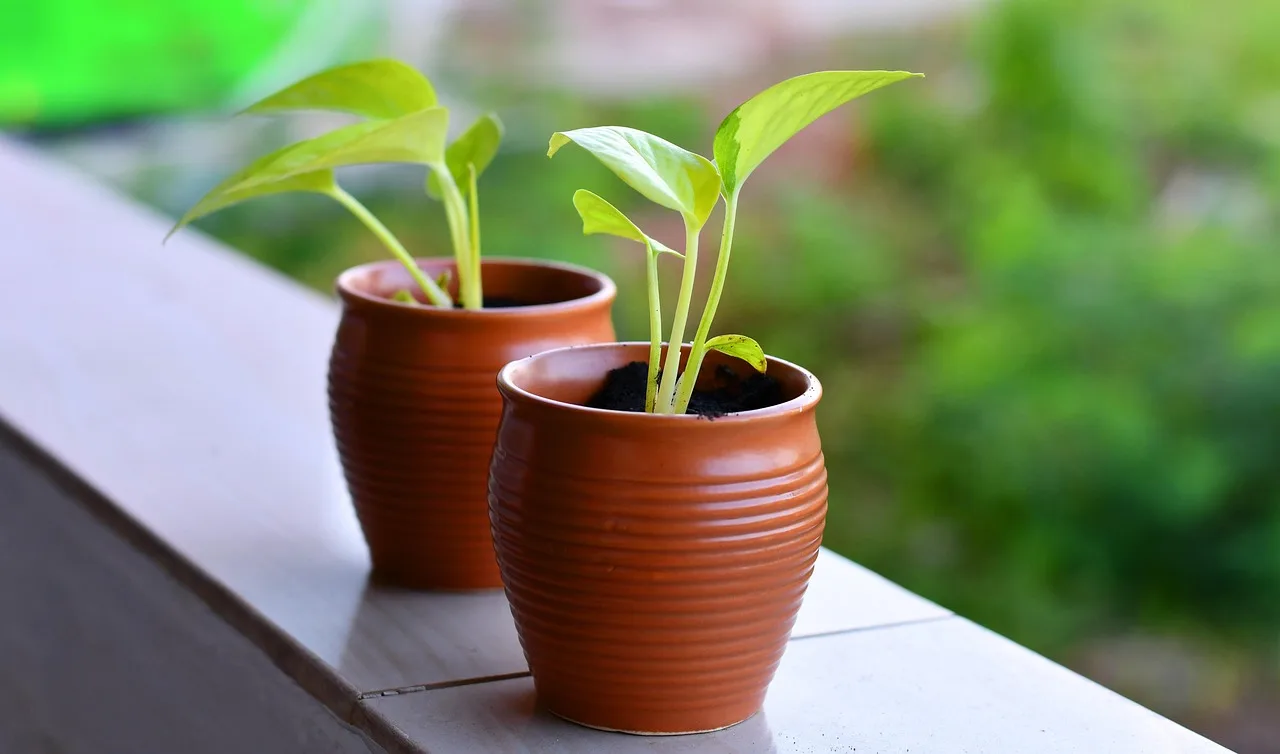
The cheapest way is usually a small floor planter or a simple railing box with basic potting media, a drainage tray, and no extras you do not need yet. Skip self-watering, trellises, and large raised beds until you know the space, light, and weight limits.
DIY can cost less than a ready-made box if you already have tools, scrap wood, and a way to seal the planter properly. It can also cost more if you buy the wrong lumber, hardware, or finish and have to redo the box.
Low-cost box types
The lowest-cost ready-made path is usually a simple rectangular planter. The $49.99 option gives a baseline for a compact balcony setup, while a larger raised bed or trellis unit belongs in a different budget class.
If your goal is herbs or a few flowers, start with one box instead of filling the balcony all at once. That keeps the cost down and lets you judge sun, wind, and watering needs before you buy more.
Where to spend and where to skip
Spend on fit, drainage, and secure support. Skip decorative add-ons that do not change plant health or safety. A sturdy tray or bracket is more useful than a finish that looks good but cannot handle weather exposure.
One safe shortcut is to buy a modest box and use a higher-quality media rather than oversizing the planter. Better media often helps more than a larger shell that pushes the balcony toward its weight limit.
When DIY can cost less than a ready-made box
DIY makes sense when your balcony needs an unusual footprint, such as a very narrow corner or an exact railing span. It can also save money when you need only one small box and can source materials cheaply. It is less attractive when you must buy every fastener, sealant, and tool from scratch.
A ready-made box is often the safer buy when load, drainage, or assembly skill is a concern. The extra cost can be worth it if it reduces the chance of leaks, instability, or a second purchase.
Frequently asked questions
How much does a balcony garden box cost compared with a DIY build?
DIY can be cheaper if you already have tools and materials, but it is not always the low-cost choice. Once you add lumber, screws, sealant, and time, a ready-made box can be the better value, especially for a small balcony.
Are raised beds better than railing planters for a balcony?
Raised beds offer more root room and can suit vegetables better, but they take more floor space and usually weigh more when filled. Railing planters save floor area, yet they need secure hardware and careful runoff control. The better choice depends on load and layout.
What should I budget for a self-watering balcony planter?
Budget above the price of a plain box because self-watering models add parts and often a trellis or cover. The planter itself may be only part of the bill; you still need media, drainage management, and enough structure to support the filled unit safely.
Products related to this article
Sponsored / affiliate links. As an Amazon Associate I earn from qualifying purchases. I may earn additional commission from eligible campaigns.