How to Make a Balcony Look Cozy with Outdoor Rugs
Choose a rug that leaves about 6 to 12 inches of floor showing on each visible side, in a flat-weave synthetic or recycled material, so the balcony reads as a small outdoor room. Too-small rugs look accidental, and natural fibers can hold moisture and stain quickly. This guide covers size, shape, material, and placement for renters.
Why outdoor rugs make balconies feel cozier


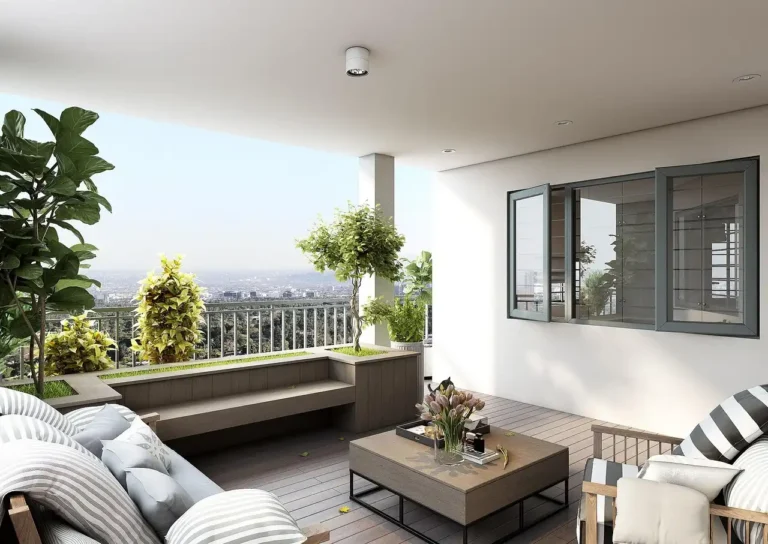
An outdoor rug gives a balcony a clear edge. It marks off a seating area and adds a softer underfoot feel, color, and texture to hard flooring, so the space reads as planned rather than bare. The result depends less on the rug alone and more on whether its size, shape, and placement fit the furniture.
A balcony seating zone works best when the rug helps the chairs and table feel grouped. Front legs often sit on the rug, which visually ties the pieces together and makes the area feel like a room with boundaries.
Proportion matters more than pattern. A rug that is too small can look like a bath mat, while one scaled to the furniture can calm the long lines of a slab, tile field, or concrete landing.
What size outdoor rug makes a balcony cozy?
The best size depends on the furniture plan. A cozy balcony rug usually extends beyond the front legs of seating and leaves a slim border of floor around the setup. That margin keeps the rug from crowding the railing or door and helps the balcony feel finished rather than packed.
One-chair balcony layouts
For a single chair and side table, choose a rug large enough to ground both pieces without filling the whole floor. Leave visible floor on all sides. If the rug is too small, the chair will seem detached from the rest of the space.
Bistro table layouts
A bistro set usually works well on a small round or compact rectangular rug. The rug should reach under the table and the chairs when pulled out enough to use them, but it should not run into the door swing or sit flush against the railing.
Two-zone balcony layouts
If the balcony has room for two uses, such as a chair zone and a plant or storage zone, separate them with the rug. The seating rug should define only the lounge area. A second surface can stay bare so the balcony does not feel visually crowded.
Exact size ranges by balcony depth and width
For a narrow balcony, the safest rug choice is one that leaves walking space along the long edge and does not pin the furniture against the railing. As a general fit rule, a small balcony usually benefits from a rug that is sized to the seating group, not the full floor. A deeper balcony can handle a larger rectangle that still leaves a border around the furniture and the door path.
- For a single chair and table, use a compact rug that grounds both pieces without reaching the edges of the balcony.
- For a two-chair set, use a rug that lets the front legs sit on it while leaving a clear strip of floor for circulation.
- For a bistro set, choose a rug that still looks balanced when the chairs are pulled out for use.
- For a long narrow balcony, follow the balcony shape with a rectangle instead of forcing a square layout.
Door-clearance rule
Keep the rug clear of the door threshold and sliding track so it does not bunch, scrape, or create a trip edge. If the balcony door opens outward or the track sits low, the rug should stop short of that zone rather than trying to run wall to wall. A rug that interferes with the door is usually too large for the space.
Best rug materials for apartment balconies
Polypropylene is often described as a safe all-around choice for balcony rugs. It resists moisture and does not soak up water easily, which matters when balconies get splash, rain, or damp air. Recycled plastic bottle rugs are often practical because they are lightweight, easy to move, and dry fast. Natural fibers belong only on fully covered balconies.
Polypropylene outdoor rugs for rain and direct sun
Polypropylene is the most reliable all-around choice for an exposed balcony because it is made for outdoor use and handles weather better than absorbent fibers. IKEA says outdoor rugs are made to withstand sun, rain, and dirt, and densely flatwoven polypropylene is a common construction. For exposed balconies, low-pile polypropylene is the better pick because it traps less dirt and dries faster.
Recycled PET rugs for light weight and quick drying
Recycled plastic, or PET, rugs are made from recycled plastic bottles. They are lightweight, easy to move, and often reversible. That makes them a good option if you need to bring the rug inside during storms or if you want a cleaner look on a narrow balcony. In practice, PET is useful when easy handling matters more than a heavier, anchored feel.
When jute or sisal only works on covered balconies
Jute or sisal can work only where rain cannot reach the rug. These natural fibers absorb moisture, so they can rot or develop odor if they stay wet. On a fully covered balcony, they can add a warmer feel, but they are a poor fit for exposed or shaded spaces that stay damp. Moisture risk is the main reason these rugs belong under a roof, not in open weather.
Suppose a renter wants a soft, natural look on a fourth-floor balcony with open sides. A jute rug may seem right at first, but one storm can leave it damp for days. A flatwoven polypropylene rug gives a similar low-profile look with far less moisture risk.
What shape rug works best on a small balcony?
Shape matters more on a small balcony because every inch counts. Round rugs can soften rigid layouts and often work well in corners or around a bistro set. Rectangular rugs suit long, narrow balconies because they echo the floor plan and keep the seating area from feeling cut off.
Round rugs for corners and bistro setups
A small round rug can work well in a small balcony space. It fits a chair in a corner, softens square railings, and makes a bistro setup feel less boxy. If the balcony is tight, a round rug can also avoid awkward clipped corners near doors.
Rectangular rugs for long narrow balconies
A rectangular rug often looks best when the balcony runs along one long wall. It creates a clear walking strip on one side and a seating zone on the other. Keep the rug aligned with the balcony shape so the space feels orderly rather than pinched.
Flatwoven rugs for tight spaces
Flatwoven outdoor rugs are common because they are easy to clean and durable. On tight balconies, they work better than thick pile because they do not visually bulk up the floor. The lower profile also reduces tripping near doors and keeps chair legs steady.
Balcony rug decision table
Use this table to match the balcony conditions to the rug choice. The best answer is the one that fits weather, airflow, and how often you want to move the rug for cleaning or storage.
| Balcony scenario | Recommended material | Pile height | Shape | Anchor method | Cleaning frequency | Main failure to avoid |
|---|---|---|---|---|---|---|
| Covered balcony | Jute or sisal, or polypropylene if you want easier care | Low-pile or flatwoven | Rectangular for seating zones | Furniture weight plus optional rug pad | Brush or vacuum weekly; spot clean as needed | Using a fiber that stays damp under a leaking edge |
| Uncovered balcony | Polypropylene outdoor rug or recycled PET rug | Low-pile | Rectangular or round, depending on layout | Outdoor rug pad and weighted furniture | Shake out weekly; hose after dirt or rain when needed | Choosing natural fiber that absorbs water and odor |
| Windy balcony | Polypropylene or recycled PET | Low-pile | Rectangular with corners tucked by furniture | Anti-slip rug pad plus table and chair legs on top | Check after each storm; clean as needed | Loose corners that catch air and curl up |
| Narrow balcony | Polypropylene flatwoven rug | Flatwoven or very low-pile | Long rectangle or small round in a corner | Rug pad on smooth concrete or tile | Vacuum or shake weekly; wash monthly if exposed | Picking a rug that crowds the railing or door swing |
How should you place a rug with balcony furniture?
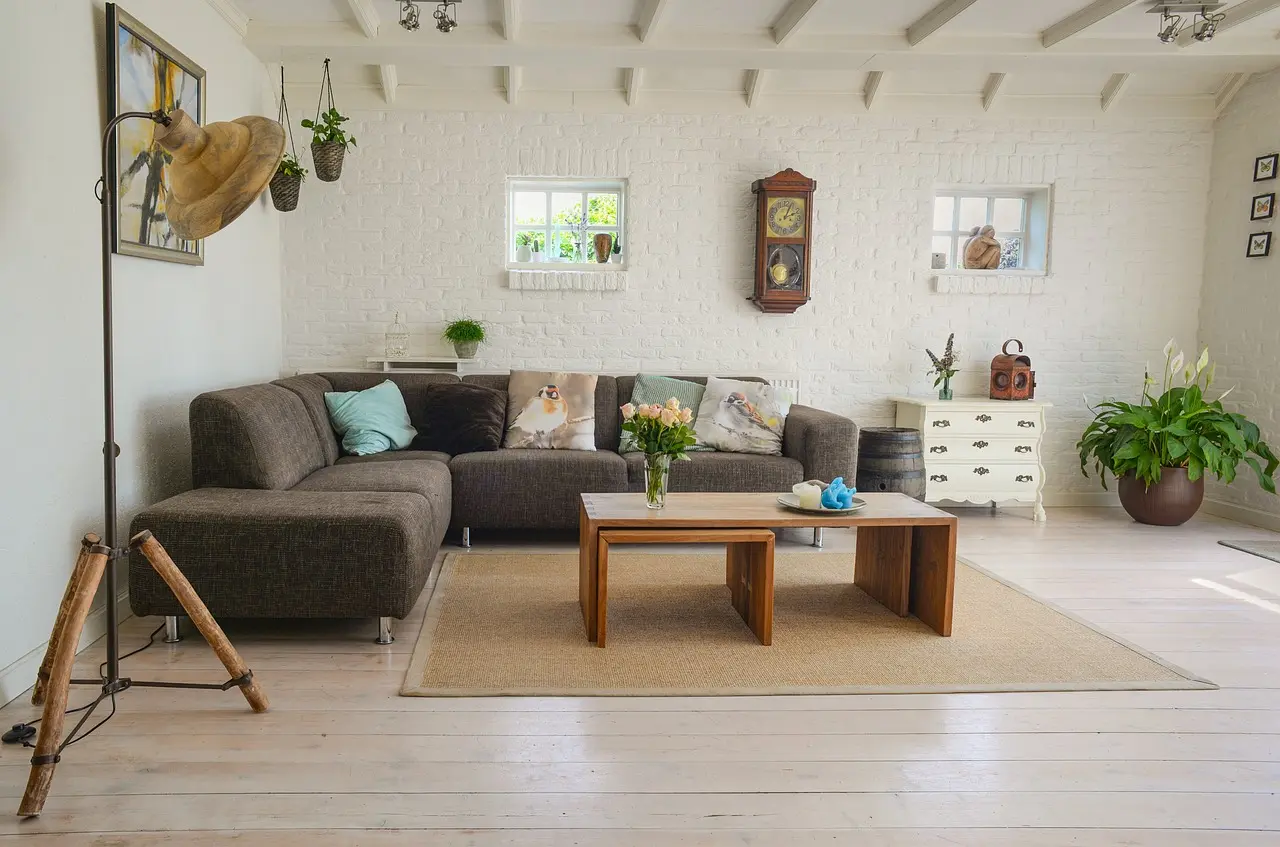
Place the rug to define the seating area, not to cover the whole balcony by default. Front legs of chairs and sofas often sit on the rug, and that usually gives the cleanest room-like result. Keep the edges clear of doors, sliding tracks, and railings so the layout stays practical.
For most balcony seating areas, front-legs-on placement is the default because it visually connects the furniture without demanding a huge rug. All-legs-on placement works best when the rug is large enough that every piece sits fully on it and the walkway still remains clear. If the rug is too small for all legs, the setup usually looks cramped rather than finished.
-
Map the furniture first.
Measure the chair or table footprint and mark where people need to walk. A rug should support the seating zone without blocking the door swing or forcing chairs into the railing.
-
Set the rug under front legs.
For lounge seating, place the front legs of chairs or a small sofa on the rug. This anchors the pieces visually and keeps the setup from floating in the middle of the balcony.
-
Center bistro sets carefully.
For a bistro table, center the rug under the table and make sure the chairs still sit comfortably when pulled out. The rug should support use, not trap chair legs at the edge.
-
Leave safe edge clearance.
Keep the rug away from the door threshold and the railing line. That reduces tripping, lets water drain at the edge, and prevents the rug from looking forced into the floor plan.
A common first-timer mistake is picking an outdoor rug that covers the balcony perfectly but leaves the seating area feeling disconnected and sparse. A roughly 5-by-7-foot rug can still feel off if only one chair leg touches it, because the seating area may feel disconnected even when the dimensions seem reasonable.
How do you keep a balcony rug from sliding or blowing away?
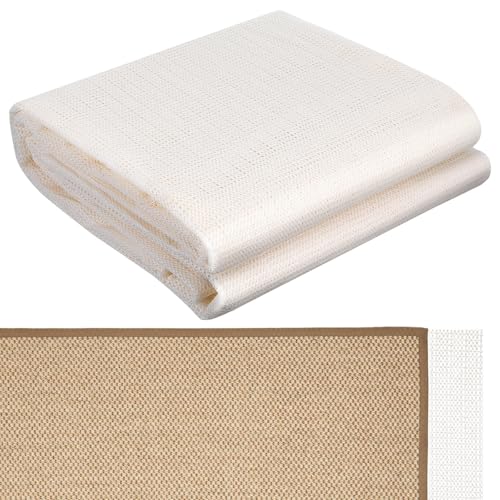
A rug pad, furniture weight, and smart placement are the main defenses. On smooth concrete or tile, an outdoor rug pad with anti-slip backing adds stability and helps prevent sliding. In wind, the best setup is a low-pile rug with corners held by furniture or other solid weight. For exterior use, a rug pad should be made for outdoor conditions rather than indoor-only floors.
-
Use an outdoor rug pad.
Choose a pad made for exterior use, especially on smooth concrete or tile. It helps the rug stay put and reduces the small shifts that happen when doors open, chairs move, or wind runs across the balcony.
-
Place furniture on top.
Let chair legs, a table base, or a bench hold down key points on the rug. This is one of the cleanest renter-friendly methods because it does not leave residue on the floor.
-
Store it during storms.
If the balcony gets strong wind or heavy rain, bring the rug inside or roll it up before the weather turns. Recycled PET and polypropylene are easier to move quickly, which helps if you need to store the rug often.
-
Check corners after wind.
Loose edges are the first sign that the rug needs more weight or a better size. If corners curl, the rug is usually too light, too small, or placed where wind funnels through the balcony.
How do you clean and care for a balcony rug?
Cleaning should match the material and the weather exposure. Low-pile rugs are easier to maintain because they trap less dirt and dry faster. Most balcony rugs benefit from weekly shake-outs or vacuuming, with deeper cleaning after storms, pollen buildup, or visible grime.
Cleaning frequency by material
Polypropylene and recycled PET can handle regular outdoor cleaning. Shake them out weekly and hose them when dirt collects. Jute and sisal need gentler care and should stay on fully covered balconies only, since lingering dampness can lead to odor or decay.
Drying after rain or washing
The same source says outdoor rugs can dry after being hosed down. That said, drying time depends on pile height, airflow, and how much water the backing holds. Flatwoven and low-pile rugs dry faster than thicker constructions, which makes them better for balconies with limited sun.
Mold and odor warning signs
Watch for a sour smell, dark spotting, or a rug that stays damp after a normal drying window. Those signs mean moisture is lingering in the fibers or underneath the rug. A damp rug should be lifted, dried fully, and checked before it goes back down.
What should you put with a balcony rug to make the space feel cozy?
Pair the rug with furniture that fits its scale, then add soft layers around it. Cushions, a small lamp or string lights, and one plant or side table help the balcony read as a used room. The rug should anchor the setting, not compete with it.
Choose cushions in colors that repeat the rug or furniture tones. Add a compact table so the seating zone has a clear purpose. If the balcony is exposed, keep extras lightweight so you can move them when the weather changes.
Frequently asked questions
What size outdoor rug makes a balcony feel cozy?
A cozy balcony rug usually leaves 6 to 12 inches of floor showing on each visible side. For a one-chair setup, that may mean a small rectangle or round rug. For a bistro set, choose a size that keeps chair legs on or near the rug without crowding the edges.
What is the best rug material for an apartment balcony?
Polypropylene is the safest all-around choice because it resists moisture and handles sun, rain, and dirt well. Recycled PET is a strong second option when you want something lightweight and easy to move. Natural fibers fit only fully covered balconies where moisture exposure is limited.
Can I use a regular indoor rug on a balcony?
It is usually a bad fit for an exposed balcony. Indoor rugs often absorb water, dry slowly, and stain more easily. If you want the look of a softer floor covering, pick a low-pile outdoor rug made for exterior use instead.
How do I stop an outdoor rug from blowing away on a balcony?
Use an outdoor rug pad, place furniture on top of key sections, and avoid oversized loose edges. If wind is frequent, choose a heavier flatwoven polypropylene or recycled PET rug and store it inside during storms. Small, light corners are the first parts to lift.
Do outdoor rugs get moldy if they stay outside?
Yes, they can if they stay wet too long. Mold risk rises with absorbent materials, slow drying, and poor airflow. Low-pile synthetic rugs dry faster and are less likely to hold moisture, while jute and sisal should stay on fully covered balconies only.
Are waterproof outdoor rugs available?
Outdoor rugs are not always truly waterproof, even when they are made to handle rain. The better expectation is water resistance and quick drying rather than a rug that never absorbs any moisture. Polypropylene and recycled PET are the most practical choices when the balcony is exposed and you want the rug to dry fast after wet weather.
Should the rug sit under the whole seating area or just the front legs?
Front-legs-on placement is the most common choice for balcony seating because it connects the furniture without using too much floor space. Use all-legs-on placement only when the rug is large enough to hold the entire arrangement comfortably and still preserve clear walking space. If the balcony is narrow, front legs are usually the better fit.
Products related to this article
Sponsored / affiliate links. As an Amazon Associate I earn from qualifying purchases. I may earn additional commission from eligible campaigns.