Balcony Planters vs Hanging Planters: Which Fits Best?
Use balcony planters when you have a railing or floor ledge and heavier, upright plants; choose hanging planters when floor space is gone and the balcony gets enough light for trailing or lighter plants. Bad placement can twist hardware, tip pots, block the path, or kill plants fast. This guide compares both styles by balcony conditions, plant habit, and installation risk.
Balcony planters vs hanging planters: the core trade-off

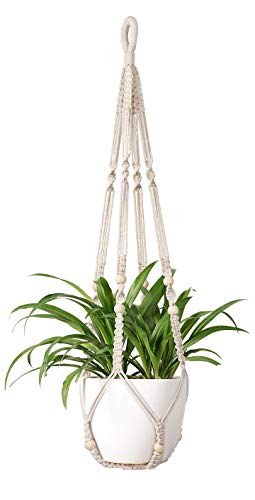

| Decision factor | Balcony Planters | Hanging Planters | Winner |
|---|---|---|---|
| Wind exposure | Usually steadier when clamped to a railing or set on a ledge | Sways more and can move in gusts | Balcony Planters |
| Renter-friendliness | Good if the clamp fits and the railing allows non-damaging contact | Good if a ceiling hook or secure suspension point already exists | Tie |
| Watering convenience | Often easier to fill and check for runoff | Usually harder to water cleanly without dripping | Balcony Planters |
| Use of vertical space | Moderate; depends on wall, corner, or railing mounting | Strong; keeps plants off the floor and in the air | Hanging Planters |
| Best plant habit | Upright herbs, compact flowers, small shrubs | Trailing plants and spill-over flowers | Tie |
Wind exposure
Balcony planters usually handle wind better because the pot body sits close to the railing or wall and moves less. Hanging planters sit farther out, so they catch more air and swing when gusts hit.
That swing matters. It changes the strain on the hook, cord, or suspension point, and it can make a planter hit the railing or wall.
Renter-friendliness
Neither style is automatically renter-safe. The safer choice is the one that fits the existing structure without drilling or scuffing the railing finish.
Balcony planters fit renters well when the clamp width matches the railing and the contact points are padded. Hanging planters fit well only when a secure hook or other suspension fixture already exists and the landlord allows it.
Watering convenience
Balcony planters usually win here because the container is easier to reach, inspect, and refill. A hanging planter often needs slower watering to avoid drips on the floor, the balcony face, or the railing below.
If cleanup matters, a planter with a water reservoir or overflow control is easier to live with than a bare pot that drains straight through.
According to Hanging planters – IKEA Spain — IKEA lists hanging planters in a 12 cm size.
How balcony planters perform on real balconies
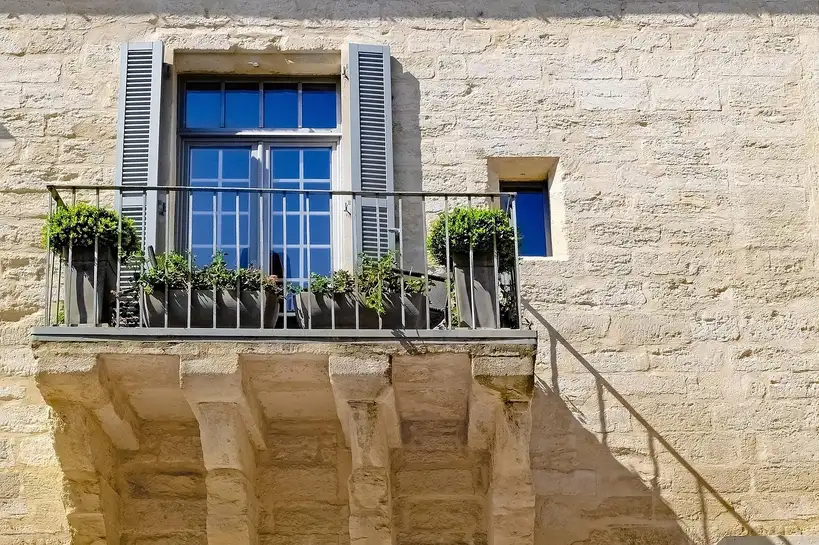
Balcony planters are better when the container can sit against a railing, wall, corner, or stand on a narrow ledge. elho says balcony planters can use hanging models, rectangular planters, or hook fixtures, and that many are made from 100% recycled plastic. elho also says they may include a water reservoir or drainage system and be suitable for flowers, herbs, and small shrubs.
Mounting styles that matter
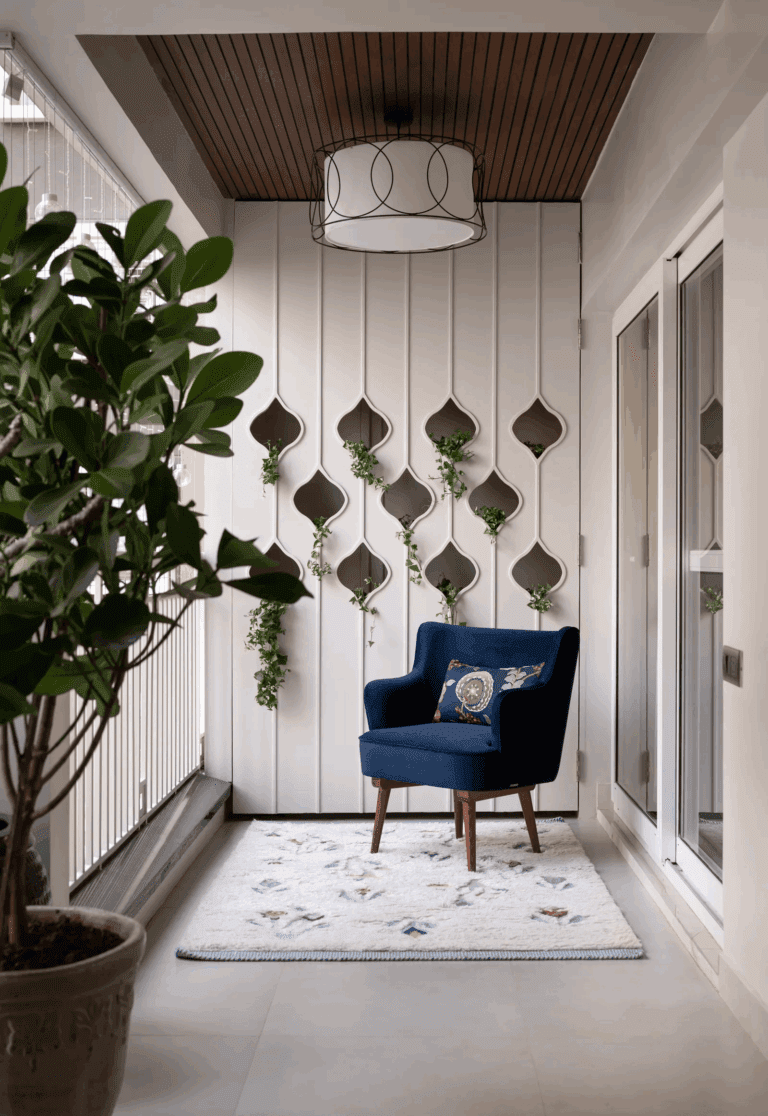
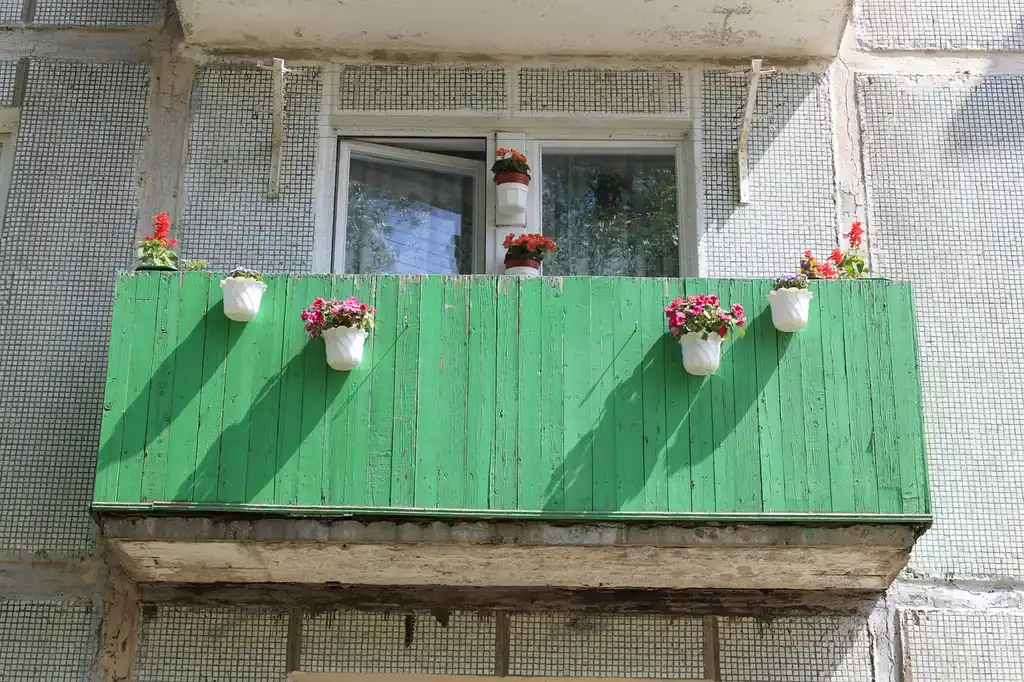
Railing-mounted balcony planters are the common choice because they keep pots off the floor while staying close to the building. Wall and corner styles help when the railing is too narrow or already crowded, and standing types work when the floor path still has enough clearance.
This is where balcony shape matters. A narrow balcony can feel far less cramped if planters sit on the outside edge or in a corner instead of across the walking path.
Fit checks for railing width and narrow balconies
Railing width compatibility is not a detail to skip. A clamp that is too tight can mark the railing; one that is too loose can tilt, slide, or shift under load.
On narrow balconies, the best container is often the one that keeps walking room first. A planter that looks compact on a shelf can still block the door swing or force people to turn sideways.
Drainage holes, inner pots, and water reservoirs
Drainage holes can help with excess water, but they can also create drip risk. A water reservoir or overflow control can reduce cleanup and may lower the chance of staining the railing below.
An inner pot can make plant swaps easier. It also helps when you want to lift the plant out for watering without disturbing the outer balcony planter.
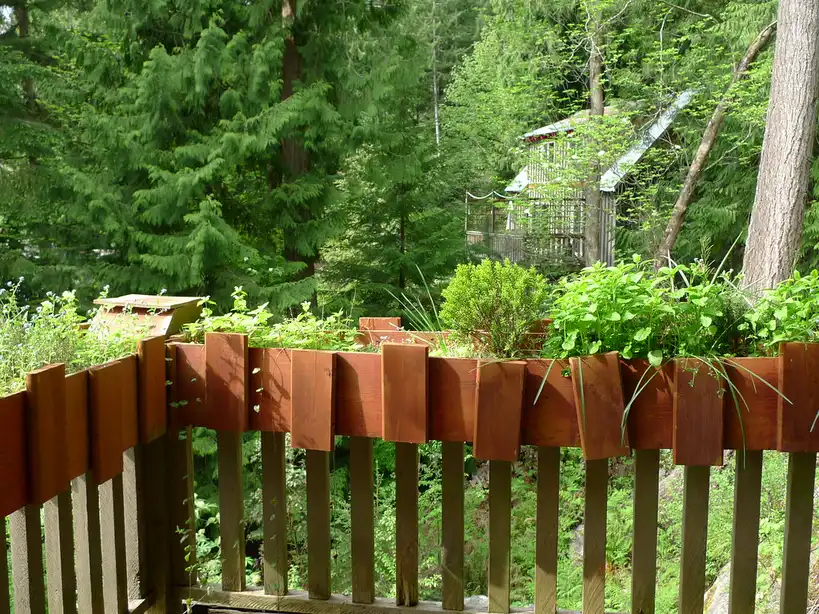
How hanging planters perform on real balconies
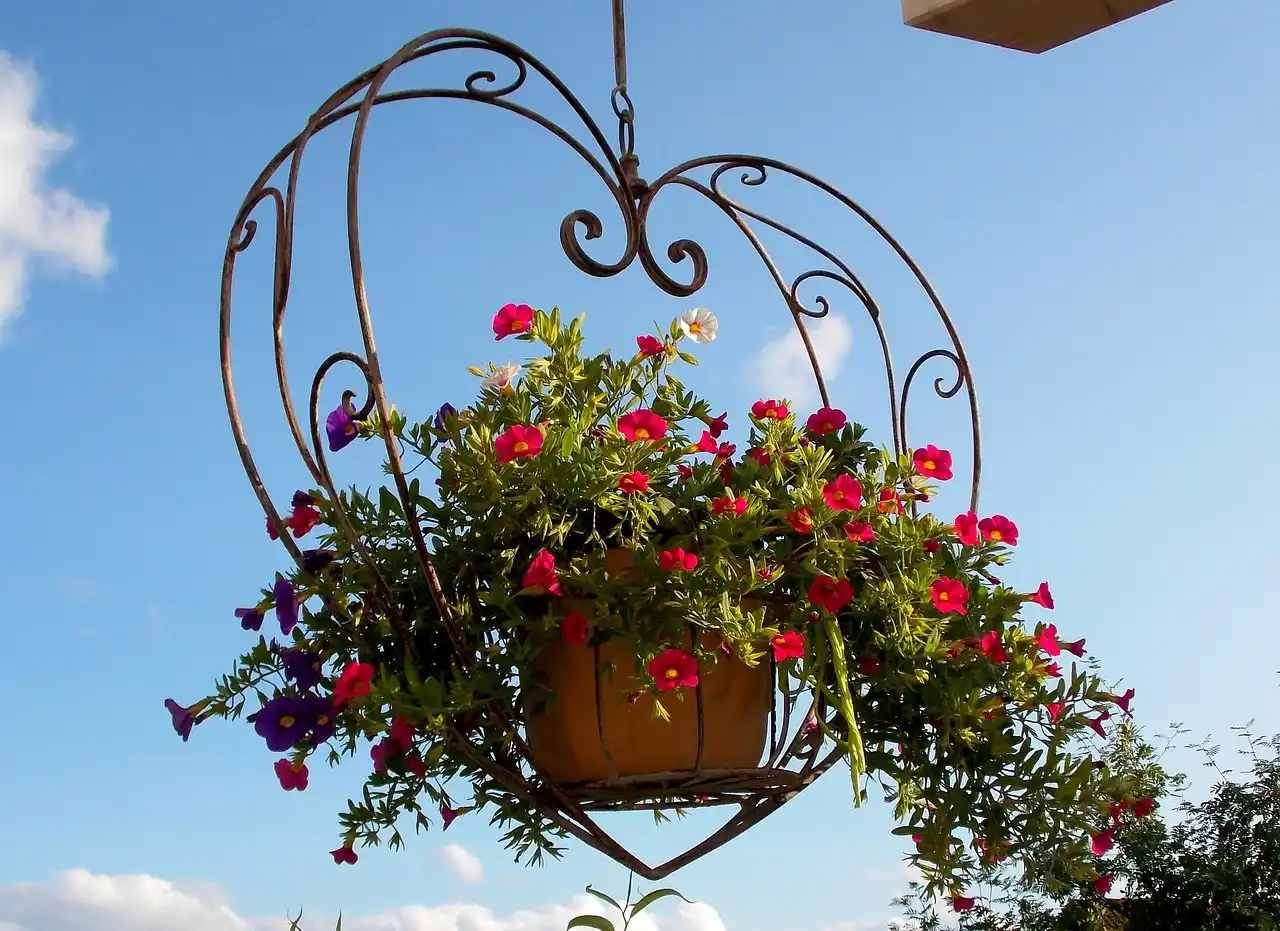
Hanging planters are sold for use on walls, fences, balconies, indoors, or outside. IKEA lists hanging planters in a 12 cm size, and also lists one at 4,99 € and another at 12,99 €. They make sense when floor space is gone and the goal is to use vertical space for lighter plants.
Hooks and suspension fixtures
Hanging planters depend on a hook or suspension fixture, so the attachment point matters as much as the pot itself. A sturdy hook is better than a weak clip, especially when the balcony gets wind.
Movement is the hidden problem. A planter that swings can scrape paint, bang a railing, or wear out its own hanger over time.
Best use cases for trailing plants
Hanging planters are best for trailing plants and spill-over flowers because the stems can fall naturally without getting crushed by the railing. They can also work for small spaces where the floor and ledge are already busy.
They are a poor match for upright, heavy plants that need a stable base. A top-heavy herb planter hanging from a hook is asking for tilt.
Which planter works best for your plant type?
For upright herbs, compact flowers, and small shrubs, balcony planters usually make more sense because the root ball sits lower and the plant stays easier to water and inspect. For trailing vines and spill-over flowers, hanging planters usually look and perform better because the stems can hang freely instead of crowding the railing.
Herbs and upright compact plants
Basil, thyme, parsley, and similar herbs are easier in balcony planters because they need frequent trimming and regular watering checks. A stable container also helps keep soil from spilling when stems are bumped.
Trailing vines and spill-over flowers
Trailing plants fit hanging planters best. The planter can stay out of the way while the growth habit does the visual work.
That is one of the few cases where the vertical design is more than a space trick. It actually fits the plant form.
Shade-loving plants and small evergreens
Shade-loving plants can work in either style, but the better choice depends on how much air movement and watering control the balcony has. Small evergreens usually do better in balcony planters because they are heavier, need steadier moisture, and should not swing in the wind.
How to judge safety, load, and fastening on a balcony railing
Are hanging planters safe on a balcony railing? Only when the fixture matches the railing, the load is modest, and the attachment does not shift in wind. Balcony railing width compatibility, secure clamp or hook mounting, load-bearing caution, and regular safety checks matter more than the planter shape itself.
Adjustable clamps and sturdy hooks
elho says adjustable clamps or sturdy hooks may be used to secure balcony planters. That is the right direction: the fastening system should fit the railing without forcing it.
If the fastening feels like a squeeze, it is a bad sign. Secure means stable, not over-tightened.
Load-bearing caution for renters and older railings
Older railings are worth checking carefully because paint wear, corrosion, or hidden weakness can make even a normal planter risky. Renters should also avoid assuming a metal railing can handle any weight just because it feels solid.
A planter may seem small but can still get heavy once soil and water are added. A planter that looks small can still become heavy once soil and water are added.
Scratch prevention and regular safety checks
Use padded contact points, clean brackets, and smooth hardware to reduce railing damage. Check for tilt after watering, after strong wind, and after the planter is moved.
If the container leaves marks, scrapes, or an uneven footprint, reset it before the next watering cycle. Small shifts become bigger problems outdoors.
Decision table: pick by balcony condition
The easiest way to choose is to start with the balcony condition, then match the planter to the plant habit. Balcony planters usually win on stability, watering convenience, and railing fit. Hanging planters usually win on vertical use and trailing plant display.
| Condition | Balcony Planters | Hanging Planters | Winner |
|---|---|---|---|
| Windy | Better stability and less swing | More movement and higher failure risk | Balcony Planters |
| Shady | Works well for shade-loving plants near the railing | Works if the hook position gets enough light | Tie |
| Renter-friendly | Good when clamps fit without damage | Good only with existing secure suspension points | Tie |
| Privacy-focused | Better for a low screen of foliage along the railing | Less useful unless plants trail thickly | Balcony Planters |
| Watering-easy | Simple to fill, inspect, and clean | Harder to water without dripping | Balcony Planters |
Windy balconies
Pick balcony planters if wind is your main concern. Their lower movement makes them safer for heavier soil, and they are less likely to twist under gusts.
Shady balconies
Pick either style only if the light level matches the plant. Shade-loving plants can sit in balcony planters near the railing or hang from a fixture that still gets enough daylight.
Renter-friendly setups
Pick the style that avoids permanent changes. Balcony planters with adjustable clamps are often the cleaner choice, but hanging planters can work when the building already has a suitable hook point.
Privacy-focused balconies
Pick balcony planters if you want a low line of foliage that screens the railing more evenly. Hanging planters can add cover, but they usually do it in patches instead of a continuous band.
Watering-easy setups
Pick balcony planters with drainage control or a water reservoir when convenience matters. They are easier to top up, and they usually create less mess on the floor and railing.
Choose Balcony Planters if… / Choose Hanging Planters if…
Choose Balcony Planters if the balcony is windy, the railing can take a proper clamp, you want easier watering, or the plants are upright herbs, compact flowers, or small shrubs. Choose Hanging Planters if floor space is tight, you have a secure hook or suspension fixture, and the plant is trailing or light enough to hang safely.
Choose balcony planters if…
- You want more stability in wind.
- You are growing herbs, compact flowers, or small shrubs.
- You need easier watering and less dripping.
- You want a planter that fits the railing width without swing.
Choose hanging planters if…
- The floor is already full.
- You want to use vertical space for trailing plants.
- You have a secure hook or suspension fixture.
- You can tolerate more sway and more careful watering.
Frequently asked questions
Should I use balcony planters or hanging planters on a small balcony?
Use balcony planters if the small balcony still needs stable watering, stronger railing fit, or upright plants. Use hanging planters if the floor and ledge are crowded and the plant can trail without needing a heavy container. The better choice is the one that keeps walking space open without raising failure risk.
Are hanging planters safe on a balcony railing?
They can be safe only when the attachment point is secure and the planter weight stays modest. Wind movement is the biggest concern, because sway can loosen hardware or shift the pot into the railing. Check the hook, the cord, and the railing finish regularly.
Which is better for herbs, flowers, or trailing plants: balcony planters or hanging planters?
Balcony planters are usually better for herbs and compact flowers because they are easier to water and keep upright. Hanging planters are usually better for trailing plants, since the stems can drop naturally. If the plant is heavy or top-heavy, the balcony planter is the safer bet.
Do hanging planters take up less space than balcony planters?
They usually free more floor space because they stay off the walking path. That does not mean they solve every space problem, though. A hanging planter still needs room for swing, clearance from walls and railings, and a spot where watering will not drip onto the balcony below.
How do I keep balcony planters from damaging the railing?
Use adjustable clamps or sturdy hooks that fit the railing width, and add padding where the hardware touches metal or paint. Do not overtighten. Check the contact points after rain, after wind, and after watering to catch early scuffs or shifting before they become permanent marks.
Can balcony planters or hanging planters hold water without dripping?
Yes, if they have drainage control, a water reservoir, or an inner pot that captures runoff. elho says balcony planters may include a water reservoir or drainage system, which helps reduce dripping and cleanup. Without that control, both styles can stain surfaces or drip onto lower spaces.
What planter style works best for windy balconies?
Balcony planters usually work best because they move less and sit closer to the building. Hanging planters catch more wind and can swing, which increases strain on the hook and the plant. On an exposed balcony, stability should come before visual lightness.
Which option is easier to install and move around?
Balcony planters are usually easier to install and relocate if the clamp or ledge fit is straightforward. Hanging planters can be simple too, but only when the hook point is already in place. Once installed, hanging planters are often less convenient to shift for cleaning or seasonal changes.
Products related to this article
Sponsored / affiliate links. As an Amazon Associate I earn from qualifying purchases. I may earn additional commission from eligible campaigns.