How to Decorate a Balcony with Plants
A common way to decorate a balcony with plants is to choose 3 to 5 species that match sun, wind, and moisture, then place them in clear floor, rail, and wall zones. Skip those basics and you get tight walkways, unstable pots, and plants placed in the wrong light or wind. This guide shows how to plan for microclimate, safety, and layout so a small balcony looks intentional.
What you need first


Start with the facts that shape plant choice and placement. Balcony gardens have no soil, so they won’t have weeds, but they do need careful drainage and weight planning. Balconies can be bakingly sunny or completely sunless in winter, so the same plant mix rarely works everywhere. For safety and drainage basics, consult local balcony load rules, container gardening guidance from university extensions, and stormwater best practices from agencies such as the EPA.
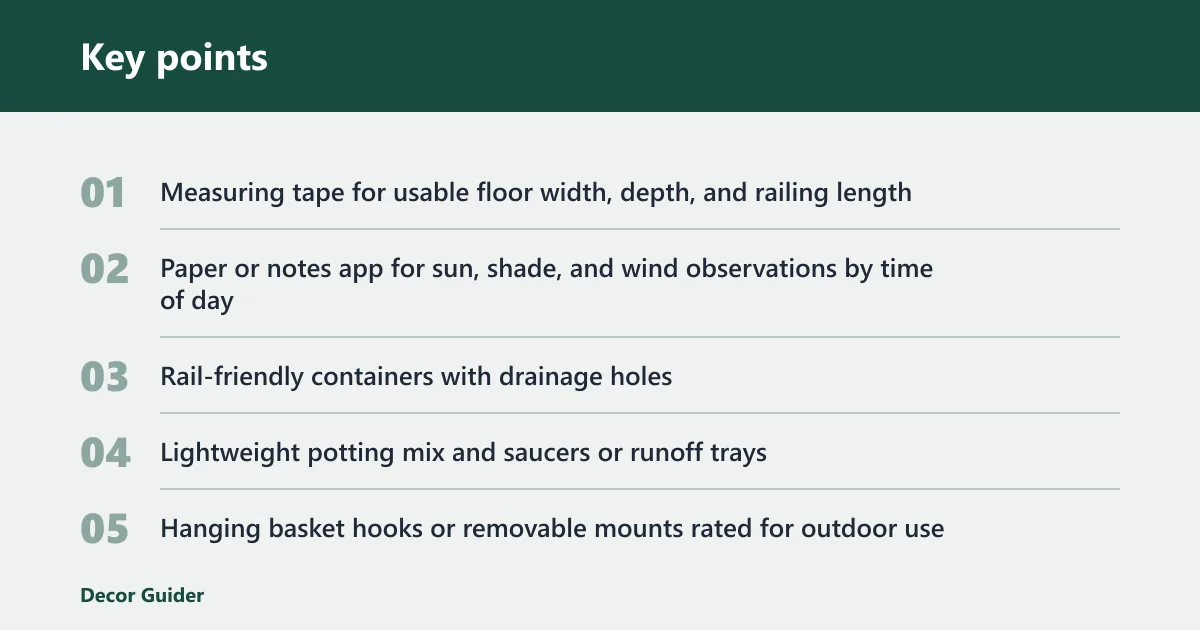
- Measuring tape for usable floor width, depth, and railing length
- Paper or notes app for sun, shade, and wind observations by time of day
- Rail-friendly containers with drainage holes
- Lightweight potting mix and saucers or runoff trays
- Hanging basket hooks or removable mounts rated for outdoor use
- Window boxes or troughs sized to the railing profile
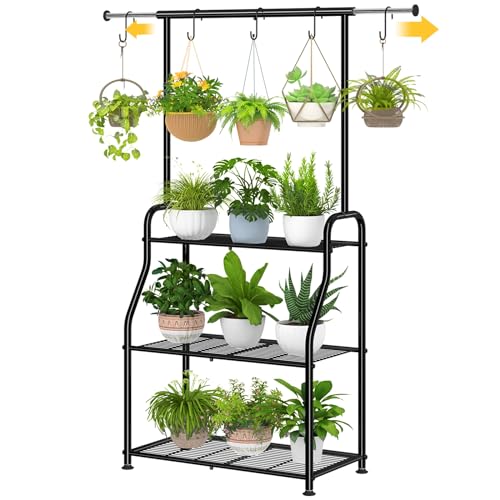
- One outdoor plant stand with a narrow footprint if floor space is tight
- Watering can or access to an outside tap
- Gloves and a small hand broom for routine cleanup
Check sun, shade, and wind first
Map where the balcony gets direct sun, reflected heat from glass or walls, and gusts at the edges. Sun exposure changes plant selection, but wind exposure changes container choice and anchoring needs. A sheltered, bright balcony can support softer plants than an exposed corner with the same light level. For plant-specific exposure advice, look to extension recommendations and nursery guidance that separate full sun, part shade, and wind tolerance by species.
Check railing type and load limits
Look at what can be attached without drilling or painting, and confirm any permission needed for alterations. Balcony safety load matters because heavy pots, saturated soil, and grouped containers can exceed what the structure or railing can handle. Keep clear of fire exits, and avoid anything that could fall to a lower level. Structural load limits are a safety issue, not a style preference, so when in doubt, follow building-management rules and a qualified structural source rather than guesswork.
List watering access and drain points
If you need several trips with a watering can, group thirsty plants near the door. If an outside tap is available, plan for slower, controlled watering so runoff does not collect on the floor or spill to neighbors below. Poor drainage is one of the most common balcony failure points. EPA stormwater guidance and extension publications both emphasize keeping runoff controlled instead of letting water sheet over hard surfaces.
Balcony plant placement matrix
This matrix gives a practical starting point for plant density by size, light, and wind. Use it to avoid the most common mistake: buying before you know where each container will live. The placement zones below assume a back wall, rail edge, floor area, and vertical space. Legend: back wall zone = safest for taller or heavier pots; rail zone = slim, secure containers only; floor zone = open walking strip; vertical zone = hanging or tiered display. Container weights: lightweight = plastic, resin, or fiberglass; medium = dense plastic or small ceramic; heavy = large ceramic, concrete, or saturated soil. Path clearance rule: keep a continuous walking strip and avoid blocking the door, rail access, or fire egress.
| Balcony size | Light condition | Wind level | Container type | Plant count range | Placement zones |
|---|---|---|---|---|---|
| Small, under 40 sq ft | Full sun | Low | 2 railing planters, 1 small hanging basket | 3 to 5 | Rail zone and one corner floor zone |
| Small, under 40 sq ft | Full sun | Medium | 1 railing planter, 1 small hanging basket, 1 compact floor pot | 3 to 4 | Back wall zone, rail zone, and one sheltered floor corner |
| Small, under 40 sq ft | Full sun | High | 1 trough, 1 compact floor pot | 2 to 3 | Back wall zone and sheltered corner only |
| Small, under 40 sq ft | Shade | Low | 1 trough, 1 lightweight plant stand | 2 to 4 | Back wall zone and sheltered floor zone |
| Small, under 40 sq ft | Shade | Medium | 1 trough, 1 compact floor pot | 2 to 3 | Back wall zone only |
| Small, under 40 sq ft | Shade | High | 1 compact floor pot | 1 to 2 | Most sheltered corner only |
| Small, under 40 sq ft | Mixed light | Low | 1 window box, 1 hanging basket | 3 to 4 | Rail zone and vertical zone |
| Small, under 40 sq ft | Mixed light | Medium | 1 window box, 1 compact floor pot | 2 to 4 | Rail zone and back wall zone |
| Small, under 40 sq ft | Mixed light | High | 1 trough, 1 compact floor pot | 2 to 3 | Back wall zone and sheltered corner only |
| Medium, 40 to 80 sq ft | Full sun | Low | 2 railing planters, 1 trough, 1 stand | 5 to 8 | Rail, back wall, and one floor corner |
| Medium, 40 to 80 sq ft | Full sun | Medium | 1 railing planter, 1 trough, 1 hanging basket, 1 stand | 5 to 7 | Rail zone, back wall zone, and one vertical tier |
| Medium, 40 to 80 sq ft | Full sun | High | 1 trough, 1 compact floor pot, 1 hanging basket | 4 to 6 | Back wall zone, sheltered corner, and vertical zone |
| Medium, 40 to 80 sq ft | Shade | Low | 1 hanging basket, 2 pots, 1 stand | 4 to 6 | Back wall zone and one vertical tier |
| Medium, 40 to 80 sq ft | Shade | Medium | 1 trough, 1 pot, 1 hanging basket | 3 to 5 | Back wall zone and sheltered vertical zone |
| Medium, 40 to 80 sq ft | Shade | High | 1 trough, 1 compact floor pot | 2 to 4 | Back wall zone only |
| Medium, 40 to 80 sq ft | Mixed light | Low | 1 trough, 1 window box, 1 stand | 4 to 7 | Back wall, rail, and floor corner zones |
| Medium, 40 to 80 sq ft | Mixed light | Medium | 1 trough, 1 window box, 1 hanging basket | 4 to 6 | Back wall zone, rail zone, and vertical zone |
| Medium, 40 to 80 sq ft | Mixed light | High | 1 trough, 1 compact floor pot | 3 to 4 | Sheltered corners and back wall zone only |
| Large, over 80 sq ft | Full sun | Low | 2 troughs, 2 railing planters, 1 stand | 8 to 12 | Back wall, rail, and open floor zones |
| Large, over 80 sq ft | Full sun | Medium | 2 troughs, 1 railing planter, 1 hanging basket | 7 to 10 | Back wall, rail, and vertical zones |
| Large, over 80 sq ft | Full sun | High | 1 trough, 1 railing planter, 1 compact floor pot | 5 to 7 | Back wall zone and sheltered rail zone only |
| Large, over 80 sq ft | Shade | Low | 2 pots, 1 hanging basket, 1 stand | 6 to 9 | Back wall zone plus layered vertical display |
| Large, over 80 sq ft | Shade | Medium | 1 trough, 2 pots, 1 hanging basket | 5 to 8 | Back wall zone, sheltered corner, and vertical zone |
| Large, over 80 sq ft | Shade | High | 1 trough, 1 compact floor pot | 3 to 5 | Back wall zone only |
| Large, over 80 sq ft | Mixed light | Low | 1 trough, 2 pots, 1 hanging basket | 6 to 8 | Sheltered corners, wall zone, and rail zone |
| Large, over 80 sq ft | Mixed light | Medium | 1 trough, 1 window box, 1 stand, 1 hanging basket | 5 to 7 | Back wall zone, rail zone, and one vertical tier |
| Large, over 80 sq ft | Mixed light | High | 1 trough, 1 compact floor pot, 1 hanging basket | 4 to 6 | Back wall zone, sheltered corner, and vertical zone |
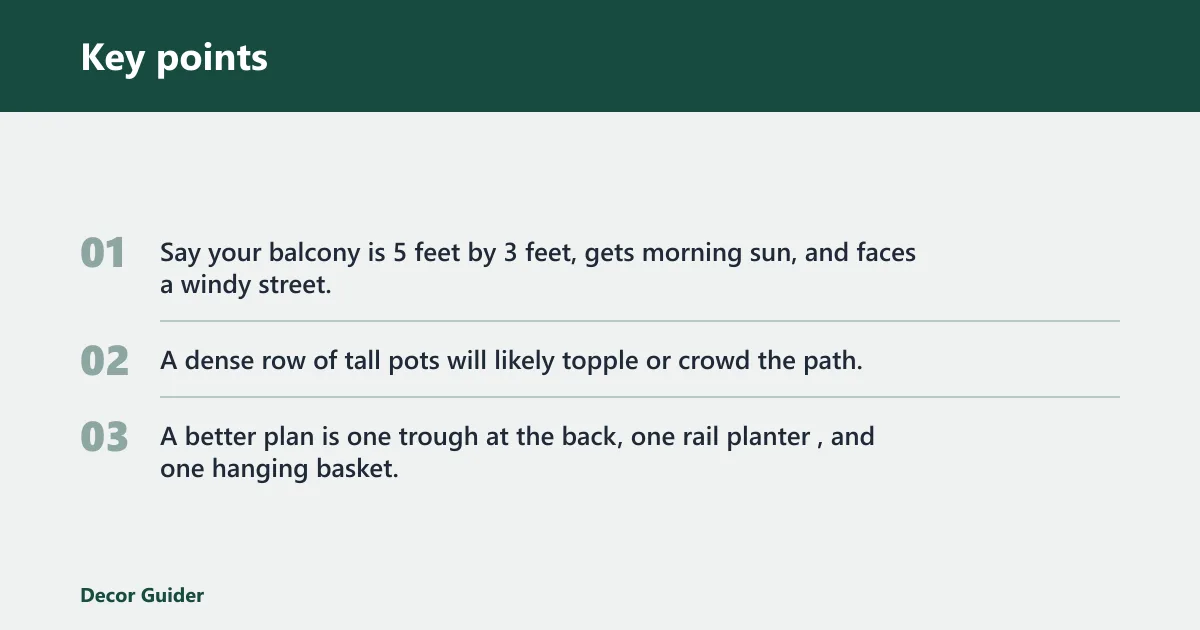
Say your balcony is 5 feet by 3 feet, gets morning sun, and faces a windy street. A dense row of tall pots will likely topple or crowd the path. A better plan is one trough at the back, one rail planter, and one hanging basket, with compact plants that tolerate some drought.
How do you map balcony zones?
A common planning approach is to use four zones so the balcony feels planned instead of crowded. The back wall holds the tallest containers, the rail zone handles slim planters, the floor zone stays open for walking, and the vertical zone adds height without eating usable space. That structure also helps watering and maintenance.
Back wall zone for tall containers
Place heavier pots near the wall or in corners, where wind is usually less severe. This is the right place for upright plants, small shrubs, or a screen of foliage if privacy matters. Keep enough clearance so leaves do not rub against glass or railings.
Rail zone for planters and boxes
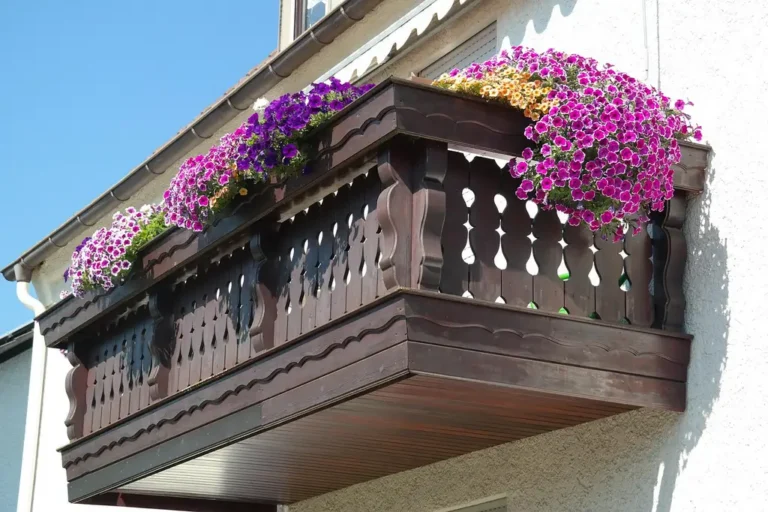
Use railing planters, troughs, or window boxes that fit the rail profile and leave drainage holes unobstructed. Rail-friendly sizes matter because a box that is too wide or too deep can look bulky and add unnecessary weight. For exposed balconies, choose lower, denser plantings rather than tall, top-heavy stems. A secure rail planter also reduces clutter on the walking surface.
Floor zone for stands and grouped pots
Reserve the floor for the fewest, most stable pieces. An outdoor plant stand with a corner or staircase style can hold several containers in a small footprint, and lightweight material keeps the setup easier to move. Choose indoor-outdoor use if the stand may come inside during storms.
Vertical zone for hanging or tiered displays
Vertical gardening uses walls, rails, and tiered displays to add plants without blocking circulation. Hanging baskets can create a feature when styled at different heights against a bare wall. Use a safe mounting point, and avoid placing baskets where dripping water will hit seating or electrical fixtures.
How do you pick the right containers?
Different containers solve different balcony problems. Balcony planter, hanging basket, window box, and outdoor plant stand each affect weight, water retention, and how much room the balcony still has for movement. Pick the container to fit the exposure, not the other way around.
Balcony planter size, depth, and weight
Choose balcony planters with drainage holes, a rail-friendly width, and enough depth for roots without excess bulk. Wider containers hold more soil and moisture, but they also weigh more. Material matters too: lightweight resin, fiberglass, or plastic is easier to manage than heavy ceramic when wind is a concern.
Hanging basket placement and support
Hang baskets where they get the right sun exposure and where a safe mounting point can bear the load. Multiple height levels give a bare wall more visual depth. Pick plants with moderate water needs or a liner that helps water retention, because hanging baskets dry faster in heat and wind.
Window box fit and drainage
Window boxes work best when the railing or ledge fit is stable and the profile stays narrow enough for the balcony. They are useful for herbs and trailing flowers because they use the edge efficiently. Check that drainage holes are clear and that runoff will not drip onto an entry path or neighbor below.
Outdoor plant stand shape and material
Corner and staircase styles are practical because they stack plants upward without claiming much floor area. Multi-tier capacity helps you separate tall, medium, and trailing plants. Lightweight material is easier for renters, and indoor-outdoor use makes it simpler to shift pieces when weather turns rough.
How do you choose plants by microclimate?
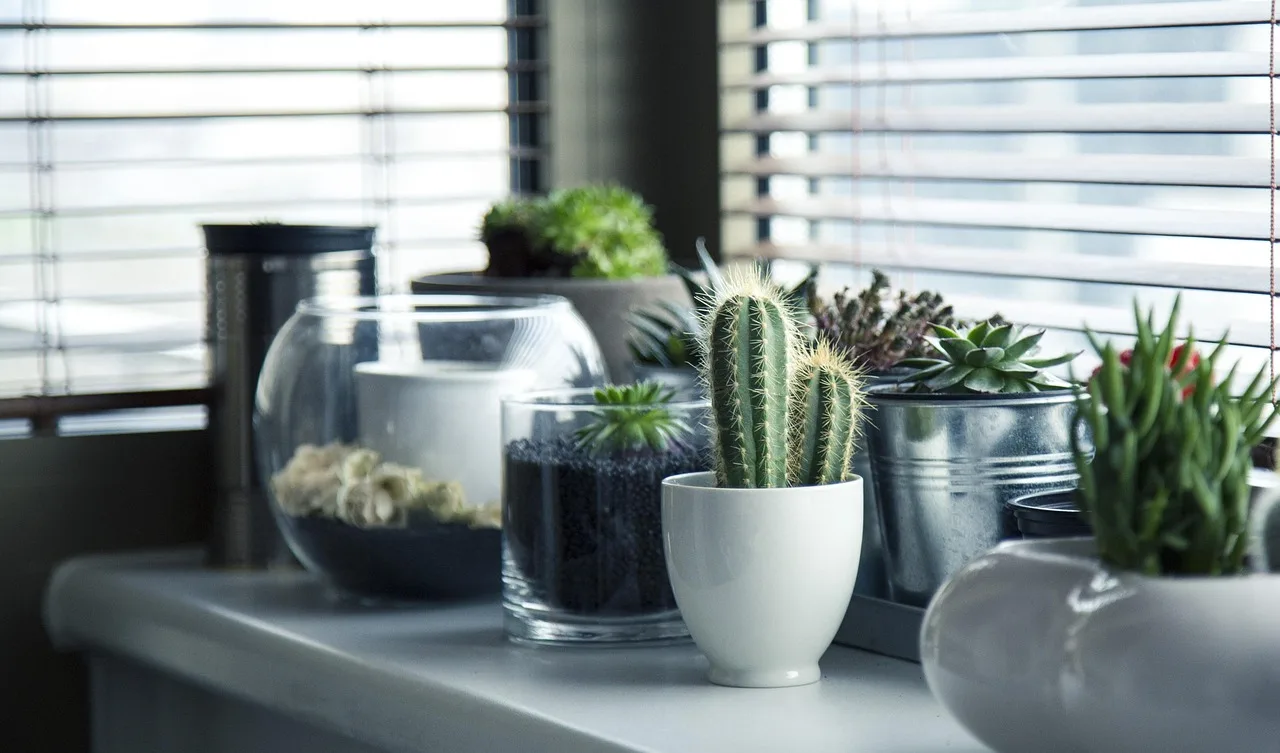
Match plants to light, wind, and moisture first. Sunny balconies can suit petunias or marigolds, and herbs suggested for sunny balconies include basil, lavender, sage, and rosemary. Shade-tolerant suggestions include fatsia, bamboos, and hostas. Geraniums are widely used in Mediterranean climates, but that is not a universal recommendation; their success still depends on local sun, heat, and watering conditions.
Full sun plant choices
For full sun, look for plants that handle heat and brief drying between waterings. Petunias, marigolds, geraniums, and several herbs fit bright conditions. On balconies with strong reflected heat, choose plants with some drought tolerance and keep them slightly set back from glass or hot masonry. When choosing by species, check reputable nursery or extension notes for sun hours and heat tolerance.
Shade-tolerant plant choices
For shady balconies, choose plants that hold color and form in lower light. Hostas, fatsia, and bamboos are reliable starting points, especially where winter sun is limited or absent. Shade plants still need air movement, so keep spacing open enough to reduce mildew and leaf damage. Plant tags and extension guides are the best quick checks for deep-shade versus part-shade needs.
Wind-tough and drought-tolerant picks
Lower-lying plants are safer in exposed spots. Begonias are presented as lower-lying and less likely to break in wind, which makes them useful where gusts are common. In windier sites, use heavier or wider containers, avoid tall spindly stems, and place the most fragile plants behind a rail or in a corner.
Scented herbs and near-door plants
Scented plants work best near the balcony door or seating edge, where brushing past them releases fragrance. Basil, lavender, sage, and rosemary bring seasonal interest and practical use, while still fitting into compact spaces. Put the most fragrant pots close enough to notice, but not where they block the threshold.
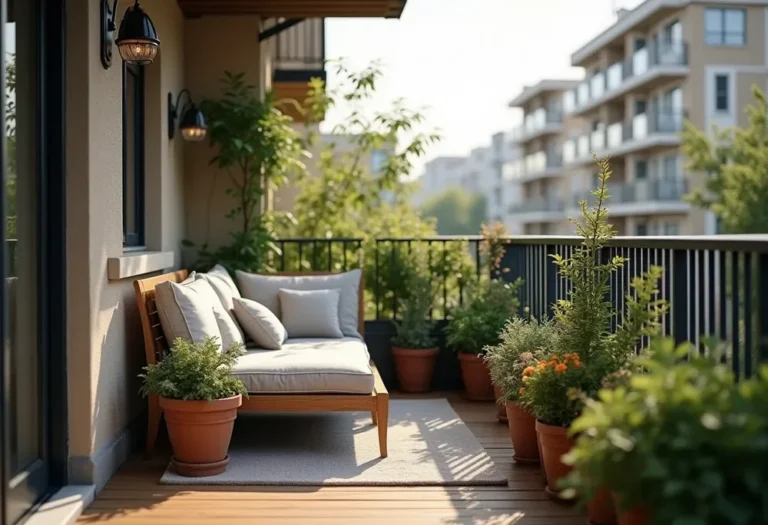
A small balcony looks best when every pot has a job. Keep the layout to one anchor container, one rail or window box, and one vertical element, then stop. Use multifunctional furniture when space is limited, and a stool can function as both seating and a small table if a pot cluster leaves little room. For a small patio, the same rule applies: fewer, better-placed containers beat a crowded mix.
Step-by-step balcony plant layout
- Measure the usable floor area and mark the walk path.
- Set the heaviest pots first in the back wall zone or corners.
- Place rail planters or window boxes next, keeping drainage clear.
- Add one hanging basket or one tiered stand for vertical interest.
- Leave a clear strip for watering can trips and runoff management.
- Top up each pot with soil in 2-inch increments, then recheck weight and drainage before adding more.
Suppose a 6-foot-long balcony has a door on one side and a railing on the other. Three medium pots, one rail box, and one hanging basket may be enough. Add a sixth container only if the walkway still clears comfortably and the balcony can handle the added weight when all pots are wet.
How do you decorate a patio with plants?
Use the same zoning idea: back edge for the largest pots, outer edge for trailing or lower planters, and a vertical piece if the wall is bare. On patios, larger floor space allows more grouped containers, but the planting still looks better when heights vary and pathways stay open. For a patio with plants, start with one focal grouping and repeat the same pot material or color so the layout feels deliberate.
How do you decorate a deck with plants?
Decks often allow more volume than balconies, so the main questions are weight distribution, rail exposure, and moisture around the boards. Place heavier containers where support is strongest, use feet or trays that prevent standing water, and keep the edge clear enough for movement. A deck with plants usually works best when low, stable containers anchor the design and taller pieces stay sheltered.
How do you decorate a balcony without soil?
You can still create a balcony that reads as intentional by using containers, textile pieces, and vertical structure without living plants. A gravel-free setup avoids soil mess, and balcony gardens have no soil, so the space can stay clean even if you use empty planters, trays, or decorative pots as structure. For a balcony without soil, choose materials that suggest planting without requiring irrigation or cleanup.
Alternative setup ideas
Use one outdoor rug, one stool, and one cushion box to add function without crowding the floor. A cushion box is a flexible solution for a small outdoor area, and it can hold tools or covers when the weather changes. Empty window boxes and hanging baskets can still frame the balcony edge.
Frequently asked questions
How many plants can I put on a balcony?
A common starting point is 3 to 5 plants on a small balcony, 5 to 8 on a medium one, and 8 to 12 on a large balcony. Reduce those counts if wind is strong or if you need a wide walking path. Wet soil also adds weight, so leave room for watering and runoff.
What plants are best for a sunny balcony
Sunny balconies can suit petunias, marigolds, geraniums, basil, lavender, sage, and rosemary. Put heat-loving plants in the brightest spots and keep more delicate herbs slightly protected from reflected heat. If wind is strong, choose shorter, denser varieties and heavier containers.
What plants are best for a shady balcony
Shade-tolerant suggestions include fatsia, bamboos, and hostas. Use larger leaves and layered placement to add presence in lower light. Avoid crowding, because shady balconies often stay damp longer after watering and need more air movement to prevent leaf problems.
How do I decorate a patio with potted plants?
Use the same zoning idea: back edge for the largest pots, outer edge for trailing or lower planters, and a vertical piece if the wall is bare. On patios, larger floor space allows more grouped containers, but the planting still looks better when heights vary and pathways stay open.
How do I decorate a terrace with plants?
Terraces can handle broader planting groups, so mix troughs, window boxes, and stands to create layers. Keep wind exposure in mind, because higher terraces often face stronger gusts. Use wider, heavier containers near exposed edges and lighter pieces closer to the wall or door.
Products related to this article
Sponsored / affiliate links. As an Amazon Associate I earn from qualifying purchases. I may earn additional commission from eligible campaigns.