How Much Does It Cost to Decorate a Balcony?
A basic balcony refresh is often around $150 to $800, while a fuller setup with outdoor seating, lighting, and planters can run about $900 to $2,500+, depending on size and material choices. Spend on the wrong pieces, and you end up with a cramped balcony, weather-damaged decor, or items you rarely use. This guide breaks costs into must-have, nice-to-have, and skip-it items so you can budget by balcony size and constraints.
Typical cost range
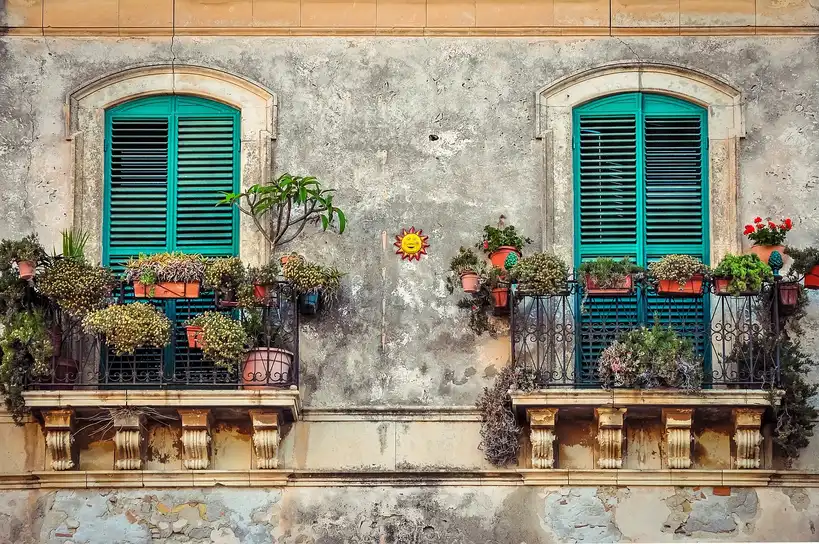


A realistic decorating budget starts with the pieces that make the balcony usable: seating, a small table, lighting, and a few planters. For many small balconies, the total is often around $150 to $800 for a simple refresh, and can rise faster when better materials, privacy pieces, or floor coverage are added. For safety, keep weight and drainage in view from the start; balcony and deck guidance from building-safety and code resources emphasizes load awareness and water management before you add heavy furnishings or flooring.
Typical budget bands for a cosmetic refresh
If your goal is a cleaner, more comfortable space rather than a full rebuild, a low-cost setup can work with foldable seating, battery LED candles, a few containers, and one accent rug. Mid-range budgets usually buy weather-resistant furniture, outdoor-safe lights, a larger planter mix, and a privacy screen that fits the railing. A practical pattern for a tiny balcony is to spend first on one foldable chair and one compact table, then add comfort pieces only after the layout proves workable.
Higher budgets go into larger seating, better finishes, more coverage, or removable flooring. Seating usually takes the biggest share of spend, especially when you move from a folding chair to a bistro set or a lounger. Retailer listings from brands such as IKEA, Home Depot, and Wayfair consistently show that weather-resistant seating, bistro tables, and outdoor-rated lighting are the main cost drivers in balcony refreshes.
What changes the total most
Size, weather exposure, and weight limits shape the bill faster than style does. Small balcony floor space is often under 40 square feet, so one oversized chair can force you into a higher-cost compact piece that fits the walkway. Sun, wind, and rain also push you toward stronger materials and better fasteners. For load and attachment questions, building-code and property-management guidance is the best reference point, not guesswork, because even small planters can become a problem once soil is wet.
House rules matter too. Lease terms, HOA rules, and building policies can limit drilling, railing attachments, or visible screens. That can move you from a cheap clamp-on solution to a pricier freestanding option. If the balcony is exposed to wind or rain, choose products rated for outdoor use and secure them per manufacturer instructions from reputable retailers and safety guidance such as UL Solutions for electrical products.
Decorating costs versus structural costs
Decorating is not the same as adding a balcony, resurfacing a slab, or paying for major repairs. Structural work belongs in a different budget line entirely, because it can involve permits, labor, engineering, and building approval. A decor budget should cover removable or cosmetic items only.
House Beautiful says balconies need careful attention to drainage and overall weight, which is another reason to separate soft decor from structural work. If the surface needs repair, or if water pools after rain, treat that as a building issue before you spend on furniture. For drainage concerns, code-oriented guidance from the International Code Council and local building departments is the right place to start, since ponding water can signal a problem with slope or waterproofing rather than a decor issue.
Balcony budget planner
| Item | Under $150 | $150–$500 | $500+ | Total budget range | What to cut first |
|---|---|---|---|---|---|
| Seating | Folding chair or compact stool | Folding bistro set or stackable pair | Lounger or higher-end bistro set | $40–$900+ | Second seat, then upgrade fabric |
| Table | Wall shelf or small folding side table | Compact bistro table | Larger table or nesting set | $25–$300+ | Extra surface area |
| Lighting | Battery LED candles or basic solar string lights | Longer string lights or plug-in light set | Layered lighting with outdoor-rated fixtures | $15–$250+ | Decorative extras before task lighting |
| Planters | One or two small pots | Rail planters, hanging baskets, or troughs | Full container mix with larger pots and troughs | $20–$400+ | Ornamental containers before plant count |
| Rug | Small accent rug | Weather-resistant rug sized to zones | Large rug covering most of the floor | $30–$250+ | Full-floor coverage |
| Privacy screen | Simple fabric panel or partial cover | Railing-height reed, slat, or fabric screen | Wind-resistant full-coverage screen | $20–$300+ | Extra height or decorative trim |
| Flooring | One accent zone or mat | Partial interlocking deck tiles | Full removable tile coverage | $30–$600+ | Full coverage before seating |
| Total | $150–$300 | $500–$1,500 | $1,500–$3,000+ | $150–$3,000+ | Cut accessories, then floor extras |
What should you buy first?
Start with the pieces that change how usable the balcony feels: seating, a small surface, and lighting. After that, add privacy, planters, and soft decor only if the layout still has room. That order keeps you from spending on items that crowd the floor or get used rarely. For a compact balcony, that usually means one chair, one table, and one light source before anything decorative.
Anchor pieces that take the biggest share
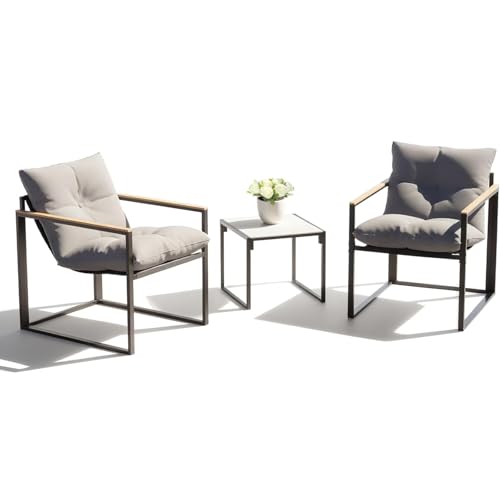
Seating usually absorbs the most money because good balcony pieces need to be compact, weather-resistant, and stable. A folding bistro set is a classic small-balcony dining setup, and stackable pieces can help if you need occasional extra seating. Powder-coated finishes matter because bare metal rusts fast on exposed balconies. Retailer specs from outdoor furniture sellers commonly note frame materials, UV resistance, and stackability, which are the features that keep a small purchase from becoming a fast replacement.
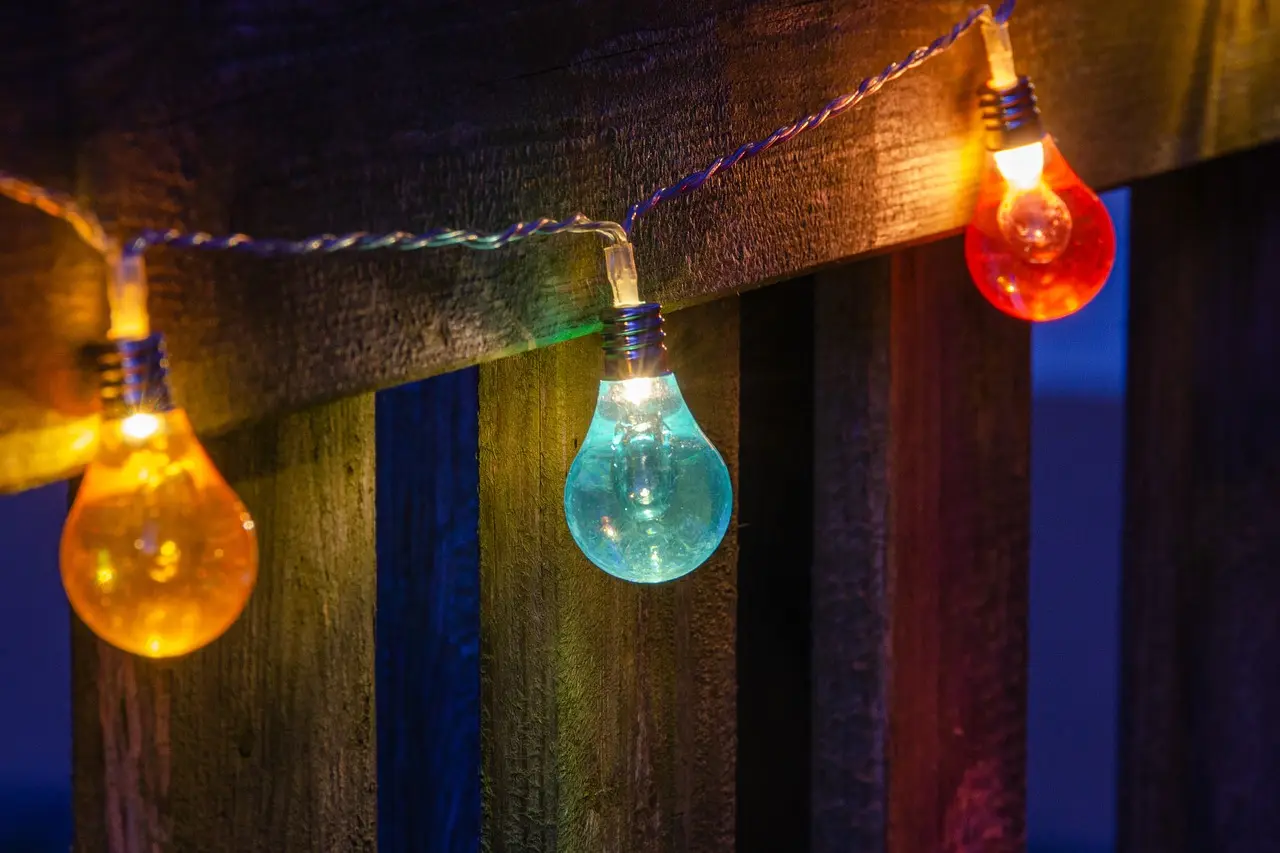
For lighting, solar-powered string lights need a few hours of direct sun to charge. Battery-powered LED candles are a safer option than real flame, and warm-white bulbs read cozier than cool white or color-changing LEDs. Use outdoor-safe installation methods, especially if cords cross a walking path. For electrical safety, choose outdoor-rated products and follow manufacturer instructions; UL Solutions and similar certification guidance are the right place to verify outdoor use.
Items to add only if space and budget allow
Rugs, privacy screens, and floor tiles all improve comfort, but they are easier to cut if the budget climbs. They also depend on the balcony footprint. A rug that is too large can block drainage or swallow the remaining walkway, while full-floor tiles can crowd a tiny balcony fast.
For example, say the balcony is about 6 by 5 feet. A compact folding bistro chair pair and a small round table may fit well, but a lounger plus full rug plus planters can leave no clear route to the door. In that case, cutting the rug or choosing one chair can protect both comfort and budget. Balcony retailers often list exact product dimensions, so it is worth matching those measurements to your walkway before checkout.
What to cut first when costs climb
First cut decorative extras: throw pillows, lantern clusters, extra cushions, and seasonal swaps. Then reduce the size or quantity of planters. If you still need savings, move from a full screen to partial coverage or from full-floor tiles to one accent zone.
Sarah Hermans advises splurging on seating and cutting back on curtains and pillows. That advice fits small balconies well, because cushions are easy to replace later, while a bad chair or table choice can waste both space and money.
How do balcony size and load limits affect cost?
Balcony size and load rules can change cost more than style does. A small balcony often needs compact, foldable, or stackable furniture, while a larger terrace can support more pieces and broader zoning. Weight limits can vary by building and should be checked before adding heavy items. Building-safety guidance and property documents are the best sources for those limits, because they are tied to the structure, not to decor trends.
Tiny apartment balconies versus larger terraces
On a very small balcony, every item needs to earn its spot. That usually means a folding table, one chair, one narrow planter, and possibly a slim screen. Larger terraces can support more seating, more plant mass, and broader flooring coverage, but the budget rises with every extra square foot covered.
A common first-timer mistake is buying oversized furniture first and solving the layout later. That usually leads to returns, replacement costs, or items that sit in storage because they block the door or the railing. A measured layout sketch, even a simple floor plan using the balcony’s exact dimensions, helps avoid that waste.
Clear walkway and folding-furniture planning
Leave a clear walkway to the door and any drain. Folding or stackable furniture helps you preserve that route without giving up seating. For a small balcony, that can be the difference between a usable setup and a cluttered one.
Use vertical space, not just the floor. The same source recommends using the verticals on a balcony, which can move some storage and planting off the ground and free up room for movement. Rail-mounted planters and wall shelves are especially useful when the floor area is under about 40 square feet.
Weight limits, drainage, and wind exposure
Drainage and overall weight matter because water adds mass fast. Wet soil, ceramic pots, and thick flooring systems can all add load. Heavier planters should be used with caution, especially on older or smaller structures. If the balcony stays damp after rain, prioritize drainage-friendly choices and avoid heavy containers that hold standing water; the code and building-maintenance guidance for decks and balconies treats water management as a structural concern, not a style detail.
Wind exposure also changes what you should buy. Reed and fabric screens can move or billow if they are not secured well, while slat and slotted styles may handle airflow better when attached properly. If the balcony is exposed, wind resistance matters as much as appearance. In windy spots, lighter decor may need ties, clips, or heavier bases to keep it from shifting or tipping.
Cost by balcony category
Seating and table costs
Seating is the biggest budget item for most balconies. A basic folding chair or stool can keep spend low, while a bistro set usually pushes the total upward because it changes both the material quality and the footprint. Loungers cost more and need more floor room, so they are usually a better fit for larger balconies than for under-40-square-foot spaces.
The table should match the seating, not overwhelm it. Small folding tables and wall-mounted surfaces are the best fit for tight balconies because they preserve circulation space. Product dimensions matter here more than brand names; a table that is even a few inches too deep can block the door swing or reduce the usable walkway.
Lighting, rugs, and privacy screens
Lighting is one of the lowest-cost upgrades with the biggest visual effect. Solar string lights are cheap to run, but they need sunlight to charge. Plug-in lights offer more reliable output if an outdoor-safe outlet is available, while battery LED candles work well for a soft glow without flame. For electrical safety, use outdoor-rated fixtures, outdoor-rated extension cords where permitted, and weather-protected outlets or covers as required by code and manufacturer guidance.
Outdoor rugs and privacy screens sit in the middle of the budget range. Choose a weather-resistant fiber rug with low-pile or quick-dry construction so it dries faster after rain. Pick the rug size based on the balcony footprint, not the room inside your home. Privacy screens should match railing height and coverage needs, with renter-friendly attachment where drilling is not allowed.
Planters, flooring, and accessories
Planters can stay inexpensive if you choose simple pots or rail planters, but the cost rises when you move to larger troughs, multiple containers, or decorative finishes. Container gardening can use pots, troughs, hanging baskets, and window boxes, and some balcony planters are made to fit onto balcony railings. Extension-garden guidance consistently recommends matching container size to plant needs and drainage capacity, because oversized or poorly drained containers can become heavy quickly.
Flooring is where budgets can jump quickly. Interlocking deck tiles and other removable options can work for renters, but full coverage costs more than one accent zone. Add accessories last: cushions, throws, lanterns, and small side tables are the easiest pieces to swap seasonally.
Can you decorate a balcony on a renter-friendly budget?
Yes. A renter-friendly balcony budget can stay low if you use removable pieces, non-drill mounting, and small furniture that fits the railing and door layout. The best low-commitment options are folding seating, clamp-on or rail-mounted planters, battery lights, and a screen that attaches without permanent changes. This is usually the easiest path when a lease limits drilling or adhesives.
Removable flooring and non-drill mounting
Interlocking deck tiles are a common renter-friendly floor option because they can be removed later. That said, they should still be chosen with drainage, weight, and cleaning in mind. Full-floor systems cost more, so many renters do better with a partial zone under the chair set or table.
For mounting, use products that attach to the railing or stand on their own if the lease forbids screws, adhesives, or drilling. Always confirm building rules before buying hardware that cannot be returned. Manufacturer instructions and landlord/HOA rules should be checked before installation, especially for anything that carries weight or wind load.
Low-commitment privacy and lighting options
Fabric screens, reed panels, and slotted covers can all work if they fit the railing and do not catch too much wind. A lighter screen costs less, but it may need better fastening. For lighting, battery LED candles and solar string lights are both easy to remove later and do not require electrical work.
Seasonal swaps that keep spend down
Use cushions, throws, and lanterns as the rotating layer, not the fixed layer. Those pieces are cheaper to replace than furniture or flooring, and they let you change the look without rebuilding the setup. That approach also reduces waste when weather changes.
How much does it cost to redo a balcony?
“Redo” can mean anything from a decor reset to a near-total refresh. If you are only replacing worn soft goods and a few small pieces, the cost may stay close to the lower refresh range. If you are changing furniture, flooring, privacy, and planters at once, the total can move into the upper end quickly.
For a true rework of the space, budget for the items that change function first, then the items that change appearance. That usually means seating, table, flooring, privacy, lighting, and containers in that order. A measured before-and-after budget split helps here: one budget for core function, and one for decorative finishing touches.
Frequently asked questions
How much does it cost to decorate a balcony?
Small balconies cost less only if you keep furniture compact and avoid full-surface upgrades.
What is the cheapest way to decorate a balcony?
The cheapest approach is a folding chair or small bistro set, battery LED candles or simple solar lights, one or two planters, and a few cushions. Skip flooring and full privacy screens at first. That keeps the space usable while staying close to the lowest budget band.
How much should I budget for balcony furniture and lighting?
For furniture and lighting alone, a lean budget can start around $75 to $250 if basic folding pieces and simple lights are used. A more comfortable setup often lands around $250 to $700 once a better table, sturdier seating, and outdoor-safe lighting with a warmer tone are added.
What costs the most when decorating a balcony?
Seating usually costs the most, especially if you choose a bistro set or lounger instead of a single folding chair. Full-floor tiles, large planters, and better weather-resistant materials can also raise the total fast. Privacy screens and rugs usually sit below furniture in total spend.
How do balcony size, weather, and weight limits affect cost?
Small balconies often need compact, space-saving pieces, which can either lower cost or raise it if you need specialty sizes. Windy or wet balconies need stronger materials, better fastening, and faster-drying fabrics. Weight limits can rule out heavy pots or large flooring systems, so check them before buying.
How much does it cost to add a balcony to your house?
Adding a balcony to a house is a structural project, not a decorating one. Costs depend on engineering, permits, framing, waterproofing, and finish work, so they sit far above decor budgets. If that is the real goal, you need a builder’s estimate, not a furnishing budget.
How much does it cost to design a pitch deck?
That is a business presentation cost, not a balcony cost. If you meant a deck in the outdoor-building sense, design work is still separate from decorating and usually tied to structural planning. For balcony decor, stick to removable furniture, lighting, planters, rugs, and privacy pieces.
Products related to this article
Sponsored / affiliate links. As an Amazon Associate I earn from qualifying purchases. I may earn additional commission from eligible campaigns.