Balcony Railing Planter Worth It? Review and Verdict
A balcony railing planter is usually worth it only if your rail accepts its clamp or brackets, the planter’s weight stays within the rail’s limit, and your balcony gets several hours of usable light. Pick the wrong fit and you can end up with a loose planter, blocked door swing, wind damage, or dead plants. This guide covers rail measurements, wind exposure, watering needs, view impact, and better alternatives when a railing planter is a bad buy.
Verdict

- Fits rails and fences up to 6.5 inches wide
- Powder-coated metal frame for outdoor use
- Coco liner helps airflow and moisture retention
For small apartments, the value is practical, not decorative. A railing planter works best when the floor is crowded, the rail shape matches the hardware, and you want herbs or flowers near the light. It is weakest on exposed, windy balconies, on rails that do not match the bracket geometry, and in buildings where scratches or overspill are likely to cause trouble.
Pros and cons
- Pros: Uses balcony floor space efficiently; keeps plants closer to sun; can suit flowers, herbs, and compact vegetables; many designs use brackets that adapt to different rail widths.
- Cons: Fit is easy to get wrong; wind can move lightweight planters; drainage can spill onto neighbors or your own floor; some mounting styles can scratch wood or painted metal rails.
Who it’s for
This suits apartment and small-balcony owners who need to keep the floor clear and have a railing that can safely take a clamp, hook, saddle, or bracket. It is less suitable if your railing is too narrow, too thick, oddly shaped, shared, or subject to building rules against hanging hardware.
Suppose your balcony has a 2-inch metal rail, a sunny exposure, and no floor space for a pot. A railing planter can make sense. Suppose the same balcony is on a windy upper floor with a painted wood rail and a strict lease. The risk rises fast.
📊 The HFHome planter fits 2.1 to 6.3 inches. Source: The Best Railing Planters, Tested and Reviewed.
Specs at a glance
A railing planter is a compact container that mounts to a balcony rail instead of sitting on the floor. The best choice depends less on style and more on fit, drainage, and how the mounting hardware handles wind, rail shape, and weight.
| Spec | What to check | Why it matters |
|---|---|---|
| Common lengths | 16 inches, 24 inches, 36 inches | Longer boxes hold more soil and plants, but add weight and can project farther from the rail. |
| Fit ranges | 0 to 6.5 inches; 1.25 to 3.875 inches; up to 5.5 inches on flat rails | Rail width must match the bracket or clamp range before you buy. |
| Mounting styles | Saddle, hooks, brackets, adjustable arms | Each style handles rail shape differently and changes how much anti-tilt support you get. |
| Materials | Metal, plastic, HDPE resin, coco liner setups | Material changes drainage, weight, scratch risk, and how much upkeep the planter needs. |
| Drainage features | Drain holes, liner, self-watering reservoir | Poor drainage can spill onto the balcony below or drown roots after rain. |
| Stability features | Anti-tilt design, secure brackets, weight support | Wind exposure can tip or shift lightweight planters if the mount is loose or shallow. |
Common size examples and fit ranges
Examples from current listings show how much the fit range can vary. The Voxor planter fits railings from 0 to 6.5 inches wide and measures 24 inches long by 6.89 inches wide by 6.1 inches tall. The Emsco Group planter fits 1.25-inch to 3.875-inch wood or metal railings. The Dahey planter fits railings up to 2.7 inches wide.
Other examples show how dimensions affect use. The Root & Vessel planter measures 24 inches long by 12 inches wide by 10 inches tall, which gives more soil volume but also more weight. The Veradek planter is 36 inches long by 10 inches wide by 9 inches tall, while the LaLa Green wall planters are 16 inches long by 6.5 inches wide by 7 inches tall.
Who it is for
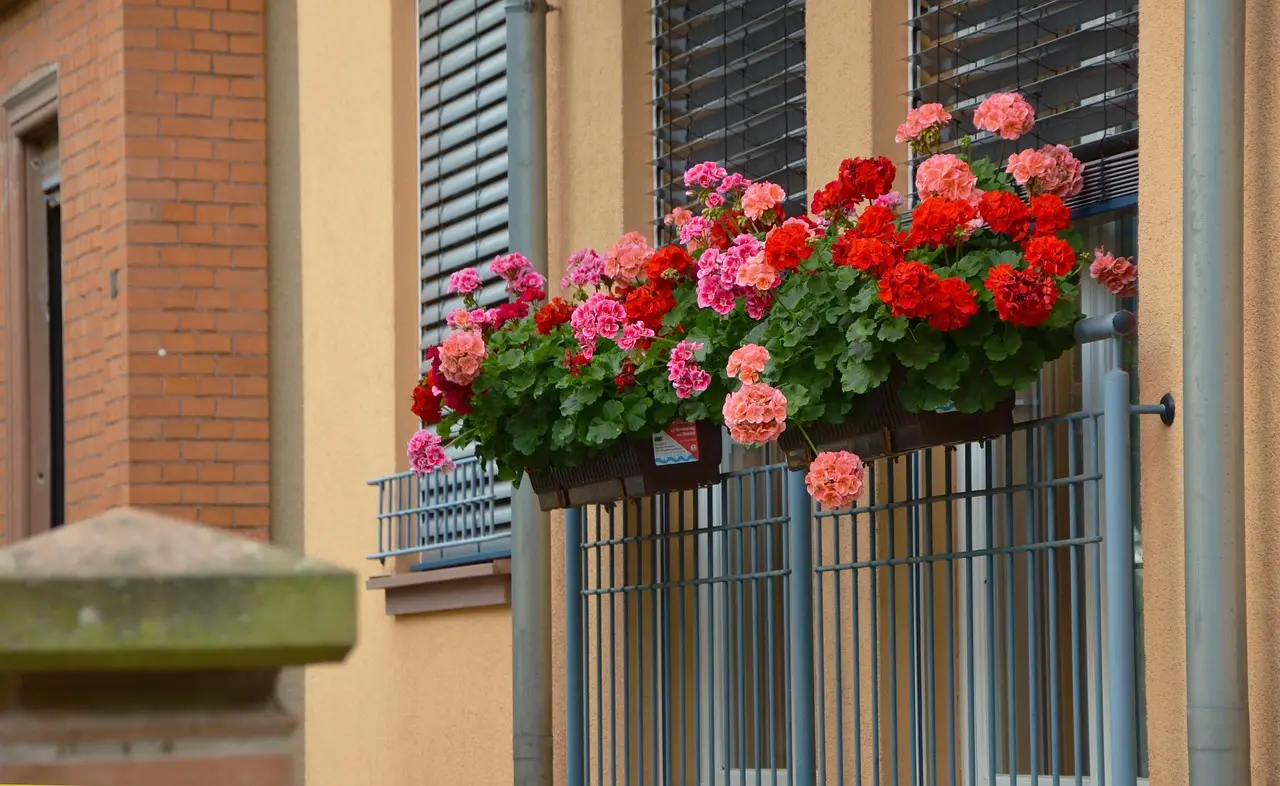
A railing planter is for people who want plants without giving up floor space. It is most useful on narrow balconies, especially where a chair, side table, or storage bin already eats most of the usable area. It also works for growers who want herbs or flowers close to the light and easy to reach.
Small-balcony owners who need to save floor space
Rail-mounted planters solve one obvious problem: they move the container off the floor. That matters if you still need room to walk, open a door, or place a cafe table. House Beautiful also recommends cafe table sets and rail planters for small balconies, which points to the same tradeoff: small footprint, added function.
Renters and shared-building residents
Renters need to think beyond plant size. Check lease rules, shared-building policies, and whether any hardware can scratch the rail or leave marks. If drilling is not allowed, look for non-permanent mounting only, and avoid any bracket that slides loosely or depends on a finish that may chip.
People growing herbs, flowers, or small vegetables
Railing planters work best for size-appropriate plants. Herbs, compact flowers, succulents, and small vegetables are the usual fit because they can live in limited soil volume. Bigger vegetables need deeper root space than many rail boxes can provide, so container size matters more than the label on the planter.
What works
The best part of a railing planter is not style. It is efficient use of airspace. When the rail is compatible, the planter can free the floor while putting foliage where it gets sunlight and visibility. A decent mount also keeps pots from crowding the walking path.
Mounting options that fit different rail types
Saddle planters usually straddle the rail and can feel stable when the rail width matches the design. Hooks are simple, but they depend on the hook shape and can sit awkwardly on some square or round rails. Brackets often give better support and anti-tilt control. Adjustable arms can help when the rail size is uncertain, especially on mixed square, round, or flat rails.
Metal planters often pair with a coco liner. The liner improves airflow and helps retain soil while still draining, which is useful if you want the look of a metal box without turning it into a wet bucket. Plastic and HDPE resin planters are usually lighter, which helps with installation, but they can shift more in wind if the mounting system is weak.
Drainage and watering setups that reduce upkeep
Coco liners can improve drainage and reduce compaction, but they do not eliminate spill risk. Water still has to go somewhere. If the balcony is below another unit, drainage holes need to be positioned carefully, or you need a reservoir style that controls runoff better than an open-bottom box.
Self-watering planters use a reservoir or self-watering system to reduce watering frequency. That makes sense on hot, sunny balconies where containers dry quickly. It is less helpful if the balcony gets regular rain and wind-driven water, because too much moisture can still overflow the planter or keep roots too wet.
Installation basics
- Measure the rail width first.
- Check the rail shape: square, round, flat, wood, or metal.
- Match the planter to the exact bracket range.
- Confirm the planter has anti-tilt support or a secure saddle design.
- Leave room for door swing, cleanup, and plant growth.
What does not
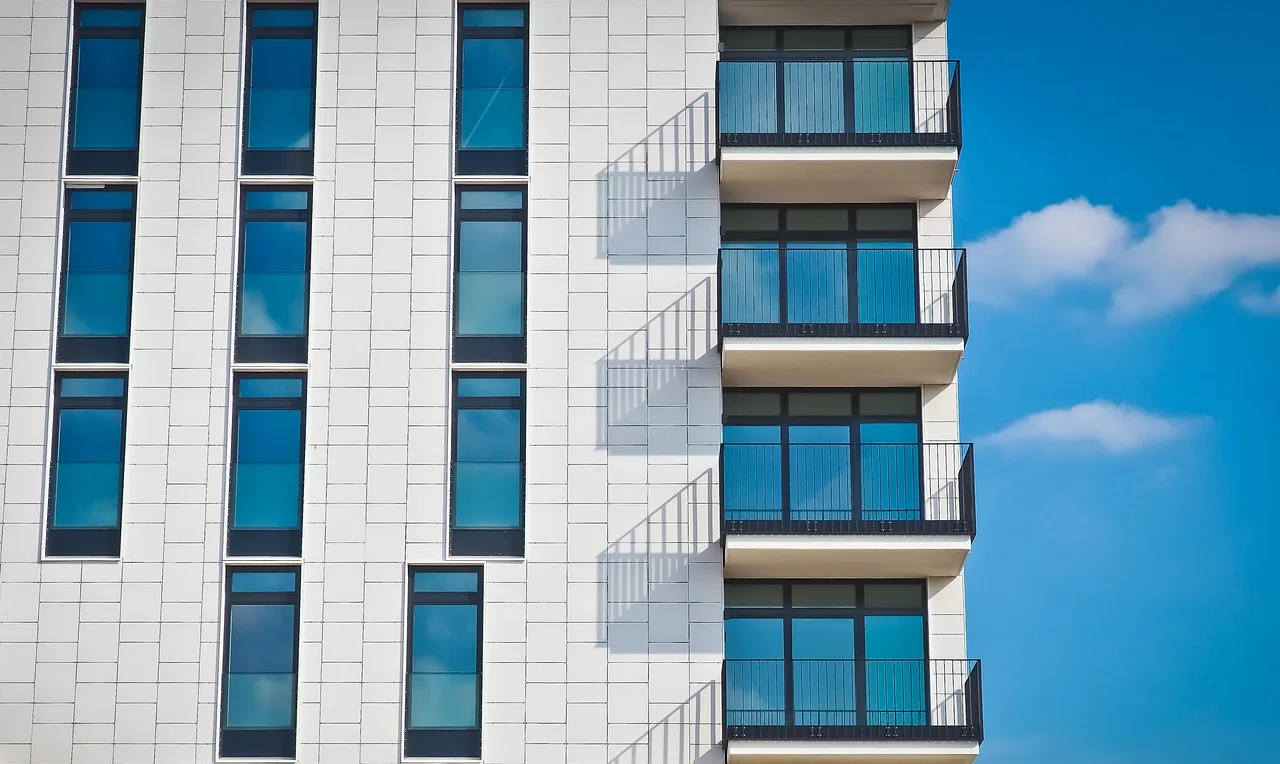
The main failure is fit. A planter can look fine in photos and still sit crooked, slip, or fail to grip the rail. Wind, spillover, and scratch risk are the other frequent problems. If any of those are likely on your balcony, the value drops fast.
Fit problems with rail width and shape
Rail width is the first check, not the last. A planter that works on a 0 to 6.5-inch range will not automatically fit every rail inside that span if the shape is unusual or the mounting hardware is shallow. Flat rails, square rails, and round rails can all need different contact points and clamp geometry.
Wind, tipping, and spillover risk
Outdoor wind exposure matters because lightweight planters can move, bounce, or tip if the bracket is weak. A planter that overhangs too far from the rail acts like a lever in gusts. Drainage holes that are fine in calm weather can become a mess in heavy rain or when the planter is watered too quickly.
Scratch risk and renter limitations
Wood and painted metal rails can scratch if the mount lacks padding or the planter shifts over time. That is more than a cosmetic issue for renters or shared buildings. If the hardware needs tightening after weather changes, that maintenance burden may not be worth the plant space gained.
How do you know if your railing will fit?
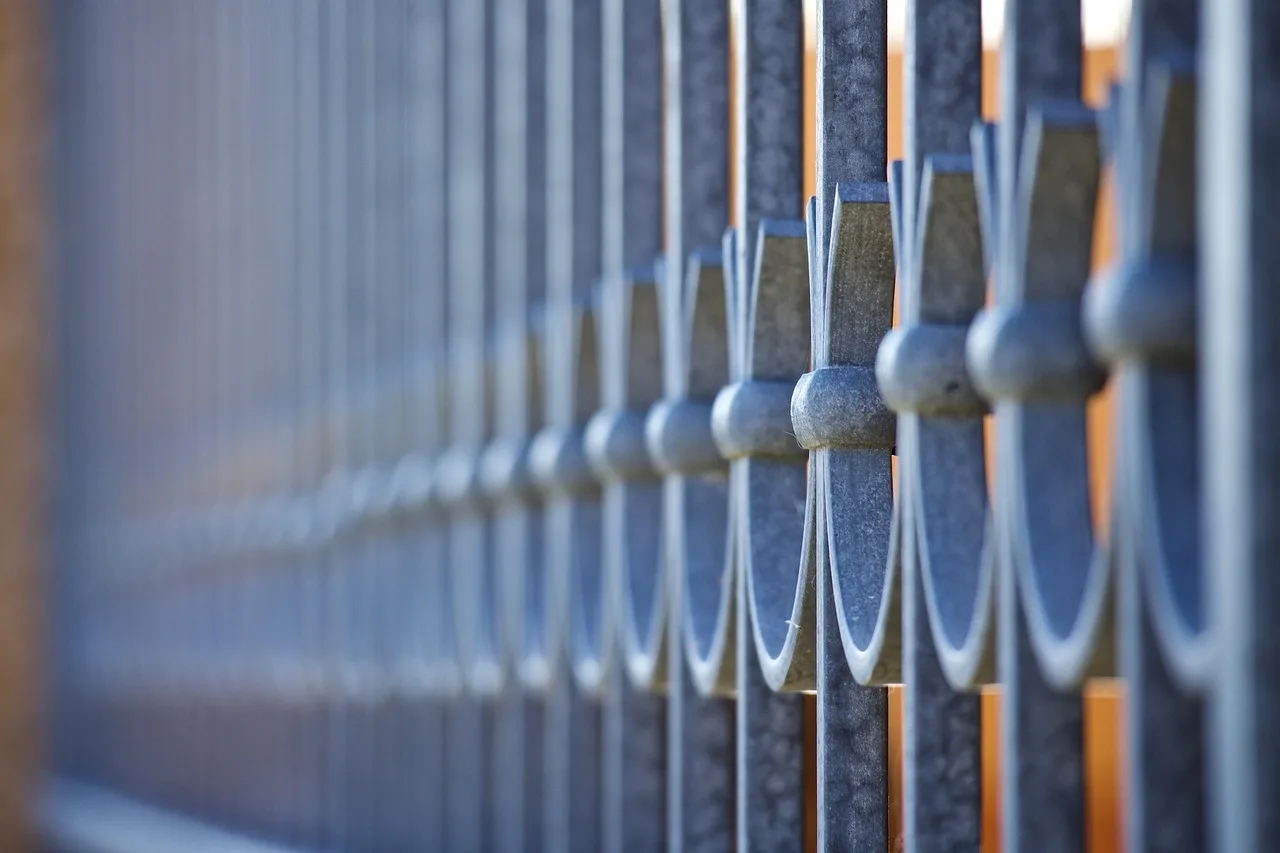
You know a railing planter will fit only after you measure the rail width, confirm the shape, and compare both against the planter’s stated range. Width alone is not enough. Square, round, flat, wood, and metal rails all change how the bracket sits and how stable the planter feels once loaded.
Measure rail width before buying
Use the full width of the rail, not a guess from the balcony door. Many planters list a fit range such as 1.25 to 3.875 inches, 0 to 6.5 inches, or up to 5.5 inches for flat rails. If your rail sits near the top end, check whether the mounting system still leaves room for padding and a secure grip.
Check rail material and shape
Wood and metal behave differently. Wood can be easier to mark, while metal can be harder-edged and more slippery depending on finish. Flat rails often suit saddles or brackets with broad contact. Round rails may need hooks or adjustable arms that wrap securely without wobble.
Look for adjustable versus fixed brackets
Adjustable brackets are usually better when the rail dimensions are uncertain or vary slightly across the balcony. Fixed brackets can be sturdier when the rail is exactly the right size. Anti-tilt design matters because a planter full of damp soil puts more load on the outer edge than many buyers expect.
Decision table
| Scenario | Worth-it? | Rail-width check | Drainage risk | Maintenance level |
|---|---|---|---|---|
| Sunny exposed balcony | Conditional | Measure carefully; use only a rated adjustable bracket or self-watering model that matches the rail exactly. | Medium to high, because fast drying can tempt overwatering and windy rain can spill runoff. | High, because watering and wind checks are frequent. |
| Shaded windy balcony | Not worth-it | Only consider it if the rail is a perfect fit and the mount has anti-tilt support. | Medium, with added tipping risk from gusts and slow drying after rain. | High, because loose fittings and plant stress need repeated checks. |
| Renter-friendly narrow balcony | Conditional | Choose a non-drilling design that matches the exact rail width and leaves no scrape points. | Medium, because runoff can bother neighbors or the floor below. | Medium, if the planter is light and easy to remove. |
| Herb-growing balcony | Worth-it | Best when the rail fits a compact box with steady support and enough depth for roots. | Low to medium, depending on whether you use a liner or self-watering system. | Medium, since herbs still need regular trimming and watering checks. |
What are the best alternatives?
The best alternative depends on what problem the railing planter is supposed to solve. If the issue is floor space, hanging planters, window boxes, and floor planters each solve that in a different way. The right choice is the one that fits your balcony’s structure with the least risk.
Hanging planters

- Designed to maximize growing space
- Useful for porch, patio, or apartment use
- Hook fits rails up to 2.7 inches
Dahey’s 15-inch metal hanging flower pots suit rails up to 2.7 inches wide, so they work when the rail is narrow and the mounting point is simple. Based on the spec sheet and reviews, the tradeoff is smaller size and more dependence on a secure hook, which can be less forgiving in wind than a deeper saddle planter.
Window boxes

- Built-in water reservoir extends time between watering
- Water-level indicator shows when to refill
- Invisible support brackets keep the look clean
Lechuza’s BALCONERA Color 50 is a self-watering window box with an internal reservoir and water-level indicator, which makes it useful when you want less frequent watering on a sunny balcony. The drawback is that self-watering systems still need correct setup and can be overkill for low-light balconies that stay damp longer.
Floor planters for tight balconies
If your rail is awkward or your building forbids mounted hardware, a floor planter may be safer. This Old House recommends outdoor rugs and artificial turf for balcony floors, which can help define a small space without attaching anything to the rail. The tradeoff is obvious: you give up floor area.
Should you buy it?
Buy a balcony railing planter if it solves a real space problem, fits your rail exactly, and matches your light and watering conditions. Skip it if the balcony is too windy, the rail is an awkward shape, or the installation risks scratches, leaks, or rule violations. That is the cleanest buying rule.
Cost, maintenance, and ownership tradeoff
The purchase price is only part of the cost. You also need soil, a liner if the planter uses one, replacement plants, and time spent checking drainage and tightness. If the planter causes overspill or plant loss, the true cost rises quickly. A lower-price planter that fits badly is often more expensive in practice.
Final buying rule
Choose a railing planter only when the rail width, rail shape, mounting style, and plant choice all line up. If any one of those is uncertain, compare it against a hanging planter, window box, or floor planter instead. That is usually the faster route to a balcony that stays usable and looks intentional.
Frequently asked questions
Are balcony railing planters worth it for a small apartment balcony?
Yes, if floor space is tight and your railing can support the mount. They are most worth it on balconies that get enough light and where the planter will not block a doorway or create spillover problems. If fit or wind is questionable, the value drops sharply.
What should I know before buying a balcony railing planter?
Measure rail width, check the rail shape, confirm the mounting style, and think about drainage before anything else. Also review building or lease rules. A planter that fits in theory can still scratch a rail, tilt in wind, or drip water where it should not.
How do railing planters attach to a balcony railing?
Most attach with saddles, hooks, brackets, or adjustable arms. Saddles straddle the rail, hooks hang from it, brackets clamp or support the box, and adjustable arms fit a wider range of rails. The safest style is the one that matches your exact rail shape and width.
Will a railing planter fit my balcony railing size?
Only if the planter’s stated fit range matches your measured rail width. Common examples include 0 to 6.5 inches, 1.25 to 3.875 inches, and up to 5.5 inches for flat rails. Shape matters too, because a round rail and a square rail do not behave the same.
Do railing planters drain well in heavy rain or wind?
They can, but only if the drainage design is appropriate and the planter is mounted securely. Open drainage helps roots, yet it can also create runoff and mess during storms. In windy conditions, lightweight planters may shift, so drainage and stability need to be considered together.
What plants grow best in railing planters?
Flowers, herbs, succulents, and small vegetables are the best fits because they usually suit limited soil depth and width. Larger crops need more root room than many railing boxes can provide. Match the plant to the container’s actual soil volume, not just the visible length.
Products related to this article
Sponsored / affiliate links. As an Amazon Associate I earn from qualifying purchases. I may earn additional commission from eligible campaigns.