Balcony Garden Boxes vs Rail Planters: Which Fits?
Balcony garden boxes are the safer pick when the railing is weak, the balcony slab has limited weight capacity, or privacy matters most; rail planters win only when the railing is rated for clamped or hung loads and the floor needs to stay clear. Pick the wrong format and you can overload a balcony, scratch the rail, or still end up exposed. I compare weight, mounting fit, drainage, and screening every time I plan a balcony setup, because those are the points that fail first.
Balcony garden boxes vs rail planters: the real trade-off
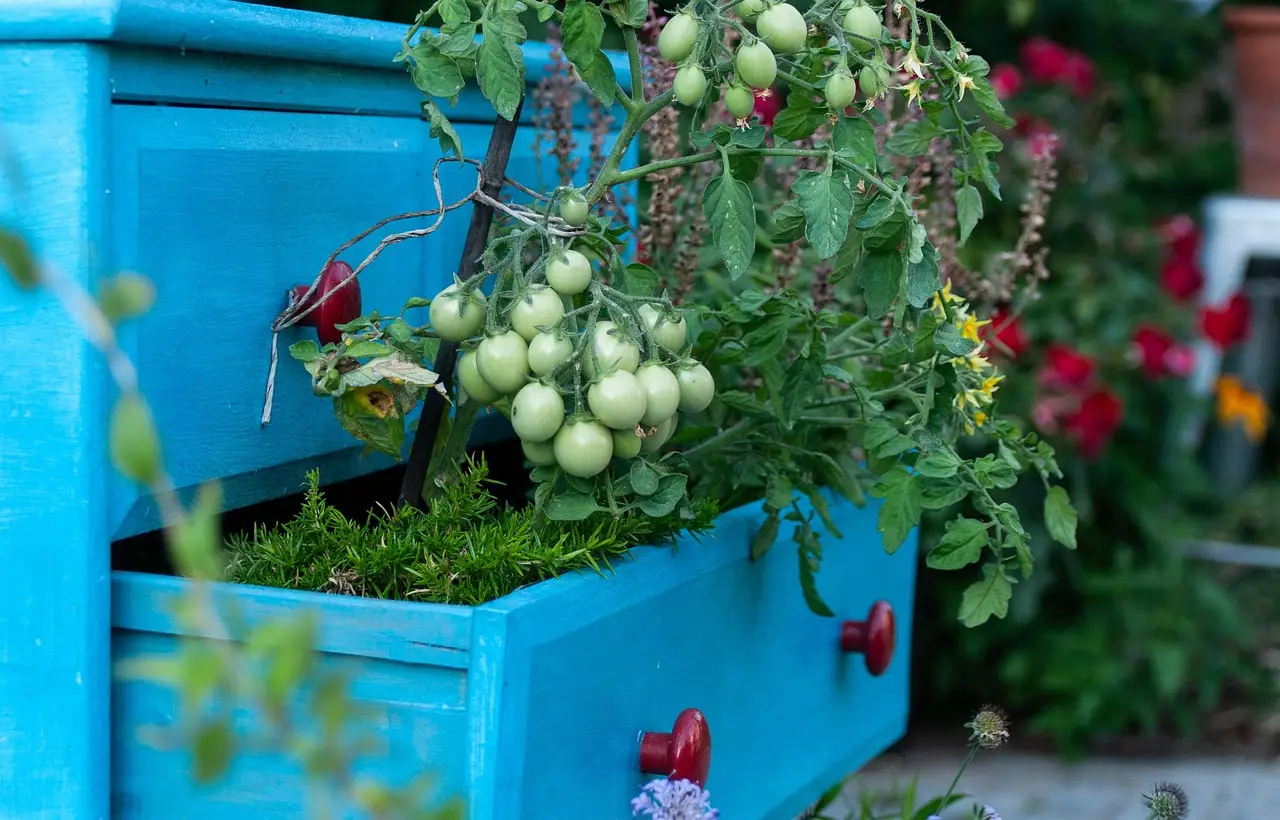


The core trade-off is simple: balcony garden boxes give more soil volume and privacy, while rail planters save floor space and mount off the deck. That difference matters more than appearance, because wet soil weight, railing compatibility, and wind exposure decide whether a planter is practical or risky on a specific balcony.
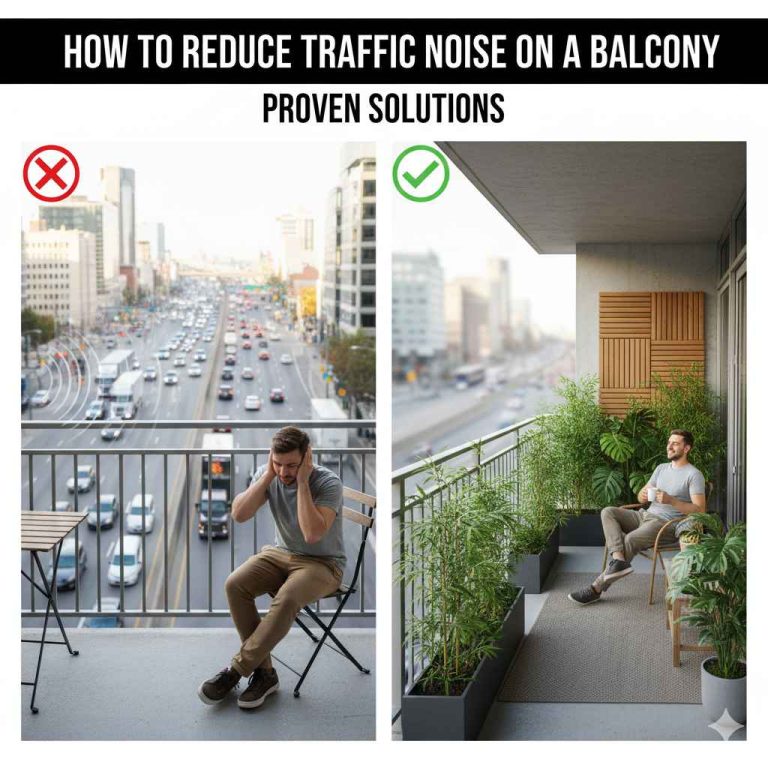
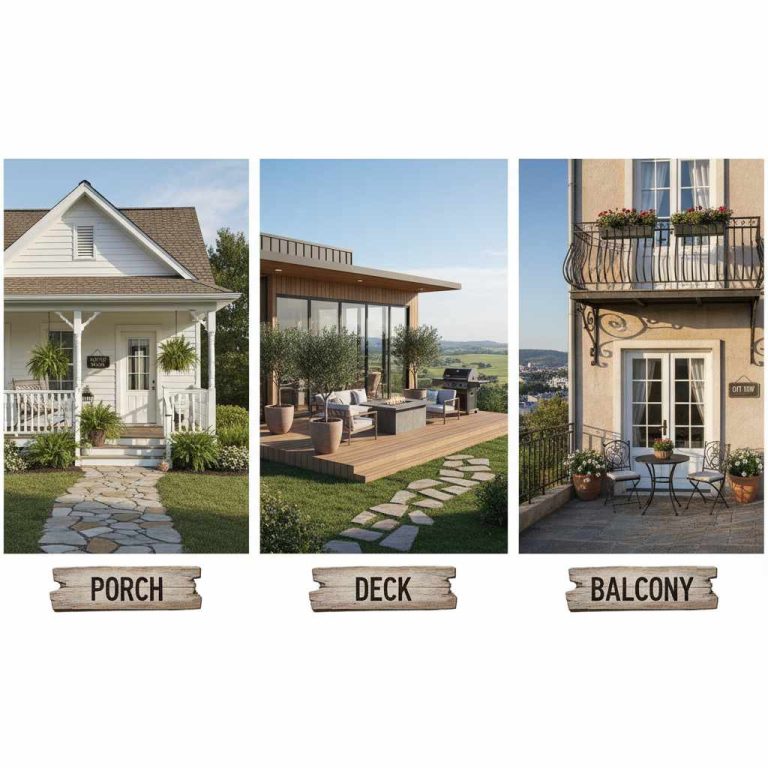
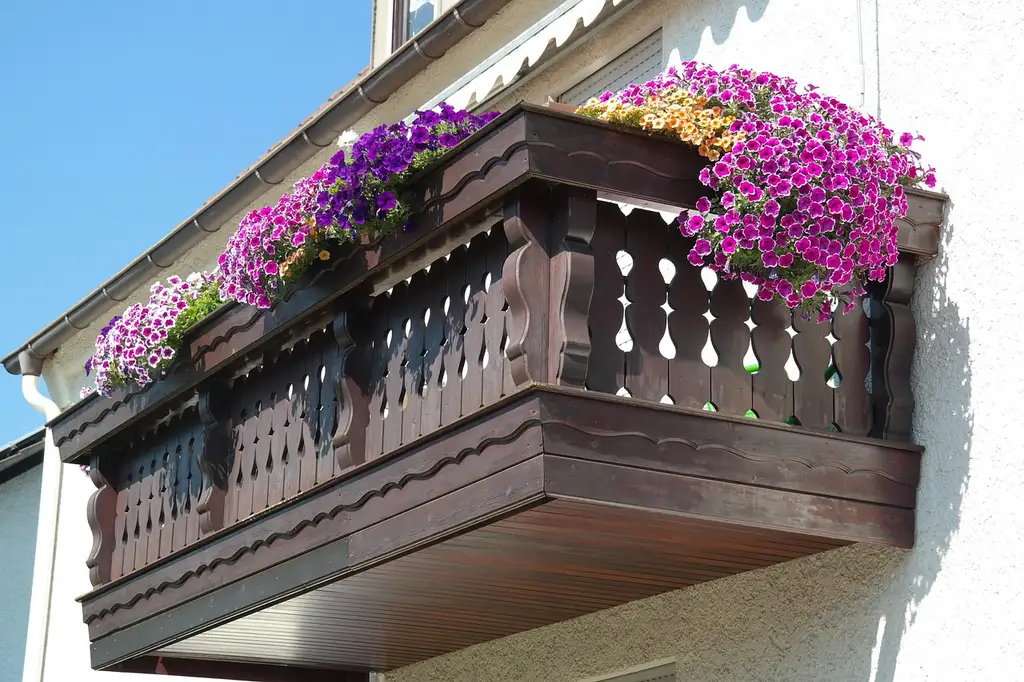
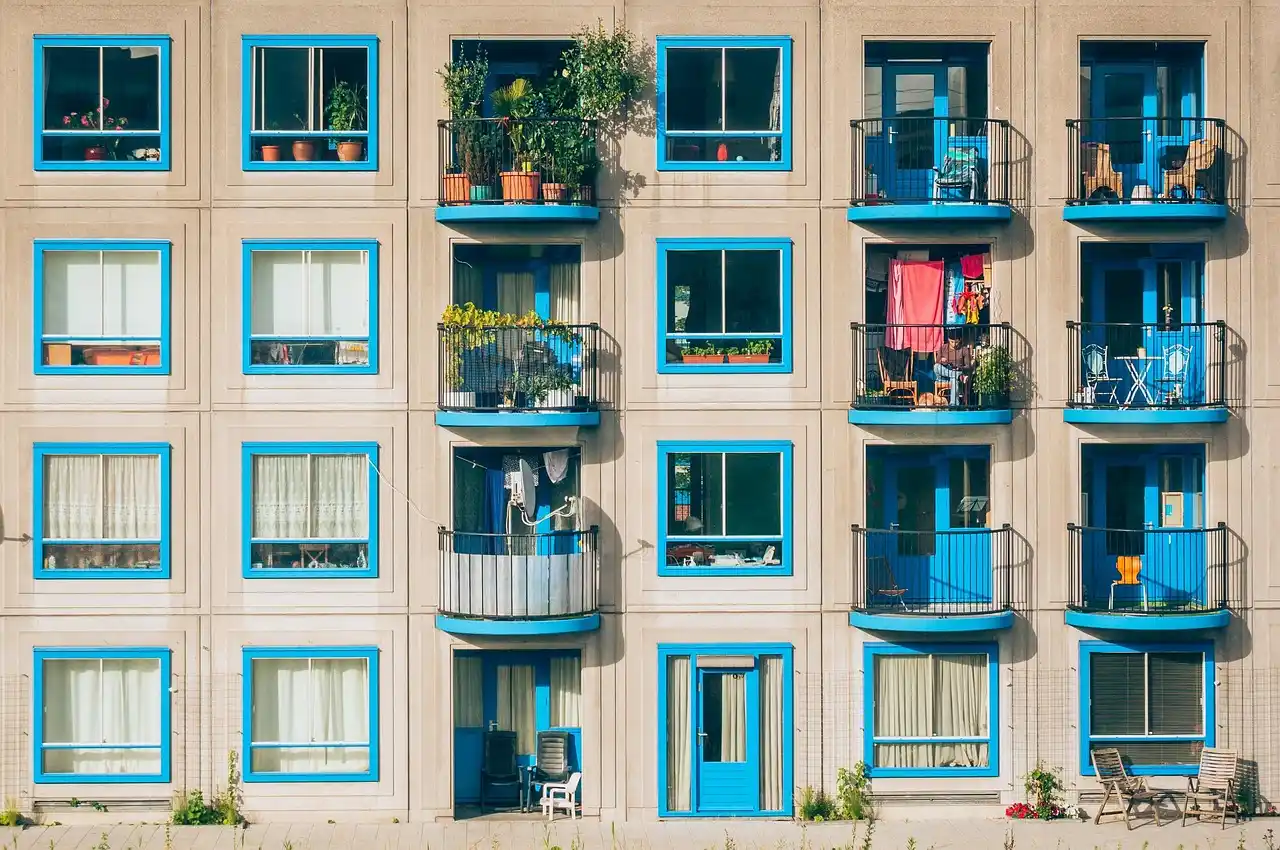
Balconies typically project from a building wall and are enclosed with a balustrade, and they are commonly found on multi-level houses, apartments and buildings. They provide an area of outside space, and they can help provide light and ventilation. On that kind of site, planter choice affects safety as much as style.
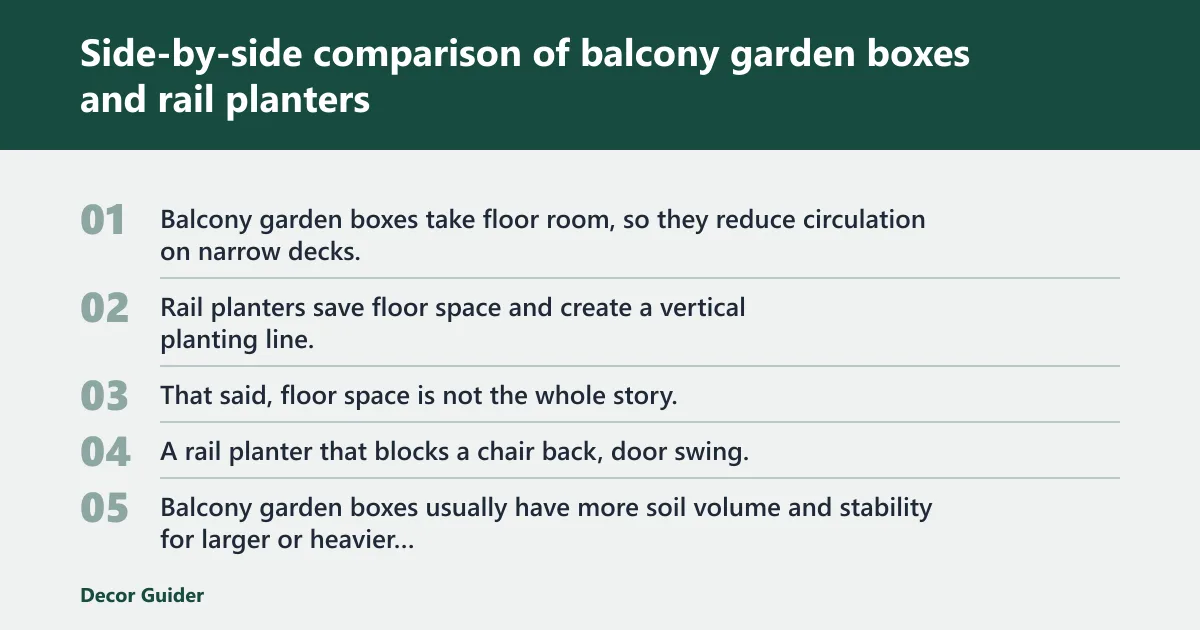
Side-by-side comparison of balcony garden boxes and rail planters
| Decision factor | Balcony Garden Boxes | Rail Planters | Winner |
|---|---|---|---|
| Footprint | Uses floor area; larger boxes occupy more usable balcony space | Mounts on the railing and keeps the floor open | Rail Planters |
| Soil capacity | Usually holds more soil volume for larger roots | Limited by rail size and mounting geometry | Balcony Garden Boxes |
| Wet weight and load balance | Can place heavier load on the slab, but weight sits lower and is easier to stabilize | Loads the railing, which can create torque and uneven force if poorly balanced | Balcony Garden Boxes |
| Railing fit | Often avoids railing fit issues if freestanding; railing-compatible models still need fit checks | Depends on rail thickness, rail shape, and mount style | Balcony Garden Boxes |
| Wind exposure | Less uplift risk when placed low and sheltered | More exposed to gusts because it sits at rail height | Balcony Garden Boxes |
| Privacy value | Can screen sightlines with taller or trailing plants | Creates rail-height screening without using floor space | Tie |
Footprint and usable growing space
Balcony garden boxes take floor room, so they reduce circulation on narrow decks. Rail planters save floor space and create a vertical planting line, which is why they fit apartments and homes with limited square footage so well.
That said, floor space is not the whole story. A rail planter that blocks a chair back, door swing, or safety clearance can be less practical than a modest box placed against a wall.
Wet weight, load balance, and drainage
Balcony garden boxes usually have more soil volume and stability for larger or heavier plants, but that also means more wet-soil load on the slab. Rail planters often look lighter, yet the real stress can be higher at the attachment point because the container hangs away from the railing.
Drainage matters either way. Drainage holes, liners, and reservoirs help manage runoff, but a tray or reservoir is not a cure for oversaturation. If water has nowhere to go, the balcony gets messy and the roots suffer.
Mounting method, railing fit, and scratch risk
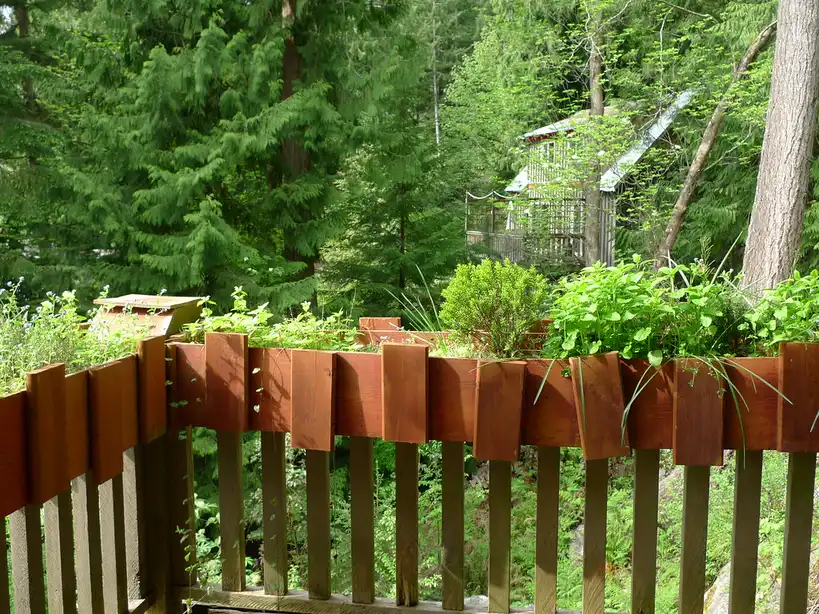
Rail planters are specifically engineered to attach securely to balcony or deck railings, but the mount style has to match the rail. Top-rail, hook, and straddle mounts all behave differently, and each one can fail if the rail is too thick, too thin, round, square, or oddly shaped.
Railing brackets and hooks should offer adjustable fit, low-tool installation, rust resistance, and anti-scratch protection. If the bracket leaves metal-on-metal contact or sits loosely, the planter can creep, tip, or scuff the rail finish.
Privacy coverage and view impact
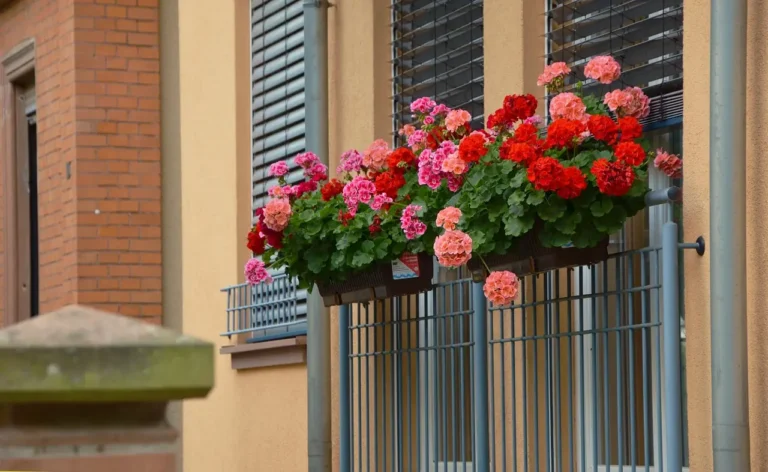
Privacy planting works well in both formats, but the trade-off is different. Balcony boxes can hold taller plants or fuller trailing growth for screening, while rail planters give rail-height coverage without eating floor space.
The catch is daylight and view. A dense screen can reduce privacy concerns, but it can also block breeze, light, and the view that made the balcony pleasant in the first place.
Best plant types for each option
Balcony garden boxes fit larger herbs, compact vegetables, heavier flowers, and privacy plantings that need deeper roots or more stable support. Rail planters are usually better for shallow-rooted herbs, small flowers, succulents, and trailing plants that benefit from rail-height exposure.
For balcony plants, lightweight container soil helps keep load down while still holding moisture and draining well enough for herbs and flowers. Standard potting mixes can hold more water and add more weight when wet, so they need more caution on high, exposed, or weak balconies.
Are balcony garden boxes better than rail planters?
Balcony garden boxes are better when root room, stability, or screening matters more than floor savings. Rail planters are better when the railing is suitable, the balcony is small, and the goal is to keep the walking area open while still growing plants at rail height.
When larger soil volume helps plant health
More soil volume gives roots a bigger buffer against heat and drying. That matters for vegetables, fuller flowers, and plants that dry out quickly, especially because containers under 6 to 8 inches across dry out too fast.
A deeper box also gives more room for drainage holes and moisture buffering. For heavy feeders and larger plants, that extra volume is often worth the footprint.
When floor space or wind exposure makes boxes harder to use
Boxes become harder to use on narrow balconies, especially where chairs, grills, or walking clearance already compete for space. They also need more wind protection if they sit high and exposed, because broad container surfaces can shift or tip if not weighted and placed carefully.
Do rail planters save more space than balcony boxes?
Yes, rail planters usually save more floor space because they attach to the railing instead of sitting on the deck. The real limit is not the planter’s footprint; it is rail clearance, door swing, and whether the mount fits the balcony shape without interfering with use.
How much floor space each option actually uses
A balcony box occupies slab area and can be moved only by lifting or sliding. A rail planter shifts the load outward, which frees the floor for seating or foot traffic but adds a new spatial demand at the railing itself.
That trade works best where the railing is sturdy and the balcony is narrow. On a wide terrace, the space savings may matter less than ease of watering and stability.
When wall and rail clearance become the limiting factor
Some balconies have walls, posts, or irregular rails that block mounts or leave too little clearance for hooks. In those cases, a freestanding box may actually be simpler and safer, even though it takes more floor room.
Mounting and compatibility checks before you buy
Rail thickness, shape, and material checks
Can I use rail planters on any balcony railing? No. Rail thickness, material, and shape decide whether the planter is compatible, and atypical rails often rule out hook or straddle mounts unless the bracket is adjustable.
Round rails, wider caps, decorative balusters, and oversized top rails can all affect the fit. If the mount cannot clamp squarely, the planter may tilt or scrape the finish.
Top-rail, hook, and straddle mounts
Top-rail mounts sit over the railing cap and tend to work best when the top rail has a consistent width. Hook mounts hang from the rail and need enough depth to stay in place. Straddle mounts grip from both sides and often feel more stable, but they still depend on the rail profile.
No-drill rental setups are realistic when the planter is truly built for that kind of attachment. If the bracket needs force, improvised padding, or a loose fit, it is the wrong choice for a rental balcony.
Railing brackets, anti-scratch pads, and rust resistance
Look for brackets with adjustable fit, anti-scratch pads, and corrosion-resistant hardware. Those details matter because a planter that shifts in wind can wear through cheap coating fast.
Tool-free or low-tool installation is useful, but convenience should never replace fit. A secure bracket beats a fast one every time.
Which is safer for apartment balconies, rail planters or boxes?
Balcony garden boxes are generally safer when the railing has not been tested, the balcony’s load capacity is uncertain, or the planter may need to hold heavier wet soil. Rail planters are usually safer when the railing is sturdy and the mount fits correctly, and when the planter can balance its weight without twisting the rail or sliding in wind.
Balcony load capacity and wet soil weight
Wet soil is the real load many people miss. A planter that feels manageable when dry can become noticeably heavier after watering, and that added weight matters more on older slabs, smaller balconies, and railing attachments.
Mounting a container on the railing changes the safety question. Instead of only loading the floor, the setup loads the rail, the bracket, and the fasteners in a way that can magnify movement.
Drainage holes, liners, and runoff control
Container drainage should start with holes, then use liners or reservoirs only if they still allow excess water to escape. Good drainage prevents oversaturation, root stress, and puddles on flooring such as area rugs, artificial turf, tile, or wooden tiles.
A runoff tray can help catch drips, but it cannot rescue a badly drained planter. If the mix stays soggy, the plant health problem remains.
Wind uplift, tipping, and uneven loading
Rail planters face more wind uplift because they sit higher and farther from the balcony structure. If a planter is top-heavy, overfilled on one side, or loosely attached, gusts can shift it or tip it outward.
Balcony boxes are less exposed to uplift, but they can still tip if tall plants sit in a light container. Weight balance and placement matter in both formats.
Which option is better for herbs, flowers, or vegetables?
Rail planters are usually better for herbs and small flowers because they keep the floor open and place the foliage where it gets light. Balcony garden boxes are usually better for heavier flowers and vegetables that need more soil volume, steadier moisture, and stronger root support.
Herbs
Herbs often do well in either format, but lightweight container soil helps keep them manageable on railings and small balconies. Shallow-rooted herbs are a good match for rail planters if the rail is compatible and the watering routine is steady.
Flowers
Trailing flowers work especially well in rail planters when the goal is a rail-height display. Heavier flowering plants usually perform better in balcony boxes because the extra soil volume supports bloom production and reduces drying swings.
Vegetables
Vegetables generally favor balcony garden boxes because they need more root room and more stable moisture. Small salad crops and compact varieties can work in rail planters, but larger crops belong in boxes with proper drainage and sturdier support.
How much soil do balcony garden boxes hold compared with rail planters?
Balcony garden boxes usually hold more soil than rail planters because they are built with a larger base and more depth. That extra volume supports bigger roots, more stable watering, and heavier plants, while rail planters trade soil space for a smaller, hanging footprint.
Soil volume versus footprint
For the same balcony area, a box can carry more growing media because it uses the floor plane instead of rail hardware. Rail planters are constrained by the railing and by the need to keep the weight balanced on the attachment point.
That is why a rail planter can look efficient while still limiting plant size. The shape is compact, but the soil volume is usually modest.
Lightweight container soil and planting success
Lightweight container soil is useful when balcony load needs to stay down. It still needs enough moisture retention for herbs and flowers, but it should drain well enough that water does not pool after every watering.
Standard potting mixes can be better for larger boxes when the balcony and structure can handle the wet weight. The choice should follow plant size and load tolerance, not just price or convenience.
What should I check before mounting a planter on a balcony railing?
Before mounting a planter, check rail thickness, rail material, rail shape, bracket style, load stability, and whether the building allows clamp-on or hung accessories. If the mount does not fit cleanly, skip it. A secure fit matters more than saving a few inches of floor space.
Safety checklist
- Confirm the balcony rules allow railing-mounted containers.
- Measure rail thickness and rail profile before buying brackets.
- Check that the mount style matches the rail: top-rail, hook, or straddle.
- Look for anti-scratch protection and rust-resistant hardware.
- Use drainage holes and a plan for runoff control.
- Keep wet soil weight within what the railing and slab can reasonably handle.
- Set tall or trailing plants where wind will not pull the container outward.
Proof table: which planter wins each balcony scenario?
| Scenario | Balcony Garden Boxes | Rail Planters | Winner |
|---|---|---|---|
| Narrow rental balcony | Takes floor space and may crowd movement | Leaves the floor open and suits no-drill setups when the rail fits | Rail Planters |
| Windy high-rise | Sits lower and is less exposed to uplift | More exposed to gusts at rail height | Balcony Garden Boxes |
| Herb garden | Works well, especially for mixed herbs with deeper roots | Works well for shallow-rooted herbs and easy access | Tie |
| Flower display | Holds fuller arrangements and heavier blooms | Good for trailing flowers at eye level | Balcony Garden Boxes |
| Privacy screen | Better for dense screening and taller plants | Good for rail-height screening without floor loss | Balcony Garden Boxes |
| Heavy planter load | Usually easier to stabilize on the floor | Puts more stress on the railing attachment | Balcony Garden Boxes |
| No-drill rental setup | Freestanding use is possible, but it takes space | Often the better match if the railing allows a secure fit | Rail Planters |
| Awkward railing shape | Freestanding box avoids the fit issue | Fit can fail on irregular, thick, or decorative rails | Balcony Garden Boxes |
Choose Balcony Garden Boxes if… / Choose Rail Planters if…
Choose Balcony Garden Boxes if… you want more soil volume for larger plants, you need a privacy screen, your balcony is windy, or your railing is hard to trust. They also make more sense when the balcony slab can take the load and you want weight low and stable.
Choose Rail Planters if… the railing is rated for clamped or hung loads, you need to keep the floor clear, you are working with a narrow balcony, or you want rail-height planting for herbs and trailing flowers. They fit best when the bracket matches the rail thickness and shape without force.
Frequently asked questions
Can I use rail planters on any balcony railing?
No. Rail thickness, shape, and material all matter, and many decorative or oversized rails need special brackets or no mount at all. Check the planter’s mounting style, anti-scratch protection, and load stability before buying, especially on rental balconies and high-rise units.
Products related to this article
Sponsored / affiliate links. As an Amazon Associate I earn from qualifying purchases. I may earn additional commission from eligible campaigns.