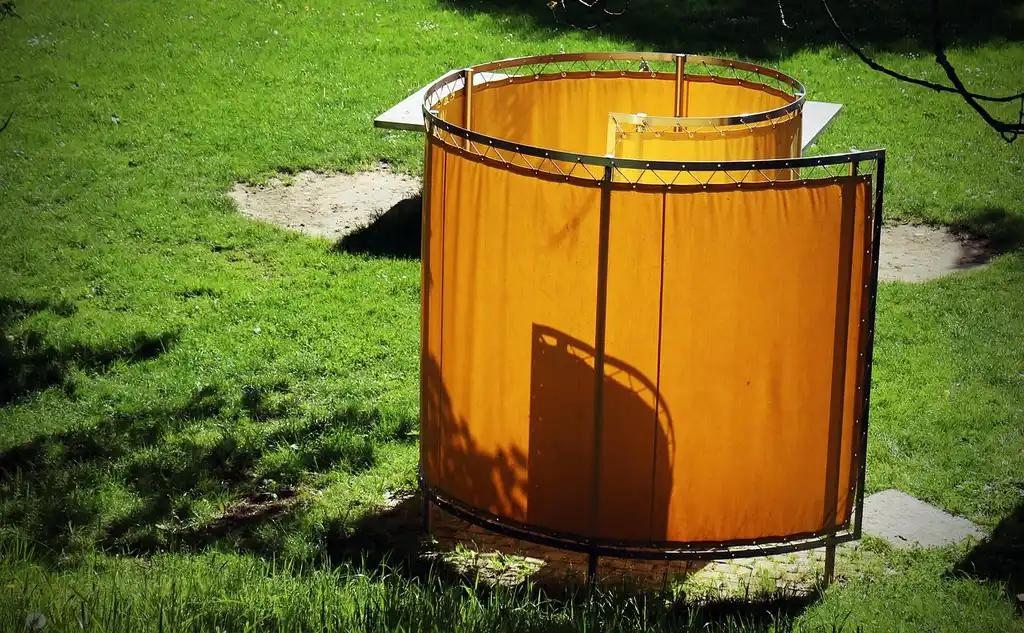
Privacy Screens vs Outdoor Curtains
Choose Privacy Screens if your balcony gets wind, rain, or strict sightlines; choose Outdoor Curtains if you want softer coverage, more openness, and easier renter-friendly removal. Pick the wrong option and you may end up with flapping fabric, waterlogged panels, blocked light, or a setup your building rejects. This guide compares fixed coverage, adjustable opening, wind flow, rain handling, install effort, privacy, and renter rules so you can choose the right match for your balcony.
| Decision factor | Privacy Screens | Outdoor Curtains | Winner |
|---|---|---|---|
| Privacy and sightline control | Fixed coverage with steady visual blocking | Adjustable open or closed coverage | Outdoor Curtains |
| Airflow and wind permeability | Best when built in breathable mesh or HDPE | Lower airflow when closed; can be opened fully | Privacy Screens |
| Rain exposure | Waterproof Decor fabric handles wet conditions better | Can work in mild exposure, but fabric and hardware face more wear | Privacy Screens |
| Renter friendliness | Often depends on rail clamps or no-drill hardware | Can be renter-friendly if the track or frame is removable | Tie |
| Maintenance and hardware wear | Few moving parts; lower day-to-day upkeep | Track cleaning and moving parts add upkeep | Privacy Screens |
| Best-fit use case | Windy, exposed, or wet balconies | Balconies that need frequent open-close control | Tie |
What each option is and how it mounts
Privacy Screens mount directly on balcony railings. They are used for shade, privacy, and wind protection, and they come in standard-size and custom-made options. Outdoor Curtains hang from tracks or enclosure systems, and they can open or close on demand.
That mounting difference drives most of the trade-off. A screen behaves like a fixed panel. A curtain behaves like a moving layer, which helps when you want open air in the morning and closed privacy later the same day.
The core trade-off: fixed coverage versus adjustable opening
Privacy screens favor steady performance. Once installed, they block sightlines and reduce exposure without much daily effort. Outdoor curtains favor control, because you can pull them closed for privacy or open them when you want light, airflow, or a wider view.
Say your balcony faces another building at 12 feet away and your main concern is being seen while eating outside. A fixed screen gives you constant coverage. If the same balcony is also your morning reading spot, a curtain lets you open part of the span without removing anything.
Where each option fits best on a balcony
Privacy screens make more sense on exposed balconies, higher floors, corner units, and railings that take direct wind. Outdoor curtains make more sense where the balcony is sheltered enough for fabric to hang cleanly and where you want flexible open-close use.
Custom sizing helps both products. Standard sizes can work, but railing spacing, post placement, and track length often decide whether the fit looks tidy or awkward.
Privacy level and visual blockage
Privacy screens give more constant visual blocking because they stay in place. Outdoor curtains can provide stronger privacy when closed, but they only do that in the closed position. If you want a set-and-forget barrier against nearby windows, screens are usually the simpler answer.
Lanai Privacy and Shade states that privacy panels reduce sunlight by approximately 85%. That is useful for a bright balcony, but it also shows why the feel can become more enclosed than a curtain that you can part or draw back as needed.
Airflow and wind permeability
Airflow matters more than many buyers expect, especially on higher floors. Balcony privacy screens made from HDPE are described as breathable, and classic balcony screens use technical mesh fabric, which is also wind permeable. That openness helps reduce trapped heat and hard flapping edges.
Outdoor curtains can be fine on a protected balcony, but once they are closed they usually block more airflow than breathable screen fabric. In strong cross-breezes, the loose fabric can move more than a taut screen and may wear faster at hems, grommets, or track points.
Rain exposure and weather handling
Waterproof balcony privacy screens have a clearer edge in wet conditions. The Decor fabric version uses 200 g/m² material, and its dense structure is better suited to rain exposure than open mesh. HDPE is breathable and UV resistant, but it is not the same as a waterproof barrier.
Outdoor curtains can work in light weather, but they are not the safer choice for repeated rain unless the system and fabric are built for it. Wet fabric can hang heavy, dry slowly, and put extra load on tracks or hooks.
Renter rules and install effort
Renter-friendly balcony privacy depends less on the product name and more on the mounting method. Rail clamps and no-drill hardware help both options, but landlords may care about visible fasteners, track holes, and whether the system comes off cleanly.
Mosquito Curtains says its retractable patio screens can be installed in an afternoon, and it offers custom-made panels sized to exact dimensions. That points to a practical renter path, but the track or enclosure still has to fit the balcony and the building’s rules. A setup that removes cleanly is easier to approve than one that leaves permanent marks.
Maintenance and hardware wear
Privacy screens usually have the lower maintenance load. Lanai Privacy and Shade states that privacy panels have no moving parts and zero maintenance, which is a strong signal for simple upkeep. Fewer moving parts usually means fewer points of failure.
Track-mounted curtain systems need track cleaning, and they also add moving parts that can collect dust, grit, and moisture. That does not make them a poor choice, but it does mean the convenience of open-close control comes with more upkeep than a fixed screen.
Which performs better in wind and rain?
Privacy screens usually perform better on balconies with wind and rain exposure. Breathable HDPE and technical mesh let air pass through, which lowers pressure on the mounting points, while waterproof Decor fabric 200 g/m² gives a stronger answer when rain is the bigger problem. Curtains can work, but exposed balconies increase the chance of flapping and wear.
High-floor balconies and exposed corner units are the hardest test. Strong cross-breezes can catch a curtain like a sail, especially if the panel is broad and the track is not well braced. A screen with wind-permeable material is less likely to move that way.
Suppose a balcony about 6 feet wide faces an open corner on a higher floor. A closed curtain may look neat on a calm day, then start slapping the rail the first time wind shifts through the gap between buildings. A technical mesh screen is more likely to stay stable because it lets some air through.
Waterproof fabrics versus breathable mesh
Breathable mesh is the better pick when airflow matters more than rain blocking. Waterproof Decor fabric 200 g/m² is the better pick when wet weather is common and you want a denser panel. HDPE sits between those choices by giving strong UV protection with light weight and airflow.
Use waterproof fabric when the balcony is exposed to repeated spray or direct rain. Use mesh when the bigger concern is heat buildup and wind pressure.
When curtains start to flap or wear
Outdoor curtains start to struggle when the balcony has side winds, corner exposure, or hardware that leaves too much panel movement. The more often you open and close them in gusty conditions, the more stress they place on tracks, fasteners, and hems. That is the failure mode to watch, not just color fade.
What material should you choose?
Choose HDPE when you want a breathable screen with strong UV protection and lighter weight. Choose waterproof Decor fabric 200 g/m² when rain resistance matters more than openness. Choose technical mesh when you want airflow, moderate sun protection, and durable outdoor performance on a windy balcony.
Those materials are not interchangeable. The right choice depends on whether your main problem is heat, rain, or wind. If you pick the wrong one, the balcony may still feel uncomfortable even if the screen technically fits.
HDPE fabric for breathable UV protection
HDPE balcony privacy screens are described as breathable and offer strong UV protection. That makes them a strong choice for sunny balconies where heat buildup and fade resistance matter. Because the fabric is lightweight, it is also easier to manage on rail-mounted systems than heavier, denser materials.
Waterproof Decor fabric 200 g/m² for wet conditions
Waterproof balcony privacy screens use Decor fabric at 200 g/m². The dense fabric structure makes it the better screen material for rain exposure and for balconies that get splashed or wind-driven moisture. It is also a good fit for seating or dining areas where you want more solid visual cover.
Technical mesh fabric for airflow and moderate sun protection
Classic balcony screens use technical mesh fabric, and that is the material to look at when ventilation is a priority. Mesh is particularly suitable for higher floors or windy buildings because it lets air pass through while still giving moderate sun protection. It trades some visual density for better wind behavior.
How renter-friendly are they?
Outdoor curtains can be the more renter-friendly option when the system is removable and does not require drilling, but that is not automatic. Privacy screens can also be renter-friendly if they clamp to the railing or use reversible hardware. The real issue is how the building treats visible hardware and whether the setup leaves marks.
Track-mounted curtain systems are often chosen because they can offer flexible privacy, though tracks may be harder to remove cleanly than a simple rail-mounted screen. Landlord-friendly cleanup matters. If the hardware is obvious, heavy, or anchored with holes, approval becomes less likely.
Clamp-on and no-drill mounting limits
Clamp-on setups reduce damage risk, but they still need a compatible railing shape and enough structural grip. Some balcony railings are too narrow, too rounded, or too shallow for a secure clamp. Measure the railing profile before assuming a no-drill option will fit.
Track-mounted curtain systems and removal
Track-mounted curtain systems are best when you want adjustable privacy and a cleaner open-closed transition. They are less ideal when you need simple removal, because tracks, sliders, and brackets all have to come off in order. That extra hardware is often the trade-off for flexibility.
What lasts longer outdoors?
Privacy screens often last longer outdoors because they have fewer moving parts and can be made from UV-resistant materials such as HDPE or durable technical mesh. Outdoor curtains can last well too, but the track, sliders, and repeated movement add wear points. In sun and weather, hardware often fails before the fabric does.
UV resistance matters on both products because sun exposure breaks down outdoor textiles over time. The more direct sun a balcony gets, the more important fade resistance becomes. A screen with strong UV protection may hold up better than a curtain made from a lighter, less protected fabric.
Cleaning, storage, and seasonal upkeep
Fixed screens are easier to keep in place through the season. Curtains may need more attention, especially if you store them during storms or winter. Track cleaning also becomes part of routine upkeep, and that is time many screen owners may not want to spend.
Decision matrix for balcony privacy
| Scenario | Best pick | Why |
|---|---|---|
| High-wind balcony | Privacy Screens | Breathable mesh or HDPE reduces flapping and wind load. |
| Rain-exposed balcony | Privacy Screens | Waterproof Decor fabric at 200 g/m² handles wet conditions better. |
| Strict renter rules | Outdoor Curtains | Removable systems can be easier to take down cleanly. |
| Low-maintenance priority | Privacy Screens | No moving parts means less upkeep and less hardware wear. |
| Open-close flexibility | Outdoor Curtains | Tracks let you change privacy and openness on demand. |
| Shared-rail apartment | Privacy Screens | Rail-mounted panels are often simpler than adding curtain track hardware. |
When privacy Screens win
Choose Privacy Screens if your balcony is windy, wet, or highly exposed. They are also the better call if you want less upkeep, stronger UV protection, and stable privacy without opening and closing panels all day.
When Outdoor Curtains win
Choose Outdoor Curtains if your balcony is sheltered enough for fabric to hang well and you want adjustable coverage. They are the better pick when you want a softer look, more control over openness, and a system that can be removed with less disruption.
Choose Privacy Screens if… / Choose Outdoor Curtains if…
Choose Privacy Screens if your balcony is on a higher floor, catches side wind, gets rain exposure, or needs steady privacy from nearby neighbors. They also make sense if you prefer simple upkeep and a fixed solution that stays put through the season.
Choose Outdoor Curtains if your balcony is sheltered, you want more visual softness, or you need to open and close privacy often. They are also a strong option if you are renting and need a removable system that can be taken down without much visible impact.

Frequently asked questions
Are privacy screens better than outdoor curtains for a balcony?
Privacy screens are better when the balcony faces wind, rain, or close neighbors, because they stay stable and provide consistent coverage. Outdoor curtains are better when you want adjustable openness and a softer look. The better choice depends on exposure, not style alone.
Which lasts longer outdoors: privacy screens or outdoor curtains?
Privacy screens usually last longer outdoors because they often have fewer moving parts and can use UV-resistant materials like HDPE or technical mesh. Outdoor curtains can wear faster when tracks, sliders, and hems take repeated wind stress. Sun exposure matters for both.
Do outdoor curtains block more wind than privacy screens?
Only when they are fully closed, and even then they can move more in gusts. Privacy screens made from breathable mesh or HDPE often handle wind better because they let air pass through. For exposed balconies, wind permeability is usually more useful than a fabric wall.
Which option is better for renter-friendly balcony privacy?
It depends on mounting rules. Outdoor curtains can be easier to remove if the track system is temporary, while privacy screens can also work well if they clamp to the railing and leave no marks. The safest renter choice is the one that can be removed cleanly.
Can outdoor curtains be used on a windy balcony?
They can, but windy balconies raise the risk of flapping, hardware wear, and noisy movement. If the balcony is exposed or on a corner unit, a breathable privacy screen is usually the safer choice. Curtains work best where wind is already moderated by walls or screening.
What material is best for a balcony privacy screen?
HDPE is a strong all-around choice because it is breathable, lightweight, and offers strong UV protection. Waterproof Decor fabric at 200 g/m² is better when rain matters more. Technical mesh is the best pick when airflow and wind permeability matter most.
How much privacy do balcony screens actually provide?
That depends on the fabric and weave. Dense waterproof Decor fabric gives more visual blockage, while HDPE and technical mesh balance privacy with airflow. A tighter, darker, or denser screen usually blocks more view, but it also tends to reduce ventilation.
Are patio curtains or privacy screens easier to install?
Privacy screens are often simpler because they install directly on balcony railings. Curtains may take more setup if you need tracks, brackets, or enclosure hardware. Retractable systems can still be installed in an afternoon, but the hardware planning is usually more involved.
Which is cheaper for balcony privacy: screens or curtains?
It varies by size, material, and hardware. Mosquito Curtains positions its patio screen system as about one-quarter the cost of permanent framing, which shows that system design changes the price picture. In general, a basic rail-mounted screen is often cheaper than a full track system.
Can I use outdoor curtains on a screened-in patio?
Yes, if the patio layout can support the track or enclosure hardware and you still want adjustable privacy. A screened-in patio already reduces insects and some wind, so curtains often become a comfort or privacy layer rather than the main weather barrier. Fit and mounting still matter.
Products related to this article
Sponsored / affiliate links. As an Amazon Associate I earn from qualifying purchases. I may earn additional commission from eligible campaigns.