Solar Lights vs Plug-in Lights for Balcony: Which Fits?
Choose solar lights if your balcony gets a few hours of direct sun and you only need ambient or accent light; choose plug-in lights if shade interferes with charging or you need steadier task or safety lighting. Pick the wrong type, and you end up with dim fixtures, dark evenings, or cords that fight your layout. This guide compares shade, outlet access, runtime, and operating cost so you can match the light to your balcony plan.
| Decision factor | Solar Lights | Plug-in Lights for Balcony | Winner |
|---|---|---|---|
| Brightness and consistency | Brightness depends on sunlight and may dim on cloudy days. | Stay at full brightness every night. | Plug-in Lights for Balcony |
| Installation and mounting | No wiring is needed, and they can be placed on a railing, planter edge, or corner as long as the panel gets enough sun. | Require either an outlet or an extension cord. | Solar Lights |
| Running cost | No electricity cost after purchase. | Very low seasonal electricity cost. | Solar Lights |
| Weather and winter performance | Tend to work best in sunnier conditions, and output can drop in shade or during darker winter periods. | Stay consistent in cold and snowy climates. | Plug-in Lights for Balcony |
| Best balcony use case | Best for remote spots and accent lighting. | Best for patios and daily use. | Depends on layout |
Solar lights vs plug-in lights for a balcony: the real trade-off
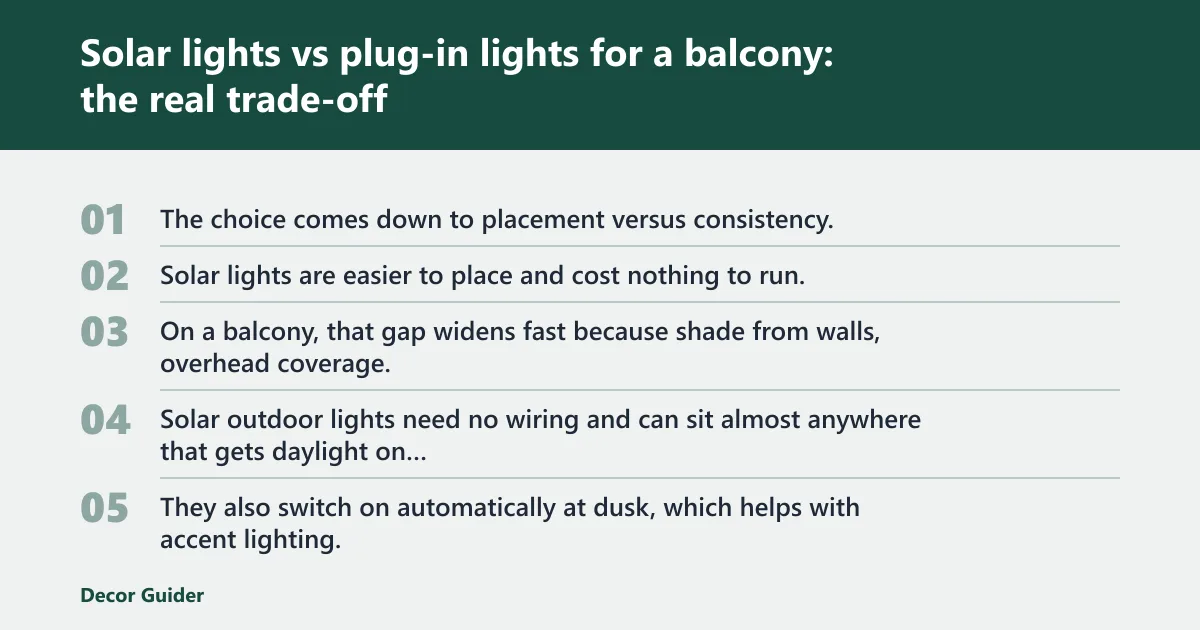


The choice comes down to placement versus consistency. Solar lights are easier to place and cost nothing to run, while plug-in lights hold their brightness and suit nightly use better. On a balcony, that gap widens fast because shade from walls, overhead coverage, railing height, and outlet access can push one option ahead.
What solar lights do well on balconies
Solar outdoor lights need no wiring and can sit almost anywhere that gets daylight on the panel. They also switch on automatically at dusk, which helps with accent lighting, planter glow, and far corners where an outlet is missing or hard to reach.
That makes solar a strong fit for railings, corners, and small decorative zones. Their biggest advantage is placement freedom.
What plug-in lights do well on balconies
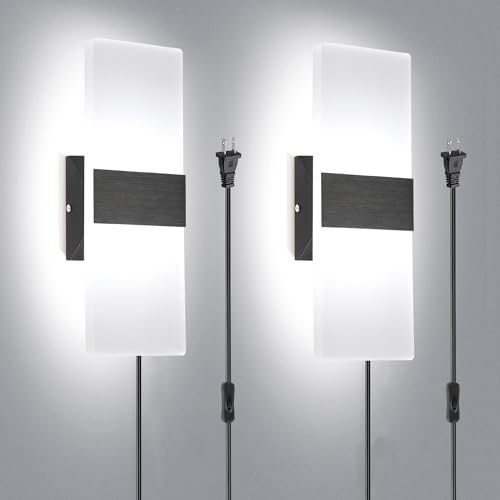
Plug-in outdoor lights require either an outlet or an extension cord, but they stay at full brightness every night. That steadiness matters for seating areas, dining spots, and any balcony that doubles as a reading or task zone.
Plug-in LED lights also have a very low seasonal electricity cost. For daily use, that often matters more than the modest savings from solar-only operation.
Why balcony layout changes the answer
General outdoor-lighting advice often misses balcony limits. A north-facing balcony, a covered ceiling, or a wall that shades part of the railing can weaken solar charging enough that a fixture may seem adequate on paper but underperform at night.
Outlet access matters too. A renter with no exterior outlet needs a different plan than a homeowner with a weather-rated receptacle near the door.
Which light type works best in each balcony setup?
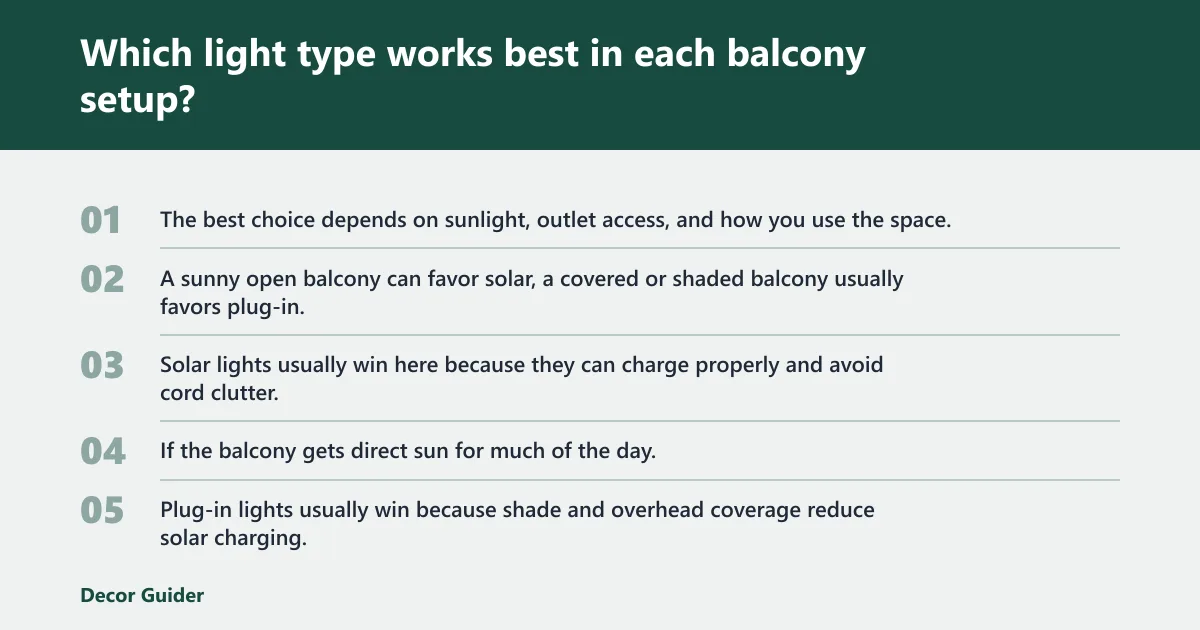
The best choice depends on sunlight, outlet access, and how you use the space. A sunny open balcony can favor solar, a covered or shaded balcony usually favors plug-in, and a renter balcony with no outlet often pushes the decision back to solar unless a safe cord route is available.
Sunny open balcony
Solar lights usually win here because they can charge properly and avoid cord clutter. If the balcony gets direct sun for much of the day, solar LED string lights can handle accent lighting for railings, planters, or a compact lounge corner.
Shaded covered balcony
Plug-in lights usually win because shade and overhead coverage reduce solar charging. If you want dependable light for evening seating or a small table, plug-in LEDs are the safer choice for consistency.
Renter balcony with no outlet
Solar lights usually win when you cannot add a permanent outlet and want damage-free installation. That is especially true for hanging lights on railings or placing accent lights in planters where sunlight still reaches the panel.
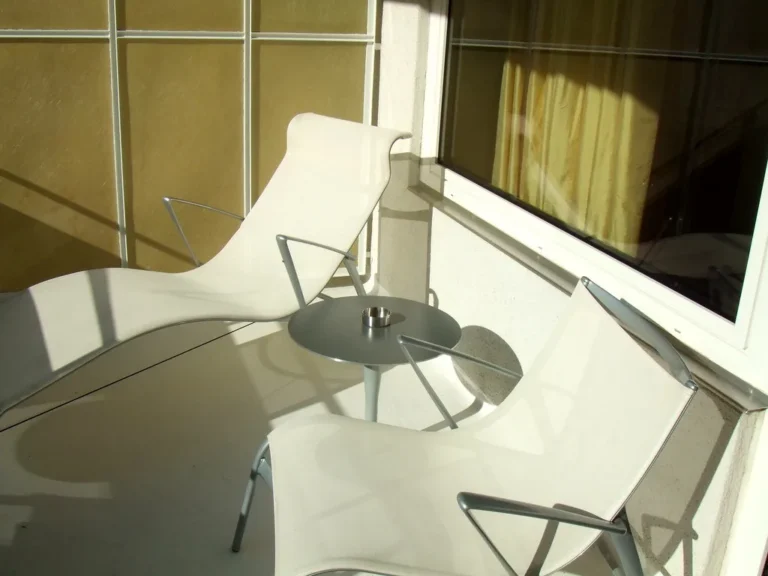
Picture a 6-foot-wide covered balcony with a sofa, a side table, and a railing shaded most of the day. Solar may light the plants near the opening, but plug-in lights are more likely to give usable light over the seating area night after night.

Side-by-side balcony comparison table
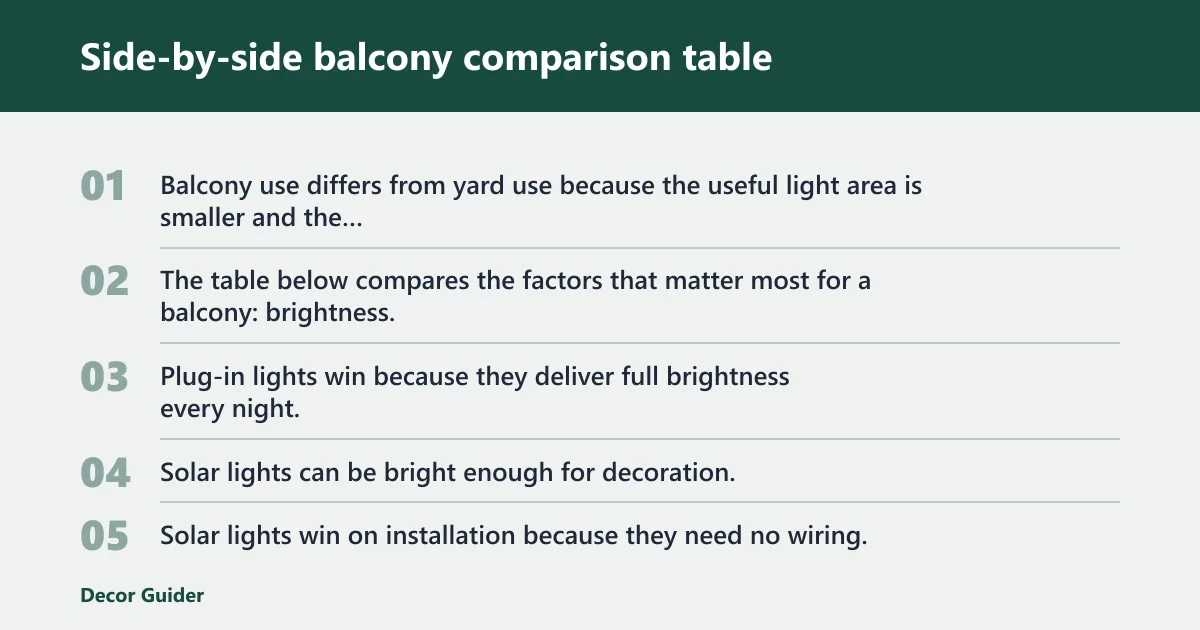
Balcony use differs from yard use because the useful light area is smaller and the mounting options are limited. The table below compares the factors that matter most for a balcony: brightness, installation, running cost, and weather performance.
| Factor | Solar Lights | Plug-in Lights for Balcony | Winner |
|---|---|---|---|
| Brightness and consistency | Solar brightness depends on sunlight and may dim on cloudy days. | Plug-in lights stay at full brightness every night. | Plug-in Lights for Balcony |
| Installation and mounting | No-wiring installation; works best where sunlight reaches the panel. | Needs outlet access or an extension cord, plus cord routing. | Solar Lights |
| Operating cost | No electricity cost after purchase. | Very low seasonal electricity cost. | Solar Lights |
| Weather and winter performance | Best in sunny regions; weaker in shade, clouds, and low-sun winter days. | Consistent in cold and snowy climates. | Plug-in Lights for Balcony |
| Placement flexibility | Best for remote or outlet-free spots. | Better when the light must stay near a power source. | Solar Lights |
Brightness and consistency
Plug-in lights win because they deliver full brightness every night. Solar lights can be bright enough for decoration, but output can fall when the panel sees less sun, especially on cloudy days or in deep shade.
Installation and mounting
Solar lights win on installation because they need no wiring. That makes them easier to place on balcony railings, planter edges, and other tight spots where running power would be awkward.
A common first-timer mistake is planning a string-light path before checking outlet access and railing height. On a balcony, the cord route often matters as much as the fixture itself.
Running cost and upkeep
Solar lights win on operating cost because they have no electricity cost after purchase. Plug-in LED lights are still efficient, but they do add a small electricity cost over time, which matters more if the lights stay on every evening for long periods.
Weather and winter performance
Plug-in lights win in cold and snowy climates because they stay consistent in weather that can limit solar charging. Solar lights perform best in sunny regions, so winter, heavy cloud cover, and covered balconies can all reduce output.
Do solar balcony lights work in shade or winter?
Solar balcony lights can work in partial shade, but their output usually drops when charging time is limited. They also lose reliability in winter or under heavy cloud cover because the panel receives less usable sunlight, which can shorten runtime and reduce brightness.
Cloudy-day output and charging limits
Solar brightness depends on sunlight and may dim on cloudy days. On a balcony with wall shade or overhead coverage, the panel may still charge, but not enough to support bright or long evening use.
Cold, snow, and short-day behavior
Solar lights perform best in sunny regions, while plug-in lights stay consistent in cold and snowy climates. Short winter days leave less charging time, so solar fixtures are more likely to underdeliver exactly when you want more dependable evening light.
Where solar still makes sense
Solar still makes sense for accent light on a south-facing or open balcony. It is also a practical choice for small decorative zones where a dimmer glow is acceptable and you want to avoid cords entirely.
Are plug-in balcony lights better for seating areas?
Yes, plug-in balcony lights are usually better for seating areas because they stay at full brightness every night and handle longer evening use more reliably. That matters for dining, reading, and safety lighting, where uneven output is a bigger problem than a slightly higher setup effort.
Full brightness every night
Plug-in lights do not depend on daily charging, so they give steadier light from one evening to the next. For a balcony table or sofa area, that consistency is often the deciding factor.
Longer run times for evening use
Plug-in LED lights are a strong fit for longer displays and daily use. If your balcony stays active after dark for several hours, plug-in power avoids the fade that can happen with solar when sun exposure is marginal.
When an extension cord is worth it
An extension cord can be worth using if it lets you place light where you actually sit, not only where the outlet is. The cord still needs clean routing, weather-appropriate outdoor use, and a layout that avoids trip points or pressure at the door.
Can I use extension cords safely on a balcony?
Yes, but only if you route them carefully and use outdoor-rated hardware. On a balcony, the risks are usually pinched cords at sliding doors, loose runs across the walking path, and connectors sitting where rain or runoff can reach them.
Outlet access and cord routing
Use the shortest practical route from outlet to fixture and keep the cord off door tracks. If the balcony layout forces a long run, make sure the cord does not cross a high-traffic area or hang where it can be pulled loose.
Safe mounting on railings and pergolas
Railings and pergolas can support lighting, but the mounting method should match the structure. Use secure, damage-free attachments for renter setups, and keep weight and tension low so the fixtures do not shift in wind.
Using LED string lights for long runs
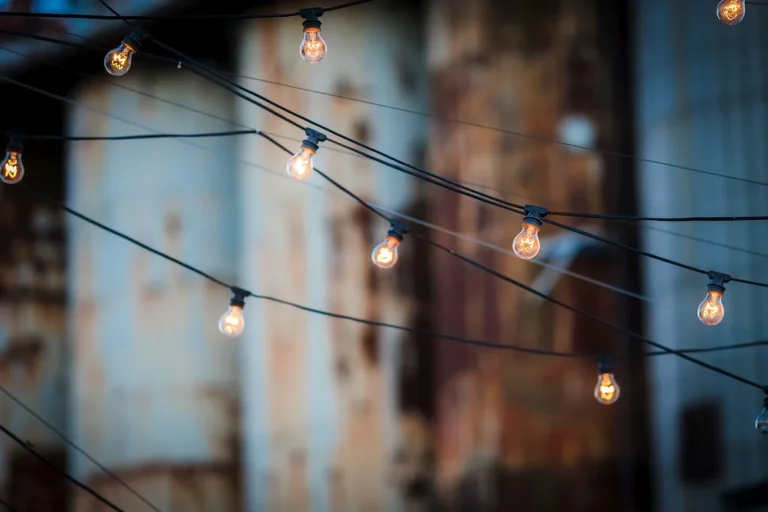
LED string lights are common on balconies because they draw very little power and come in connectable lengths. They are sold in both solar and plug-in versions, which makes them easy to match to either a sunlit railing or a hard-to-reach seating zone.
Which balcony lights cost less to run over time?
Solar lights cost less to run because their operating cost is zero after purchase. Plug-in LED lights have a very low seasonal electricity cost, so the gap is real but usually small for a balcony-sized lighting plan.
Upfront cost vs ongoing cost
Solar can cost more at purchase in some cases, but it avoids electricity use. Plug-in lights often cost less up front, yet they depend on ongoing power, which matters more if the light stays on for many hours each night.
Small balcony use pattern
For a small balcony, the electricity cost of LED plug-in lights is usually modest because the fixture size is small and LED draw is low. Even so, solar remains the lower-cost option to operate if the balcony gets enough sun to charge well.
Can solar lights be used on balcony railings and planters?
Yes, solar lights can be used on balcony railings and planters if the panel gets enough sunlight for charging. Those spots are often ideal for accent lighting because they keep the fixture off the floor and put the light where it is most visible.
Railing placement
Railings work well when the solar panel faces open sky for part of the day. If the railing sits under a deep overhang or behind a wall, charging may be too weak for dependable evening use.
Planter placement
Planters can be a good home for solar accent lights because they hide hardware and keep the layout neat. Just make sure foliage does not block the panel, or the charging problem returns quickly.
Choose solar lights if… / Choose plug-in lights if…
Choose solar lights if your balcony gets real sun, you want no-wiring installation, and your main goal is accent light rather than strong task lighting. Choose plug-in lights if shade is heavy, you need dependable brightness every evening, or your balcony seating area stays in regular use after dark.
Choose solar lights if…
- Your balcony gets 4–6 hours of direct sun.
- You want remote or outlet-free placement.
- You mainly need mood light, planter glow, or railing accents.
- You want no electricity cost after purchase.
Choose plug-in lights if…
- Your balcony is shaded, covered, or north-facing.
- You need full brightness every night.
- You want longer run times for seating or dining.
- You have a safe outlet route or a clean extension-cord path.
When a hybrid setup is the better call
A hybrid setup often works best on balconies because different zones need different light. Use solar in accent areas like railings, planters, or far corners, then use plug-in lights for the main seating or task area where brightness and consistency matter most.
Suppose you have a 10-foot balcony with a chair at one end and plant shelves at the other. Solar can light the shelves, while plug-in LED string lights can cover the chair area without forcing you to choose one compromise for the whole space.
How to install balcony lights safely and neatly
Start with the layout before you buy. Check where sunlight lands, where the outlet is, and which railings or pergola beams can support a fixture without blocking movement or creating a cord hazard.
- Map sunlight, shade, and outlet access on the balcony.
- Decide whether the light is for accent, seating, or safety.
- Place solar panels where they get the most direct sun.
- Route plug-in cords along edges and away from door tracks.
- Use outdoor-rated lights with proper water resistance for the exposure level.
- Test the final position after dark and adjust for glare or dead zones.
Frequently asked questions
Are solar lights or plug-in lights better for a balcony?
Plug-in lights are better when you need dependable brightness, long evening runtime, or a covered or shaded balcony. Solar lights are better when you have direct sun, no outlet, and you mainly want ambient or accent light with no wiring and no electricity cost after purchase.
How bright are plug-in balcony lights compared with solar?
Plug-in lights are usually brighter and more consistent because they stay at full brightness every night. Solar lights can be bright enough for accent use, but their brightness depends on sunlight and may fall on cloudy days or in limited balcony shade.
What is the best lighting choice for a small covered balcony?
Plug-in lights are usually the best choice for a small covered balcony because shade and overhead coverage weaken solar charging. If the space is mainly for seating or dining, plug-in LEDs give steadier light and a better chance of usable nighttime brightness.
Products related to this article
Sponsored / affiliate links. As an Amazon Associate I earn from qualifying purchases. I may earn additional commission from eligible campaigns.