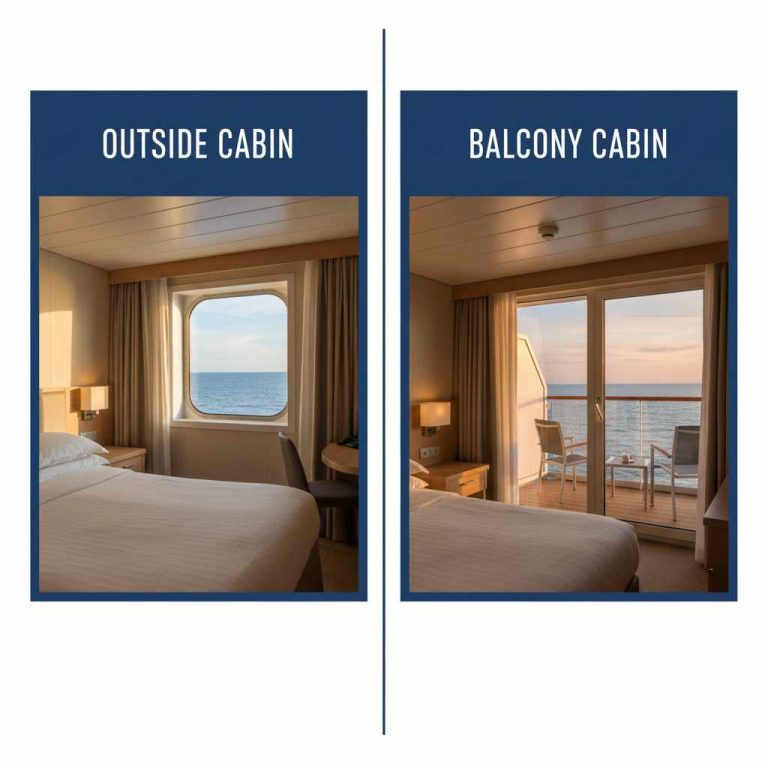
Balkene Home Privacy Screen Worth It?
Balkene Home privacy screens are worth it if you need a renter-friendly barrier for a narrow balcony and can secure it against wind; skip them if your space is very exposed or you need total visual blocking. A weak setup can rattle, tip, or block circulation without actually giving privacy. This guide covers fit, wind resistance, installation limits, and when a generic outdoor screen is the better buy.
Verdict
One important limit comes first: the product details provided here do not include a specific Balkene Home model sheet with confirmed dimensions, materials, weight, or included hardware. That means the verdict depends on the balcony use case, not on a published spec list. Balkene Home is a home furnishings brand of Well Traveled Living, and the brand sits in outdoor furnishings, with warranty information and manuals available as support resources.
Specs at a glance
| Spec | What is confirmed | Why it matters on a balcony |
|---|---|---|
| Product type | Freestanding outdoor privacy fixture | Freestanding units are easier to move, but they need floor space and a stable base. |
| Use cases | Balcony, patio, porch | Balcony fit depends on footprint, rail rules, and how much depth you can spare. |
| Brand | Balkene Home; parent company Well Traveled Living | Brand support matters if you need manuals or warranty details before setup. |
| Support resources | Warranty information and manuals | Useful for assembly steps and parts checks. |
| Material | Not confirmed in the supplied product data | Material affects opacity, maintenance, and how much wind it catches. |
| Height and width | Not confirmed in the supplied product data | Height should clear the sightline you want to block. Width should fit usable balcony depth and wall span. |
| Base stability | Not confirmed in the supplied product data | Base design is the main clue for windy-balcony suitability. |
| Weather resistance | Not confirmed in the supplied product data | Outdoor exposure changes whether it can stay out year-round or should be brought in seasonally. |
| Assembly and portability | Not confirmed in the supplied product data | Renter-friendly setups depend on easy assembly and the ability to remove the screen without damage. |
Outdoor privacy screens are freestanding or integrated fixtures that shield patios, porches, or balconies from view. HGTV’s coverage points to five fixture types, including a balcony category, privacy planters and greenery panels, and privacy roller shades and blinds. That matters because a balcony screen is not the only answer; the best choice depends on whether you need a short-term fix or a longer-lasting install.
The key missing details affect the verdict most: confirmed height, width, weight, material, and assembly hardware. Without those, you should treat Balkene Home as a candidate for apartment privacy, not as a guaranteed fit. The right screen for a small balcony is the one that matches your sightline, floor depth, and building rules first.
Who it
Balkene Home privacy screens make the most sense for balcony renters who need privacy without permanent drilling. They also suit patio or porch buyers who want a freestanding divider that can be moved, stored, or repositioned as the sun and neighbor sightlines change.
Small balcony renters
If your balcony is narrow and the building prohibits wall mounts, a freestanding privacy screen is often the least disruptive option. The trade-off is footprint: you gain visual cover, but you also give up some usable floor area. Measure width and depth before you buy.
Patio or porch buyers

On a patio or porch, the same screen can work better because there is usually more room for a base and less risk of crowding circulation. That is where Balkene Home’s outdoor furnishings category matters most: the product can solve a view problem without needing a custom install.
Shoppers who need portable privacy
If you move furniture often, or want seasonal removal, a freestanding screen fits better than a fixed panel. Portable screening matters when you need to shift the setup for cleaning, weather, or storage.
What works
The strongest case for Balkene Home is apartment privacy with minimal commitment. A freestanding screen can block direct sightlines from neighboring units and passersby, and it avoids the drilling, track mounting, or hardware requirements that many renters cannot use.
Privacy coverage and sightline blocking
For balconies, privacy is about eye level, not total enclosure. A screen works when its top edge sits above the normal line of sight from nearby windows or adjacent balconies. If the screen is too short, people can still see over it. If it is too opaque, it may also make a small balcony feel boxed in.
Say your balcony is 4 feet deep and faces a side courtyard. A screen that sits at the outer edge and reaches above seated eye level can reduce direct views while still leaving room to walk. In that case, the screen is doing the privacy job without swallowing the whole floor plan.
Footprint and placement on a balcony
Footprint is where many balcony products fail. A balcony privacy screen should fit the usable depth after accounting for the door swing, chair clearance, and a safe walking path. If the screen sits too far from the rail, it eats the small-space advantage that apartment balconies rely on.
That is why a tape measure matters more than style photos. Check balcony width, depth, and the height-to-sightline you are trying to block. Then compare that to the screen’s actual footprint and placement zone before you order.
Assembly, portability, and storage
For renter use, assembly should be simple enough to reverse later. Support resources from the brand matter here because manuals and warranty information help with part checks, seasonal teardown, and replacement needs. The easier the screen is to assemble and disassemble, the less risky it is for a lease term.
Portability also helps with wind. A screen that can be shifted indoors during storms is more useful than a heavier fixture that must stay out all season.
What does not?
The main drawback is wind exposure. A freestanding privacy screen on an open balcony has more to manage than a screen tucked beside walls or furniture. If the base is light, the panel can rattle. If the panel is large and opaque, it can catch more air and demand more stability than a small balcony can provide.
Wind exposure and base stability limits
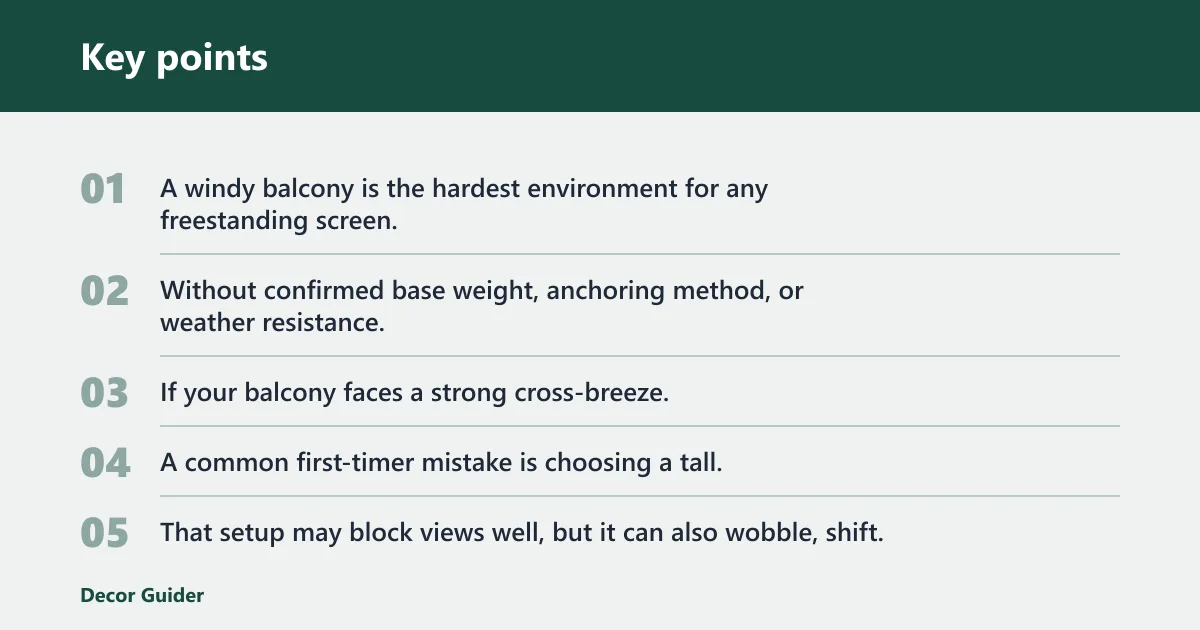
A windy balcony is the hardest environment for any freestanding screen. Without confirmed base weight, anchoring method, or weather resistance, there is no honest way to call the Balkene Home option a safe match for exposed upper floors. If your balcony faces a strong cross-breeze, a fixed wall-mounted option or a lower-profile shade may be safer.
A common first-timer mistake is choosing a tall, solid panel for maximum privacy and then placing it on an open corner balcony. That setup may block views well, but it can also wobble, shift, or force you to move it every time the weather turns.
When the height is too short
If the screen does not clear the sightline from nearby windows, the privacy gain is modest. The result is especially disappointing on upper-floor apartments where neighboring units look down at a steeper angle. In that case, a privacy screen becomes a style object more than a privacy fix.
When the footprint is too large
Small balconies fail fast when the screen steals floor area needed for a chair, planter, or walking path. If the product needs more depth than the balcony can spare, it becomes a barrier rather than a solution. That is the point where a roller shade or a more compact privacy panel makes more sense.
Privacy screen decision matrix

Use this matrix as a quick fit check before you buy. Score each row from 0 to 2 for the four criteria, then use the verdict column as a shortcut. A total near 8 generally suggests a better fit; a total near 0 usually points to a poor fit.
| Balcony size | Wind exposure | Renter constraints | Likely fit / no-fit verdict |
|---|---|---|---|
| Small, narrow balcony with limited depth | Low to moderate wind | No drilling allowed; need removable setup | Fit if the screen footprint stays shallow and the base is stable. |
| Small balcony with tight circulation | Moderate to high wind | Must store indoors often | Borderline; choose only if the screen is lightweight and easy to move. |
| Medium balcony with enough floor depth | Low wind or sheltered corner | Landlord limits permanent hardware | Fit; freestanding privacy is a practical rental solution. |
| Large patio or porch | Moderate wind | Flexible setup rules | Fit; the extra space helps with placement and stability. |
| Open balcony exposed to gusts | High wind | Needs high privacy and low maintenance | No fit; a mounted shade or heavier anchored system is safer. |
| Very compact balcony with rail clearance issues | Any wind above low | Railing compatibility is uncertain | No fit; check railing and depth before considering any freestanding panel. |
Red flags before you buy
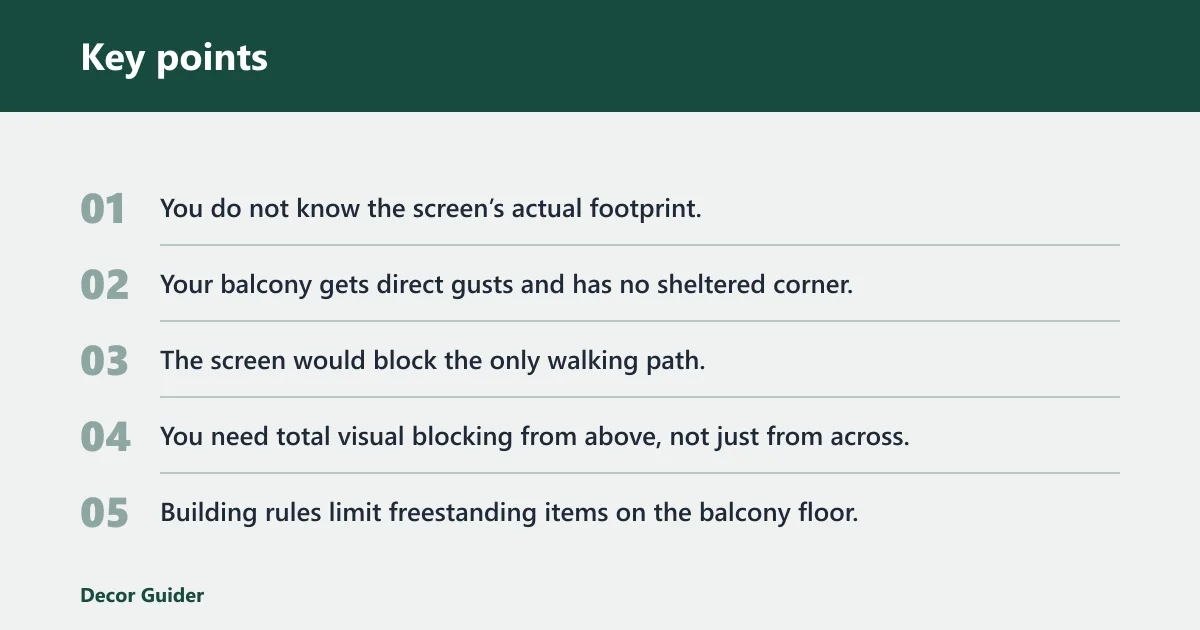
- You do not know the screen’s actual footprint.
- Your balcony gets direct gusts and has no sheltered corner.
- The screen would block the only walking path.
- You need total visual blocking from above, not just from across.
- Building rules limit freestanding items on the balcony floor.
Should you buy it?
Buy Balkene Home if your balcony is narrow, sheltered, and rental-friendly, and if you need a removable privacy barrier more than a decorative divider. It is a practical option when you want privacy from neighbors without permanent installation, and when you can verify fit before setup.
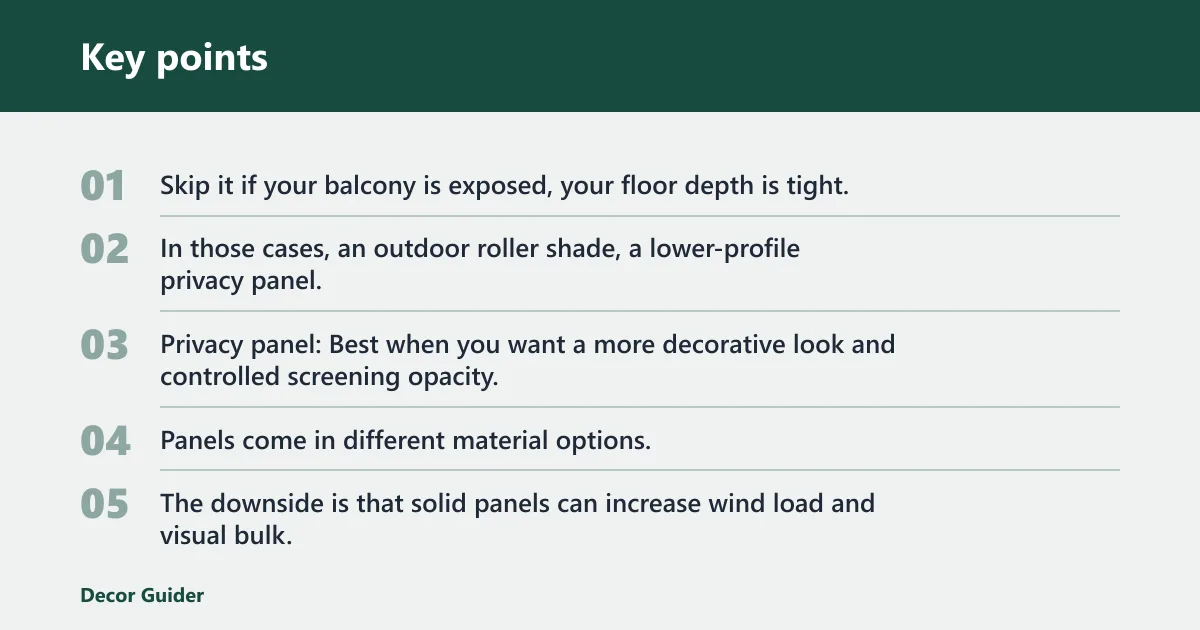
Skip it if your balcony is exposed, your floor depth is tight, or your main goal is to block every angle of view. In those cases, an outdoor roller shade, a lower-profile privacy panel, or a well-weighted privacy planter may solve the problem with less wind risk.
Better-fit alternatives by use case
Privacy panel: Best when you want a more decorative look and controlled screening opacity. Panels come in different material options, so they can feel more styled than a basic freestanding screen. The downside is that solid panels can increase wind load and visual bulk.
Outdoor roller shade: Best when you need mounted coverage and seasonal removal. Roller shades and blinds are useful for balcony railings, pergolas, and porch openings, and they work well when you want light filtering rather than a hard visual wall. They need a proper mount.
Privacy planter: Best when you want dual-purpose screening and greenery. Dense plants can soften the view while adding weight and drainage considerations. They take floor space, and coverage depends on plant density, not just the planter shell.
Alion Home balcony privacy screen: A lighter, breathable mesh option for shoppers who want airflow and easier securing. Based on the published product details, it uses reinforced edges and stainless grommets, which matters if you plan to fasten it to a railing. It offers less visual blockage than a solid panel.
Windscreen4less outdoor shade blinds: A better match when you want roll-up adjustment and more shade control. The trade-off is a more involved install, because mounted shades suit balconies that can support hardware and a fixed attachment point.
NEXCOVER privacy fence: A stronger fit for larger patios or broader screening needs. Its large size and high blockage level suit users who want more coverage, but that same scale can overwhelm a compact apartment balcony.
Frequently asked questions
Is Balkene Home privacy screen worth it for an apartment balcony?

Yes, if your balcony is narrow, sheltered, and subject to renter limits that rule out drilling. It is less compelling on exposed upper floors or tiny balconies where footprint matters more than styling. The value depends on whether the screen clears your sightline without crowding the floor.
How tall should a balcony privacy screen be for privacy?
It should rise above the line of sight from nearby windows and neighboring balconies. The useful height depends on your seating position, railing height, and how close other units sit. A tape measure helps you check sightline height before you buy.
Will a freestanding privacy screen work on a windy balcony?
Only if the balcony is sheltered enough and the base is stable. On open or gusty balconies, a freestanding screen can shift, rattle, or tip if it is too light or too tall. Wind exposure is the first thing to check, not the style.
What type of privacy screen is best for a small balcony?
A compact freestanding screen or a mounted roller shade is often the better choice. For very small balconies, the best option is the one that protects floor depth while still covering the main sightline. If you need more airflow, a mesh panel works better than a solid wall.
How do I choose between a privacy screen and outdoor curtains?
Choose a screen when you need a removable, freestanding barrier with less fabric maintenance. Choose curtains when you have a supported frame or rail system and want a softer look. Curtains need secure mounting and more attention in wind, while screens need floor space.
Is Balkene Home a good brand for outdoor furnishings?
Balkene Home sits in the outdoor furnishings category under Well Traveled Living, and the brand provides warranty information and manuals as support resources. That makes it a credible place to shop. The real question is still model fit, because a good brand does not guarantee a good balcony match.
Products related to this article
Sponsored / affiliate links. As an Amazon Associate I earn from qualifying purchases. I may earn additional commission from eligible campaigns.