Balcony Rug Review: Is It Worth It for Outdoor Spaces?
RURALITY is the top balcony pick because it combines a waterproof, reversible plastic-straw build with low weight and fast rain shedding. That matters more on balconies than headline style. In my view, a balcony rug is only worth it if the balcony dries quickly, is fairly sheltered from wind, and can be lifted for cleaning; skip it on damp, exposed, or poorly drained balconies. Buy the wrong one and you get trapped moisture, slipping risk, mildew, and a rug that blows around or becomes hard to maintain.
Verdict

- Waterproof and UV-resistant materials
- Reversible design with fixed corner rings
- Lightweight and portable for storage
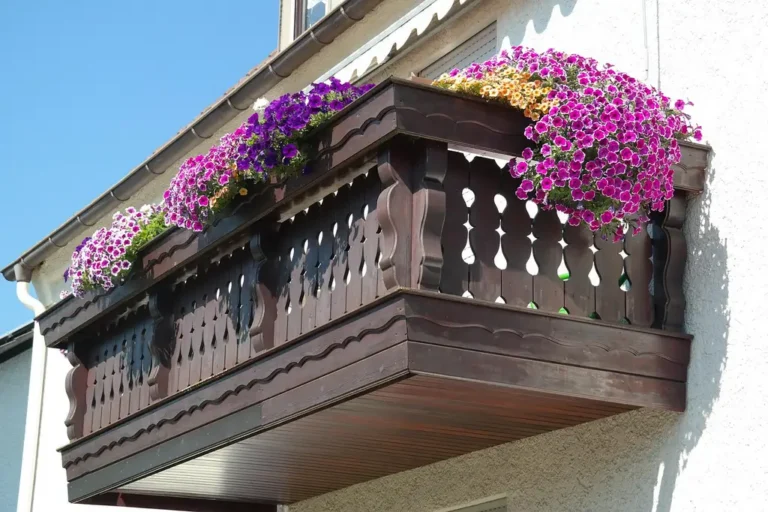
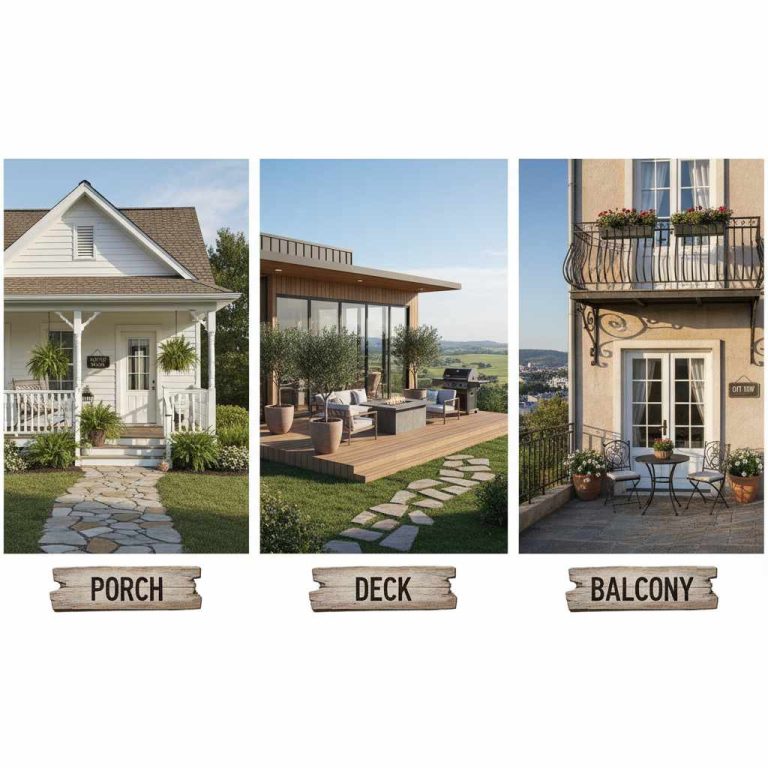
This is a balcony-specific buy, not a generic patio buy. Balconies are platforms that typically project from the wall of a building, and they are commonly found on multi-level houses, apartments and buildings; they can help provide a building with light and ventilation. That also means you deal with edge exposure, neighbor drip lines, railing clearance, and often a narrow walk path, so the rug has to solve comfort without creating a maintenance problem.
📊 The featured waterproof outdoor rug winner weighed 6.2 pounds. Source: Sprucerank.
Specs at a glance
| What matters on a balcony | Best fit | Why it matters |
|---|---|---|
| Material | Polypropylene or plastic straw | Easy-clean surfaces, mildew resistance, and faster shake-out cleanup |
| Weave | Flatweave or tight weave | Better airflow underneath and less snagging from chair legs |
| Construction | Reversible, non-shedding | Useful for renter cleanup and dirt masking |
| Small balcony size | 4 x 6 or 5 x 8 | Common fits for bistro sets and narrow layouts |
| Stability | Tie-downs, weights, anti-slip backing where appropriate | Reduces corner lift and trip hazards |
| Featured winner detail | 6.2 pounds, 0.25 inches thick | Light enough to move; low profile for door clearance |
| Drying behavior | Rain shed in 90 seconds in the review data | Fast drying lowers mildew risk after storms |
Who it is for
A balcony rug is best for renters and apartment owners who want a defined sitting zone, a softer step under a chair, and a clearer visual boundary between indoors and outside. It also makes sense on small balconies with a bistro set, where a 4 x 6 or 5 x 8 rug can frame the table instead of swallowing the whole floor.
It is also useful for indoor-outdoor transition spaces where the balcony acts like an extension of the living room. In that case, the rug can make the space feel planned, but only if door swing, railing clearance, and drainage are already workable.
Quick picks
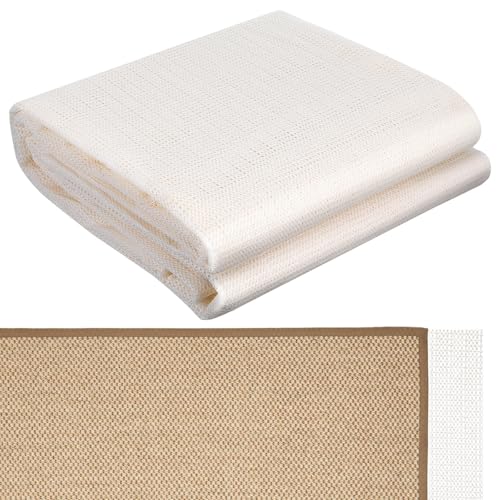
- Best overall for wet balconies: RURALITY 5×8 waterproof plastic straw rug, because the spec sheet favors quick cleanup, reversibility, and portability.
- Best for grip-minded buyers: MontVoo 5×8 flatweave rug, because it includes rubber particles backing and is described as stain-free and easy to clean.
- Best for a pet-friendly, low-maintenance look: Bsmathom 3×5 artificial grass mat, because drainage holes and quick drying help where water is the main problem.
Decision matrix: when a balcony rug pays off
| Balcony scenario | Comfort | Safety | Drying | Stability | Maintenance risk | Verdict |
|---|---|---|---|---|---|---|
| Windy open balcony | 3/5 | 2/5 | 4/5 | 1/5 | 4/5 | Usually a bad buy unless anchored well |
| Shaded apartment balcony | 4/5 | 4/5 | 3/5 | 4/5 | 2/5 | Often worth it if airflow is decent |
| Sunny exposed balcony | 4/5 | 3/5 | 5/5 | 3/5 | 3/5 | Worth it only with UV-resistant material |
| Tiny bistro balcony | 4/5 | 4/5 | 4/5 | 4/5 | 2/5 | Good fit if the rug clears doors and rails |
| Indoor-outdoor transition space | 5/5 | 4/5 | 3/5 | 4/5 | 2/5 | Best use case for a balcony rug |
That matrix shows the real tradeoff. Comfort is easy; drainage is not. On balconies, the rug pays off when you can control water, lift, and wind. When you cannot, the rug becomes a chore.
What works on a balcony rug?
Polypropylene or plastic straw surfaces are the safest starting point for balcony use. They are easy-clean, usually non-shedding, and better suited to moisture than most indoor rug constructions. Reversible versions can also help because you can flip the surface when one side looks dusty or faded.
Flatweave and tight weave constructions are the most practical because they stay lower to the floor, allow airflow underneath, and reduce chair-leg snagging. A low-profile rug also makes it easier to keep doors from dragging across the edge.
Style and pattern matter more than people think
Neutral colors work best if you want the rug to sit quietly in the background, while patterned surfaces do a better job of hiding dirt, pollen, and tracked-in grit. Traditional styles can fit a 4 x 6 bistro setup; modern patterns usually look cleaner in longer narrow layouts.
Reversible sides are useful on balconies because dust collects fast, and a quick flip can buy time between cleanings. That matters more in rental setups, where frequent deep cleaning is less convenient.
Weight and anchoring are linked
Lightweight portability helps with storage and seasonal cleanup, but light rugs move more in gusts. The review data for the featured winner lists 6.2 pounds, which is light enough to move and still practical for a small balcony if you anchor it.
Tie-down loops, corner weights, or other restraint points matter because wind does not care whether the rug is labeled outdoor. If the balcony has a strong draft, you need restraint more than you need a softer hand feel.
What does not work well?
Water pooling and slow drying are the biggest problems. A waterproof rug is not the same thing as a drain-friendly rug. If water sits under planters or between the rug and the slab, mildew risk rises, and trapped moisture becomes harder to clear after storms.
Corner curl and wind lift are next. A rug that slides a few inches can become a trip hazard, and a corner that catches the wind can beat against furniture or railing hardware. Door clearance also matters; a thick rug can snag a balcony door or leave too little edge gap near a threshold.
Common balcony failure modes
- Mildew under planters: pots block airflow and trap damp spots.
- Neighbor-water-drip issues: balconies below can get hit by runoff from upper floors.
- Fading on sun-exposed decks: UV exposure can age colors faster than expected.
- Noise and residue for renters: adhesive pads can leave marks, and hard weights can clack against flooring.
Say your balcony is 5 x 7 feet, has a door that opens outward, and gets afternoon rain. A thick rug that reaches the threshold may look finished, then start causing drag, corner curl, and slower drying after each storm. In that case, a lower-profile flatweave is the better call.
Suppose your balcony has two planters pushed against the railing. If the rug stays under them all season, the damp spots under each pot become the first mildew problem, even if the rest of the rug dries quickly. Moving the pots matters as much as the material choice.
What size rug works best on a small balcony?
For a small balcony, 4 x 6 is the safest starting point and 5 x 8 is the next step up when the space can handle it. The right size depends on whether you are covering only a bistro set, or also trying to create a walking lane between the door and the railing.
A small balcony rug should cover the seating zone, not the entire floor by default. You want edge clearance near doors and railings so the rug does not bunch against hardware or become a water trap at the perimeter.
4 x 6 versus 5 x 8
A 4 x 6 rug works well for a compact two-chair bistro setup and leaves more breathing room around the edges. One traditional-style pick in the product set is a 4 x 6 rug, which suits narrow balconies where every inch counts.
A 5 x 8 rug makes more sense when you want the front legs of both chairs and the table to sit on the rug, or when the balcony is long enough to support a larger seating zone. One large-balcony pick in the product set is a 5×8 ft rug.
Coverage around a bistro set
- Measure the footprint of the table and chairs when they are pulled out.
- Add enough rug width so chair legs stay on the rug during use.
- Leave clear space at the door swing and the railing edge.
- Check that the rug will not block drainage channels or trap runoff.
How do you keep a balcony rug from sliding?
To keep a balcony rug from sliding, start with a low-profile weave and a placement that avoids the main wind path. Add tie-down loops, weights, or a non-slip backing only if the balcony surface and cleaning routine can support them. The goal is stability without residue or hard-to-remove buildup.
Anti-slip backing can help, but it has limits on smooth balcony slabs, especially if moisture gets underneath. For renters, that matters because sticky residue and floor marks can be harder to remove than the rug itself. Anchoring plus a sensible layout usually works better than relying on backing alone.
Practical fixes that actually help
- Put the rug in the shelter of furniture so chair legs and the table help hold it down.
- Choose a heavier or denser edge profile when wind is the main issue.
- Avoid loose overhang near the balcony edge, where gusts catch corners first.
- Use weights carefully so they do not create a new trip hazard.
Alternatives
If the main goal is waterproofing and fast cleanup, RURALITY is the strongest fit because the spec sheet favors balcony use. Its drawback is the same one that applies to most light outdoor rugs: on a windy open balcony, it still needs help staying put.

- Non-slip rubber backing included
- UV protected for all weather conditions
- Stain-free and easy to clean
MontVoo is the better pick if grip matters more than portability. The flatweave, rubber-particle backing, and stain-free claim suit renters who want less sliding, but any backed rug can still hold moisture underneath if drainage is poor.

- Realistic artificial grass design
- Child and pet friendly with drainage holes
- Low maintenance and quick drying
Bsmathom is the most niche option here. The drainage-hole design and artificial grass look fit pet use or a balcony that gets rinsed often, but a 3 x 5 size is small, and grass-style texture is not ideal if you want a clean furniture base or a more classic sitting area.
Should you buy it
Buy a balcony rug if you want a defined sitting zone, your balcony has decent drainage, and you can lift or shake the rug without hassle. Skip it if your balcony is exposed to frequent rain, strong gusts, or slow drying, because those conditions turn a comfort purchase into recurring upkeep.
The smartest balcony rugs are low-profile, easy-clean, and easy to move. Polypropylene or plastic straw, flatweave construction, reversible sides, and a size that respects door and railing clearance are the features that matter most. Style comes after that.
Frequently asked questions
Is an outdoor rug worth it on a balcony?
Yes, but only in the right setup. A balcony rug is worth it when you want to define a sitting area, add comfort underfoot, and your balcony drains well enough to dry fast after rain. If wind, standing water, or poor access make cleanup hard, it is usually not worth the upkeep.
What is the best outdoor rug for a balcony?
The best balcony rug is usually a low-profile polypropylene or plastic straw rug with a flatweave or tight weave, because it dries faster and is easier to shake out. A reversible design is useful too. For renters, a lightweight rug with some anchoring plan is the most practical choice.
Will an outdoor rug get moldy on a balcony?
It can. Mold risk rises when water gets trapped under the rug, especially under planters, near slow-draining corners, or after storms. Quick-drying materials help, but they do not erase the problem if airflow is poor or the rug stays damp for long stretches.
Do outdoor rugs stay put in windy balconies?
Not always. Lightweight rugs can shift, curl at the corners, or lift at the edge when gusts pass through the balcony. A lower-profile weave, furniture placement, and tie-down loops or weights help, but a windy open balcony is still one of the hardest places for a rug.
Can you use an indoor rug on a balcony?
It is usually a bad default choice. Indoor rugs often trap moisture, dry slowly, and are more likely to mildew or shed in outdoor conditions. If a balcony is fully sheltered and dry, an indoor rug might survive short term, but an outdoor-rated rug is the safer pick.
Products related to this article
Sponsored / affiliate links. As an Amazon Associate I earn from qualifying purchases. I may earn additional commission from eligible campaigns.