How to Make a Balcony Look Nice with Simple Decor
Make a balcony look finished with one floor covering, one seating spot, and one layer of greenery or light; stop at three main pieces so the space stays tidy and renter-safe. Without a clear plan, a small balcony can look cluttered, temporary, and smaller than it is. This guide covers the fastest low-cost sequence for a finished balcony without drilling or permanent changes.
A quick balcony reset
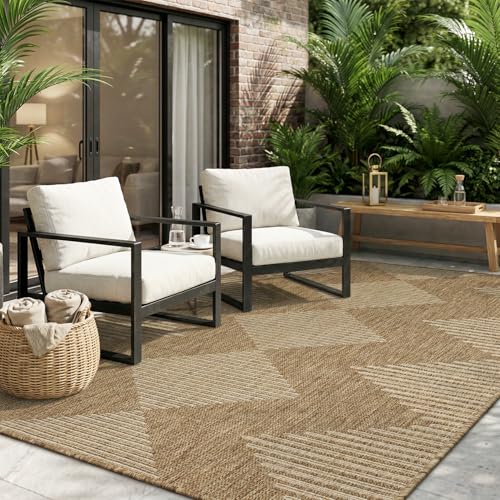


The fastest way to improve a small balcony is to cover the floor, define one use area, and keep the color story tight. If the space is tiny, every extra object needs a job. A clean plan beats a pile of decor.
Start by measuring the usable footprint, door swing, and walkway width. Leave enough room to open the door fully and step out without turning sideways. For narrow balconies, about 24 to 30 inches of clear walkway is a practical target.
What you’ll need
- Weather-resistant outdoor rug or mat
- Low-pile or flatweave rug pad with non-slip backing
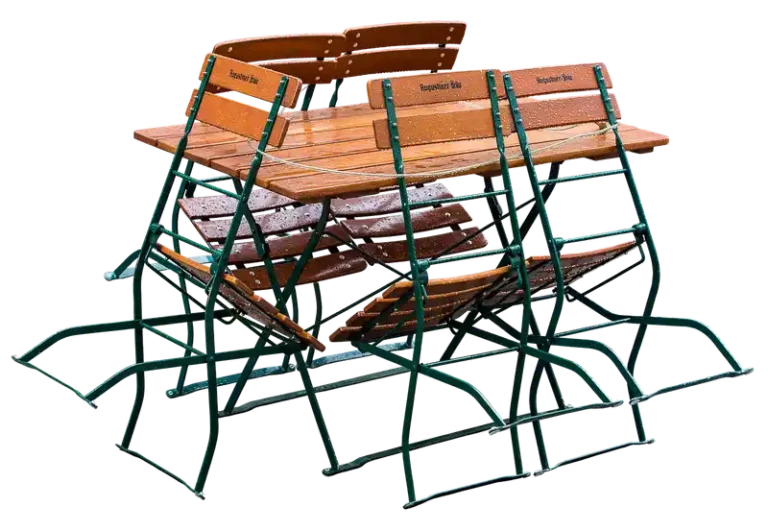
- Compact chair, bench, or folding seat
- Small side table or fold-down tray table
- Railing, floor, or hanging planters with drainage holes
- Outdoor-rated string lights, solar lights, or battery lanterns
- Privacy screen, curtain, slatted panel, or tall planter
- Outdoor cushions with removable covers
- Vertical storage rack or wall-leaning shelf
- Measuring tape and painter’s tape for layout planning
How do you make a balcony look nice fast?
A common way to make the balcony feel finished is to work in this order: floor, seat, plants, light, and privacy. That sequence gives the biggest visual payoff first and keeps you from buying pieces that do not fit. For most small balconies, three main additions are enough.
- Map the layout first. Measure the depth, width, and door clearance before buying anything. Mark where a chair, rug, and planter would sit so the balcony still has a clear path.
- Lay the floor anchor. Choose an outdoor rug sized to the balcony footprint, ideally low-pile or flatweave with non-slip backing or a rug pad. This grounds the space and makes the rest of the decor feel planned.
- Add one compact seat. Pick a foldable, stackable, or narrow-footprint chair or bench with a seat depth that suits small spaces. If there is room, add a small side table so the seat reads as a usable spot, not just extra furniture.
- Place one greenery layer. Use a railing, floor, or hanging planter with drainage holes and lightweight material. Match the plant size to the sun, shade, and wind conditions so it stays healthy and stable.
- Finish with warm light. Add outdoor-rated lighting in a warm color temperature, then route cables or battery packs so they do not hang loose. Soft evening light makes a compact balcony look cared for without adding clutter.
Say your balcony is 5 by 7 feet with a sliding door that opens inward. A 3 by 5 foot rug, one folding chair, and one railing planter will read as complete without pinching the walkway. Add a second chair only if the door still clears with room to spare.
Decorate in this order
The highest return per dollar usually comes from replacing empty floor space with one defined zone. After that, choose pieces that solve a real balcony problem: lack of seating, lack of privacy, or harsh light. Decorative objects should come last.
- Start with the floor. An outdoor rug changes the whole read of the balcony. Use weather-resistant material, a size matched to the footprint, and a low profile so it dries faster and does not catch under doors. A non-slip layer matters on smooth concrete and tile.
- Add the seating base. Compact seating gives the balcony a purpose. Foldable or stackable furniture works best when the space must stay open most days, and narrow frames help preserve a walking lane. Pair one seat with a small side table if there is enough room for a drink or book.
- Bring in plants. Planters soften hard balcony lines, but they need drainage holes, lightweight material, and a stable spot out of the wind. Use railing, floor, or hanging versions that fit the surface you have. In sun, choose heat-tolerant plants; in shade, choose varieties that handle lower light.
- Add light last. Balcony lighting should be outdoor-rated, warm, and easy to route safely. Solar, plug-in, and battery-powered options all work if the cables stay tidy and out of the walkway. Aim for light that improves evening visibility without glare at eye level.
- Layer privacy carefully. Privacy screens, curtains, slatted panels, and tall planters can all work in rentals. Match the coverage height and width to the sightline you want to block, and think about airflow. A screen that blocks too much light can make a small balcony feel boxed in.
Balcony makeover priority checklist
This checklist ranks the easiest upgrades in the order they usually give the most visual impact on a small balcony. For renter-safe results, prefer pieces that sit, clamp, hook, or lean instead of permanent installs.
| Item | Visual impact | Cost tier | Renter-safe setup | Space required | Common mistake |
|---|---|---|---|---|---|
| Outdoor rug | Very high | Low to medium | Loose lay with non-slip pad | Full floor footprint or seated zone | Too large, too thick, or slick underfoot |
| Compact seating | Very high | Medium | Foldable, stackable, or freestanding | 24 to 30 inches of depth, depending on model | Furniture too deep for the walkway |
| Small side table | High | Low to medium | Freestanding or fold-down | About 12 to 18 inches wide | Choosing a table that blocks the door |
| Planters | High | Low to medium | Hooked, set on the floor, or hung safely | Vertical space more than floor space | Overloading railings or skipping drainage |
| Warm lighting | High at night | Low to medium | Battery, solar, or routed plug-in | Minimal floor use | Loose cords and harsh glare |
| Privacy screen | High | Low to medium | Clip-on, tie-on, or freestanding | Uses vertical edge space | Too much blocking in a shaded space |
| Outdoor cushions | Medium | Low | Removable covers and quick-dry fill | Stored when not in use | Leaving them out in wet weather |
| Vertical storage | Medium | Low to medium | Wall-leaning or railing-friendly format | Slim depth only | Blocking pathways or door clearance |
| Decor tray or candle holder | Medium | Low | Freestanding on table or shelf | Very little | Adding too many tiny objects |
| Extra textiles | Medium | Low | Color-matched and easy to store | Stored in a dry bin | Mixing too many patterns in a small space |
How do you decorate a rented balcony without drilling?
Use freestanding, clamped, or hooked pieces instead of fixed mounts. That usually means rail planters, weighted screens, battery lights, and furniture that stands on its own. The goal is to make the balcony feel intentional without leaving marks or depending on landlord approval.
- Choose non-permanent anchors. Use a rug, a chair, and a planter base before adding anything that needs hardware. These pieces set the look without holes.
- Pick safe mounting methods. Favor railing hooks, tie-on panels, tension-style options, or weighted stands where allowed. Avoid anything that depends on drilling into concrete, tile, or railing posts.
- Keep weight low and stable. Select lightweight planters and check that they sit securely in wind. Heavy ceramic looks nice, but it can overload a railing or be hard to move during bad weather.
A common first-timer mistake is hanging too many items from the railing. That can crowd the view, catch wind, and make the whole setup look busy. One planter line is often enough on a small balcony.
What colors and materials make a balcony feel finished?
A small balcony looks more polished when the colors repeat and the materials agree with each other. Two to three main colors is often enough for most rentals. Neutrals with one accent color usually read calmer than a mix of many bright tones.
Build a simple palette
Pick one base color for the rug or seating, one neutral for the larger furniture, and one accent for cushions or planters. Keep planters, textiles, and seat frames in related tones so the balcony reads as one space instead of separate items.
Match the materials
Choose surfaces that look suited to outdoor use: powder-coated metal, treated wood, resin, woven synthetics, and weather-resistant fabric. A matte finish often looks calmer than a shiny mix. Low-pile rug texture, smooth seating, and a few plant leaves are usually enough.
Suppose the balcony has gray concrete walls and a black railing. A beige rug, black chair, and one olive or terracotta accent in the planters will feel finished without adding visual noise. Keep the rest of the pieces in the same family.
Common mistakes
Most balcony problems come from scale, not style. The space feels cramped when furniture is too deep, the floor is covered with too many small objects, or the sightline is blocked from the door to the edge.
- Buying oversized furniture. Check seat depth and table width before ordering. On tiny balconies, one wrong piece can block the path and make the area unusable.
- Using a slippery rug. Choose a low-pile or flatweave rug with a non-slip backing or pad. Thick indoor rugs can trap moisture and shift underfoot.
- Overloading railings. Use lightweight planters and keep heavy items on the floor. If the balcony gets windy, move fragile pieces low and inward.
- Running messy lighting cables. Route cords along edges and keep connections off the walking path. Loose cable runs look unfinished and can be a trip hazard.
- Adding too many decor objects. One tray, one lantern, or one cushion set is usually enough. The more tiny items you add, the smaller the balcony feels.
Each new piece should solve one job, and it should fit the balcony’s weather and size before it fits the style. If a decor item does not help seating, coverage, light, or comfort, leave it out.
Frequently asked questions
What are the easiest ways to make a balcony look nicer without buying much?
Start by clearing the floor, washing the surfaces, and rearranging what you already have into one seating zone. A single rug, one plant, and a cushion or throw can help change the read of the space. Keep the palette limited so the balcony looks tidier without extra spending.
How do I decorate a small balcony without making it feel crowded?
Use fewer, larger pieces rather than many small ones. Keep the walkway open, choose narrow furniture, and stop at one focal area: rug, seat, and either plants or lighting. If the balcony has to do more than one job, pick foldable pieces that can be moved aside.
How can I make a rented balcony look nice without drilling holes?
Use freestanding furniture, railing hooks where allowed, and battery or solar lighting. Add a rug, lightweight planters, and a privacy screen that clamps, ties, or stands on its own. Anything permanent should be skipped unless the lease clearly allows it.
What furniture works best for a tiny balcony makeover?
Compact furniture with a narrow footprint works best, especially folding chairs, stackable stools, and slim benches. A small side table helps the space feel usable, but only if it does not block the door or walkway. Measure depth first and leave room for movement.
How do I add privacy and coziness to a balcony?
Use a privacy screen, tall planter, or curtain-style panel to block the exact sightline that matters most. Then add warm lighting and one or two cushions in the same color family. Keep airflow in mind so the balcony still feels open, not boxed in.
What balcony decor gives the biggest visual impact on a small budget?
An outdoor rug often gives a noticeable change for the cost because it defines the space quickly. After that, a single compact seat and one layer of greenery or lighting make the balcony feel finished. Those three pieces create the strongest effect without crowding a small rental.
Products related to this article
Sponsored / affiliate links. As an Amazon Associate I earn from qualifying purchases. I may earn additional commission from eligible campaigns.