Balcony Table Size Chart
For many balconies, a round 24- to 30-inch table or a 30 x 20-inch rectangular table is a common fit, with at least 30 inches of walking clearance around the setup. Go larger and chairs block doors, railings, and traffic, which makes the space feel cramped and harder to use. This balcony table size chart turns table dimensions into fit, clearance, and seating guidance for compact outdoor spaces.
What size table fits on a small balcony?
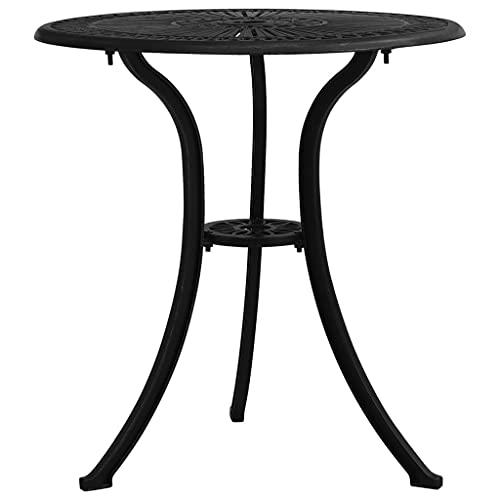

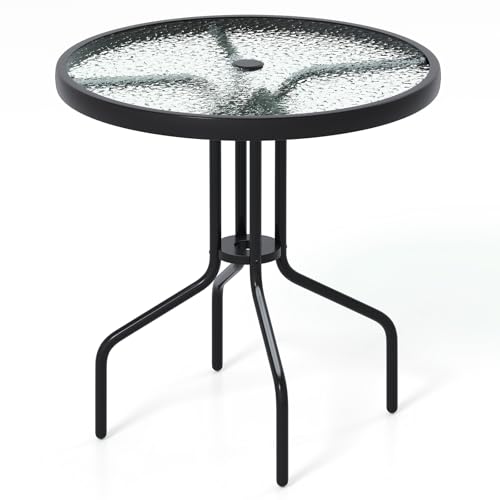
For a small balcony, the best table is usually the smallest one that still leaves room to pull out chairs and pass by without turning sideways. A coffee-only setup can be very compact; laptop work needs a stable top and knee room; two-person dining needs more depth because chair pull-back space matters as much as the table itself.
The most useful way to judge fit is by use case. A 24-inch round table can work for drinks and a laptop. A 30 x 20-inch rectangular table is a common two-person option. Once you move toward 36 inches or more on either side, the setup often starts to claim too much of the balcony floor unless the space is wide and open.
Standard balcony table sizes
These are the sizes most often used as starting points for compact balcony layouts. They are not the only options, but they are the most practical reference points when you want a quick answer before comparing your actual width, depth, and door swing.
- Round 24 inches: best for coffee, a laptop, or a plant stand.
- Round 30 inches: common for light dining for two.
- Square 28 inches: useful when the balcony has a balanced footprint or a corner zone.
- Rectangular 30 x 20 inches: common for two-seat balcony dining.
- Rectangular 36 x 24 inches: better only when the balcony has extra depth and width.
- Folding 24 x 18 inches: useful when the balcony needs a setup that can disappear fast.
Balcony table size chart
Use the table below as a first-pass fit check, then compare it with your actual balcony width, depth, and traffic path. The clearance column includes chair pull-back and a small circulation buffer, so a table that meets the number should feel usable rather than barely possible. The “best placement” and “fails when” columns help turn the chart into a simple fit calculator for narrow layouts.
| Table footprint | Approx. size in cm | Approx. size in inches | Suggested chair count | Recommended balcony width | Recommended balcony depth | Minimum clearance needed | Works on very narrow balconies? | Best placement: center/wall/corner | Fails when… | Best use case |
|---|---|---|---|---|---|---|---|---|---|---|
| Round 24 in | 61 cm diameter | 24 in diameter | 1-2 | 120 cm / 47 in | 150 cm / 59 in | 76 cm / 30 in | Yes | Corner or wall | Chair pull-back cuts into the only walking lane | Coffee, plant stand, laptop use |
| Round 30 in | 76 cm diameter | 30 in diameter | 2 | 150 cm / 59 in | 180 cm / 71 in | 76 cm / 30 in | Sometimes | Corner or center | The balcony door swings into the chair zone | Light dining for two |
| Square 28 in | 71 x 71 cm | 28 x 28 in | 2 | 150 cm / 59 in | 180 cm / 71 in | 76 cm / 30 in | Sometimes | Corner | The table traps the center of the balcony and blocks movement | Breakfast or drinks for two |
| Rectangular 30 x 20 in | 76 x 51 cm | 30 x 20 in | 2 | 140 cm / 55 in | 180 cm / 71 in | 76 cm / 30 in | No | Wall or lengthwise | The walkway narrows once both chairs are pulled out | Two-seat balcony dining set |
| Rectangular 36 x 24 in | 91 x 61 cm | 36 x 24 in | 2-4 | 180 cm / 71 in | 210 cm / 83 in | 91 cm / 36 in | No | Center or wall | The balcony needs more circulation than the footprint can leave open | Dining plus a serving edge |
| Folding 24 x 18 in | 61 x 46 cm | 24 x 18 in | 1-2 | 120 cm / 47 in | 150 cm / 59 in | 61 cm / 24 in | Yes | Wall or corner | Stored depth is still too bulky for the available storage space | Coffee, work, fast setup |
That chart is the practical answer to a common buying mistake: a table can fit on paper and still fail in daily use. If the balcony is 130 cm wide, a 76 cm wide table plus two chairs may technically fit, but the remaining walking space may be too tight for comfortable movement.
For example, a compact two-seat balcony setup with a table measuring 55 cm long, 54 cm wide, and 70 cm high, plus chairs measuring 39 cm wide, 40 cm deep, and 79 cm high, gives a useful footprint to test against your own space. If you have a balcony that is only slightly wider than the chair depth plus the table width, that setup can still feel cramped once the door opens or the chairs are pulled back.
Suppose a balcony is 150 cm wide and 200 cm deep. A 30-inch round table can work for two chairs, but a 36 x 24-inch rectangular table may leave too little circulation if the door opens inward or the railing interrupts chair pull-back. The shape matters as much as the footprint.
How much clearance do you need around chairs?
A balcony table needs more space than its top alone. Plan for chair pull-back, a path behind the chairs, and enough room to stand without bumping the railing or the door. A good minimum for comfort is about 76 cm, or 30 inches, behind each seated edge when the balcony allows it.
For narrow balconies, the table may fit but the chairs may not function well. The chair depth in the common two-seat set below is 40 cm, and the seat is 45 cm high. That means you need room for the chair itself plus space to slide it back and sit down without scraping walls or posts.
Two-seat balcony dining set fit
A two-seat balcony dining set works best when the table is about 24 to 30 inches across or around 30 x 20 inches rectangular, with enough depth for both chairs to move in and out. The example footprint here uses a table that measures 55 cm long, 54 cm wide, and 70 cm high, plus chairs that measure 39 cm wide, 40 cm deep, and 79 cm high. It suits a balcony or cosy garden corner when the depth allows chair pull-back and a clear walking lane.
That size works when the balcony is deep enough to include the chair footprint and the walking zone at the same time. It feels cramped when the chair backs land too close to a door track, a railing post, or a corner that cuts off the pull-back space.
-
Measure the chair zone. Use the chair depth first, then add the space needed to move it back. With a 40 cm chair depth, a balcony that leaves less than 76 cm behind the seat line usually feels tight for daily use.
-
Check the walking strip. Keep a clear path where you enter and exit the balcony. About 76 cm, or 30 inches, is a common minimum for easy movement; less than that can make the setup feel blocked when both chairs are occupied.
-
Account for door swing. Open the balcony door fully and measure the path it takes. If the door swings toward the table, a small top can still fail because it interrupts traffic and makes chair access awkward.
A common mistake is ignoring the table base and leaving too little room for chairs to slide on a narrow balcony. A 55 cm by 54 cm table may look tiny, yet two chairs still need floor space, and that floor space is what usually runs out first.
How do you measure your balcony before buying?
Measure the usable floor area, not just the outer slab. Record balcony width, balcony depth, the position of the railing, and any corner cuts, door swings, or posts that reduce the effective rectangle. The usable area is the space a table and chairs can actually occupy without blocking movement.
If the balcony is an awkward shape, break it into zones. Long slim balconies often work best with a narrow rectangular or folding table along one wall. Corner balconies can support a round or square top if the seating stays inside the wider section. Narrow rails can also steal chair depth, so measure to the obstruction, not only to the edge.
-
Measure width first. Measure from wall to railing at the narrowest point, then repeat near the door. Use the smaller number, because one tight section can control the whole layout.
-
Measure depth second. Measure from the door line to the railing line, then subtract anything that blocks placement, such as a post, planter, or curved corner. This tells you how much floor remains for table, chairs, and passage.
-
Map fixed obstacles. Mark rail posts, drains, vents, and door swing on a simple sketch. These details decide whether a round table can rotate into place or whether a rectangular one needs to sit lengthwise.
-
Reserve circulation space. Leave at least 76 cm, or 30 inches, for a walking lane where you need to pass. If the balcony is narrow, choose a foldable design so the layout can change when the space is in use.
Which table shape works best on narrow balconies?
Narrow balconies usually do best with round, square, or folding tables that keep corners out of the walkway. Round tables are easier to move around. Square tables can tuck neatly into a corner. Folding tables are the strongest option when the balcony must switch between dining, work, and open floor space.
Round tables
Round tables suit tight balconies because they remove sharp corners from the circulation path. A 24- to 30-inch round top is often easier to place near a railing or in a corner than a larger rectangle, especially when chairs need to swing in and out without catching on edges.
Square tables
Square tables work well when the balcony has a balanced footprint or a corner that can hold the table base. A 28-inch square top can feel orderly in a compact space, but it needs enough side clearance that the chairs do not trap the center of the balcony.
Rectangular tables
Rectangular tables are useful on long slim balconies because they follow the line of the space. A 30 x 20-inch top is a common fit for two people, while a larger top may work only if one side is left open for circulation or if the chairs are fold-flat and stored when not in use.
Folding tables
Folding balcony furniture is the easiest choice when the balcony has multiple jobs. It gives quick setup and teardown, and the fold-flat design reduces storage depth when not in use. The example footprint here folds flat for storage, which matters when the balcony must stay clear part of the day.
With folding furniture, check the folded thickness as carefully as the open footprint. A table that folds flat can still be awkward if the stored depth is too large for a closet, hallway, or indoor corner. The better choice is the one you can put away without leaving it in the walking path.
What materials and storage features should you choose?
For small balconies, the best material is one that stands up to rain, sun, and temperature shifts without demanding constant care. Solid acacia and steel with powder coating are common because they balance structure and outdoor use. That said, weather resistance is not the same as no maintenance; all outdoor furniture needs attention after rain and across the seasons.
The example footprint here uses solid acacia and steel with powder coating, and it is tested for home use and meets EN 581 durability and safety requirements. That helps with basic confidence in structure, but it does not remove the need to wipe it dry after rain or store it properly when the season changes.
Solid acacia vs powder-coated steel
Solid acacia is a wood choice that usually needs regular care to keep its surface in good condition. Re-staining once or twice a year is a common maintenance schedule for this kind of outdoor furniture. Powder-coated steel adds strength and weather resistance, and the coating helps slow corrosion when the finish stays intact.
If you want the least fussy routine, pick a table that you can dry quickly after rain and cover when stored outside. Indoor storage in a cool dry place is better when space allows. If you must leave it outdoors, use a waterproof cover and make sure moisture cannot pool under the cover.
Fold-flat storage and setup
Folding balcony furniture is useful because it clears the floor fast. That matters on balconies used for both seating and circulation. A fold-flat table is easier to move for cleaning, easier to store in winter, and easier to pull out when you only need a short coffee break.
For folding pieces, ask two questions before buying: how wide is it open, and how deep is it folded? Those two numbers tell you whether the furniture fits your balcony lifestyle, your storage closet, and the time you want to spend setting it up.
-
Dry the surface after rain. Wipe down wood and metal after wet weather so standing water does not sit on joints, edges, or finish. This helps the table last longer and keeps the surface cleaner for the next use.
-
Store it indoors when possible. Put the furniture in a cool dry place when the balcony season ends. Indoor storage reduces exposure to moisture, sun, and repeated temperature swings.
-
Use a waterproof cover. If outside storage is the only option, cover the set with a waterproof cover that sheds rain and allows airflow. That limits surface wetting and slows wear between uses.
-
Refresh the finish regularly. Re-stain the acacia once or twice a year if the surface needs it. That schedule helps protect exposed wood before weather and cleaning start to dull the finish.
Frequently asked questions
How much clearance do I need around a balcony table
A useful target is at least 76 cm, or 30 inches, of clearance around the setup where people need to walk or pull out chairs. In cramped spaces, less may be physically possible, but the layout will feel tighter and harder to use. Measure the chair depth as well as the table footprint.
What is the best balcony table size for two people?
A two-person balcony dining set usually works best at about 24 to 30 inches round, or around 30 x 20 inches rectangular. If the chairs are full-size, the total footprint grows quickly. The set should leave enough room for a seated person to move without blocking the door or railing.
Should I choose a round, square, or folding balcony table
Choose round if your balcony is tight or has awkward corners. Choose square if you want a tidy corner layout and the floor is wide enough. Choose folding if you need the table to disappear after use, or if the balcony must change between dining, working, and open space.
How do I measure my balcony before buying a table
Measure the width, depth, door swing, railing line, and any posts or corners that cut into the usable floor area. Then subtract the space needed for chairs and a walking lane. A quick sketch usually makes it obvious whether the table belongs in the center, against a wall, or in a corner.
Will a patio table fit if my balcony is narrow?
Sometimes, but only if the chair clearance and circulation space still work after the table goes in. Narrow balconies often support a smaller round or folding table better than a wider rectangle. If the remaining walkway drops below about 76 cm, the setup may fit physically but feel cramped in daily use.
Do I need an umbrella hole on a balcony table
No. An umbrella hole is usually not essential on a balcony table, and on a compact balcony it can add little value compared with usable surface area and easier storage. A better priority is a stable top, weather-resistant materials, and a size that leaves room for chairs and movement.
Products related to this article
Sponsored / affiliate links. As an Amazon Associate I earn from qualifying purchases. I may earn additional commission from eligible campaigns.