How to Paint a Door Without Painting the Hinges
Leave hinges unpainted if they already blend in, mask them if the door must stay hung and the hinges are sound, or remove the door if you want the cleanest result or the hardware is loose. Poor masking can leave paint on moving parts, which leads to sticking and chipped edges.
You can paint a door cleanly without removing the hardware. Use painter’s tape to cover hinges and knobs, but seat the tape tight to the edges and pull it off before the paint dries.
Should you paint interior door hinges?
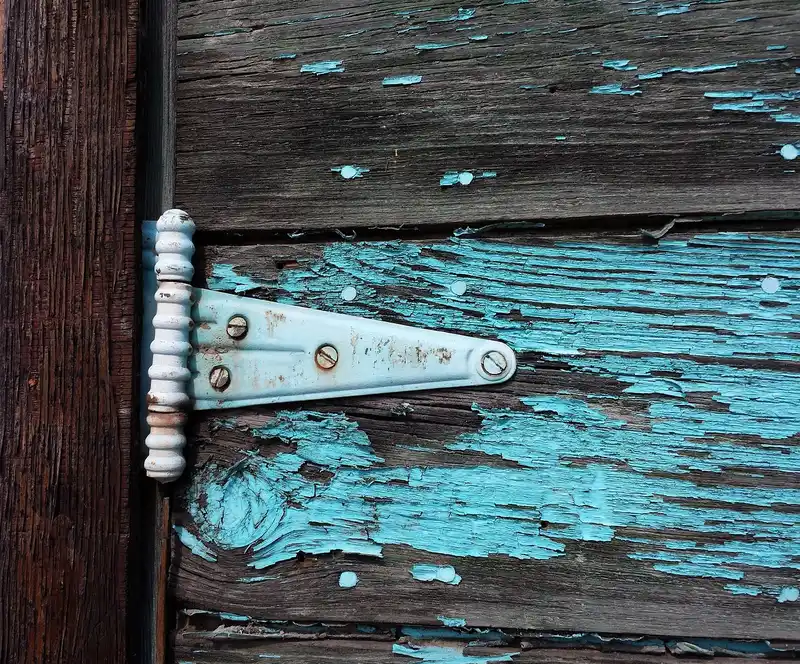
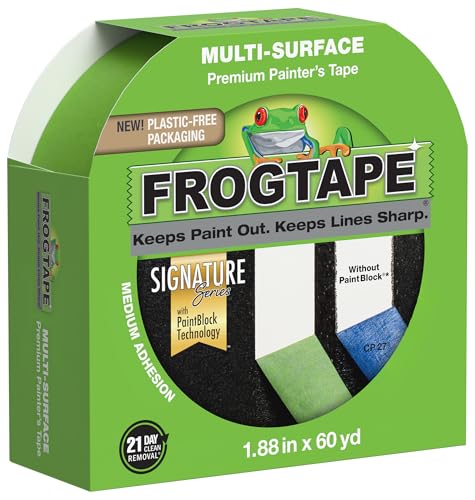


Check three things before you choose: hinge clearance, the existing finish, and how visible the hardware is from a normal viewing distance. If the hinge leaves sit proud enough that paint can build a ridge, the safer choice is usually to leave them alone or remove the door.
Door hinge decision checklist
| Branch | Use this when | Five-step prep sequence | Failure warning | Cleanup for wet paint |
|---|---|---|---|---|
| Leave hinges unpainted | The hinges already blend in, move freely, and do not draw the eye. |
|
Skipping the hinge finish avoids ridges, rub points, and chipped edges at the leaf. | Wipe wet paint off nearby metal right away with a damp cloth before it skins over. |
| Mask and paint around them | The door must stay hung and the hinges are serviceable, but the hardware is visible. |
|
Thick paint can bridge the hinge leaves and create a rub point after cure. | If the paint is still wet, lift it with the corner of a clean cloth and a plastic putty knife. |
| Remove the door | You want the neatest line, the hinges are loose, or the door needs flat painting. |
|
Painting flat cuts drips and runs, but a rushed rehang can still scar the fresh finish. | If wet paint gets on the hinge edge, wipe it now; dried paint needs careful scraping later. |
What you’ll need
- Painter’s tape for hinges and knobs
- Utility knife or razor for clean tape edges
- Putty knife for helping tape seat tight to hardware
- Heavy-duty household cleaner
- Sandpaper, 180-grit or finer for light prep
- 220-grit sandpaper for smoothing between coats
- Wood filler or spackling compound
- Two-part filler or epoxy wood filler for deeper holes
- Primer, including gray-tinted primer for dark-to-light changes
- Interior door paint, usually latex-based or acrylic
- Semi-gloss or gloss paint finish for many interior doors
- Sawhorses, lag screws, or other supports if removing the door
- Drop cloth
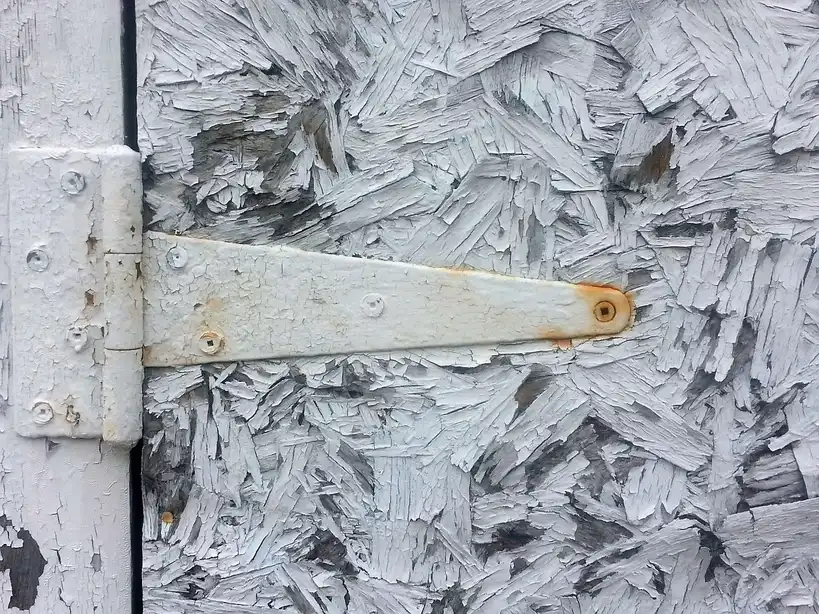
- Wash the door, hinges, knobs, and nearby trim with a heavy-duty household cleaner, then let the surface dry completely before sanding, filling, or priming.
- Scuff glossy areas with 180-grit or 220-grit sandpaper so the new coat can grip, and wipe away dust before you move on.
- Fill dents, chips, and holes with wood filler or spackling compound; use two-part filler or epoxy wood filler for deeper damage, then sand flush once it cures.
- Prime the door if you are changing color, covering stains, or going over a dark finish; gray-tinted primer is a practical choice for dark-to-light coverage.
- Mask the hinge leaves with painter’s tape only if the door must stay hung, and press the tape close to the edges with a utility knife or razor for a tight line.
- Paint the door in thin coats with latex-based or acrylic paint; many interior doors take semi-gloss or gloss well, especially on high-touch surfaces.
- A common rule of thumb is to remove the tape before the paint fully dries, then touch up misses with a fine brush and add about 2 to 3 millimeters only where needed.
How to paint door hinges
Paint hinges only when the hinge leaves already match the door plan and the hardware is fully covered by tape. The edges around the leaf need careful cutting, because hinge thickness can leave a ridge that may rub after the paint cures. If the hinge is loose, leave it bare or remove the door.
Can you mask hinges without removing the door?
Yes, but the hinge must be fully covered if it stays on the door. Tape works best when it is applied close to the hardware edges and trimmed cleanly with a utility knife or razor. Old, glossy hardware can resist tape, so press each edge down and check for gaps before painting.
Picture a paneled bedroom door with bright brass hinges and a satin white repaint. Masking can work if the leaves are flat and the door swings freely, but the same approach is riskier on a thick, proud hinge leaf that can catch fresh paint at the edge.
Paint the door in thin coats
Use latex-based or acrylic interior door paint, and choose semi-gloss or gloss when the door sees regular traffic. Family Handyman recommends laying the door flat so paint levels better and the finish is less likely to sag, so removing the door is the cleaner route when the hinges or finish are hard to work around. If you keep the door hung, brush carefully around the hardware in thin coats and watch the edges.
Say your hallway door has a glossy factory finish and a dark brown color. That surface usually needs primer before topcoats, and a gray-tinted primer is helpful when you are covering a dark base with a lighter finish.
Clean, sand, and fill the door
Cleaning comes first, especially near knobs and handles where oil and grime collect. Let the door dry completely before filling or priming, or the new materials can bond poorly. A light scuff with 180-grit or 220-grit paper is enough for most sound finishes; the goal is to dull the gloss, not strip the door.
Small flaws matter more on fresh paint than many DIYers expect. Tiny dents and chips telegraph through a smooth topcoat, so fill them before you paint.
Common mistakes
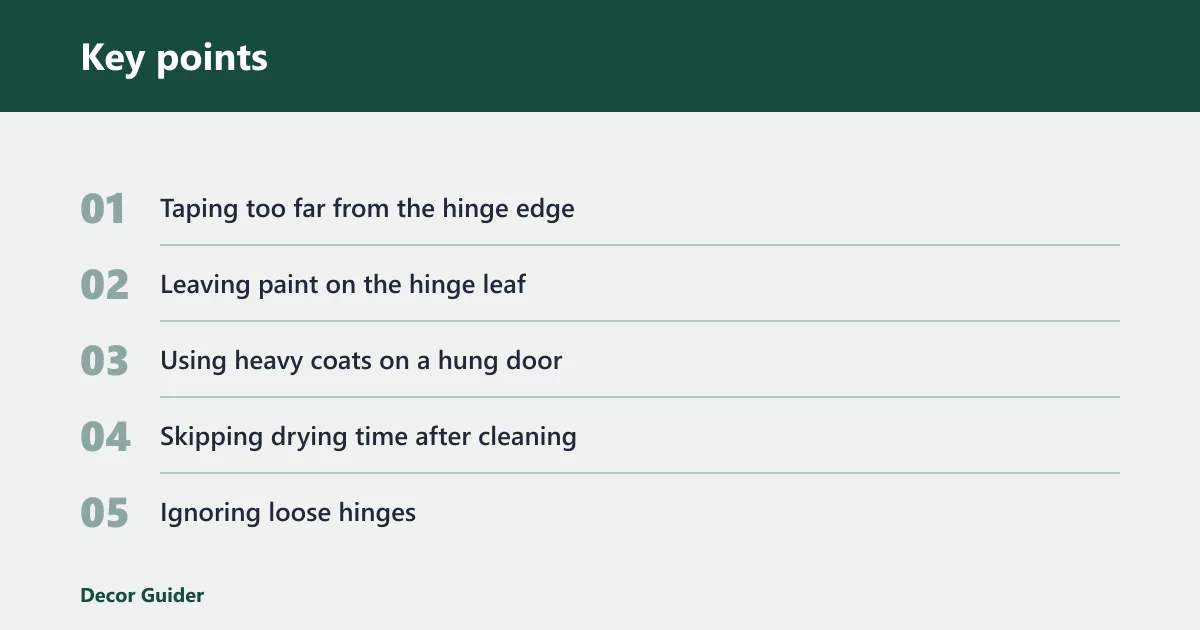
- Taping too far from the hinge edge: paint creeps under the tape and leaves a ragged border. Press tape close to the leaf and cut the edge cleanly.
- Leaving paint on the hinge leaf: a thick coat can create a ridge or rub point. Keep hinge coverage fully masked or skip painting it.
- Using heavy coats on a hung door: thick paint sags more easily on vertical surfaces. Apply thin coats and watch the first pass for drips.
- Skipping drying time after cleaning: moisture can weaken filler and primer adhesion. Dry the door completely before the next step.
- Ignoring loose hinges: loose hardware moves while you paint and can crack the finish later. Remove the door if the hinge does not hold steady.
If that didn’t work, try this next
- If tape will not hold to glossy hardware, clean again with heavy-duty household cleaner, dry fully, then lightly scuff the metal edge before retaping.
- If paint has already reached the hinge, wipe wet spots immediately with a damp cloth and a plastic putty knife; do not wait for a skin to form.
- If dried paint is already bridging the leaf, remove the door and scrape the hinge edge carefully, then touch up the door edge after the hardware is clear.
Frequently asked questions
Can door hinges be painted?
Yes, but only when the hinge leaves are fully covered and the door still swings freely after the coat dries. The cleanest result comes from masking close to the edges, then pulling the tape before the paint dries. Bare brass or loose hinges are better left alone than painted over.
Can you spray paint door hinges?
Spray paint can coat hinges, but it is a poor default choice on a hung door because overspray reaches the jamb, the latch, and nearby trim. If you want to spray, remove the door, cover the work area, and keep the hinge faces separate from the moving parts so the coating does not bind.
Should you paint interior door hinges: usually no, unless the hinges?
Usually no, unless the hinges are part of a full repaint and you can keep the coating thin. Interior doors commonly use latex-based or acrylic paint with a semi-gloss or gloss finish, but the hardware should only be painted when clearance is good and the leaves are fully protected from buildup.
Can you paint door hinges?
You can, but the decision should depend on clearance, hardware condition, and how visible the hinge is from normal viewing distance. If the door needs to stay hung and the hinge already blends in, leaving it unpainted is the lowest-risk choice. If the hardware is loose or rough, remove the door instead.
What goes wrong with painted hinges?
Paint on hinge leaves can bridge moving parts and create sticking after cure. That is the main problem with painting hardware in place: the coating can build at the fold line, then rub every time the door opens. Wet paint on metal should be wiped right away; dried paint usually needs careful scraping or a solvent-safe cleanup.
Old glossy hardware can also defeat tape, letting paint creep under the edge. If the hinge already has paint buildup, the safest answer is often to leave it unpainted rather than add another layer.
Products related to this article
Sponsored / affiliate links. As an Amazon Associate I earn from qualifying purchases. I may earn additional commission from eligible campaigns.