How to Open an Office Drawer Without a Key: 5 Methods
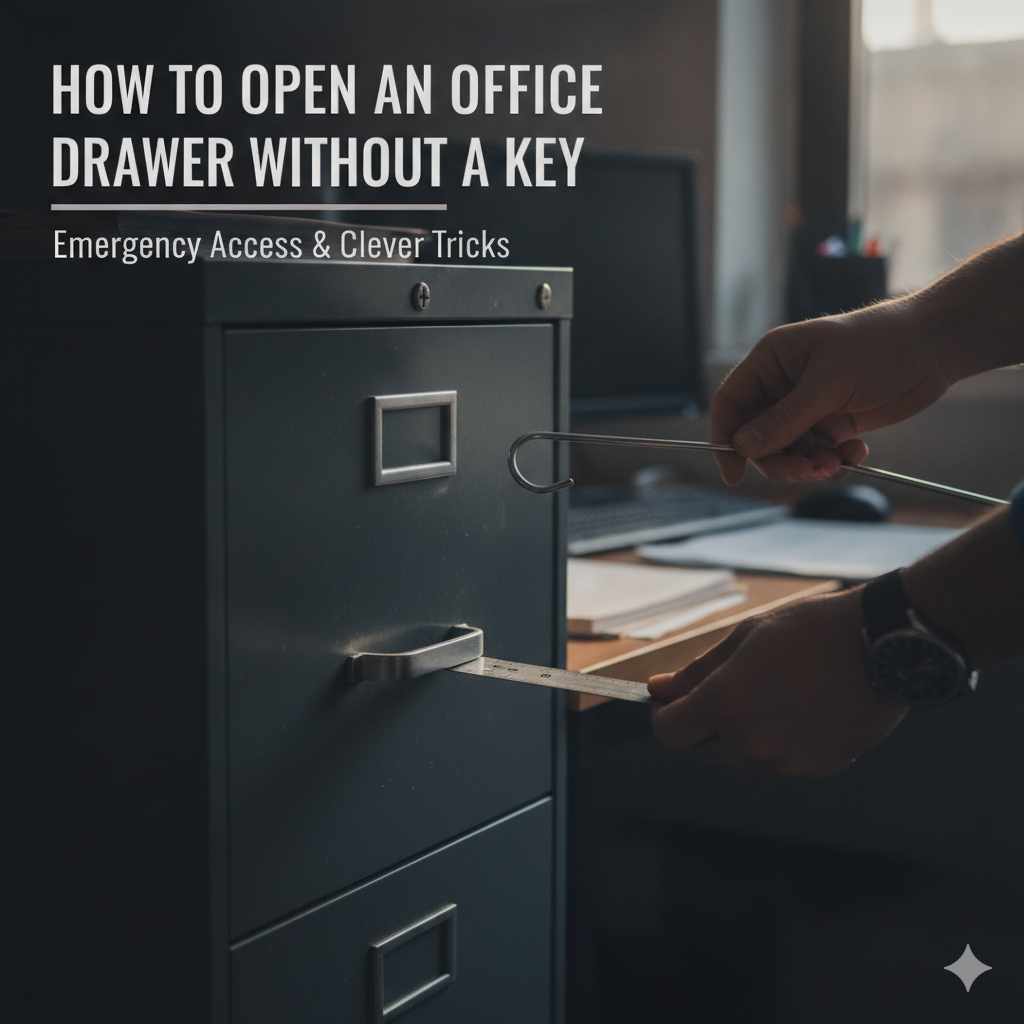
Most office drawers use low-security cam or wafer locks, so a stiff plastic card or a thin pick will open one without a key, provided the drawer is yours to open. Force it instead and you can bend the drawer front or wreck a lock cylinder that costs about $7 to replace. This guide covers five methods in order of risk: lock picking, shimming, bypass tools, bump keys, and drilling as a last resort.
Understanding Office Drawer Locks
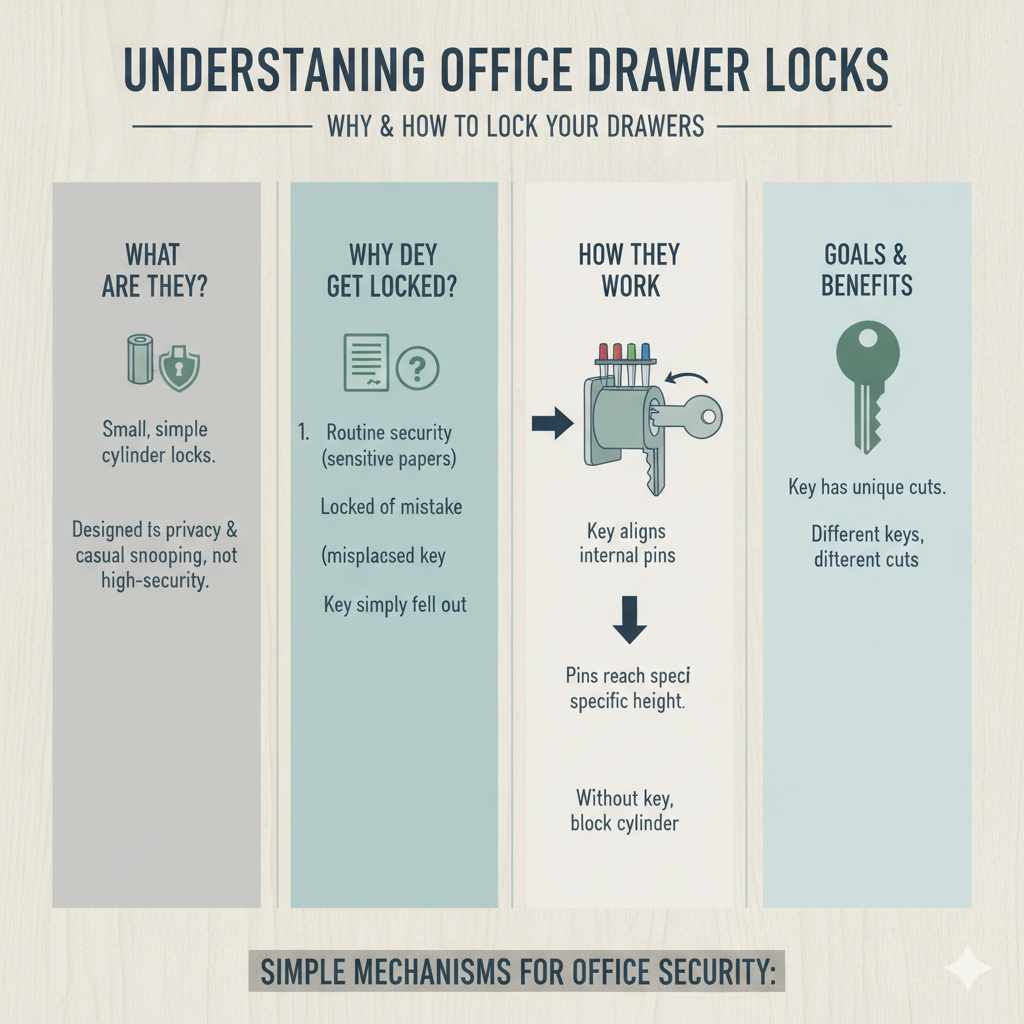
Office drawers often have small, simple locks. These are usually cylinder locks, much like those on a small diary or a basic padlock. They are designed more for privacy and to keep casual snoops out.
They aren’t typically high-security locks meant to stop a determined thief.
Why do they get locked in the first place? Often, it’s for routine security. People lock them at the end of the day to protect sensitive papers.
Sometimes, a drawer might be locked by mistake. Maybe someone else put the key away. Or perhaps the key simply fell out of a pocket or bag.
These locks work by aligning small pins inside the cylinder. The key has cuts that push these pins to a specific height. When they are all in the right spot, the cylinder can turn.
Without the key, the pins stay out of place, blocking the cylinder from turning.
A Personal Story: The Locked File Cabinet Fiasco
I remember one particularly stressful Tuesday afternoon. I was working on a big client proposal. All the critical research notes and printouts were in my top desk drawer.
I had it locked because a new temp was starting that day, and I wanted to be extra careful with sensitive project details. Well, the client called with an urgent question about a specific data point. I went to the drawer, reached for the key… and it wasn’t there.
My heart sank.
I searched my pockets, my desk, the floor around my desk. Nothing. Panic started to set in.
I could hear the client waiting on the line. The printer was just spitting out the final pages of the proposal, and I needed those supporting documents. I felt a bead of sweat roll down my temple.
This drawer held the key to my sanity and the client’s satisfaction, and it was mocking me with its locked stillness. I briefly considered just yanking the drawer out, but I knew that would cause damage and likely make things worse. I needed a smarter, gentler approach.
Best Office Drawer Lock Fix

Prime-Line Diecast Drawer and Cabinet Lock – $7.27
Replaces the cylinder you destroy if you fall back on Method 5 below and drill the lock out, so the drawer locks properly again afterward.
- Best for: Restoring a working lock after drilling out the cylinder, the last-resort method this guide describes
- Why we picked it: Diecast 7/8-inch body fits the common cam-lock cutout used on the office furniture covered here
- Main drawback: Comes with its own key, so it will not match the other drawers in the same desk
Compare more drawer lock tools and replacements
 Option 1 Hillman Graphite Key and Lock Lubricant – $6.58
|
 Option 2 Rindion 10-Piece Hook and Pick Set – $6.99
|
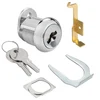 Option 3 File Cabinet Lock Kit for HON F24 and F28 – $12.99
|
As an Amazon Associate we earn from qualifying purchases.
Why Bypassing is Often the Goal
The goal when you’ve lost a key is not to break the lock or the drawer. It’s to open it without causing damage. This is especially true in an office setting.
You don’t want to have to explain why you destroyed office furniture. Most of these locks are pretty basic. This means they can often be bypassed with simple tools or techniques.
Think about it: the lock is designed to be opened by a specific shape. If you can mimic that shape or trick the pins, you can unlock it. This is often easier than people realize.
The key is to be patient and use the right method for the type of lock you’re dealing with.
For many standard office desk drawers, the locks are quite similar. They are not high-security systems. This is a good thing for you when you’ve misplaced the key.
It means there are likely easy ways to get it open. We’ll explore these methods step-by-step.
Common Drawer Lock Types
Most office drawers use one of a few simple lock styles. Knowing this helps you choose the right bypass method.
- Cam Locks: These have a small metal arm (cam) that turns to secure the drawer. They are very common on filing cabinets and desks.
- Wafer Locks: Similar to cam locks, these use flat wafers instead of pins. They are also easy to pick.
- Keyed Alike Locks: Some office furniture might have locks that all use the same key. If you have a key to another drawer, it might work here.
Understanding your lock helps predict how to open it.
Method 1: The Lock-Picking Approach (Gentle Method)
This is the classic method you might have seen in movies. For simple office locks, it’s often very effective. You don’t need to be a spy.
You just need a couple of simple tools and a bit of patience. The idea is to manipulate the pins inside the lock cylinder.
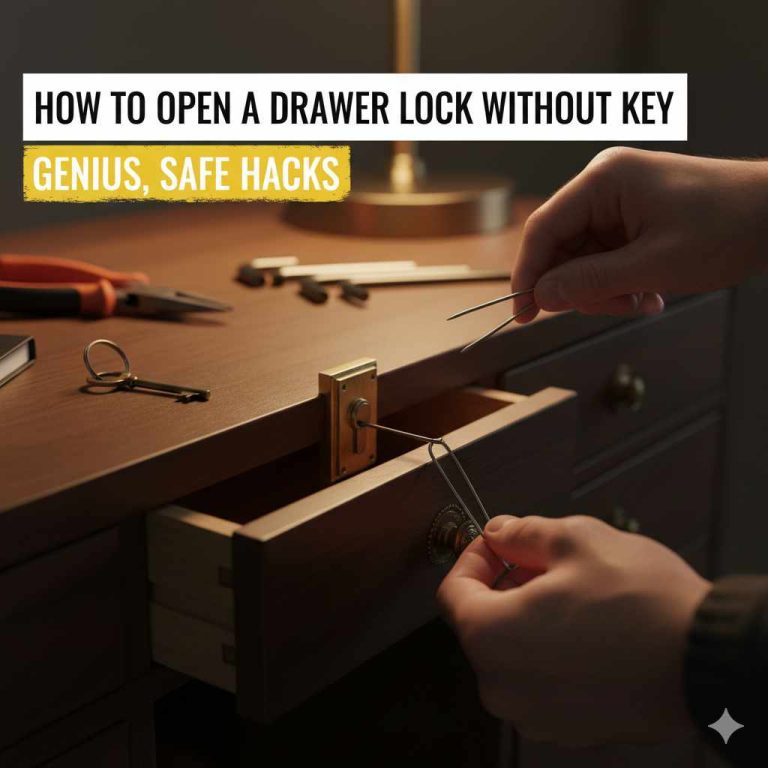
You’ll need two main tools: a “tension wrench” and a “pick.” For a tension wrench, you can use a small, flat-head screwdriver or even a sturdy bobby pin bent into an L-shape. For a pick, a paperclip straightened and bent slightly at the end works well. A small set of lock picks is also inexpensive if you find yourself doing this often. For the full breakdown of this technique on a standard drawer lock, see how to open a drawer lock without a key.
Here’s how it works:
1. Apply Tension: Insert the tension wrench into the bottom of the keyhole. Turn it gently in the direction the key would turn to unlock.
You’re applying light turning pressure. 2. Set the Pins: Insert your pick into the top of the keyhole.
Gently push up on each pin you feel. When a pin is lifted to the correct height, it will “set.” You might feel a tiny click or a slight give. 3.
Repeat: Keep applying light tension and setting each pin one by one. Once all pins are set, the tension wrench will turn freely, and the lock will open.
This method requires practice. Don’t get discouraged if it doesn’t work immediately. The key is light touch and persistent, gentle pressure.
For office drawers, this is often the cleanest way to get in.
Method 2: The Shim Technique
This method is great for cam locks, which are very common on office furniture. It bypasses the pins entirely by sliding a thin, flexible piece of material between the drawer and the frame. The goal is to push the cam lever out of its locked position.
What can you use as a shim? A plastic card works well. A library card, a credit card, or even a sturdy piece of plastic packaging can do the trick.
The card needs to be stiff enough to slide but flexible enough to bend slightly.
If the gap is too tight to shim, another route is to pull the drawer above it out completely and reach down from the top, the same way you would remove a file cabinet drawer. Once you have access again, fitting a simple DIY drawer lock with a spare key kept elsewhere stops a repeat lockout.
Here’s how you do it:
1. Find the Gap: Look for the small gap between the drawer front and the cabinet frame. This is where the lock mechanism usually engages.
2. Insert the Card: Slide the plastic card into this gap. Angle it so it goes past the locking bolt.
3. Wiggle and Turn: Gently wiggle the card up and down while applying slight outward pressure on the drawer. You’re trying to slide the card behind the cam lock.
If you can get the card to push the cam lever back, the drawer will pop open. 4. Add Tension: Sometimes, you might need to apply a bit of outward pull on the drawer while wiggling the card.
This helps the cam release. Be firm but not forceful.
This technique is quick for the right type of lock. It’s less about precision and more about finding the right angle and a bit of jiggling. I’ve used this successfully on many filing cabinets and desk drawers.
It often takes just a minute or two once you get the feel for it.
Shimming Success Factors
- Card Stiffness: Too flimsy and it bends. Too thick and it won’t slide in.
- Angle of Entry: Finding the right angle to slip the card past the bolt is crucial.
- Gentle Force: Too much force can bend or break the card, or even damage the drawer.
Practice on a spare piece of furniture if you can. It helps to understand the feel.
Method 3: The Bypass Tool (Similar to Shim)
This is essentially a more specialized version of the shim. You can buy “drawer bypass tools” online or at hardware stores. They are often made of thin metal and shaped specifically to slide into the gap and disengage the lock mechanism.
These tools are designed to be thin and strong. They make it easier to get past the bolt compared to a regular plastic card. Many professional locksmiths use tools like these for simple desk locks.
The process is very similar to shimming:
1. Slide Tool In: Insert the bypass tool into the gap between the drawer and the frame. 2.
Engage Lock: Maneuver the tool to catch the locking bolt or cam. 3. Open Drawer: Gently pull the drawer open.
If you anticipate needing to do this more than once, investing in a simple bypass tool might be worthwhile. It’s a small tool that can save you a lot of time and frustration. It’s also less likely to damage the drawer than trying to force it.
Method 4: The Bump Key (Advanced, Use with Caution)
A “bump key” is a specially cut key that can be used to open many types of pin-tumbler locks. It’s called a bump key because you “bump” it into the lock and then tap it sharply.
How it works: When you insert a bump key and tap it, all the pins in the lock momentarily jump up. If you apply a slight turning force with a tension wrench at that exact moment, the pins can jump over the shear line, allowing the cylinder to turn.
This method requires a specific bump key for the type of lock (usually a 5-pin or 6-pin key). You also need a tension wrench. 1.
Insert Bump Key: Put the bump key into the keyhole. 2. Apply Tension: Place the tension wrench in the bottom and apply light turning pressure.
3. Bump It: Gently tap the end of the bump key with a small hammer or the handle of a screwdriver. 4.
Turn: If done correctly, the lock should turn.
Caution: This method is more advanced and can damage the lock if done incorrectly. It’s also best avoided if you want to keep the lock functional. For simple office desk locks, the shim or pick methods are usually sufficient and safer for the lock itself.
Bump Key Considerations
- Specific Keys: You need the right type of bump key for your lock.
- Skill Required: Timing is critical; it takes practice to get right.
- Potential Damage: Can potentially damage the lock’s internal pins if not used carefully.
This is more of a locksmith technique. For everyday office use, other methods are simpler.
Method 5: The “Destructive” Entry (Last Resort)
If all else fails, and you absolutely must get into the drawer immediately, there are more forceful methods. These will likely damage the lock, the drawer, or both. Only use these as a last resort when the contents are critically important and you have permission to cause damage.
Drilling the Lock: You can drill out the lock cylinder. This destroys the pins and allows you to remove the lock assembly. You’ll need a power drill and drill bits of various sizes.
Start with a small bit and gradually increase the size until you hit the pins. This is a messy process and requires careful drilling.
Prying the Drawer: You can try to pry the drawer open. Use a pry bar or a sturdy screwdriver. Focus on the area where the lock mechanism engages.
This is almost guaranteed to damage the drawer front and the cabinet frame. You’ll likely need to replace the drawer or the entire unit.
Removing Hinges (if applicable): Some older or simpler desk designs might have accessible hinges. If you can get to the hinge pins, you might be able to remove them to separate the drawer front from the drawer box. This is rare for standard office drawers.
When to Call a Professional: Before resorting to destructive methods, consider calling a locksmith. They have the tools and expertise to open locks quickly and often without damage. The cost of a locksmith is usually less than the cost of repairing or replacing damaged furniture.
Real-World Context: When Does This Happen?
I’ve seen this issue pop up in various office settings. In large corporations, a misplaced key for a shared filing cabinet can stop a whole department. In a small business, losing the key to a desk drawer can mean delays for the owner or manager.
What causes it? Busy Employees: People are rushing, keys get put down in odd places, or they fall out of pockets. Office Reorganization: Keys get mixed up during moves or desk changes.
Temporary Staff: New people might not know the key system well. Simple Wear and Tear: Sometimes, the lock mechanism itself can fail, making it seem like the key is lost when the lock is just stuck.
The environment matters. A cluttered desk is a prime candidate for a lost key. An open-plan office means more people have access, increasing the chance of a key being misplaced.
In home offices, it’s usually just you, but a busy workday can still lead to the same frustration.
Scenario: The Locked Supplies Drawer
Problem: The main office supply drawer is locked, and the key is missing. Everyone needs pens, paper clips, and printer paper.
Environment: A busy small business with shared access to supplies.
Why it happened: The last person to use it might have locked it for security and forgotten where they put the key. Or, the key could have fallen behind the cabinet.
Possible Solution: Try the shim method with a credit card. If that fails, a quick call to a local locksmith might be fastest.
What This Means For You
When your office drawer is locked and the key is gone, it’s easy to panic. But remember, most office locks are designed for basic security, not impenetrable defense. This means there’s a good chance you can open it yourself without causing damage.
When is it Normal? It’s normal to misplace a key. It happens to everyone. The situation becomes normal when you can retrieve the contents using a simple, non-damaging method within a reasonable time.
For instance, spending 5-10 minutes trying to pick or shim a lock is normal.
When to Worry: You should worry if the contents are extremely sensitive or valuable, and you cannot access them quickly. Worry if you’ve tried simple methods and failed, and you’re facing a deadline. Also, worry if you’re tempted to use excessive force, which could cause costly damage.
Simple Checks:
Retrace your steps: Where were you when you last saw the key? Check other drawers: If locks are keyed alike, another key might work. Look nearby: Keys often fall straight down or slide under things.
Ask colleagues: Someone else might have seen it or have a spare.
If these simple checks don’t yield results, then it’s time to consider the bypass methods. The goal is always to preserve the furniture and its contents.
Drawer Lock Reliability
Normal: Lock is functional, but the key is lost. Bypass methods work with minimal effort.
Concerning: Lock is jammed, or bypass methods fail repeatedly. This might indicate a broken lock mechanism.
Actionable Tip: Keep a universal key or a set of lock picks in a readily accessible, but secure, location for emergencies.
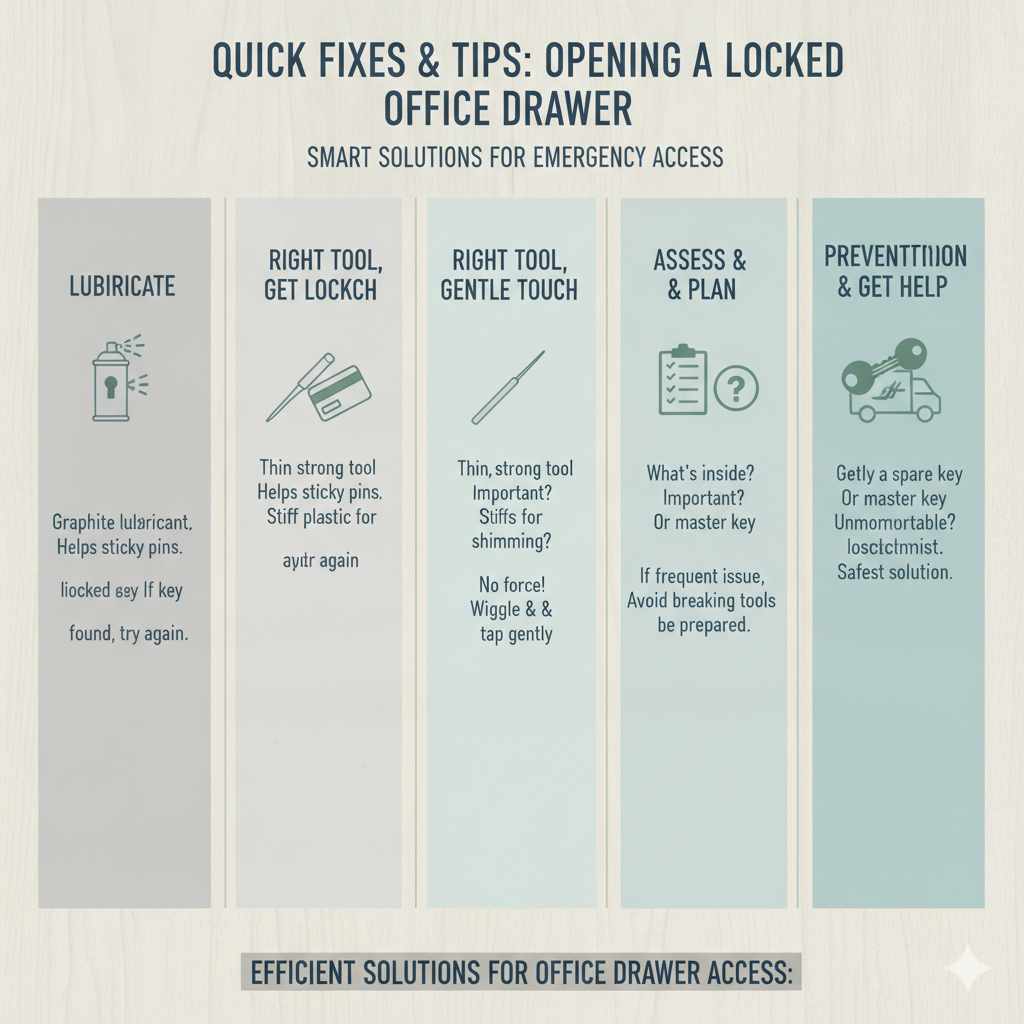
Quick Fixes & Tips
When you’re faced with a locked drawer, efficiency is key. Here are some quick tips to help you:
- Lubricate: Sometimes, a sticky lock can be opened with a bit of graphite lubricant (dry lubricant is best for locks). Spray a little into the keyhole and try the key again (if you find it). If trying to pick it, the lubricant might help the pins move more freely.
- Use the Right Tool: For picking, a thin, strong tool is better. For shimming, a stiff plastic card is ideal. Don’t use anything that could break off inside the lock.
- Gentle Persistence: Force is rarely the answer. Be patient. Wiggling, light tapping, and gentle turning are more effective than brute strength.
- Document Contents: Before you try any method, take a moment to think about what’s inside. Is it important? Is it sensitive? This helps you decide how much risk you’re willing to take.
- Consider a Spare: If this happens often, or if the contents are very important, consider getting a spare key made or having a locksmith create a master key for all your office furniture.
- When to Get Help: If you’re uncomfortable with any of these methods, or if the drawer contains highly confidential information, call a professional locksmith. It’s often the quickest and safest solution.
I once had a client who was constantly misplacing keys. We ended up getting all their filing cabinets re-keyed to use a single master key. It saved them so much time and stress in the long run.
It’s an investment that pays off.
Frequently Asked Questions
What’s the easiest way to open a locked office drawer without a key?
The easiest methods usually involve bypassing the lock rather than picking it. For cam locks, try the shim method with a stiff plastic card. For pin-tumbler locks, gentle picking with a straightened paperclip and a tension wrench can work.
These methods aim to open the drawer without damaging the lock or furniture.
Can I break into my office drawer if I lost the key?
You can force it open, but it’s not recommended as it will likely damage the lock and the drawer. Methods like drilling the lock or prying the drawer open are destructive. It’s always better to try non-damaging bypass techniques first.
If those fail, consider calling a locksmith.
How do I know what type of lock is on my office drawer?
Most office drawers use either cam locks (with a metal arm that turns) or pin-tumbler locks (where you insert a key into a cylinder). Look at the keyhole. A small slit or a round hole suggests a pin-tumbler lock.
If you see a small metal tab or arm that turns when the key is inserted, it’s likely a cam lock.
Is it safe to use household items to pick a lock?
Yes, for basic office drawer locks, household items like paperclips and bobby pins can work as lock picks. You’ll also need something for tension, like a small flathead screwdriver or another bent paperclip. These methods are safe for the lock if done gently and patiently.
How long should I spend trying to pick a lock?
For simple office locks, you might succeed in 5-15 minutes with practice. If you’ve spent 30 minutes or more with no success, the lock might be more complex, or you might need a different technique. At that point, it’s often more efficient to call a locksmith.
What should I do if I can’t open the drawer and the contents are urgent?
If the contents are urgent and you cannot access them quickly with basic methods, your best bet is to call a professional locksmith. They have specialized tools and experience to open most locks quickly and often without damage. Explain the urgency when you call.
Conclusion
Dealing with a locked office drawer when the key is missing is a common office headache. The good news is that with a little knowledge and patience, you can usually open it without causing damage. Remember to start with the gentlest methods, like picking or shimming, and only resort to more forceful options if absolutely necessary.
Prioritizing the preservation of your furniture and its contents will lead to the best outcome.
Products related to this article
Sponsored / affiliate links. As an Amazon Associate I earn from qualifying purchases. I may earn additional commission from eligible campaigns.