How To Remove Samsung Refrigerator Bottom Drawer Safely
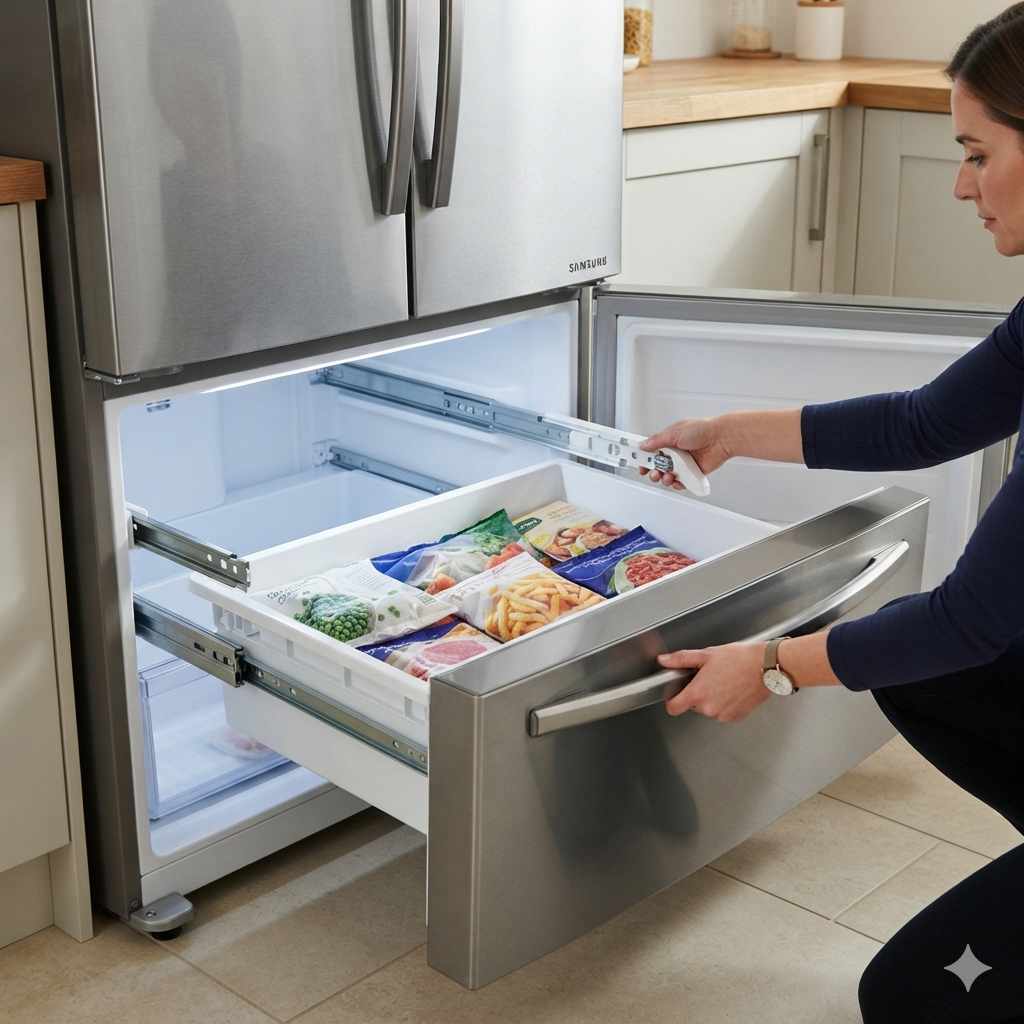
Safely removing your Samsung refrigerator’s bottom drawer involves understanding its slide mechanism and common release points. Most drawers slide out fully after engaging a safety stop or lever. Gently pulling up or tilting the drawer front can help disengage it from its tracks.
![[DA61-06796A Clip OEM Mania] DA61-06796A NEW OEM…](data:image/svg+xml;base64,PHN2ZyB3aWR0aD0iMSIgaGVpZ2h0PSIxIiB4bWxucz0iaHR0cDovL3d3dy53My5vcmcvMjAwMC9zdmciPjwvc3ZnPg==)
OEM MANIA WE CARE YOUR DIFFICULTY.
[DA61-06796A Clip OEM Mania] DA61-06796A NEW OEM…
- 【SYMPTOMS】 Will not drain, frozen drain clip. This is very easy to fix that anyone with basic hand tools can do and save plenty of…
As an Amazon Associate I earn from qualifying purchases.
![[DA61-06796A Clip OEM Mania] DA61-06796A NEW OEM…](https://m.media-amazon.com/images/I/31EXfWNWdzL._SL500_.jpg)
Understanding Your Samsung Refrigerator’s Bottom Drawer
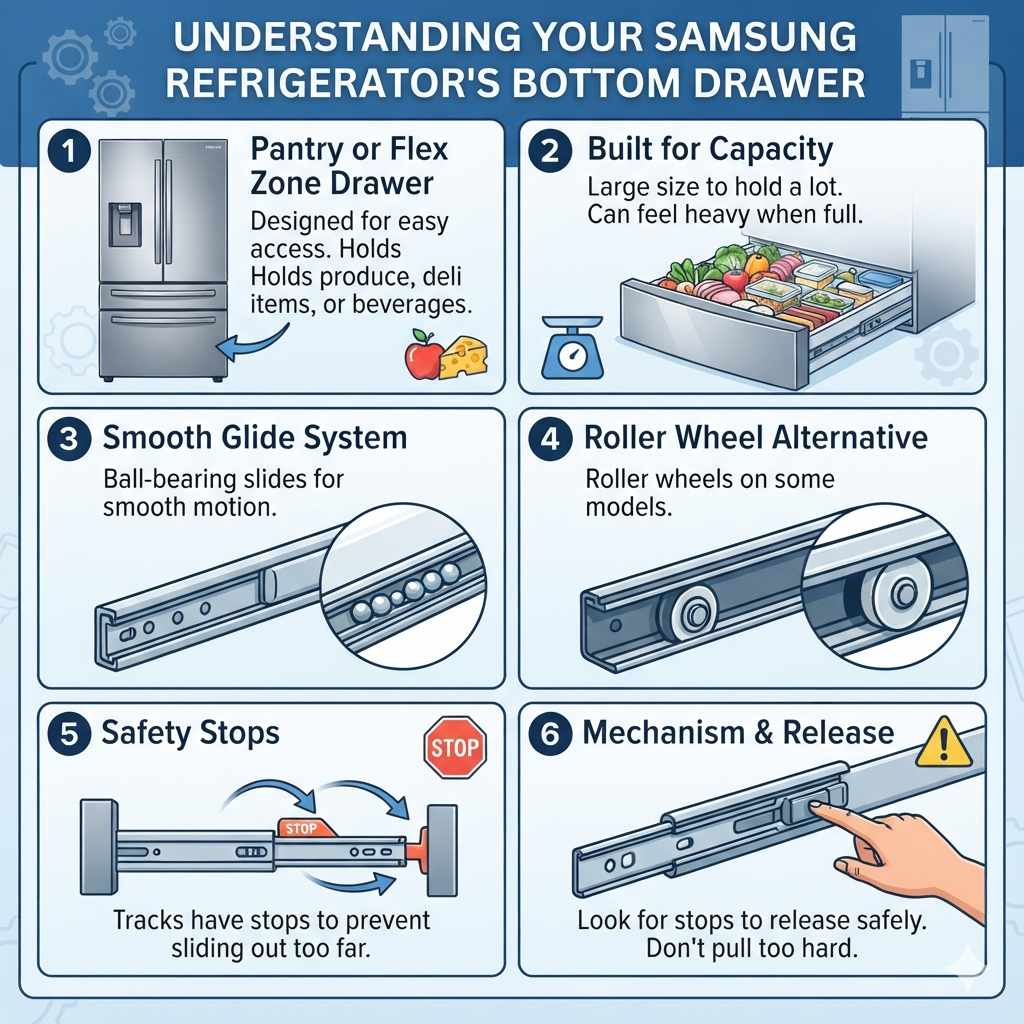
Your Samsung refrigerator’s bottom drawer, often called the pantry drawer or flex zone drawer, is designed for easy access. It usually holds your produce or deli items. These drawers sit on metal rails or tracks.
These tracks have stops to prevent them from sliding out too far. This is a good safety feature.
Sometimes, these drawers are quite large and can feel heavy. They are built to hold a lot of food. Because of their size, you might hesitate to pull too hard.
You don’t want to damage the drawer or its tracks. Knowing how the mechanism works is the first step to removing it safely.
Most modern refrigerators use a ball-bearing slide system. This lets the drawer glide smoothly. Other models might use roller wheels.
Each type has a specific way it locks or stops. We need to look for these stops to know how to release the drawer. It’s not always as simple as just pulling.
My Own Drawer Drama: A Real-Life (Slightly Embarrassing) Story
I remember one sweltering summer day. My Samsung fridge was packed for a big family barbecue. Suddenly, I noticed a strange, persistent smell.
It wasn’t a rotten egg smell, but more of a sour, forgotten-lunch kind of funk. I knew it was coming from the bottom drawer. This drawer is where I keep all my deli meats and cheeses.
I opened it up, and it was a disaster. A rogue pickle slice had rolled to the back. It had apparently started a tiny, fuzzy civilization all its own.
I had to clean it. I pulled. Nothing.
I pulled harder. Still nothing. I started to panic a little.
Was I going to have to call a repair person for a stuck drawer? I pictured myself explaining this to a technician, feeling like I’d failed at basic appliance operation. Then, I remembered seeing a small lever on the side of the drawer slides.
I leaned down, squinting, and there it was. A little plastic tab. I gently pushed it, and the drawer slid right out.
Relief washed over me. It was such a simple fix, but in the moment, it felt like a major hurdle cleared.
Common Drawer Issues & What They Mean
Drawer Won’t Slide Smoothly: This could mean something is blocking the tracks. It might also mean the tracks are dry and need lubrication. Check for fallen food items first.
You might also need to clean and reapply food-grade grease.
Strange Noises: Grinding or squeaking often points to debris in the rails. It can also mean the wheels or bearings are worn. A quick check for obstructions is usually the first step.
Drawer Feels Loose: If the drawer feels wobbly, the mounting screws for the slides might be loose. This is less common but can happen with heavy use.
How Samsung Refrigerator Drawers Are Built to Work
Samsung, like many appliance makers, uses sophisticated slide mechanisms. These allow drawers to extend fully. They also provide smooth operation.
Most bottom drawers sit on metal slides attached to the refrigerator’s inner walls. These slides have rollers or ball bearings.
The key to removal is understanding the safety stop. This is a small piece of plastic or metal. It’s part of the slide assembly.
When the drawer is fully extended, this stop prevents it from coming out completely. You have to disengage this stop to remove the drawer.
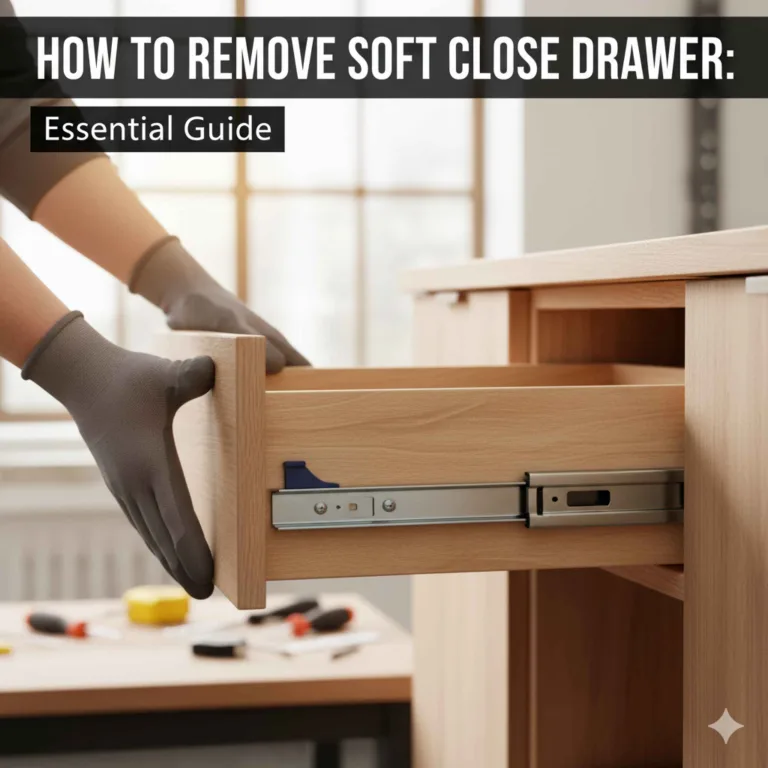
On many Samsung models, this stop is a lever or a tab. You’ll usually find it on the side of the slide. It might be near the front or the middle of the slide.
Sometimes, it’s a small clip you need to push or pull. Other times, it’s a tab you might need to lift. The exact design can vary slightly by model number.
Always check your refrigerator’s manual if you’re unsure.
Step-by-Step: Safely Removing Your Samsung Refrigerator Bottom Drawer
Let’s get this drawer out without any fuss or damage. Follow these steps closely. It’s usually quite straightforward once you know what to look for.
Step 1: Empty the Drawer Completely
This is important. You don’t want food items falling out. It also makes the drawer lighter and easier to handle.
Remove all produce, meats, cheeses, and anything else stored inside. Put them temporarily in a cooler or another part of the fridge.
Having an empty drawer makes it much simpler to see the slide mechanisms. You can then clearly spot any levers or stops. This step takes a few minutes but saves a lot of potential frustration later.
Step 2: Extend the Drawer Fully
Gently pull the drawer all the way out. It should stop at its full extension. You might hear a click or feel a solid stop.
This is the safety stop doing its job. Don’t force it past this point. Just let it rest where it naturally stops.
Take a moment to look at the sides of the drawer where it meets the refrigerator walls. You should see the metal or plastic slides. These are what the drawer is mounted on.
Step 3: Locate the Release Mechanism
Now, get down low. You might need a flashlight. Look closely at the slides on both the left and right sides of the drawer.
You are searching for a small lever, tab, or clip. These are designed to be pressed or moved to release the drawer.
What to look for:
- A small plastic piece sticking out from the side of the slide.
- A lever that might be black or grey.
- A clip that seems to lock the slide in place.
Sometimes, this mechanism is on the inner part of the slide. Other times, it might be on the outer part. It’s usually within easy reach once the drawer is fully extended.
Common Release Lever Styles
Style 1: Push Tab
A small tab sticks out. You usually need to push it towards the slide body to release it.
Style 2: Lift Lever
A small lever might need to be lifted upwards to disengage.
Style 3: Squeeze Clip
Two small clips might need to be squeezed together.
Step 4: Engage the Release Mechanism
Once you’ve found the release mechanism, gently press or move it. If it’s a tab, push it down. If it’s a lever, lift it up.
You might need to do this on both sides simultaneously. However, some models only have the release on one side.
As you press the tab or lever, you should feel a slight give. This means the safety stop is disengaging. If you don’t feel anything, try a different angle or a bit more pressure.
Be gentle; you don’t want to break the plastic.
Step 5: Gently Pull the Drawer Out
With the release mechanism engaged, carefully and gently pull the drawer forward. It should now slide off the tracks smoothly. If it still feels stuck, re-check that the release is fully engaged on both sides.
Sometimes, tilting the front of the drawer up slightly can help it clear the tracks.
If the drawer still refuses to budge, stop. Forcing it can cause damage. It might be a different mechanism or a jam.
Double-check your refrigerator’s manual or look for a model-specific video online.
Quick Scan: Drawer Removal Checklist
1. Empty Drawer? Yes / No
2. Drawer Extended Fully? Yes / No
3. Release Mechanism Found? Yes / No
4. Mechanism Engaged? Yes / No
5. Drawer Pulled Out? Yes / No
Reinstalling the Drawer: A Smooth Transition Back
Putting the drawer back in is usually the reverse of removal. But there are a few things to keep in mind to ensure it glides as it should.
Step 1: Align the Drawer with the Tracks
Hold the drawer steady. Look at the slides on the drawer and the corresponding tracks inside the refrigerator. You need to line them up precisely.
Make sure the wheels or rollers are positioned correctly on their respective tracks.
It’s easiest to do this by getting close to the refrigerator. You might even need to kneel down. Proper alignment is crucial for a smooth reinstallation.
If they aren’t lined up, the drawer won’t slide in.
Step 2: Gently Push the Drawer In
Start pushing the drawer in slowly and evenly. Do not force it. You should feel it start to engage with the slides.
If you meet resistance, pull it back out slightly and re-align. Check that no part of the drawer is catching on the refrigerator’s interior.
Listen for any clicking sounds. This often indicates that the drawer is engaging properly with the slide mechanism. Continue pushing until the drawer is almost fully closed.
Step 3: Engage the Safety Stop (Usually Automatic)
As you push the drawer in, the safety stop mechanism should automatically re-engage. You’ll often hear a soft click as it locks back into place. This means the drawer is secured and will not slide out unexpectedly.
Give the drawer a gentle pull forward to confirm it’s locked. It should now stop at its full extension, just like before. If it slides out too easily, it might not have re-engaged properly.
Try closing it again, perhaps with a slightly firmer push.
Tips for Smooth Drawer Operation After Reinstallation
Check Alignment: Ensure the drawer is perfectly straight. Any angle can cause it to bind.
Lubricate Slides: If slides feel stiff, use a food-grade silicone lubricant. Apply sparingly to the rails.
Clean Tracks: Make sure no food debris is left in the tracks. This can impede smooth movement.
Avoid Overloading: Extremely heavy loads can stress the slides over time.
When to Seek Professional Help
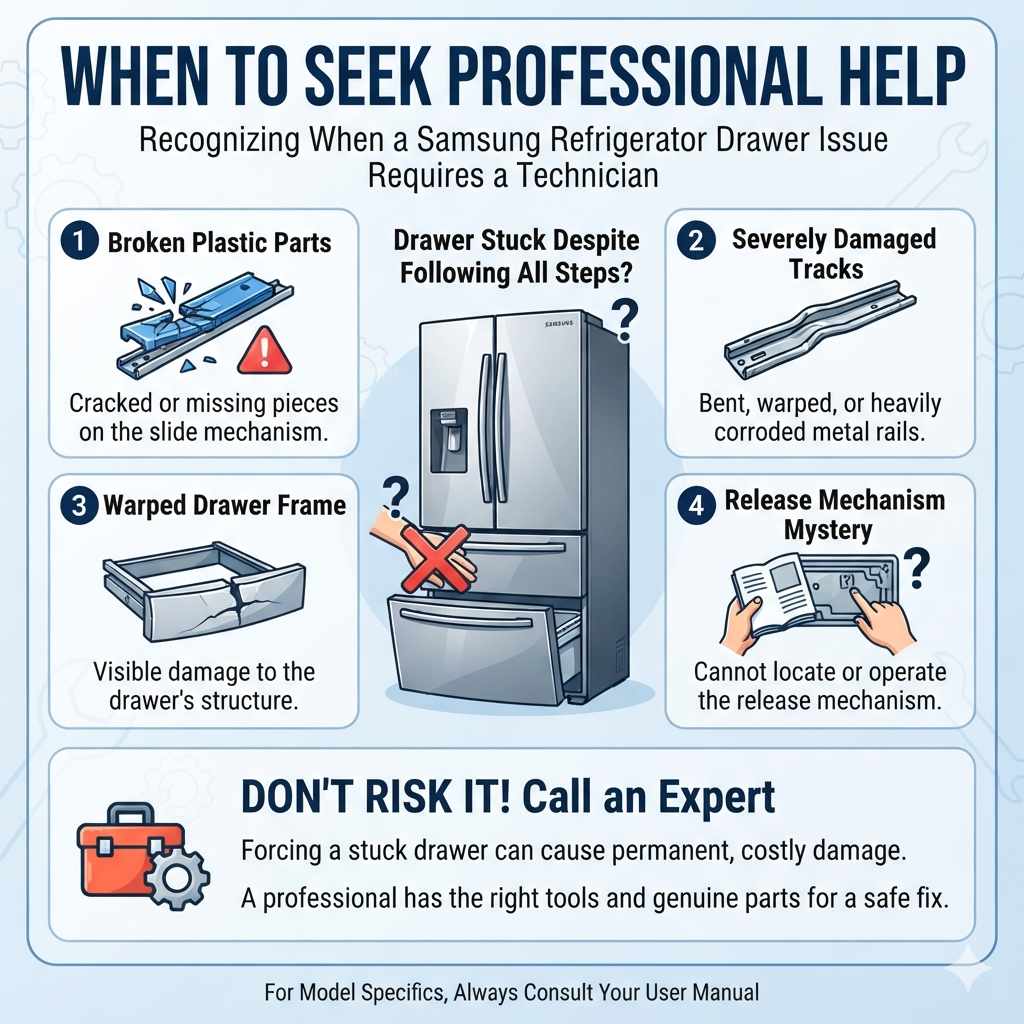
While most Samsung refrigerator drawers are designed for user-friendly removal, some issues might require a technician. If you’ve followed all the steps and the drawer still won’t budge, or if you see visible damage to the slides or the drawer itself, it’s time to call for help.
Signs that you need professional assistance include:
- Broken plastic parts on the slides.
- Severely bent or damaged metal tracks.
- The drawer frame itself appears warped or cracked.
- You cannot locate any release mechanism, even after consulting your manual.
Don’t risk further damage by forcing a stuck drawer. A qualified appliance repair person has the tools and knowledge to diagnose and fix the problem safely. They can also source genuine replacement parts if needed.
What NOT to Do When Removing a Drawer
Don’t Force It: The most common mistake is pulling too hard. This can break the slides or the drawer.
Don’t Use Sharp Tools to Pry: Avoid using knives or screwdrivers to pry the drawer. You’ll likely scratch surfaces or damage plastic parts.
Don’t Ignore the Manual: Your refrigerator’s user manual is the best resource for model-specific instructions.
Don’t Assume All Drawers are the Same: Even within Samsung, designs can vary between models and series.
Frequently Asked Questions About Samsung Refrigerator Drawers
Why is my Samsung refrigerator bottom drawer stuck?
Your Samsung refrigerator bottom drawer might be stuck because of a jammed food item, a misaligned track, or the safety release mechanism not being properly disengaged. Make sure the drawer is empty and try locating the release levers on the side of the slides.
How do I find the release levers on my Samsung fridge drawer?
You’ll typically find release levers on the sides of the drawer slides, which are attached to the refrigerator’s interior walls. Extend the drawer fully and look for small tabs or clips. You may need a flashlight to see them clearly.
Consult your refrigerator’s user manual for specific location details for your model.
Can I clean the drawer slides without removing the drawer?
Yes, you can clean the visible parts of the drawer slides without removing the drawer. Use a damp cloth and a mild cleaner. However, for a thorough cleaning and to properly address any sticking issues, removing the drawer is usually necessary to access the entire slide mechanism.
What if I accidentally break a piece of the slide mechanism?
If you accidentally break a piece of the slide mechanism, stop trying to remove or reinstall the drawer. Contact Samsung support or a qualified appliance repair technician. Broken parts can prevent the drawer from functioning correctly and may require replacement.
My Samsung refrigerator has a “FlexZone” drawer. Is it different?
The FlexZone drawer on some Samsung refrigerators is a special drawer with adjustable temperature settings. While its internal features differ, the physical removal process is generally similar to other bottom drawers. You’ll still need to locate and engage the slide release mechanisms.
How often should I remove and clean my refrigerator drawers?
It’s a good idea to remove and thoroughly clean your refrigerator drawers at least every 3 to 6 months. This helps maintain hygiene, prevents odors, and allows you to inspect the drawer slides for any wear or potential issues before they become major problems.
Final Thoughts on Drawer Removal
Removing your Samsung refrigerator’s bottom drawer might seem daunting at first. But with a little know-how, it’s a task you can handle. Remember to be gentle.
Always look for those release levers. Knowing how your appliance works makes it much less intimidating. You can now clean thoroughly or reorganize with confidence.
You’ve got this!
Related pick: Check today's price on Amazon
Products related to this article
Sponsored / affiliate links. As an Amazon Associate I earn from qualifying purchases. I may earn additional commission from eligible campaigns.