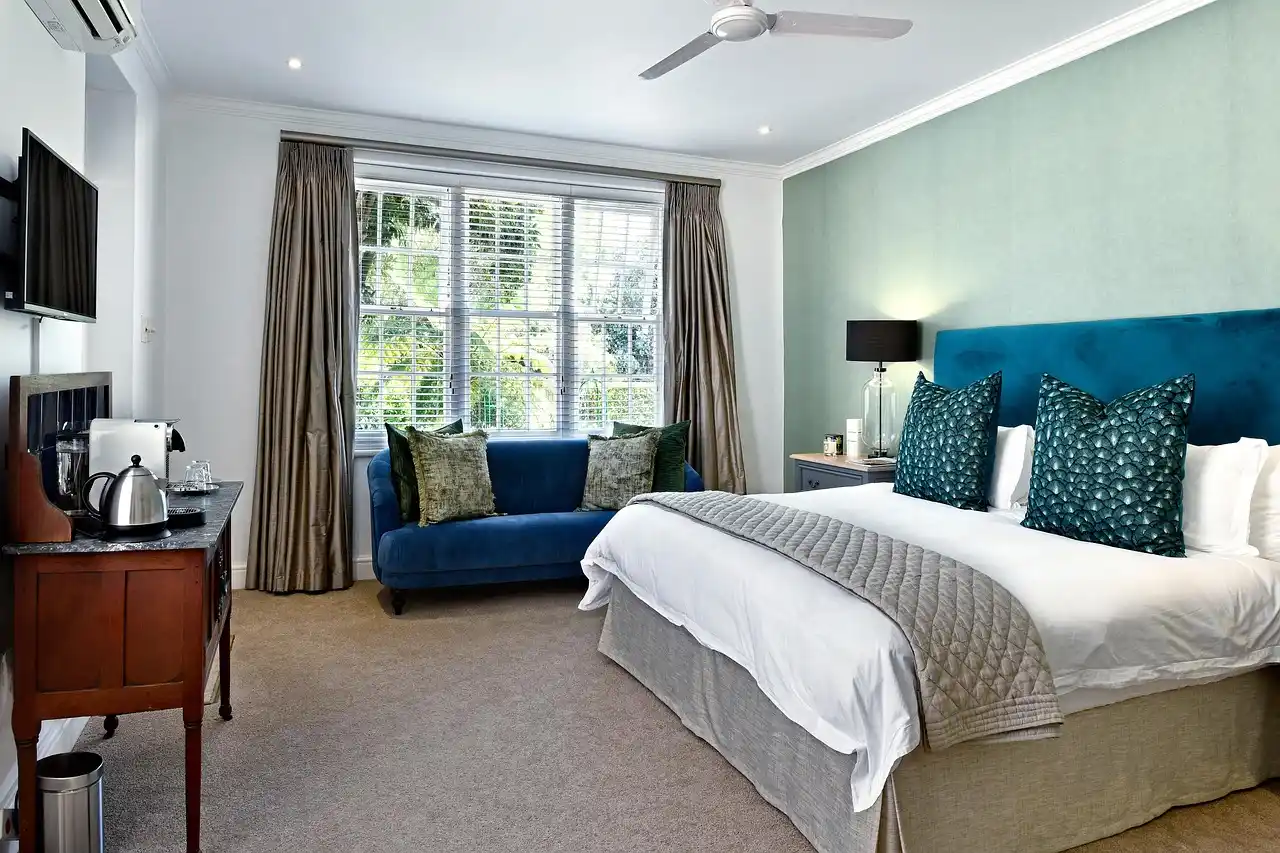
Hampton Bay Ceiling Fan Review: What Buyers Should Know
Hampton Bay is a solid budget pick for buyers who choose a well-reviewed model with a DC motor and basic controls; for fewer noise and wobble complaints, Hunter is the safer upgrade. Pick badly, and you can end up paying for returns, rebalancing, a dead remote, or a fan that rattles within months. This review compares Hampton Bay models with Hunter, flags the failure points that show up after installation, and points to the best value buys.
This guide is part of our Home lighting and ceiling fan guide series.
Verdict


The value is real when the fan is sized correctly, mounted on a sound box, and kept simple. The trade-off is that Hampton Bay’s lower price often buys less forgiveness: remote pairing can fail, canopy fit matters more than it should, and hum or wobble shows up fast if the install is off by even a little.
Specs at a glance
| What to look for | Hampton Bay typical pattern | Why it matters after install |
|---|---|---|
| Brand position | Home Depot–marketed, budget-friendly | Good entry price, but model choice matters more than brand name |
| Style range | Traditional, transitional, contemporary | Gives buyers enough room-match options without paying extra for a premium finish |
| Lighting | Many models include integrated LED lighting | Light output and dimming behavior vary by model |
| Controls | Remote or wall-control models | Convenient, but pairing and power interruptions can cause headaches |
| Motor type | AC and DC motors are both common | DC motors are usually quieter and more efficient |
| Common problem areas | Wobble, hum, remote pairing, long-term wear | Most complaints come after installation, not at unboxing |
Who it is for
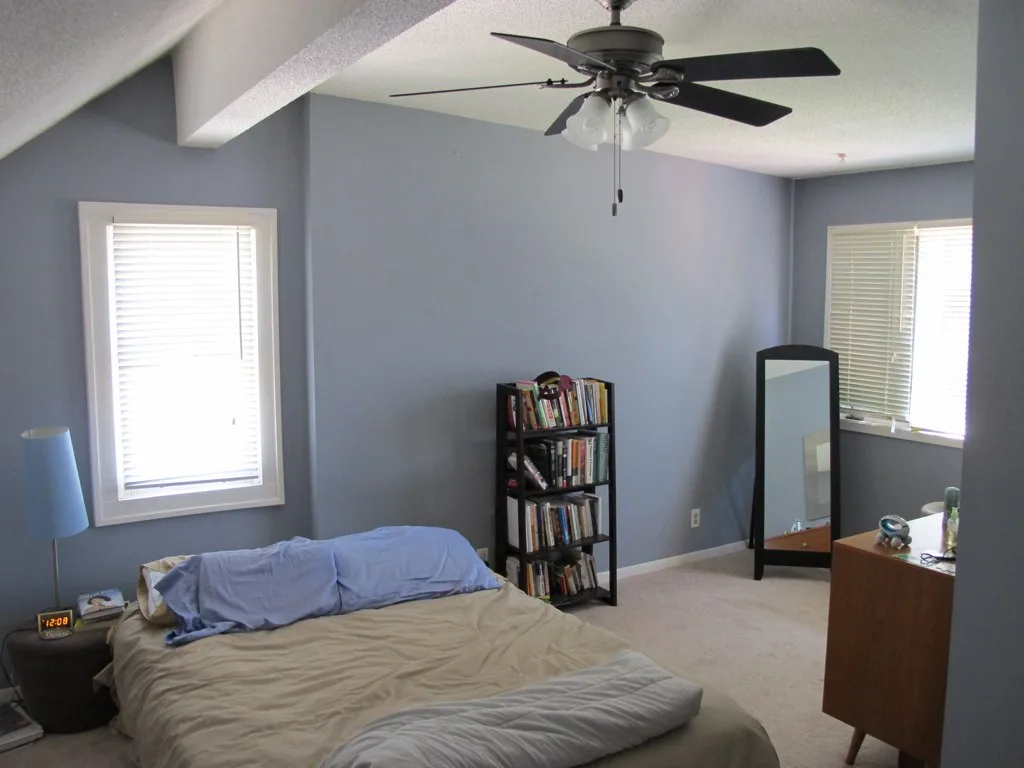
Hampton Bay fits budget-led shoppers who want a decent ceiling fan without paying premium-brand pricing. It also works for buyers who care more about room match and basic function than about the quietest motor or the most polished support experience.
It is a practical pick for apartments, bedrooms, and common rooms when the ceiling height is normal and the layout is simple. If the room is oversized, the wiring is awkward, or the buyer wants the most stable remote and the least noise, another brand is often the safer buy.
Best fit for budget-led shoppers
These buyers usually want visible comfort, usable light, and a clean look at a lower total spend. Hampton Bay can do that, especially when the model uses a DC motor and the controls are kept straightforward.
Best fit for apartments, bedrooms, and common areas
Small and mid-size spaces are where Hampton Bay makes the most sense. The brand’s style spread gives shoppers plenty of room to pick a fan that fits a bedroom, hallway, or casual living room without moving into higher price tiers.
When to choose another brand
Move up if quiet operation is the top priority, if the fan will run nightly, or if the room is large enough to punish a weak motor or loose install. Hunter is usually the cleaner choice when long-term ownership and support matter more than initial cost.
What works well on Hampton Bay fans
The price-to-function ratio is the main reason shoppers keep buying Hampton Bay. For the money, you can get integrated LED lighting, a choice of control types, and enough style variety to fit traditional, transitional, and contemporary rooms.
The better-sized models can move air well. Small rooms usually do fine with 44–48 inch blades, while larger spaces may need 52–60 inches for more even air distribution. When the blade span matches the room, the fan feels much more expensive than it is.
Style range and lighted models
Hampton Bay covers a broad range of looks, from carved, classic profiles to cleaner modern shapes. Many models include integrated LED lighting, which helps in rooms that need one fixture to handle both air movement and illumination.
DC motors and quieter operation
DC motors are the stronger choice when noise matters. They are sold as more efficient and quieter, though they usually cost more up front. That trade-off is worth it in bedrooms and home offices, where a faint hum becomes annoying fast.
What does not
The weak spots are usually practical, not cosmetic. Wobble, hum, and remote problems are the complaints that come up most often, and they often start after the fan is already on the ceiling.
An unbalanced canopy can cause wobble and noise. Higher speeds may generate audible fan noise or hum. Remote controls can be finicky, and wall-switch power cuts can make the receiver look broken when the fix is really a reset or re-pairing step.
Wobble and vibration
Wobble often points to installation, not a bad motor. Loose blade screws, a mount that is not tight, or a canopy that sits unevenly can all make a fan shake enough to seem defective. A balancing kit is the right next step when tightening alone does not solve it.
Remote pairing and interference
Remote controls add convenience, but they also add failure points. Pairing steps vary by model, and the receiver can be affected when a wall switch cuts power to the unit. In homes with multiple remotes or strong wireless clutter, interference becomes a real nuisance.
Noise, hum, and wear
Mixed noise reviews usually come down to speed, mounting quality, and motor type. Some Hampton Bay fans stay quiet enough for casual use, while others develop a hum at higher speeds. Reports of shorter motor life are worth noting on models that run hard for years.
Alternatives

Hunter Astwood II is the safer upgrade for buyers who want quieter operation and stronger long-term confidence. Based on the spec sheet and owner feedback, it costs far more than a typical Hampton Bay pick, but the WhisperWind motor and overall support story make it easier to recommend for a bedroom or office where noise tolerance is low. The drawback is simple: the upfront price is steep.

Honeywell Conifer is the middle-ground option if you want a more affordable alternative with LED light and a remote, but do not want to stretch to Hunter pricing. It brings a compact 42-inch size that suits smaller rooms, and the dimmable light is a useful feature. The trade-off is airflow capacity; it is not the best answer for larger rooms.
What fails most often, and why?
The most common problems are wobble, remote issues, and noise. Wobble usually means an install or balance problem. Remote trouble often traces back to pairing, batteries, or interrupted power. Hum and wear are more likely when a low-cost motor is pushed hard or mounted poorly.
Wobble and vibration
If the fan shakes, start with the mount, blade screws, and blade alignment. A balancing kit is recommended if vibrations continue after tightening. Many buyers blame the motor too early when the real issue is a slightly off canopy or a blade that was seated unevenly.
Remote pairing and interference
Remote controls can be a weak point because the receiver needs clean power and the pairing sequence has to be followed exactly. If the wall switch is turned off, the receiver may lose its settings. That creates the classic “works once, then stops” complaint.
Noise, hum, and motor wear
Nighttime complaints usually come from higher speeds or from fans that were not centered properly. Long-term wear is harder to judge at purchase, but reports matter. A model that sounds fine on day one can still be a poor bet if owners report motor fatigue after a few years.
Model-by-model decision table
| Model | Best room type | Likely noise risk | Control type | Top failure mode |
|---|---|---|---|---|
| Mirella | Bedrooms and contemporary living spaces | Low to moderate | Remote; some versions add smart control | Remote pairing issues |
| Windsor | Medium to large rooms with traditional decor | Moderate, especially at night | Remote or wall control depending on version | Nighttime noise complaints |
| Montclare | Living rooms and kitchens | Moderate if mounting is off | Remote options common | Wobble from poor installation |
| Altura | Bedrooms and offices | Low when installed correctly | Remote control common | Shorter motor life after several years |
Mirella
Mirella is the contemporary, quiet-leaning pick in the Hampton Bay group. It makes the most sense in rooms where the fan will be heard all evening and where the owner values a cleaner look, integrated LED lighting, and, in select versions, smart controls. The main caution is remote pairing.
Windsor
Windsor suits buyers who want a more classic look with carved blades and solid airflow in medium to large rooms. It is a better fit for traditional interiors than for quiet sleep spaces. The trade-off is mixed nighttime noise feedback, so bedroom buyers should be cautious.
Montclare
Montclare works well in living spaces and kitchens because it often fits active rooms where light and airflow both matter. It is popular for that reason, but it is also the model most likely to get blamed when wobble appears after install. The fan may be fine; the mounting often is not.
Altura
Altura is the bright, modern choice for bedrooms and offices. It gets the nod when the goal is clean lines and strong light output, but buyers should pay attention to long-term motor reports. The shorter-life concern does not make it a bad buy; it means the room should match the fan’s strengths.
Hampton Bay vs Hunter: which should you buy?
The core trade-off is simple. Hampton Bay costs less and gives you plenty of style and feature choices, while Hunter usually buys quieter operation, better refinement, and a safer long-term ownership bet. If the room is sensitive to noise, Hunter wins more often.
| Buying factor | Hampton Bay | Hunter |
|---|---|---|
| Upfront cost | Lower | Higher |
| Quietness | Depends heavily on model and install | Usually the safer quiet choice |
| Motor type | Mixed AC and DC options | Strong reputation for quiet motors |
| Support and ownership | More variable by model | Generally stronger long-term confidence |
Budget and upfront cost
If the budget is tight, Hampton Bay is easier to justify. The buyer gets a finished room for less money, and that matters when the project includes several fans or other electrical updates.
Quietness and motor type
Hunter is the safer call when quietness is the deciding factor. Hampton Bay can be quiet enough, especially with a DC motor, but the range is wider. That means more good buys, and more bad ones too.
Support and long-term ownership
Hunter tends to be the lower-risk purchase for buyers who want a fan to disappear into the room and keep running. Hampton Bay can still be worth it, but the owner should expect to be more active about install quality, remote setup, and early troubleshooting.
Should you buy it
Buy Hampton Bay if you want a budget fan and are willing to be selective. The right model can be a very good value, especially in a bedroom, apartment, or casual living room. Buy Hunter instead if you want the safer quiet choice and plan to keep the fan for a long time.
My practical call is this: choose Hampton Bay only after checking the motor type, room size, and control setup. If any of those three look weak, the lower price stops being a bargain.
Choose Hampton Bay if…
You want the lower upfront cost. You are buying for a room that is not overly noise-sensitive. You are comfortable checking the install carefully and using a balancing kit if needed. You want a style that matches the room without paying premium-brand pricing.
Choose Hunter if…
You need the quietest everyday operation. You are putting the fan in a bedroom, office, or nursery-like space where hum is a dealbreaker. You want fewer surprises with support, and you would rather pay more now than troubleshoot later.
What should I check before buying a Hampton Bay ceiling fan?
Check room size, ceiling height, control type, and whether the motor is DC or AC. A model with integrated LED lighting may work well, but the dimming behavior should fit the room. Also look for reports of wobble, remote issues, or motor wear on the exact model.
How do I stop my Hampton Bay ceiling fan from wobbling?
Start with the basics: tighten the mounting hardware, blade screws, and canopy fasteners. Make sure the box is secure and the blades sit evenly. If vibration remains, use a balancing kit. Many wobble complaints trace back to installation rather than a defective fan.
Do Hampton Bay ceiling fans work well in bedrooms?
Yes, but only the right models. Mirella and Altura are stronger bedroom candidates because they are tied more closely to quiet operation and cleaner light. Avoid louder or more vibration-prone models if the room is used for sleep, because small noises become irritating at night.
How do Hampton Bay remote controls and smart controls compare?
Remote controls are simpler and usually less expensive, but they can fail if the receiver loses power or pairing goes wrong. Smart controls add convenience in select versions, yet they also add setup steps and more points of failure. For most buyers, simple remote control is the safer choice.
Are Hampton Bay ceiling fans quiet?
Some are, but not all. DC motor models tend to be quieter and more efficient, while AC models can be more likely to hum at higher speeds. Noise also rises when the fan is not balanced well, so quietness depends on both model choice and installation quality.
Are Hampton Bay ceiling fans reliable long term?
They can be reliable, but the range is uneven. Better models hold up fine for everyday use, while others develop remote issues, wobble, or motor wear after years of service. Long-term buyers should favor cleaner installs, simpler controls, and models with stronger owner feedback.
Which Hampton Bay ceiling fan models get the best reviews?
Mirella and Altura usually attract buyers who want bedroom-friendly quiet and a modern look, while Windsor gets attention for airflow and classic styling. Montclare often rates well for living spaces and kitchens when installed correctly. The best reviews usually go to models that match the room well.
What warranty issues come up most with Hampton Bay ceiling fans?
The most common issues are missing documentation, unclear model details, and not testing the fan immediately after install. Keep the receipt, model number, and packaging until the fan passes a full check. If the remote, light, or motor acts up early, document it before the return window closes.
Products related to this article
Sponsored / affiliate links. As an Amazon Associate I earn from qualifying purchases. I may earn additional commission from eligible campaigns.