Best Ceiling Fans for Home Offices (2026): research shows
For many home offices, a 44- to 52-inch DC ceiling fan with a few low-noise speeds is a practical choice, since it can stay quiet during calls and be adjusted for focus. I have seen the wrong pick buzz through meetings, flick papers off a desk, or feel pointless in a small room. This guide shows how to pick by work pattern, room size, airflow, and control style.
Quick comparison
| Product | Badge | Best for | Price | ||
|---|---|---|---|---|---|
 |
Hunter Swanson, Indoor, Ceiling Fan, with LED Lights, 52Hunter | Our pick | 52 in · Bronze · Pull chain | $95.99
Price as of 1 Oct 2026
|
View |
 |
Depuley Modern Ceiling Fan with Light: 42-Inch Black SmallDepuley | Budget pick | 42 in · Black · Flush mount | $39.99
Price as of 1 Oct 2026
|
View |
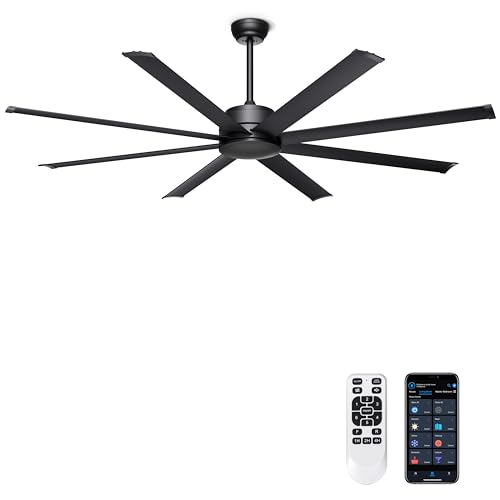 |
Ohniyou 72" Black Industrial Ceiling Fans No Lights forOhniyou | Also great | 72 in · Black · No lights | $135.99
Price as of 1 Oct 2026
|
View |
 |
Ombrin 60 inch Outdoor Ceiling Fans with Lights,Smart WoodOmbrin | Upgrade pick | 60 in · Red walnut · Smart | $139.99
Price as of 1 Oct 2026
|
View |
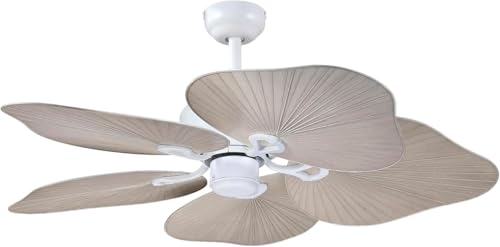 |
Westinghouse Lighting Oasis Tropical Ceiling Fan, 44 InchWestinghouse | Also great | 44 in · White · Weatherproof | $265.40
Price as of 1 Oct 2026
|
View |
The right office fan depends on how the room is used, not only on looks. A fan that works in a spare bedroom can feel wrong in a large shared workspace, and a fan that is fine for background airflow may be too loud for video calls.
How we chose
The filter here is practical. Quiet operation came first, because a fan that buzzes or wobbles gets old fast during long sessions.
Room size, ceiling height, control quality, and light quality came next. For work use, a fan needs steady airflow, quick speed changes, and mounting that avoids glare or a shaky shadow on the wall.
Energy use also mattered. A DC motor is usually the better office choice because it gives smoother speed control and lower power use during all-day operation than an AC motor.

Which ceiling fan size do you need for a home office?
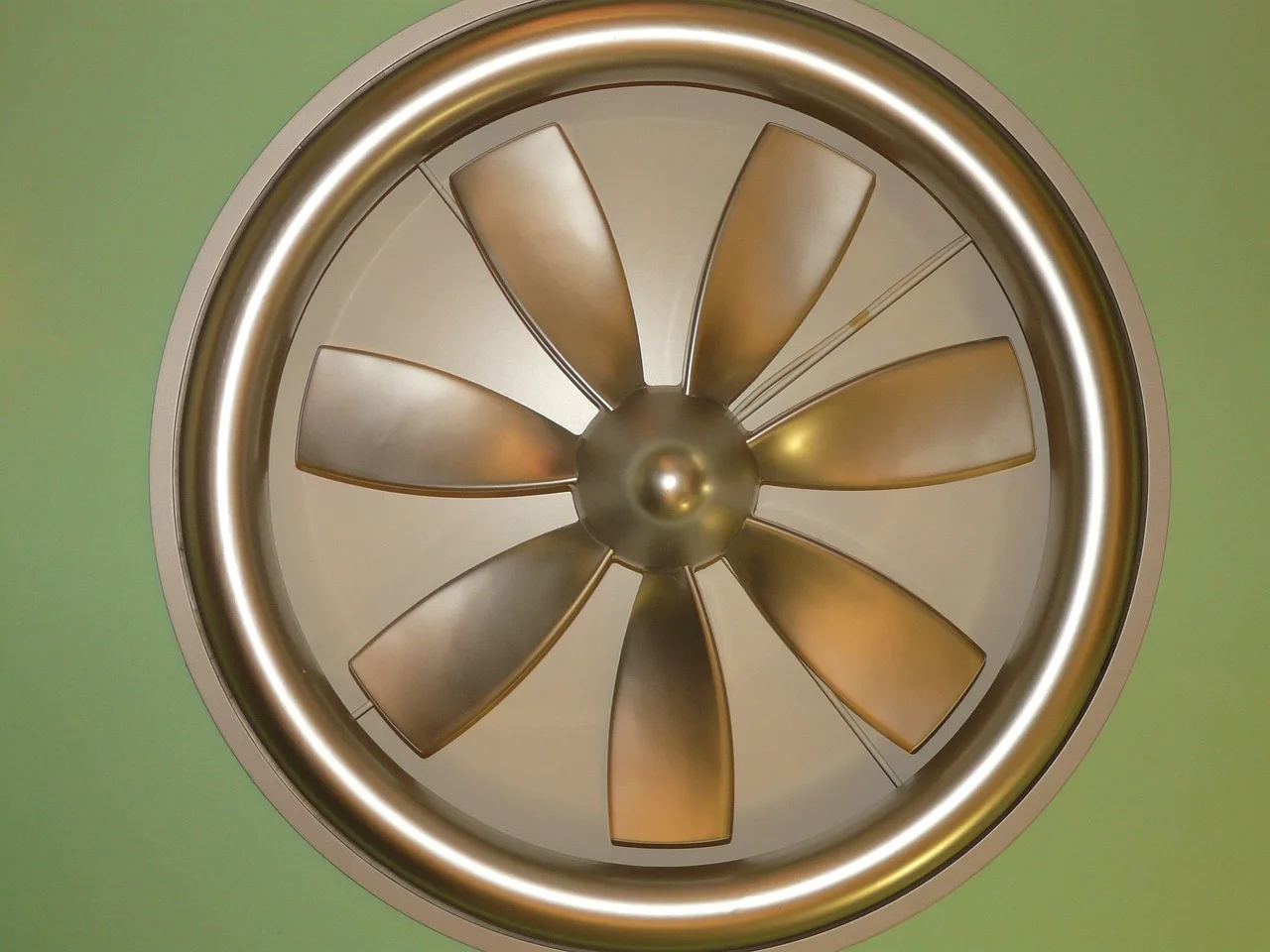
For a home office, size should follow desk layout and room area before style. Smaller rooms and single-desk setups usually do well with 20–42 inch fans, while shared offices, larger rooms, and open-plan spaces usually need 52–72 inch models for broader airflow and less strain at lower speeds.
20–42 inch fans for compact rooms and single-desk setups
Compact rooms need a fan that moves air without taking over the space. A 20-inch fan is a clear compact-office example, while 42-inch models are often the upper edge for small rooms when the desk sits close to one wall and the chair stays outside the strongest draft.
Low-profile mounting helps here. It keeps the fan visually smaller and reduces the chance of blade clearance problems when the ceiling is low.
52–72 inch fans for larger rooms or shared workspaces
Larger rooms need a broader blade span so the airflow reaches more than one desk zone. The guide range for open-plan offices is 52–72 inches, and that size band is the better fit when the room doubles as a meeting area, a dual-monitor station, or a call room with more than one occupant.
A 65-inch blade span works well as a large-space office choice, and a 72-inch fan is the right scale for very open rooms where smaller blades would need to run harder and louder to do the same job.
How ceiling height changes blade span and mounting style
Ceiling height changes more than appearance. Low ceilings call for a flush-mount or low-profile design, because it keeps the fan close to the ceiling and lowers the risk of head clearance problems. Higher ceilings can take a downrod-mounted fan with broader airflow spread.
If the ceiling is low, a compact mount matters as much as blade span. A large blade set on the wrong mount can still feel awkward in a small office.
Where the desk should sit relative to the fan
A desk should sit outside the main vertical draft path if possible. That matters for loose papers, microphone noise, and the way a breeze can hit a camera frame during calls. For dual monitors, the safest setup is usually off-center desk placement, with the fan aimed to circulate air across the room rather than directly at the chair.
Hunter Swanson, Indoor, Ceiling Fan, with LED Lights, 52 inch, New Bronze: best overall for quiet all-day work
This is the strongest default pick for a home office that needs everyday lighting and steady airflow. Based on the spec sheet and owner feedback, the 52-inch size makes sense for medium rooms, and the WhisperWind motor is the main reason it fits focus work and video calls better than a louder basic fan.
The LED bulbs give bright, reliable task light, which helps when the room’s overhead lighting is weak. The pull chain is a drawback for office use, though, because it is less convenient than remote control when adjusting speed between meetings.
Depuley Modern Ceiling Fan with Light: 42-Inch Black Small Fans for Bedroom Indoor Outdoor – Dimmable Low Profile Ceiling Fans with Remote Control Flush Mount 5 Reversible Black Blades 6 Speeds Timer: best for small home offices
This is the better fit when the office is compact, the ceiling is low, or the desk sits close to the fan. The flush-mount build is the big advantage here, and the quiet DC motor, 6 speeds, and timer make it easier to run all day without turning the room into a wind tunnel.
The drawback is simple: a 42-inch fan can be too small for a larger room, especially if the space doubles as a meeting area or if the desk is far from the centerline of the blades.
Ohniyou 72″ Black Industrial Ceiling Fans No Lights for Shops, Garages: best for open-plan offices
This is the strongest match for large, open rooms where broad airflow matters more than compact form. The 72-inch width and 8 aluminum blades suit big workspaces, and the 6-speed remote and app control help during long calls when the airflow needs to be trimmed without getting up.
The obvious drawback is the absence of lights. In a home office, that means it works best only when overhead task lighting is already handled elsewhere.
Ombrin 60 inch Outdoor Ceiling Fans with Lights,Smart Wood Ceiling Fan for Alexa,Google & APP Control,Indoor/Outdoor,3 Blades,3CCT Dimmable,Red Walnut,Downrod Mount for Patio Porch: best for light-heavy workdays
This pick fits office spaces that need both airflow and flexible overhead light. The adjustable 2700K–6500K color temperature is useful because warm light can feel softer for late work, while cooler light is better for paperwork and focused desk tasks.
The drawback is that smart control is not always necessary in a simple office. If the room already has strong lighting and the fan is only for airflow, the extra features may be more than the job requires.
Westinghouse Lighting Oasis Tropical Ceiling Fan, 44 Inch Indoor/Outdoor Ceiling Fan with Remote Control, Matte White Finish, DC Motor: best for low ceilings
This is the cleaner answer for low ceilings when quiet operation matters. The DC motor is the key office feature, and the backlit remote makes speed changes easier during work. It is also a sensible size for rooms that are small to medium and need steady circulation without a bulky visual footprint.
The drawback is that the 44-inch size sits in the middle ground. It is not ideal for very large offices, where a broader blade span would move air more evenly.
Should your office fan include a light?
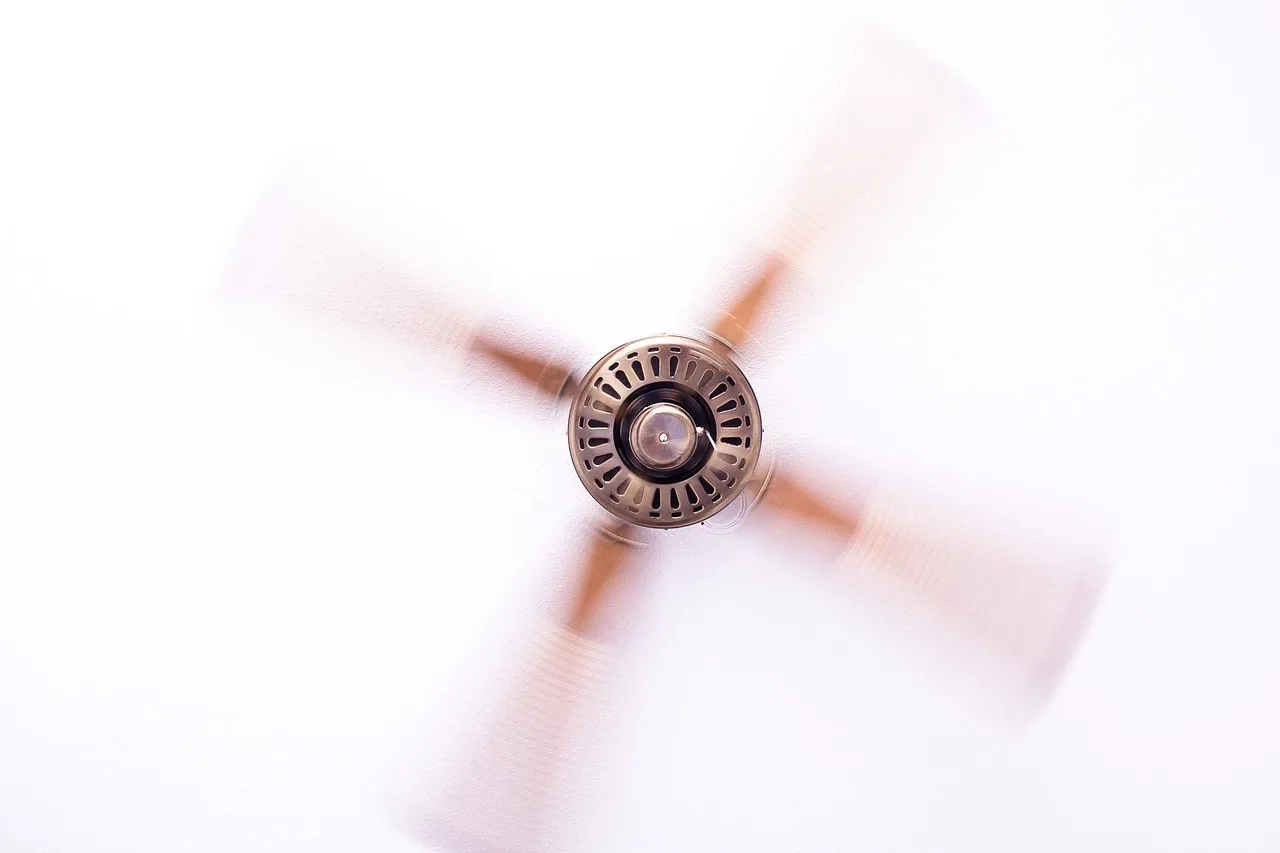
Choose a fan with an integrated LED light when the desk area lacks useful overhead lighting or when the fan must act as the main task light. Dimmable LEDs with warm to cool tones are the best fit, because they let the room shift from calmer late-day light to clearer daytime work light.
When integrated LED lighting helps desk work
Integrated lighting is useful when a home office has one ceiling point and no dedicated desk lamp. It helps avoid a dark desk edge, especially in rooms used for paperwork, sketching, or camera work. A fan with light also keeps the ceiling cleaner than adding separate fixtures in a low room.
Avoiding glare on monitors and white walls
Glare is the failure mode people notice after installation. If the light sits directly above glossy monitors or white wall art, the reflection can become distracting. A dimmable LED with adjustable color temperature is safer because the brightness can be pulled down until the screen reflection disappears.
When to choose a fan without a light
Skip the light when the office already has strong task lighting or when the ceiling fan needs to stay visually and electrically simple. In larger rooms, a no-light fan can also be the better airflow-only choice, especially if the room has desk lamps and the goal is quiet circulation rather than more illumination.
Home-office fan decision matrix
| Room size | Ceiling height | Work pattern | Recommended blade span | Motor type | Light needs | Control type |
|---|---|---|---|---|---|---|
| Small room, single desk | Low | Focus sessions | 20–42 inches | DC motor | Optional; dimmable LED if the desk is dark | Remote control with low-speed steps |
| Small room, dual monitors | Standard | Long daily run time | 42 inches | DC motor | Helpful if overhead task light is weak | Remote control with timer |
| Medium room, video calls | Standard | Calls plus focused work | 44–52 inches | DC motor | Useful if face lighting is poor | Remote control with speed and light control |
| Large room, shared workspace | High | Meeting space and airflow coverage | 52–72 inches | DC motor | Optional if room has other lighting | Remote or app control with reverse mode |
Install-risk checklist for glare, wobble, and buzzing
- Check that the fan’s light will not point straight into a monitor or camera lens.
- Confirm that the mount suits the ceiling height before buying a blade span.
- Look for a DC motor and a low-profile design when the room is sensitive to buzzing or wobble.
- Make sure the blades have clearance from cabinets, shelves, and door swing paths.
- Use the lowest useful speed first, then increase only if the room still feels stagnant.
Which one should you buy?
Buy the quietest DC fan if your day is built around long focus sessions and back-to-back calls. Buy a flush-mount fan if the ceiling is low and the room is compact. Buy a larger fan if the office also functions as a meeting room or shared work zone. Buy a fan with light if the overhead task lighting is weak.
For buyers comparing price to function, the tradeoff is straightforward. Basic fans are fine for simple airflow, but they usually give up control quality or light flexibility. Midrange office fans are the sweet spot for most people because they tend to combine a DC motor, remote control, and usable lighting without adding much complexity. Premium models make sense when the room is large, the ceiling is high, or smart control is genuinely useful.
If the room doubles as a hall, size matters more than style. The best fan for a hall that also serves as an office is usually in the 52–72 inch range, with the exact choice depending on ceiling height and how far the desk sits from the center. For offices in India, the practical rule is the same: choose by room size, ceiling height, and heat load first, then check whether the motor, light, and controls fit the work pattern.
A floor fan can still win in some offices. It makes more sense when the room has a low ceiling, no safe ceiling wiring, or a need for temporary, directional cooling at one desk. A ceiling fan beats it when the room needs wider, quieter airflow across the whole space and the fan will run most of the day.
How to choose
Start with the room, not the product photo. Measure the ceiling height, decide whether the desk sits in the center or off to one side, and think about whether the office is for calls, focus, or shared work.
Then pick the motor and controls. A DC motor is the safer office choice because it is quieter, more efficient, and smoother at low speeds. Remote control is more useful than a pull chain in a workroom, and a timer helps when the fan runs all day.
After that, choose the light only if the room needs it. A dimmable LED with warm to cool tones is the most flexible option for task work, but it is not mandatory if the office already has strong lighting. Finally, check for anti-wobble mounting and enough clearance for the blades before purchase.
Frequently asked questions
which ceiling fan is best for home in india
For home offices in India, the best ceiling fan is usually a quiet DC model in the 44- to 52-inch range for medium rooms, or a larger 52–72 inch fan if the room is open and hot for long stretches. Choose by ceiling height, desk position, and how many hours it will run each day.
which fan is best for hall
A hall usually needs a broader blade span than a small office, so 52–72 inches is the safer zone for even airflow. If the hall doubles as a workroom, prioritize a DC motor, remote control, and enough speed settings to keep the air moving without turning calls into background noise.
what are the best brand of ceiling fans
The best brand is the one that gives the right motor, mount, and controls for the room. For office use, that usually means a DC motor, low wobble, a useful remote, and a light only if the desk needs it. Brand matters less than the exact spec sheet and room fit.
are ceiling fans better than floor fans
Ceiling fans are better when the office needs broad, quiet airflow all day and the ceiling height supports safe mounting. Floor fans are better when the room is temporary, wiring is limited, or the cooling need is concentrated at one desk. In many offices, they work best as different tools.
best ceiling fan for a home office
The best ceiling fan for a home office is usually a quiet DC fan with remote control, 3 to 6 usable speeds, and a blade span matched to the room. For most people, that means a 44- to 52-inch model for medium rooms, with a flush mount if the ceiling is low.
what size ceiling fan do I need for a home office
Small home offices usually do well with 20–42 inch fans, while larger rooms and shared workspaces often need 52–72 inches. If the desk is close to the fan, stay conservative on size. If the room is open and the ceiling is high, the larger blade span is usually the better fit.
should I choose a ceiling fan with lights for an office
Choose a fan with lights if the desk area lacks useful overhead lighting or if you want a single fixture to handle both airflow and task light. A dimmable LED with warm to cool tones is the best version for office use. Skip the light if the room already has solid lighting.
how quiet should a ceiling fan be for work
Quiet enough that it disappears in the background during a call. In practical terms, that means low buzzing, very little wobble, and smooth speed changes on a DC motor. If the fan is audible over a microphone or distracts while reading, it is too loud for office work.
Products related to this article
Sponsored / affiliate links. As an Amazon Associate I earn from qualifying purchases. I may earn additional commission from eligible campaigns.
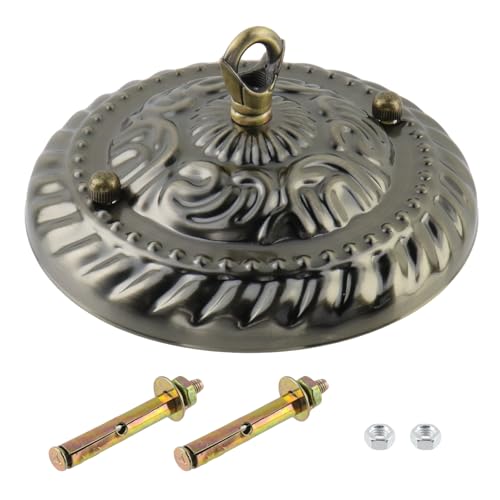 Tighall Ceiling Lighting Plate Lamp Base Ceiling Light Cover Pendant Light Plate with Embossed Pattern Chandelier Accessories with Screw (Antique Brass)
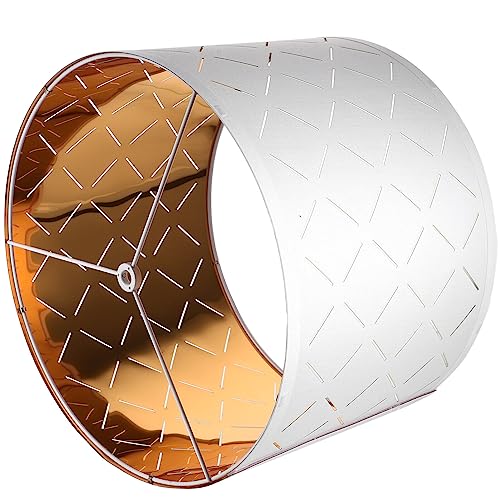 IMIKEYA Floor Lamp Shade, Cloth Lamp Shade Drum Lampshade, Lampshade for Table Light, Decorative for Table Chandelier Rustic Modern Style s Wall Lamp Cover Home Decor