IKEA Ceiling Fan Review: Are They Worth It?
IKEA ceiling fans make the most sense for bedrooms and standard living rooms when you want a low-cost fan with light and can accept average airflow; for rooms above about 200 square feet, plan on a larger fan or a different brand. Choosing by sticker price alone can leave you with weak airflow, extra noise, or a higher installed bill once wiring and mounting are added. This guide compares IKEA options by room size, noise, brightness, and total cost so you can pick the right model fast.
IKEA ceiling fan verdict
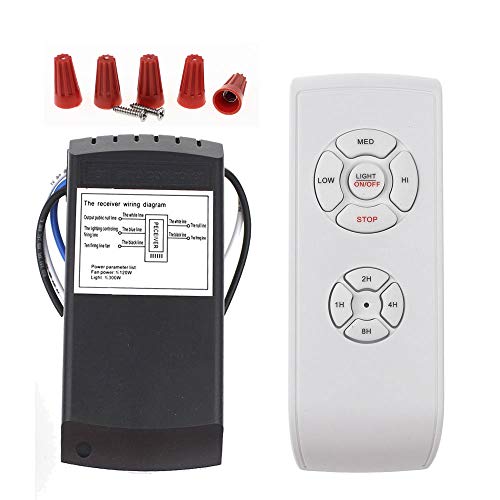


Buy one if you need a straightforward ceiling fan with light for a small or medium room and you want to keep the purchase price down. Skip the line if you need very strong airflow, app control, or a fan for a large open-plan space; in those cases, the top-end IKEA option is only a partial answer, not a full one.
Best value pick by room size
For small rooms, BACKLAG is a lower-cost IKEA ceiling fan at about $44.99. For a bedroom where light quality matters more, AKTERSKARP at $139.99 is the better-looking step up because it adds dimmable light and a wood effect dark gray finish. For larger rooms, AKTERTOFTER is the strongest fit in the range because it is built for 250–400 square feet and adds a remote, six speeds, and ENERGY STAR certification.
When the cheap model is enough
Choose the lowest-priced model when the room is compact, the ceiling height is forgiving, and you only need basic air movement plus light. A small guest room or a modest office can work with that approach. A common first-timer mistake is buying the cheapest fan for a 14-by-16-foot room and then wishing for more circulation or better light after installation.
When to spend more
Spend more when the room is large enough that blade span and airflow really matter, when the fixture doubles as primary light, or when you care about control convenience. A 300-square-foot family room needs more fan than a bedroom-sized model can deliver, and the room edges can feel still if the fan is undersized. That is where AKTERTOFTER is easier to justify.
Pros and cons of IKEA ceiling fans
The line is attractive because it pairs fan and light in one purchase, starts at a low price, and follows a simple room-size approach. The limits are just as clear: the range is modest, the biggest fan is still a 56-inch class model, and buyers who want app control, very quiet operation, or a wide choice of large-room sizes will need to look elsewhere.
What the lineup does well
- Low entry price, starting at $44.99.
- Fan-and-light combinations cut down on separate fixture decisions.
- Reverse airflow is available for summer and winter use.
- Room-size guidance is simple enough to use before checkout.
- AKTERTOFTER includes a remote and ENERGY STAR certification.
Where buyers may run into limits
- The U.S. category is small, with 10 items shown.
- Very large rooms need more fan than the lineup comfortably covers.
- Low ceilings can complicate hanging height and may call for a downrod decision.
- Remote batteries are an added ownership cost on models that include remote control.
- There is no app-based smart control on the models covered here.
IKEA ceiling fan comparison table
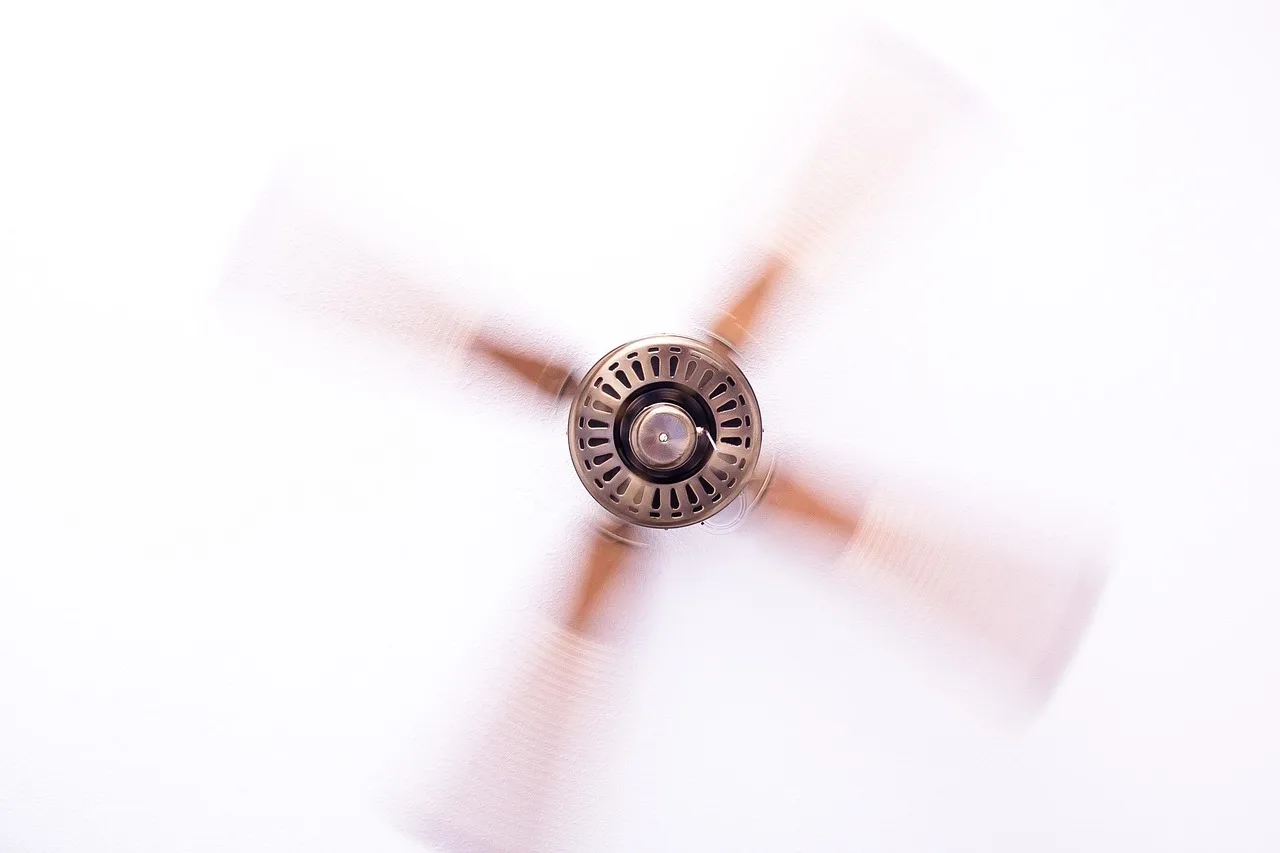
The table below focuses on the current U.S. fan models called out in IKEA’s lineup and the accessories that affect total cost. Use it as a buying filter, not just a price list. The strongest value depends on room size, light needs, and whether you want a remote or a downrod in the box.
| Model | Price | Blade span | Recommended room size | Airflow | Lumens | Watts | Noise | Remote included | Downrod included | Best for |
|---|---|---|---|---|---|---|---|---|---|---|
| BACKLAG | $44.99 | Not stated in the supplied product data | Use the 29–36-inch guidance for rooms up to 75 sq ft if the fan diameter matches that class | Not stated | Not stated | Not stated | Not stated | No listed remote | Not stated | Small rooms and tight budgets |
| AKTERSTAGAD | $99.99 | Not stated in the supplied product data | Use the 36–42-inch guidance for 76–144 sq ft if the fan diameter matches that class | Not stated | Not stated | Not stated | Not stated | Not listed | Not stated | Bedrooms and modest medium rooms |
| AKTERSKARP | $139.99 | Not stated in the supplied product data | Use the 36–42-inch guidance for 76–144 sq ft if the fan diameter matches that class | Not stated | Not stated | Not stated | Not stated | Not listed | Not stated | Style-focused bedrooms and living rooms |
| AKTERTOFTER | $169.99 | 56 inches, five blades | 250–400 sq ft | Not stated in the supplied product data | 1500 lumens | 15 watts | Maximum 50 dB | Yes | Not stated | Large rooms that need stronger coverage |
| BRUNALGER extension downrod | $10.00 | 11 3/4 inches long | N/A | N/A | N/A | N/A | N/A | N/A | N/A | Installations that need extra hanging height |
IKEA’s current room-size guidance is straightforward. Use 29–36-inch fans for rooms up to 75 square feet, 36–42-inch fans for 76–144 square feet, 44-inch fans for 145–225 square feet, and 50-inch-or-larger fans for 226 square feet and up. That makes AKTERTOFTER the clearest large-room choice in the current lineup.
Which IKEA ceiling fan fits your room?
For very small rooms, the safest path is the compact end of the range, because overfanning can look bulky and can move more air than you want. For bedrooms and medium rooms, the middle sizes usually make more sense. For large rooms and open-plan spaces, AKTERTOFTER is the only model here with explicit large-room coverage.
Small rooms up to 75 sq ft
Use the smallest size class, which IKEA maps to 29–36 inches. That range is better for a small office, compact bedroom, or utility room than a large decorative fan. BACKLAG is the low-cost entry point, but its final fit depends on the fan diameter listed on the product page and the room’s ceiling height.
Bedrooms and medium rooms
For 76–144 square feet, the 36–42-inch class is the right target. AKTERSTAGAD and AKTERSKARP are the models most likely to make sense here because they sit above the cheapest entry point without jumping all the way to a large-room fan. If the room also needs primary light, favor the dimmable option.
Large rooms and open-plan spaces
For 226 square feet and larger, IKEA’s own guidance points to 50 inches or larger. AKTERTOFTER fits that brief at 56 inches and is the strongest match in the current lineup. If the room is very long, has multiple seating zones, or sits under a vaulted ceiling, even this model may be the minimum rather than the final answer.
Is an IKEA ceiling fan with light bright enough?
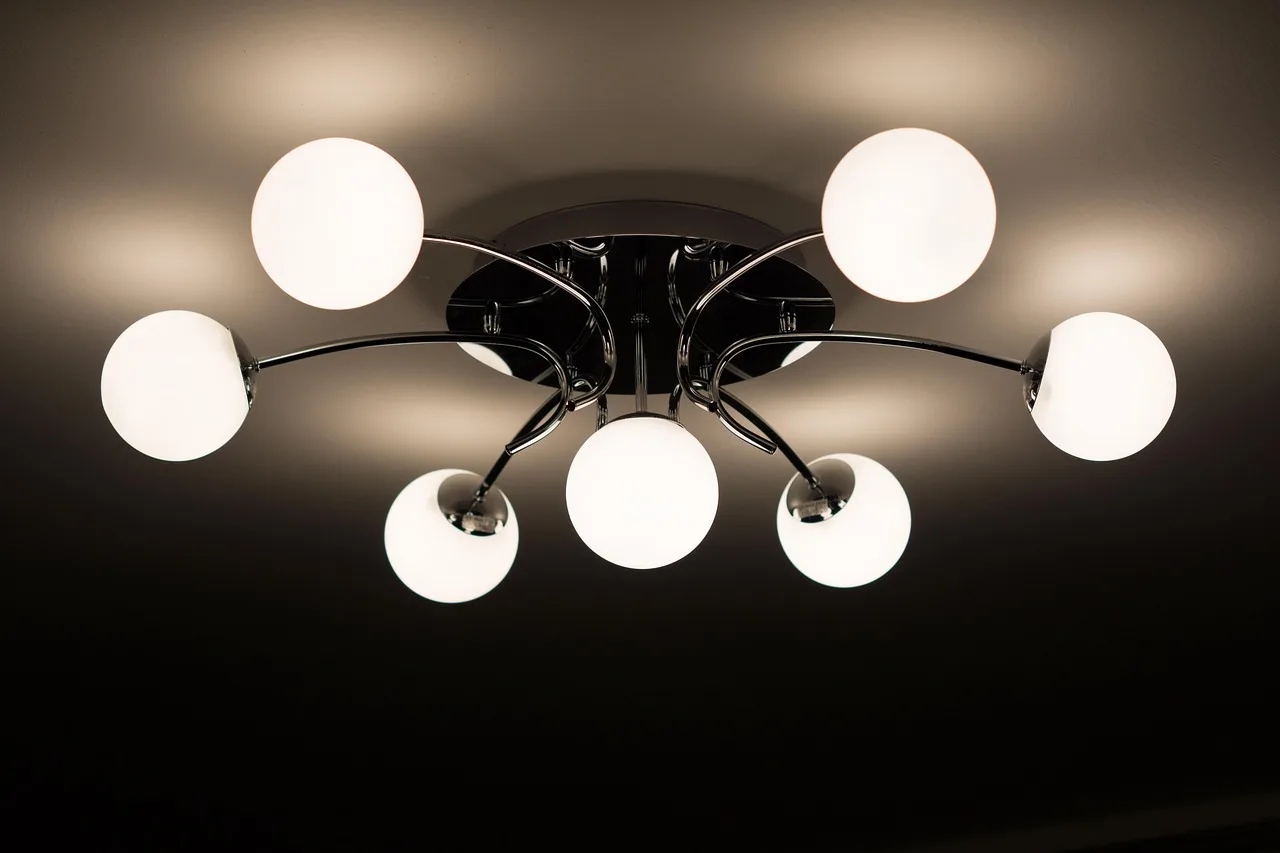
For a bedroom, a lighted IKEA fan can be bright enough if the room is small to medium and the fixture’s lumen output matches the task. AKTERTOFTER’s 1500 lumens is the only exact brightness figure in the lineup provided here, and that level is better suited to general room lighting than to a dark, oversized primary space.
How to read lumens for bedrooms
Think of lumens as the quantity of light, not the mood of it. A bedroom used mainly for sleeping can work with less light than a room used for dressing or reading. If the room has dark wall colors, no other overhead fixture, or a large floor plan, a low-lumen fan light can feel underpowered.
When dimmable lighting matters
AKTERSKARP is the useful example here because it is dimmable. That matters in bedrooms, where you may want bright light in the evening and a lower setting later. Dimming also helps when a ceiling fan is the only overhead fixture and you do not want harsh light pointed straight down.
Fan-only versus lighted models
A fan-only fixture can be a better choice if the room already has strong ceiling lighting and you want to spend your money on airflow instead. A lighted model is better when you are replacing both a fan and a separate fixture at once. If you need one product to do both jobs, the lighted IKEA options are easier to justify than a fan plus a separate lamp.
How much does installation add?
The sticker price is only part of the bill. Add remote batteries when a remote is included, expect electrician labor if the room is not already wired for a ceiling fan, and budget for a downrod if the hanging height needs adjustment. BRUNALGER costs $10.00, so the accessory itself is not expensive, but the total install cost can still move the final number.
Remote batteries and add-on costs
AKTERTOFTER includes a remote control, but batteries are sold separately. That is a small line item, yet it matters when comparing total ownership cost. If a competing fan includes an app or wall control, the value comparison changes quickly, because battery upkeep is only one of several convenience costs.
When you may need BRUNALGER
BRUNALGER is the 11 3/4-inch extension downrod, and it comes in multiple color options. Use it when the fan hangs too close to the ceiling for comfort, or when the room needs the blades lower for better air movement. Low ceilings are the opposite case: a downrod can make clearance worse, so measure carefully before adding one.
Sloped ceilings and fit checks
Sloped ceilings can work, but they require a careful check of the mount and the final drop. Do not assume every ceiling angle is fine just because the fan exists in the catalog. Confirm the installation instructions, the bracket type, and the clearance below the blades before buying the fan and any downrod.
Who should buy an IKEA ceiling fan?
IKEA ceiling fans suit buyers who want a clean-looking fan with light, a predictable room-size target, and a lower starting price. They are less suitable for people who need app-based control, very large-room performance, or the quietest possible fan. If you want a fast, value-first purchase for a bedroom or average living room, the line is worth a look.
Best use cases
Choose IKEA if you are furnishing a guest room, a standard bedroom, or a mid-sized living room and want one fixture to handle both light and air movement. The line also makes sense if you want a straightforward remote on the more expensive model without stepping into premium-brand pricing. AKTERTOFTER is the best match when room size is the main concern.
Who should skip the line?
Skip it if the room is very large, the ceiling is low enough that hanging height is a problem, or you want smart-home control from an app. Skip it as well if you are trying to solve a noise-sensitive space and need the quietest possible fan; even AKTERTOFTER is rated at a maximum noise level of 50 dB, which is useful information, not a claim of silence.
Frequently asked questions
Does IKEA sell ceiling fans?
Yes. IKEA’s U.S. ceiling fan category shows 10 items, and the current lineup starts at $44.99 with BACKLAG. The range includes fan-and-light combinations, and IKEA also gives room-size guidance so you can match the fan diameter to the space before buying.
Does IKEA sell fans?
Yes, IKEA sells ceiling fans in the U.S. category, and the models covered here all focus on ceiling-mounted fan-and-light use. If you need a portable floor or desk fan, that is a different product category from the ceiling fan lineup discussed in this review.
Are smart ceiling fans worth it?
They are worth it only if you will use app control often, want schedules, or prefer deeper automation. IKEA’s lineup here is not positioned as smart-home ready, so if app control is a must-have, a pricier competitor is the better buy rather than stretching this line to fit.
Are expensive ceiling fans worth it?
They are worth it when you need a larger blade span, lower noise, better controls, or stronger light output than a budget model can provide. In IKEA’s lineup, the higher-priced model makes sense for large rooms; for small bedrooms, the extra spend is easier to skip.
Is the IKEA ceiling fan with light bright enough for a bedroom?
It can be, depending on room size and whether the fan is the main light source. AKTERTOFTER’s 1500 lumens is the clearest brightness figure here and is suitable for a bedroom that is not oversized. If you want softer control, AKTERSKARP’s dimmable light is the safer pick.
Which IKEA ceiling fan is best for a large room?
The other models are better suited to smaller spaces, so they should not be the first choice for open-plan areas.
What is the difference between IKEA BACKLAG and AKTERTOFTER?
BACKLAG is the $44.99 entry-level option, while AKTERTOFTER is the $169.99 model with five 56-inch blades, six speeds, 1500 lumens, 15 watts, a maximum noise level of 50 dB, ENERGY STAR certification, and a remote. The difference is not just price; it is room fit and feature set.
Do IKEA ceiling fans work on sloped ceilings?
They can, but only if the mounting setup and blade clearance are correct for the slope. Check the installation details before buying, and do not assume a downrod solves every angle issue. Ceiling pitch, bracket type, and final drop all affect whether the fan fits safely.
How loud is an IKEA ceiling fan?
Noise varies by model, and IKEA does not publish a single figure for the whole lineup. AKTERTOFTER is rated at a maximum of 50 dB, which gives you one concrete benchmark. If low noise is your top priority, compare that number against other brands rather than guessing from price alone.
Do IKEA ceiling fans need a remote?
No. A remote is not required for every model, and not every IKEA fan includes one. AKTERTOFTER includes a remote control that handles speed, light, and reverse airflow, but batteries are sold separately. For other models, check the specific product page before assuming remote control comes in the box.
Products related to this article
Sponsored / affiliate links. As an Amazon Associate I earn from qualifying purchases. I may earn additional commission from eligible campaigns.