Vanity Light Size Chart: Pick the Right Fit for Your Mirror
For a bathroom vanity, a common rule of thumb is to choose a light that is about 75% to 85% of the mirror width, or to keep a centered single bar no wider than the vanity. Smaller lights leave the cheeks in shadow and make the mirror feel dim. Oversized fixtures crowd the wall and can bump the mirror frame. This guide turns mirror width, ceiling height, and fixture type into a vanity light size chart you can actually buy from.
Vanity light height basics


The common floor reference is 78 inches from the floor to the centre of the fixture, and that standard assumes an 8-foot ceiling. It is a planning baseline, not the only measurement that matters. Mirror height, fixture depth, and face height still change the final placement.
The mirror-top reference point matters because the same 78-inch floor height can sit too low on a tall mirror and too high on a short one. A vanity light should usually sit about 3 inches above the top of the mirror, then be checked against eye level and mirror clearance.
Even, flattering light across the face is the target. If the fixture sits too low, it can throw a hard shadow under the brow and nose. If it sits too high, the light reaches the top of the mirror but misses the lower face.
How high should a vanity light be above a mirror?
For most bathrooms, place the fixture about 3 inches above the mirror top, then confirm that the centre of the light still lands near eye level. That gap gives the mirror room without pushing the lamp so far up that the face falls outside the beam.
If the mirror is unusually tall, the 3-inch gap can force the fixture higher than the 78-inch floor standard. In that case, the mirror-top rule matters more than the floor number, especially if the mirror reaches close to the ceiling.
The fixture centre controls how the light spreads on the face. A bar light aimed too high brightens hair and the upper mirror more than the cheeks and chin. A lower centre can do the opposite and create under-eye shadow.
Measure from the mirror, not only the floor
- Mark the mirror top. Measure straight up from the floor to the top edge of the mirror. That gives you the reference needed to keep the fixture about 3 inches above the glass instead of guessing from the floor alone.
- Set the fixture centre. Use the 78-inch floor standard as the starting point on an 8-foot ceiling, then compare it to the mirror-top mark. If both numbers point to a similar spot, the layout is usually on track.
- Check the face zone. Stand at the vanity and note where the light will hit the brow, nose, and chin. The beam should cover the full face evenly, not just the top half.
Vanity light sizing chart
This chart gives a practical width rule first, then ties it to fixture type and mounting logic. Use the mirror width as the anchor. Then choose the light width, the number of bulbs, and the mounting style that fits the space without crowding the frame.
| Mirror width | Recommended fixture width | Mounting height guide | Best fixture type |
|---|---|---|---|
| 18 to 24 inches | 14 to 20 inches | About 3 inches above the mirror top | Single-light or small single bar |
| 24 to 30 inches | 18 to 26 inches | About 3 inches above the mirror top | 2-light bar or small sconce pair |
| 30 to 36 inches | 24 to 30 inches | Standard 78 inches from floor works on 8-foot ceilings | 3-light bar or two sconces |
| 36 to 48 inches | 28 to 40 inches | Mirror-top measurement usually beats floor-only planning | 3-light or 4-light bar, or wide sconce pair |
| 48 inches and wider | 36 to 44 inches or split layout | Confirm sightline and mirror clearance first | 4-light bar or two sconces on a double vanity |
Use the table as a buy-and-install filter. A 2-light or 3-light vanity fixture usually suits smaller mirrors, while a 4-light unit or two sconces suits wider spans and double vanities. The light should feel proportionate, not cramped or lost on the wall.
A single bar works best when the mirror is centered and the fixture can sit above it without clipping the frame. Two sconces work better when the vanity is wide enough to accept side lighting and the mirror is not so tall that the sconces land too low.
Choose between bar lights and sconces
Bar lights above the mirror are the easiest choice when you want one centered fixture and simple wiring. Sconces flanking the mirror work better when you want light from both sides of the face, especially on wider mirrors or double vanities.
Sconces follow different placement logic than a bar light. Instead of hanging a single fixture above the mirror, the goal is to place each sconce near face height so it fills in shadows from both sides.
- Match the mirror shape. Use a bar light for a rectangular mirror when the width and centre line are clear. Use sconces when the mirror is wide enough to leave room on both sides.
- Check the face shadow. If the bathroom has deep mirror framing or a mirror that sits away from the wall, side light often reduces shadow better than a top-only bar.
- Choose dimmable output. Pick dimmable vanity light products when the fixture has multiple bulbs or a higher output. That gives you room to lower brightness without changing the placement.
Suppose a 30-inch mirror sits over a compact sink and the wall space is tight. A 24-inch 2-light bar above the mirror can stay inside the width range and keep the fixture centered. If the same mirror sits on a wider wall with room for side mounts, two sconces can give flatter face lighting.
Does ceiling height change placement?
Yes. The 78-inch standard is built around an 8-foot ceiling, so taller ceilings often need a small adjustment. A 9-foot ceiling often calls for a slightly higher placement, around 80 to 82 inches. For 10-foot ceilings, the mirror-relative measurement becomes more reliable than the floor measurement.
That change matters because the fixture needs to feel tied to the mirror, not just to the room height. On a taller ceiling, a floor-only measurement can leave the light floating awkwardly high, with more wall above it than below it.
Use the ceiling as a placement check
- Start with 78 inches. On an 8-foot ceiling, use the centre of the fixture at 78 inches from the floor as your baseline. Then confirm that it still clears the top of the mirror by roughly 3 inches.
- Raise slightly for 9 feet. On a 9-foot ceiling, move the centre up to around 80 to 82 inches if the mirror and wall space allow it. That keeps the light visually connected to the mirror.
- Trust the mirror on 10 feet. On a 10-foot ceiling, measure from the mirror first, then use the floor number as a cross-check. The mirror-to-light relationship matters more than the room height alone.
A common first-timer mistake is to keep a 78-inch floor height on a tall wall without checking the mirror top. The result is a fixture that feels too high and gives the face less direct light. Mirror-relative placement prevents that mismatch.
Bar light or sconces?
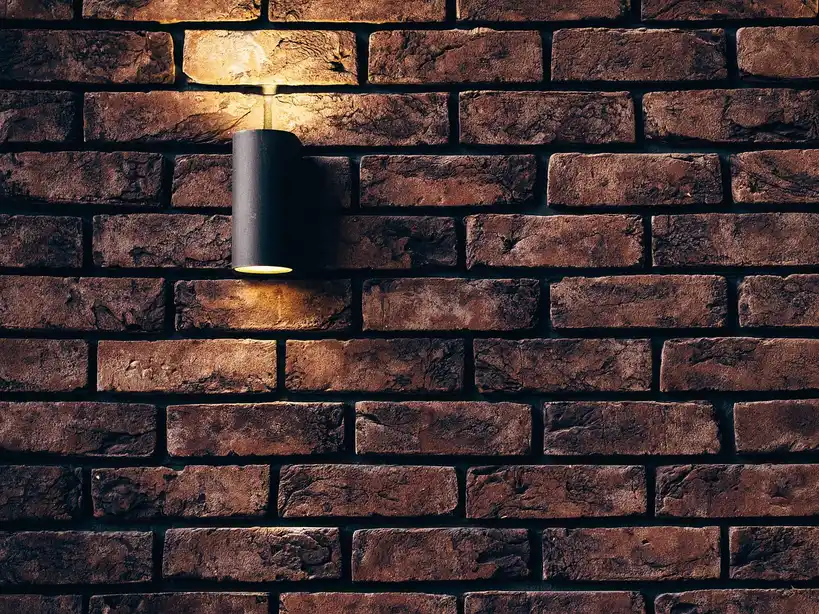
Use a bar light when you want a single centered fixture, a cleaner install, and a straightforward width match to the mirror. Use sconces when side lighting matters more, especially on wider mirrors, double vanities, or spaces where top lighting creates cheek and nose shadows.
Fixture type matters as much as fixture size. A 3-light bar can cover a medium mirror well, but the same mirror may look better with two sconces if the wall layout needs broader spread. The right choice depends on where the shadows fall, not only on style.
Light spread, wattage, and shadow control
Wider fixtures usually spread light more evenly across the face and mirror. Higher-output fixtures may need dimming so the light does not feel harsh at close range. If the vanity is used for grooming, lower glare often matters as much as total brightness.
Mirror depth and frame thickness also affect spread. A deep frame can block part of the beam if the fixture sits too low, while a frameless mirror gives more room for a lower mount. That is why the same width rule does not fit every installation.
- Choose a single bar when the mirror is centered and the width stays within the chart range.
- Choose two sconces when the vanity is wide and you want side fill for the face.
- Choose 2-light, 3-light, or 4-light vanity fixtures based on mirror width and wall span.
AllModern’s vanity lighting category includes 238 items, with 2-light, 3-light, 4-light, and single-light vanity options. That range matters because the right layout is not one-size-fits-all; it gives you room to match the fixture count to the mirror width and the room height.
The same category includes multiple finish choices such as black, chrome, brass, and nickel, and some vanity lights are offered in multiple sizes. A listed 34-inch bathroom vanity light is a useful example of how widths are sold in real, installable spans.
How do you choose vanity lighting for a bathroom?
Start with mirror width, then check ceiling height, then decide between a bar and sconces. After that, choose the finish and bulb output that fit the room. That order keeps the layout practical and keeps the face out of shadow.
Black, chrome, brushed nickel, and brass are common finish choices, and multiple color options can help match faucets and cabinet hardware. Finish matters visually, but the size and placement still come first because they control how the light lands on the face.
Use this planning order
- Measure the mirror width. Use the mirror as the anchor and compare it to the width chart. Aim for a fixture that is about 75% to 85% of the mirror width unless a centered bar needs to stay within the vanity width.
- Check the ceiling height. Treat 8 feet as the baseline, then adjust for 9 feet or 10 feet as needed. This keeps the fixture from sitting too low or too high on the wall.
- Pick the fixture type. Choose a bar light for a clean centre mount, or sconces when side light better suits the mirror and vanity width. Use 2-light, 3-light, or 4-light counts to match the span.
- Confirm finish and dimming. Select black, chrome, brushed nickel, brass, or another matching finish after the placement is set. Add dimming when the fixture has multiple bulbs or a bright output.
Picture a 36-inch mirror over a single sink with an 8-foot ceiling. A 3-light bar near 30 inches wide fits the mirror proportionally, and the 78-inch floor standard still works well. If the same vanity had a taller mirror and a 9-foot ceiling, the mirror-top measurement would matter more than the floor number.
Say a double vanity uses a long mirror under a 10-foot ceiling. A single narrow bar may leave the ends dim, while two sconces or a wider 4-light fixture gives better spread. The same room would need a different answer if the mirror were short and framed, because the top clearance would change.
Frequently asked questions
What is the standard vanity light height from the floor?
The standard vanity light height is 78 inches from the floor to the centre of the fixture. That figure assumes an 8-foot ceiling and works best as a baseline. On taller ceilings, the mirror and fixture type should guide the final placement, not the floor number alone.
How do you measure vanity light height from the mirror?
Measure from the top edge of the mirror to the bottom or centreline of the fixture, depending on the design, and keep the gap near 3 inches when the wall allows it. This method is useful when mirror height varies or when a tall ceiling makes floor-only measuring less accurate.
Does ceiling height change vanity light placement?
Yes. An 8-foot ceiling uses the standard 78-inch floor baseline, while a 9-foot ceiling often needs a slightly higher placement around 80 to 82 inches. At 10 feet, the mirror-relative measurement matters more because the fixture can look too low if you follow the floor number alone.
How far above a vanity mirror should sconces go?
Sconces do not follow the same rule as a bar light above the mirror. They should sit near face height and flank the mirror so they fill in shadows from the sides. The goal is even light on the cheeks, nose, and chin, not a fixed distance above the top edge.
What size vanity light do I need for my mirror?
Use a fixture about 75% to 85% of the mirror width as a practical starting point. For a centered single bar, keep the fixture no wider than the vanity when possible. Then choose 2-light, 3-light, or 4-light options based on the mirror span and the amount of side clearance.
Products related to this article
Sponsored / affiliate links. As an Amazon Associate I earn from qualifying purchases. I may earn additional commission from eligible campaigns.