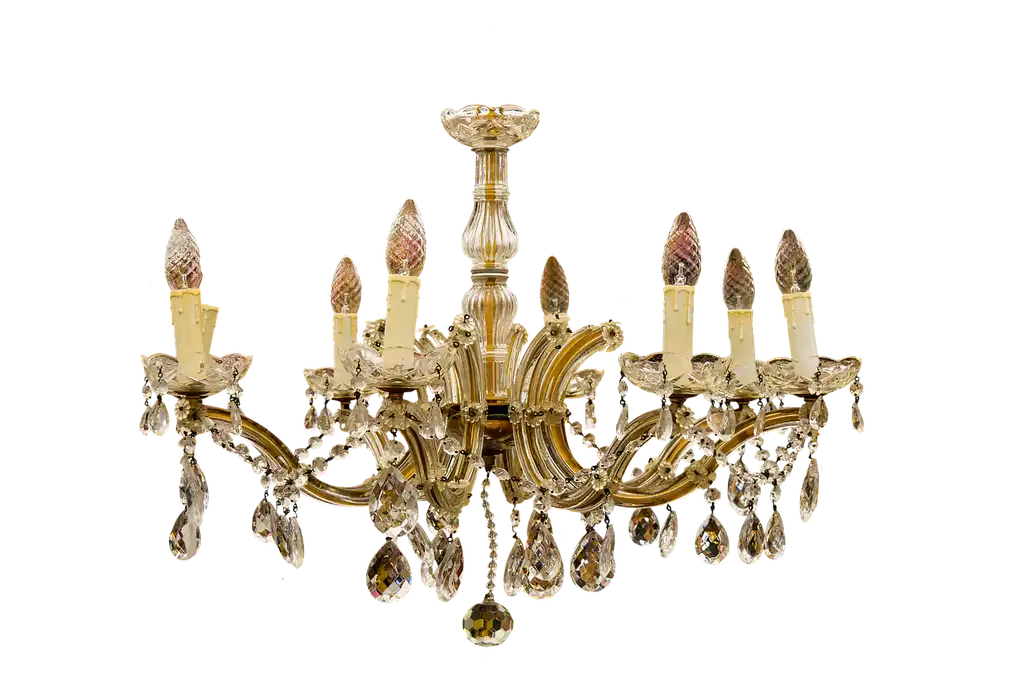
Dining Room Chandelier Size Chart
A common rule of thumb is to use a dining room chandelier about half to two-thirds the table width, hang it about 30 to 36 inches above the tabletop, and start with a fixture diameter in inches equal to the room’s length plus width in feet. A chandelier that is too small can vanish above a large table; one that is too large can crowd chair paths and throw off balance. This guide gives a dining room chandelier size chart for room and table measurements, plus simple rules for low ceilings, narrow rooms, and long tables.
How to size a dining room chandelier
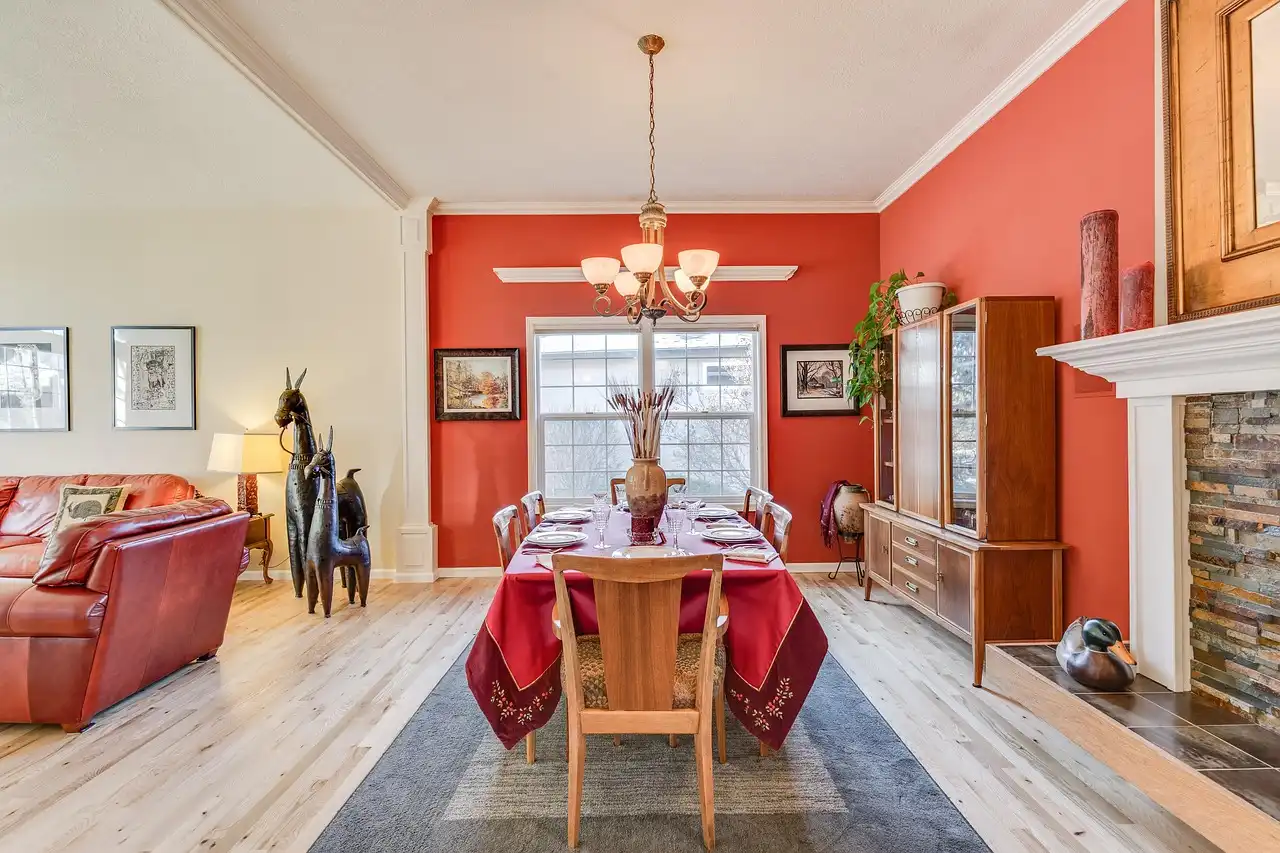
Start with the room if the chandelier will float in open space. Start with the table if it will sit directly over dining furniture. The room rule uses length plus width in feet to estimate diameter in inches. The table rule uses table width or length, with width usually more important for round and square tables.
Room dimensions versus table dimensions
For open areas, add the room width and length in feet to estimate chandelier width in inches. A 15-by-21-foot room points to a 36-inch-wide chandelier. A 5-by-10-foot bathroom points to a chandelier around 15 inches wide. That rule works best when the fixture is centered in a broad space rather than directly over a specific table.
For dining tables, the table is the anchor. A common rule is to choose a chandelier about 12 inches narrower than the table width, then check the table length if the fixture is elongated. This keeps the fixture from hanging over chair paths or looking wider than the furniture below it.
When diameter matters more than style
Diameter is the fastest way to judge proportion. A chandelier that is too small can disappear above a large table, while one that is too wide can feel heavy and block views across the room. Height matters too, but width or length is usually the first measurement to settle.
One common mistake is choosing by style name alone. A round, square, or linear look still needs the same basic size check. Measure first, then pick the shape.
Dining room chandelier size chart
| Table shape | Table width or length | Recommended fixture diameter or length | Ideal hanging height | Choose this instead if… |
|---|---|---|---|---|
| Round | 48-inch round | About 36 inches wide | 30 to 34 inches above tabletop | The room is low-ceilinged; choose a shorter fixture or flush mount chandelier. |
| Square | 36-inch square | About 24 inches wide | 30 to 34 inches above tabletop | The table is set in a small room; choose a smaller diameter to keep clearance open. |
| Rectangular | 72-inch length | About 60 inches long or a linear chandelier | 30 to 34 inches above tabletop | The table is long and narrow; choose a linear chandelier instead of a round one. |
| Rectangular | 96-inch length | Two fixtures, or one long linear fixture | 30 to 34 inches above tabletop | A single large fixture would crowd sightlines or look undersized at the ends. |
| Oval | 60 to 84 inches length | About 12 inches less than table length | 30 to 34 inches above tabletop | The room is narrow; a slimmer linear form will read better than a wide round globe. |
What size chandelier works for an 8-foot ceiling?
An 8-foot ceiling usually needs a shorter chandelier body, because the fixture still has to clear heads and stay visually light. A common rule is 2 to 3 inches of fixture height for each foot of ceiling height, and an 8-foot ceiling can hold a 16- to 24-inch tall chandelier. If the room feels tight, a flush mount chandelier is often the better answer.
Fixture height limits
Ceiling height shapes how much vertical volume the fixture can use. Taller chandeliers suit 10-foot ceilings better, while 8-foot ceilings usually call for a lower-profile shape. The fixture should still leave enough room for people to stand, pull out chairs, and move through the dining area without bumping into the bottom edge.
When to choose a flush mount chandelier
Choose a flush mount chandelier when a standard hanging fixture would sit too low for comfort or make the room feel compressed. That is especially useful in rentals, older homes, and compact dining nooks where ceiling height cannot change. It also solves the common problem of head clearance near a doorway or traffic path.
Suppose a dining nook has an 8-foot ceiling and a 60-inch round table. A tall, layered fixture may meet the width rule but still feel too heavy overhead. A shorter chandelier or flush mount option preserves clearance and keeps the room from feeling crowded.
How wide should a chandelier be over a dining table
Over a dining table, chandelier width should usually be about 12 inches less than the table width. For a 36-inch-wide table, that points to a 24-inch-wide chandelier. For round or square tables, width is the main guide; for rectangular tables, width still matters, but length often becomes the better fit.
Round and square tables
Round tables pair well with round or square chandeliers because the shapes echo each other and keep the fixture centered over the seating ring. A round table with a 48-inch diameter often works with a chandelier around 36 inches wide. That leaves enough visual margin so the fixture does not overhang the chairs too aggressively.
Square tables work the same way. A 36-inch square table points to a chandelier around 24 inches wide, which keeps the fixture in scale without overpowering the surface.
Rectangular and long tables
Rectangular tables usually need a linear chandelier or a long fixture, especially when the table is narrow and extended. A long narrow table may need a chandelier shaped similarly to the table. That keeps light coverage even from end to end and avoids the “floating ball over a plank” effect.
A common first-timer mistake is hanging a round chandelier over a 10-foot rectangular table because the diameter seems large enough. The fixture may still leave the ends dim and make the table feel visually compressed in the middle. A linear fixture, or two smaller fixtures, usually reads better.
How high should a dining room chandelier hang?
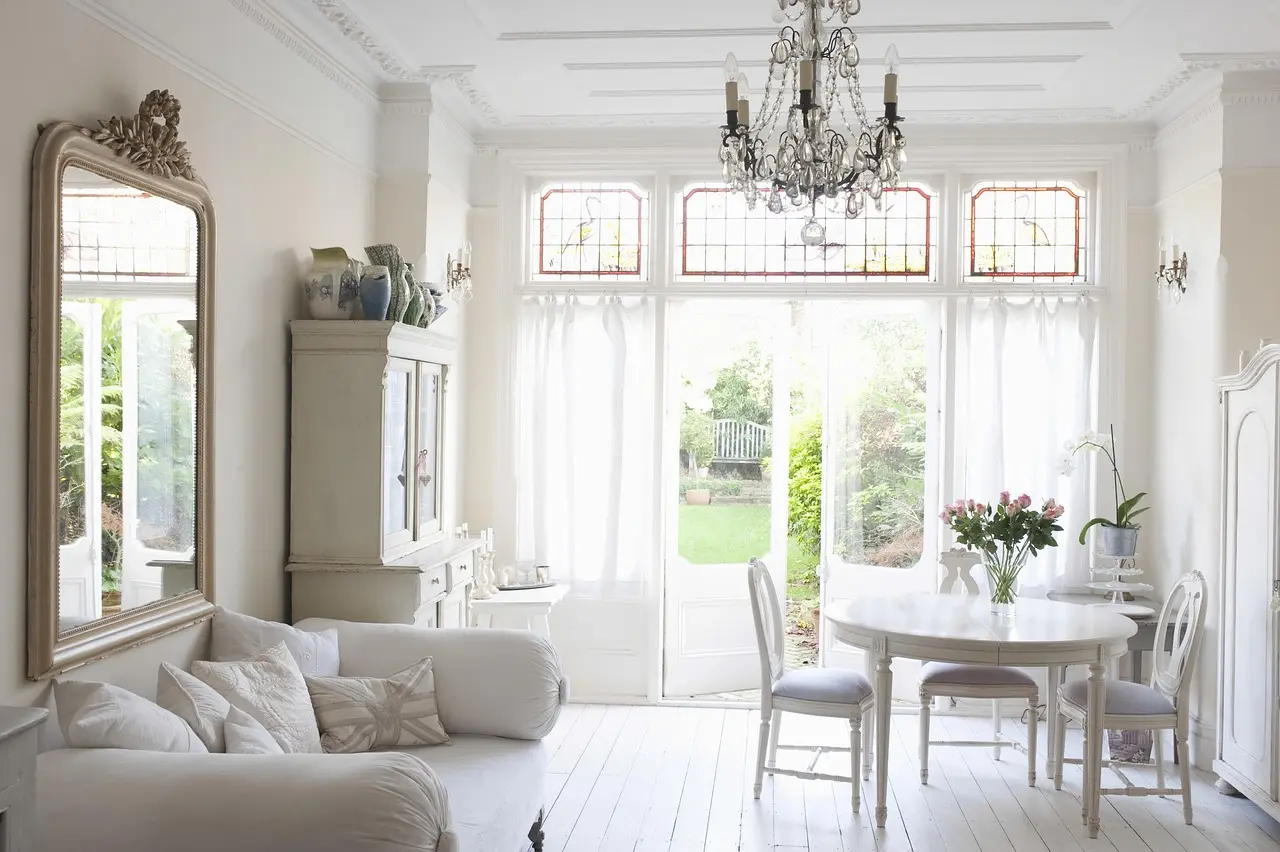
Dining room chandeliers should hang 30 to 34 inches above the table bottom, with enough space for people to stand without hitting the fixture. That clearance is the main comfort rule. If the chandelier hangs much lower, the room can feel cramped; if it hangs much higher, the table may lose visual focus and light concentration.
Standard clearance above the tabletop
Set the bottom of the chandelier about 30 to 34 inches above the tabletop in most dining rooms. Some guides also use at least 3 feet between the fixture and tabletop as a general clearance benchmark. The right number depends on ceiling height, fixture shape, and whether the line of sight across the table needs to stay open.
Adjusting chain or rod length
An adjustable chain or rod lets you fine-tune hanging height after installation. Chain is easier to adjust than a fixed rod, which matters when the ceiling height is standard but the table looks higher or lower than expected in the room. This flexibility also helps when the same fixture might move later to a different table.
- Measure the tabletop height. Use the finished table surface, not the floor, as your reference point. Then measure upward to the point where the fixture’s bottom will sit 30 to 34 inches above the table.
- Check the ceiling clearance. Make sure the chosen fixture height still leaves the room feeling open, especially with 8-foot ceilings. If the body is too tall, shorten the chain or choose a lower-profile design.
- Test the sightline. Stand at the table and check whether the fixture blocks conversation across the center. If it does, raise it slightly or choose a slimmer form.
What if the room is small or the table is long?
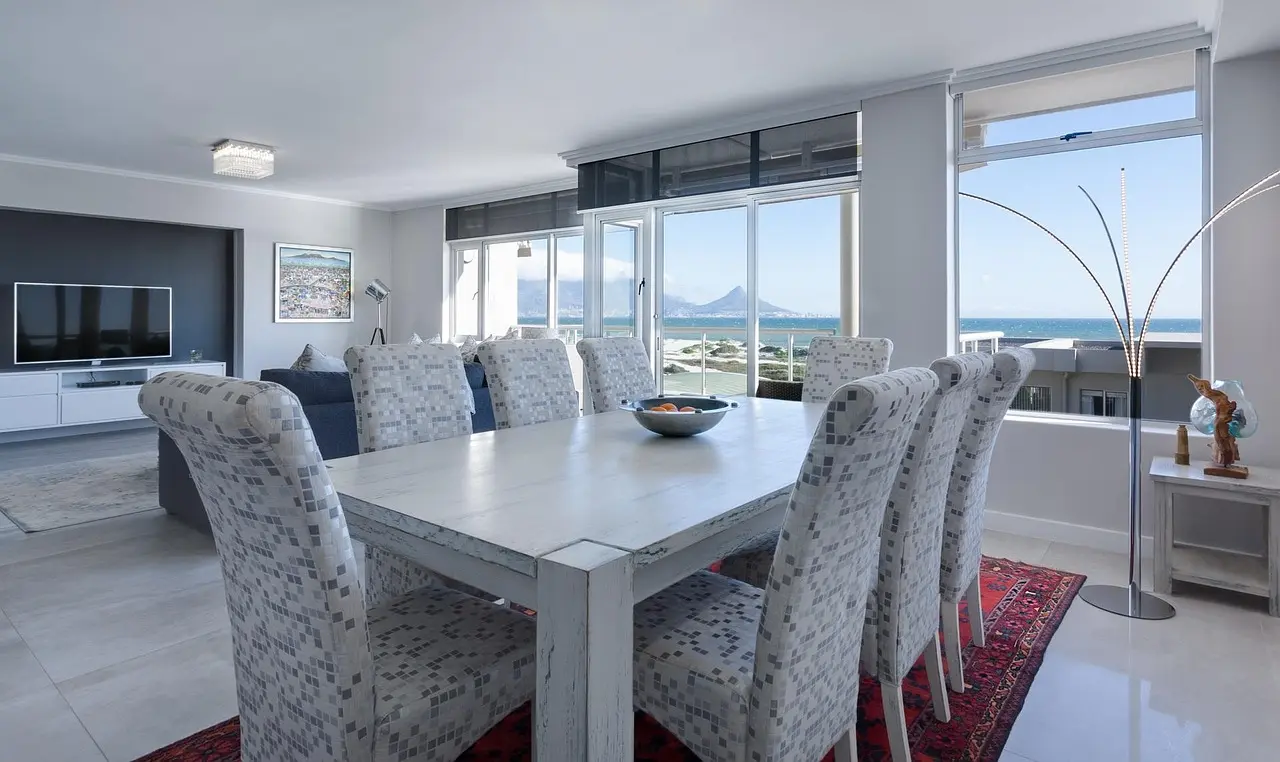
Small rooms and long tables are where the usual formulas break down most often. A small room can make the correct-size fixture feel too large, while a long table can make the correct-width fixture feel too short. In those cases, use the room, table, and clearance rules together instead of relying on only one number.
Narrow rooms and proportion issues
In a narrow room, the chandelier must respect the room’s circulation space as much as the table. A fixture that matches the table width can still feel oversized if chairs, doors, or sideboards sit close by. Keep enough visual margin on both sides so the fixture does not feel squeezed between walls.
Two chandeliers over one
For very long tables, two chandeliers over one dining table can work better than one oversized fixture. This approach spreads light more evenly and avoids a single fixture that is too large for the room’s scale. It is also useful when the table is extra long, but the ceiling will not support one very large hanging point.
If the table is long enough that one fixture would leave dark ends, two smaller fixtures can solve the problem cleanly. Keep them aligned with the table centerline and spaced evenly so the layout reads intentional rather than crowded.
Linear chandelier fallback
A linear chandelier is often the better fit for long rectangular tables because it echoes the table shape. It also distributes light along the surface more evenly than a round fixture. For benches or narrow dining rooms, that shape often looks more proportional and keeps the ends from feeling empty.
For oversized tables, a single round chandelier can look underpowered even when the width seems adequate. Two chandeliers or a long linear piece usually handles the scale more convincingly.
Lighting output and bulb spread
Chandelier size is about more than decoration. Fixture width and length affect bulb spread, which changes how evenly the table is lit and how bright the room feels from the seats. A small fixture with few bulbs may leave the ends dim, while a larger or longer fixture can spread light more evenly across the table surface.
Bulb count and placement matter as much as body size. A decorative chandelier with many small bulbs can still give useful task light if the bulbs are spread across the full length or diameter. For dining, the goal is steady light on plates and centerpieces without glare in diners’ eyes.
Say your table is 84 inches long and the room is narrow. A round fixture sized only by room formula may fit the ceiling, but the light may pool in the middle and fade at the ends. A linear chandelier, or two smaller fixtures, gives a more even spread while keeping the room balanced.
Frequently asked questions
What size chandelier for dining room
For a dining room chandelier, start with the table if the fixture hangs directly above it and with the room if it floats in open space. A common table rule is to go about 12 inches narrower than the table width. For open areas, add the room length and width in feet to estimate chandelier diameter in inches.
What size chandelier for small dining room
In a small dining room, the fixture often needs to be smaller than the room formula suggests so chairs, sightlines, and walking space stay clear. Low ceilings usually need a shorter chandelier or a flush mount chandelier. If the room is narrow, a linear fixture can fit better than a round one.
Can you use two chandeliers over one dining table
Yes. Two chandeliers over one dining table can work well when the table is very long, the room is oversized, or a single large fixture would feel too heavy. Keep the pair centered on the table and sized so the ends of the table receive light without crowding the chairs.
Products related to this article
Sponsored / affiliate links. As an Amazon Associate I earn from qualifying purchases. I may earn additional commission from eligible campaigns.