Bathroom Light and Fan Not Working Troubleshooting
If both the bathroom light and fan are dead, start at the breaker and any GFCI or AFCI protection: if one switch works and the other does not, suspect the switch or control; if neither works, suspect a power loss or shared neutral. Missing that pattern can waste time, trip breakers again, and hide a wiring fault that can overheat. This guide gives you a symptom-based check for electrical failure, control failure, and airflow failure.
Bathroom fan troubleshooting matrix

| Symptom | Likely cause | Fastest safe test | DIY fix | Pro-needed flag |
|---|---|---|---|---|
| Both dead | Tripped breaker, tripped bathroom GFCI or AFCI, loose feed, shared neutral fault | Check the breaker and any bathroom protection first; then use a voltage tester only after safe shutdown to verify the box is de-energized before opening it | Reset the breaker or protection device, tighten an obviously loose device cover only after power is off, replace a worn switch if the circuit stays live and the load still fails | Yes, if the breaker trips again, if the neutral is loose, or if you cannot confirm the feed path |
| Light dead, fan works | Bad light switch pole, failed lamp module, loose switched leg, bad connection at the fixture | Swap the switch function only if the wiring is clearly labeled and power is off; otherwise use a voltage tester at the switch after shutdown and inspect for a loose conductor | Replace the switch or light module if the model allows it; reterminate loose connections with the power off | Yes, if the light is integrated and the replacement part is not obvious |
| Fan dead, light works | Bad fan switch pole, failed motor assembly, seized blower wheel, open neutral to the fan load | Listen for a hum, then check the switch and fan wiring after safe shutdown | Clean the grille and blower wheel, replace the switch if it fails continuity checks, or replace the blower assembly if the motor hums but will not spin | Yes, if the motor wiring is buried or the fan housing is hard to reach |
| Fan hums | Stuck blower wheel, failed motor, bent shaft, debris in the housing | Turn power off and spin the wheel by hand if the cover is removed and safe access is available | Clean the grille, motor area, and blower wheel; replace the blower assembly if the wheel still will not start | Yes, if the wheel is seized or the housing is damaged |
| Breaker trips | Short in the load, damaged motor, damaged switch, wire fault, AFCI nuisance trip from a failing component | Remove the load from service and check whether the breaker trips with the switch off; do not keep resetting it | Stop using the circuit and replace the failed part only after the fault is isolated | Yes, especially for repeated trips or any sign of heat damage |
| Intermittent power | Loose switch terminal, loose neutral, failing switch, heat-sensitive motor winding | Wiggle the switch only after power is off; inspect for loose conductors and discoloration | Reterminate loose connections, replace the switch, or replace the motor assembly if it cuts in and out under load | Yes, if the problem returns after tightening connections |
| Fan only works when the door is open | Poor makeup air, tight room, blocked transfer path, pressure imbalance | Crack the door open and repeat the airflow check | Improve the undercut or transfer path, clear the grille and duct, and confirm the vent path is open | Yes, if the room has a combustion appliance or the pressure issue is severe |
| Weak airflow after power returns | Dust on grille or blower wheel, stuck exterior damper, blocked duct, disconnected flex duct, undersized fan | Use the toilet paper test at the grille and inspect the exterior hood or cap | Clean the grille and blower wheel, free the damper, reconnect damaged ducting, or plan a larger fan if the room is chronically under-vented | Yes, if the duct is hidden, crushed, or routed to a roof cap you cannot reach safely |
A heavy dust layer on the cover grille is the usual reason for weak airflow. The toilet paper test is the quickest check: hold a strip at the grille while the fan runs. If the paper drops, airflow is not moving freely. For ventilation basics, HVI-rated airflow and duct sizing guidance from manufacturers is a better reference than guessing from room feel alone.
Tools needed
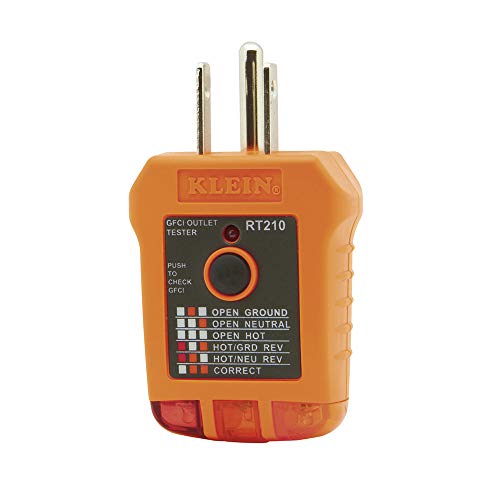
Keep the tools simple and focused on safe troubleshooting: a voltage tester for screening, a two-pole tester or multimeter for confirmation, a screwdriver for covers and terminals, a vacuum or brush for dust, and a continuity-capable meter if you need to check a switch or suspect an open circuit. Non-contact testers are screening tools only; CPSC and ESFI both stress that they should not replace confirmed de-energized testing.
- Voltage tester or non-contact tester for initial screening
- Two-pole tester or multimeter for better confirmation of power loss
- Screwdriver set for covers, switches, and grille hardware
- Vacuum and soft brush for grille, housing, and blower dust
- Continuity-capable meter for switch checks after power is off
Why did both stop working?
If both the bathroom light and fan fail at the same time, treat it as a circuit problem first. Check the breaker, then any bathroom GFCI or AFCI device that feeds the room. If neither load has power, the likely issue is upstream of the switches, such as a tripped protection device, a loose feed, or a shared neutral fault. In some homes, a shared neutral can be part of a multiwire branch circuit, but the exact diagnosis depends on the wiring method and local code requirements.
Start with safe power isolation
Turn the breaker off before removing any switch cover or fixture cover. A non-contact voltage pen can be useful as a screening tool, but it should not be the only proof that a circuit is dead. Use it to look for an energized conductor, then confirm safe shutdown with the breaker off before you open the box, using a two-pole tester or meter when confirmation matters. CPSC and ESFI both recommend verifying de-energized conditions rather than trusting appearance alone.
- Check the breaker label for the bathroom circuit.
- Look for any tripped GFCI or AFCI device on the same branch.
- Turn the breaker off before removing a cover plate.
- Use a voltage tester to confirm the box is de-energized before touching conductors.
- Inspect the switch box for a loose wire, burn mark, or overheated device.
Suppose the vanity light and exhaust fan both went dark after someone used a hair dryer. A tripped breaker or bathroom protection device is the first suspect. If the breaker resets and trips again, stop there; repeated trips can point to a short, a failing motor, or another load fault. That pattern can indicate a short, a failing motor, or another load fault, and manufacturer manuals typically direct you to stop resetting a breaker that repeatedly trips.
How to read the symptom pattern
One dead load and one working load usually means the wiring fault is local to the dead side. Both dead points you toward the feed, breaker, protection device, or a loose connection common to both. A fan that hums but will not spin points away from the switch and toward the motor assembly or blower wheel. If the symptom changes by model, follow that unit’s manual before assuming a universal wiring layout.
How do you tell switch failure from motor failure?
The simplest split is this: if the light works and the fan does not, the fan side of the control or the motor is the target. If the fan works and the light does not, the light side of the control or light module is the target. If the result changes when you toggle only one switch, the control is a stronger suspect than the load.
Single-switch control versus separate control
A single-switch control means one device feeds both the fan and the light together. Separate fan/light control means the loads are independent, but cable count alone does not prove the layout. Depending on the model and local code, the wiring arrangement can vary, so treat conductor count as a clue rather than a rule.
Two wires at the switch do not automatically mean the room is wired one way, and three wires do not guarantee independent switching at the fixture. Check the manufacturer’s listing for your model and inspect how the conductors are actually landed.
Fastest safe test sequence
After power is off, remove the switch cover and inspect the terminals. Look for a loose conductor, a backstab connection that has slipped, or discoloration around the switch. If the switch is badly worn, replacement is often cheaper than chasing the fault deeper into the ceiling box.
For the fan side, a motor that hums without turning is a strong clue that the motor is dead or the blower wheel is stuck.
Why does the fan hum or trip the breaker?
A humming fan often means the motor has power but cannot start. The cause may be dust packed around the blower wheel, a seized shaft, or a failing motor assembly. If the breaker trips instead, think short circuit, damaged insulation, or a failing load that pulls too much current when it starts. Reset behavior matters too: GFCIs and AFCIs should be reset only after the fault is corrected, because repeated resets can hide a real wiring or equipment problem.
Clean the obvious blockage first
The grille cover drops down about two inches on spring clips in many models, but the exact removal method varies by manufacturer. Remove the grille, then clear dust from the cover, blower wheel, and housing. Cleaning the grille and blower wheel is a roughly 20-minute DIY fix in straightforward installations. If the wheel still sticks after cleaning, the motor or blower assembly is likely worn out.
A common first-timer mistake is to stop at the grille and never inspect the wheel. Dust on the cover is only part of the problem; the wheel and housing can also hold enough lint to slow the fan or prevent startup.
When the motor is the likely failure
If the motor hums but will not spin after the wheel is clear, the replacement blower assembly is the usual next step. It can be cheaper than full system replacement, and swap time is often around 30 minutes when the model uses a straightforward clip-in assembly. Check the manufacturer’s listing for your model before ordering, because part fit, mounting, and wiring vary by unit.
Breaker trips and hidden wiring faults
Repeated breaker trips, or an AFCI trip that returns as soon as the switch is turned on, points to more than dust. A short in the load, a loose hot, or a damaged neutral can all show up this way. Do not keep resetting the breaker. That can mask heat damage in the box or fixture, and CPSC guidance is clear that persistent trips deserve correction, not repeated reset attempts.
Bathroom fan airflow checklist
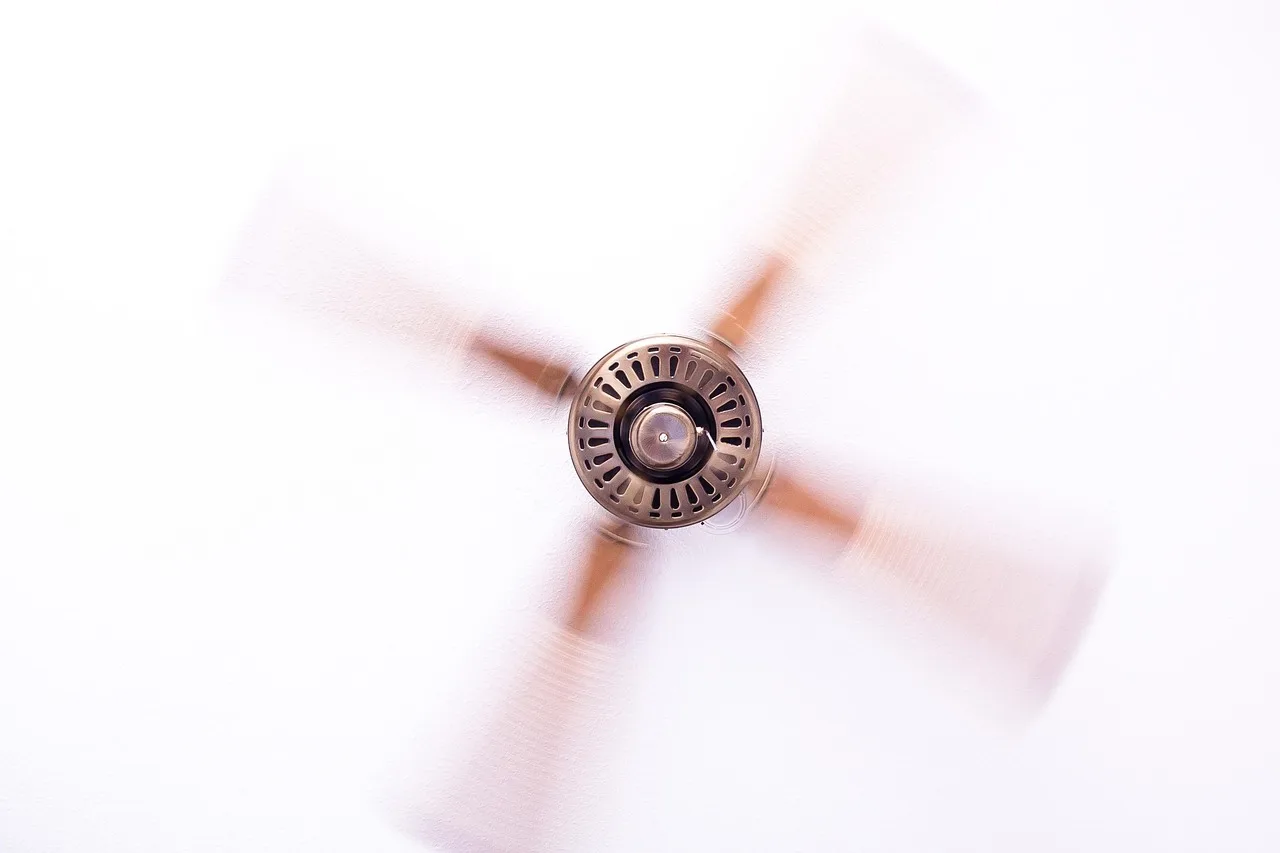
Airflow problems can make a working fan seem dead. The exhaust system includes the motor assembly, blower wheel, grille cover, duct run, and exterior damper or flapper. Bathroom exhaust vents may terminate through a wall hood, soffit panel, or roof cap. A blocked point anywhere along that path can cut suction at the grille. HVI and manufacturer guides both emphasize that duct path, damper operation, and termination style all affect real-world performance.
Check the exterior damper first
The backdraft damper or flapper must open freely. It prevents wind and pests, but it can also jam from insects or lint. A stuck exterior flap can block air even when the motor runs. If the flap is visible from the outside hood, make sure it swings open without binding. Manufacturer manuals often show the damper as part of the airflow path, not an optional accessory.
Use the toilet paper test
Hold a strip of toilet paper at the grille while the fan runs. If it does not stay in place, airflow cannot move freely. That test does not tell you the whole story, but it quickly separates a weak vent path from a dead motor or dead switch. It is a screening check, not a substitute for a full airflow measurement.
Look for duct damage and sizing problems
The less likely causes include a disconnected flex duct and an undersized fan. If the duct is crushed, detached, or hidden in a ceiling cavity you cannot see, the fan may spin normally and still move very little air. If the room stays humid despite an open damper and clean wheel, a small fan can also be part of the problem. Manufacturer sizing charts and HVI guidance are the safest references for matching fan capacity to room size and duct conditions.
Do not assume lingering mirror fog alone proves the fan is too small. Check the duct length, the termination point, and the damper before you blame the fan size.
Makeup air and room pressure
If the fan runs better with the door open, the room may not be getting enough makeup air. The bathroom door needs enough transfer air to let the fan breathe, but the exact undercut depends on the room, fan size, and local code expectations rather than a single universal dimension. A cracked-open door test is a quick way to confirm pressure trouble.
What the door test tells you
Close the bathroom door, run the fan, and repeat the toilet paper test. Then crack the door open and test again. If airflow improves sharply with the door open, the fan is competing with a tight room. That points to an undercut problem, a blocked transfer path, or stronger negative pressure than the room can relieve.
Negative pressure can also draw air from the wrong place, including gaps around trim or through a weak vent path. If the bathroom shares space with a combustion appliance, do not ignore that pattern. It can indicate a larger venting or combustion-air issue.
What to replace and what to measure
Bathroom fan replacement is usually where planning matters most. Before buying anything, measure the ceiling cutout, confirm the housing size, check the duct size, note the mounting tabs, and measure the clearance above the ceiling. Lighted fan replacements may require a deeper housing than the old unit. Manufacturer manuals are the best source for fit, wiring, and mounting details.
Replacement blower assembly versus full unit
If the motor hums but will not spin, a replacement blower assembly can be enough. If the housing is cracked, the grille does not fit, the duct collar is wrong, or the light and fan are integrated in a way that limits part-by-part repair, a full unit swap may be the cleaner choice. Check the manufacturer’s listing for your model.
What changes in a fan-light swap
A replacement bathroom fan with light can need an extra switched leg for the light, and the wiring path must match that control scheme. If you want separate fan and light control, plan for the right cable count and switch layout. A three-conductor cable run is typically needed for separate fan and light control, while one switch can work with two conductors, but the exact wiring and cable rules can vary by model and local code.
If attic access is not available, look for a replacement that fits the existing opening and mounting style. Hidden duct damage, roof work, and live-wiring diagnosis are the points where a licensed electrician or HVAC pro is the safer call.
Frequently asked questions
Why did my bathroom light and fan stop working at the same time?
When both loads fail together, start at the breaker and any bathroom GFCI or AFCI protection, then look for a shared feed or neutral issue. If neither switch works, the fault is usually upstream of the fixture. If one load still works, the problem is more likely local to the dead switch or device. Shared-neutral diagnosis is possible, but it depends on how the branch circuit is actually wired and whether the protection device is tripping.
How do I tell if the bathroom fan switch is bad or the fan motor is dead?
Turn the circuit off first, then inspect the switch and wiring for looseness or heat damage. If the switch fails continuity checks or feels damaged, it is a strong suspect. If the switch works but the fan hums or stalls, the motor assembly or blower wheel is more likely at fault. Use a continuity-capable meter for switch confirmation after shutdown.
What breaker or GFCI should I check for a bathroom light and fan?
Check the breaker that feeds the bathroom circuit and any bathroom GFCI or AFCI device that may protect that branch. Some bathrooms are fed through a nearby protection device rather than a labeled bathroom outlet. If the breaker trips again after reset, stop and trace the load fault instead of forcing another reset. Reset behavior is a clue, not a fix.
How do I reset a bathroom fan with light after a power issue?
Reset the breaker or tripped protection device first, then test the switches one at a time. If the breaker holds, the circuit may have recovered. If it trips again, or if the light and fan still do not respond, the issue is not a simple reset and needs a wiring or load check. GFCI and AFCI devices should not be repeatedly reset if the fault remains.
How do I test if the wiring, switch, or motor is causing the problem?
Use a voltage tester only after safe shutdown to confirm the box is de-energized, then inspect the switch connections and fixture wiring. A dead light with a working fan points to the light side. A humming fan that will not spin points to the motor or blower. Repeated breaker trips point to a load or wire fault. Non-contact testers are screening tools only; confirm with a meter when possible.
When should I call an electrician for a bathroom fan and light not working?
Call a pro if the breaker trips repeatedly, if you find heat damage, if the neutral appears loose, or if the fault is in hidden ceiling wiring. Also call if you need attic, soffit, or roof access to inspect the duct or cap. Those jobs carry more risk than a simple switch swap, and manufacturer instructions often route beyond basic DIY repair when hidden wiring or ventilation faults are involved.
Products related to this article
Sponsored / affiliate links. As an Amazon Associate I earn from qualifying purchases. I may earn additional commission from eligible campaigns.